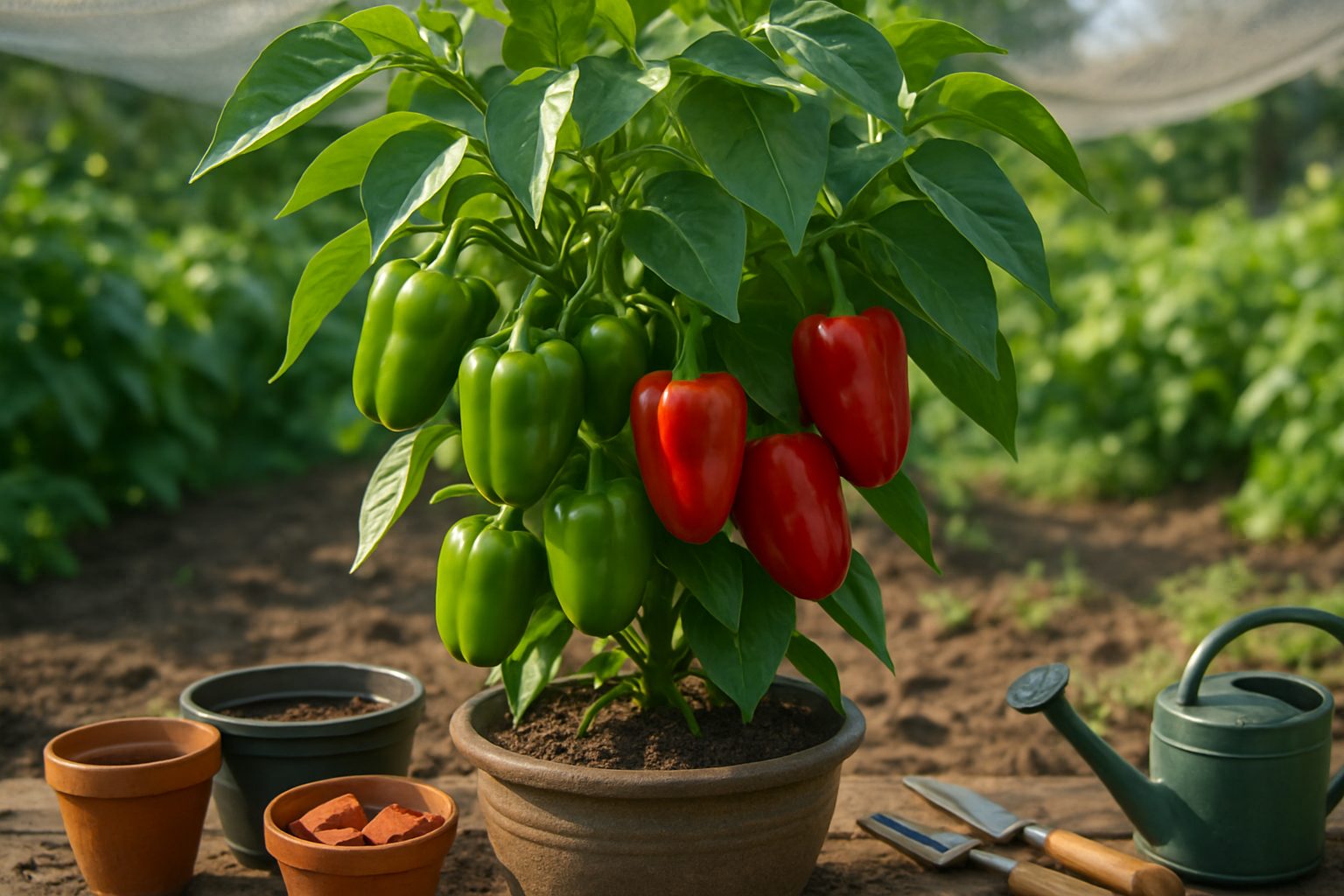
Understanding Sunscald in Peppers
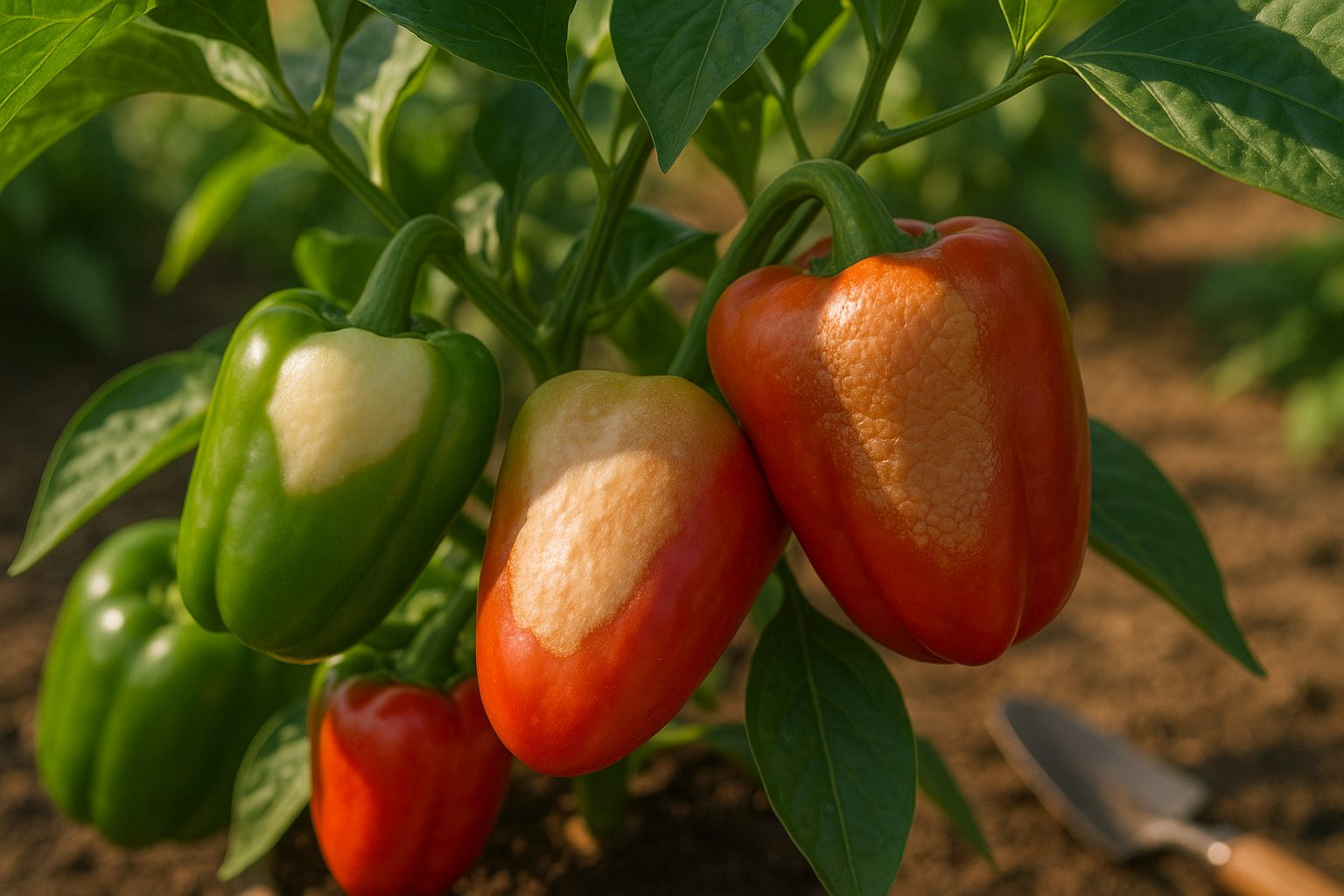
If you’re growing bell peppers in hot weather, you’ve probably noticed that, despite their sun-loving nature, peppers can be sensitive to intense heat and sunlight. One of the most common issues is sunscald—a condition where the fruit’s skin becomes pale, bleached, or even blistered from overexposure to direct sunlight.
Peppers are particularly prone to sunscald because their broad, relatively thin foliage sometimes fails to shade developing fruits, especially when plants are stressed from heat or lack of water. As temperatures climb and the sun beats down, areas of fruit not protected by leaves can heat up quickly, leading to sunscald.
This often happens during heatwaves, periods of drought, or after heavy pruning when fruits are suddenly exposed. Recognizing sunscald early is vital for gardeners and growers: damaged peppers can develop soft spots that invite pests and disease, potentially ruining the fruit and reducing yields.
By watching for telltale whitish or papery patches, you can adjust watering, add shade cloth, or tweak plant placement to keep your bell peppers thriving even when the mercury rises. Prevention goes a long way toward protecting your harvest from the harshest elements of hot, dry climates.
Spotting Sunscald Symptoms on Pepper Plants
Sunscald on pepper plants appears as pale, whitish, or yellowish blotches on the sun-exposed side of the peppers, often starting on green fruit. As the damage progresses, these spots can become thin, papery, and may eventually dry out or become sunken, leaving the affected areas vulnerable to mold or rot.
On ripening peppers, sunscalded areas might look bleached or silvery, instead of the bright colors you would expect. Unlike typical issues like blossom end rot—which causes dark, leathery spots on the bottom of the fruit—or fungal infections that begin with fuzzy growth or water-soaked lesions, sunscald damage is usually dry and limited to spots with the most sun exposure.
Early detection is key: check your pepper plants during hot, sunny weather, especially after sudden leaf loss from pruning, insect damage, or storms, which exposes the fruit to harsh sunlight. If you notice early signs—like small pale patches—try shading the apple-green fruits with lightweight fabric, baskets, or nearby leaves to prevent further damage.
Mulching and consistent watering can also help your plants maintain foliage cover, minimizing the risk of sunscald.
Treating and Managing Sunscald Damage
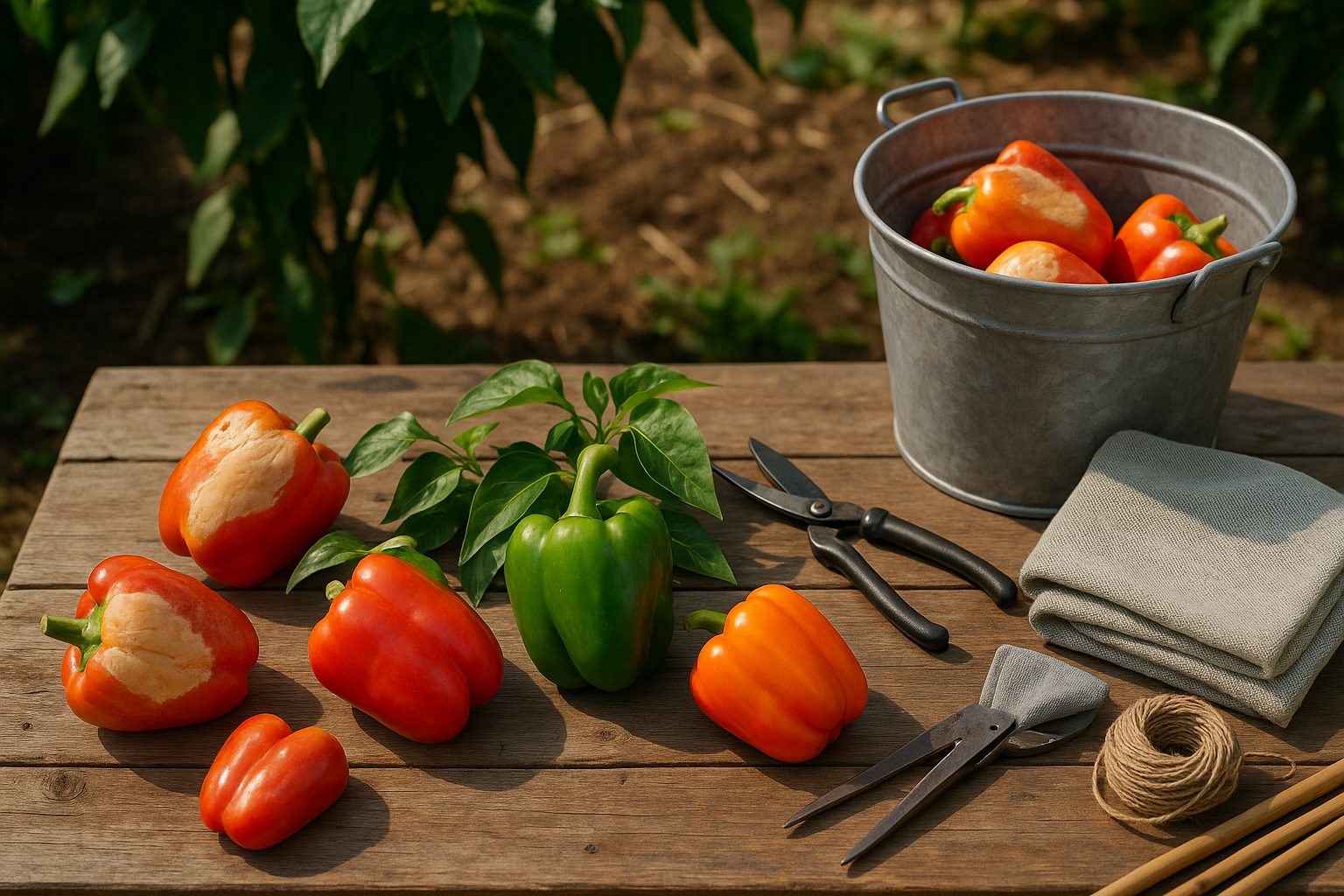
If you spot sunscald on your peppers—which often appears as white or papery blisters on the fruit—the first step is to remove and discard any fruits that are severely damaged, as these can invite mold and pests. For mildly affected peppers, carefully trim away damaged spots and use them up quickly; reducing plant stress can also help your crop recover.
Water regularly and mulch around the base to maintain even soil moisture, as stressed plants are more vulnerable to sunburn. To prevent further damage, drape lightweight shade cloth or garden netting over your plants during the hottest part of the day, or move container plants to a spot with dappled sunlight.
When it comes to your harvest, slightly sunscalded but otherwise healthy peppers can still be roasted, added to soups, or pureed for sauces where appearance doesn’t matter. For preservation, sunscalded sections can be sliced away before freezing or pickling the remaining good parts.
Acting quickly and adjusting your care routine not only saves your current crop but also helps your plants bounce back stronger.
Preventing Sunscald on Peppers
Preventing sunscald on peppers starts with providing reliable shade, especially during periods of intense sun. Using shade cloth is one of the easiest and most effective methods; simply drape a 30–50% shade cloth over your pepper patch to diffuse sunlight without blocking it entirely.
If you prefer a natural approach, try companion planting with taller crops like corn or sunflowers to cast dappled shade over your peppers during the hottest part of the day.
Good plant spacing is equally important—crowding peppers can reduce airflow and increase disease risk, but spacing them too far apart exposes fruits to harsh sun. Aim for about 18 to 24 inches between plants to let foliage grow thicker and naturally shield developing peppers.
Smart pruning also helps: avoid removing too many leaves, since healthy foliage acts as a built-in sun umbrella.
Alongside shading and spacing, keeping your plants well-watered (deep, infrequent soakings rather than shallow daily sips) helps them cope with heat stress. Using organic mulch to lock in soil moisture is beneficial as well.
Pair this with balanced fertilization—excess nitrogen can lead to lots of leaf growth but fewer fruits, so choose a fertilizer low in nitrogen and higher in phosphorus and potassium.
Lastly, consider planting heat- and sun-tolerant pepper varieties such as ‘Numex Big Jim’ or ‘Cayenne Long Slim,’ which are bred to handle hot environments with fewer issues.
By combining these strategies, you’ll help your pepper plants thrive and prevent disappointing, sun-damaged fruits even during the brightest days of summer.
Extra Pepper Growing Tips for Healthier Plants
For the healthiest pepper plants, start by planting after the last frost when soil temperatures reach at least 65°F—cold soil can stunt seedlings and slow growth. Prep your garden bed with compost or well-rotted manure to boost nutrients, and make sure your soil drains well to avoid root rot.
When spacing your plants, give them 18 to 24 inches of room to ensure each gets plenty of sunlight and airflow, reducing the chance of disease. Mulch around the base with straw, shredded leaves, or grass clippings to lock in moisture and prevent weeds; this also helps control soil temperature swings that can stress plants and lead to sunscald.
Support taller pepper varieties with stakes or cages early on to stop them from bending or breaking under the weight of fruit. For pest and disease control, check plants regularly for aphids, flea beetles, or discolored leaves—removing affected parts promptly and spraying with a gentle soap solution if infestations appear.
Crop rotation each year and removing plant debris at the end of the season can go a long way in preventing pesky soil-borne diseases, so your peppers stay strong and productive all season long.