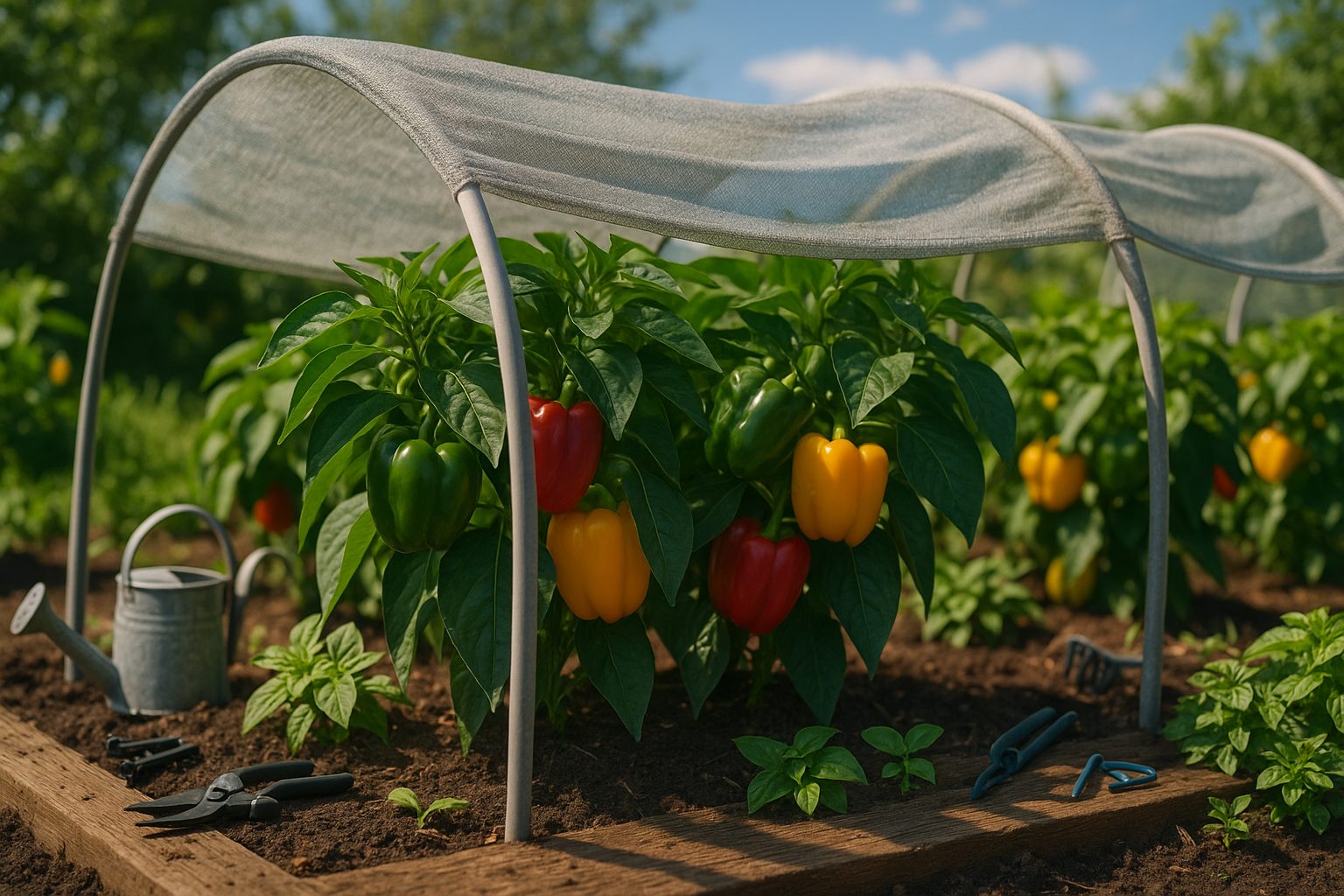
Why Use Shade Cloth for Pepper Plants
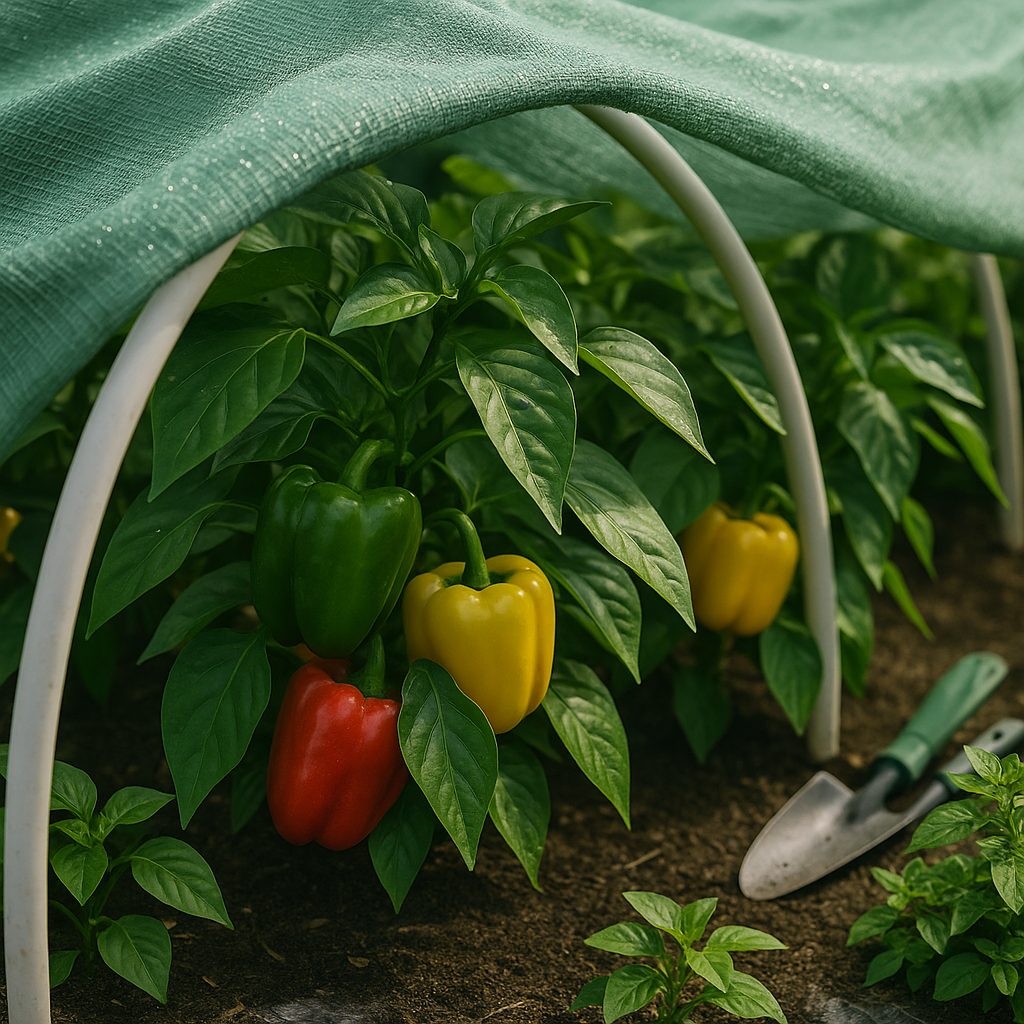
If you’re growing bell peppers in a scorching summer climate, using shade cloth for peppers can be a game-changer. Excessive sunlight and intense heat might sound ideal for producing harvests, but pepper plants often suffer from sunburnt fruit, wilted leaves, and poor yields under such extreme conditions. Shade cloth acts as a protective barrier, filtering out a portion of harsh sunlight and helping regulate the temperature around your plants. This simple adjustment can make a big difference: by blocking just 30–50% of the sun, shade cloth prevents peppers from overheating during the hottest part of the day, especially during heatwaves or when the midday sun is relentless.
A key advantage is reduced sunburn on fruits and foliage. Unprotected, peppers are prone to pale or blistered patches—damage that not only affects their appearance but also their quality and taste. With shade cloth in place, fruit develops a healthy, vibrant color and maintains tender flesh. Cooler soil and air temperatures beneath the cloth also mean less stress on the plants, encouraging better pollination and fruit set. If you notice your peppers wilting by early afternoon or see lighter patches on the leaves, it’s a clear sign they could benefit from some shade.
In real-world gardens, many growers drape the cloth over hoops or frames just above the plants, removing it during cloudy stretches. Whether you’re facing a weeklong heatwave or an unusually hot summer, shade cloth for peppers offers a flexible, low-cost way to protect your crop and ensure a consistent, high-quality harvest.
Types and Materials of Shade Cloth
When choosing shade cloth, it’s important to understand the different materials and options to find what suits your space best.
Woven shade cloth is made from tightly interlaced polyethylene strands, making it very durable but less flexible. It typically offers stronger protection—perfect for areas with harsh weather. On the other hand, knitted shade cloth, also made from polyethylene, provides a more flexible and lightweight solution that allows better airflow, reducing heat buildup underneath. This is a popular choice for gardens or patios where ventilation is essential.
Among materials, polyethylene stands out for its weather resistance and UV protection, but you might also find some cloths made with polyester or even natural fibers for decorative, short-term use.
Color matters, too:
- Black shade cloth blocks the most sunlight and heat, making it ideal for maximum cooling.
- White cloth reflects more sunlight and creates a brighter, more inviting space, but with less temperature reduction.
- Green shade cloth blends easily into garden environments and offers a balance between shade and aesthetics.
When deciding, consider your priorities—whether you want maximum shade and durability for protecting delicate plants, or better airflow and lighter shading so people can enjoy outdoor spaces comfortably.
Choosing the Best Shade Cloth for Pepper Plants
When selecting the best shade cloth for your pepper plants, the key is finding the right density and color to balance sun protection with healthy growth. Most pepper varieties, especially sweet or bell peppers, thrive under 30-50% shade cloth; this range reduces harsh midday sun while still allowing enough light for photosynthesis.
Hotter climates and sensitive pepper varieties may benefit from up to 60% shading, but going higher can limit fruit production. Color also matters:
- Black and green shade cloths block more light and heat, making them excellent for high-sun, hot locations.
- White or aluminet cloths reflect sunlight, creating a cooler environment and diffusing light more evenly.
For small backyard gardens with limited space, lightweight cloths are easier to handle and drape, whereas larger operations might prefer roll-out shade cloths that are UV stabilized and built for repeated use.
Always choose a UV-stabilized material to ensure the cloth lasts multiple seasons without degrading in the sun, and look for weather-resistant qualities to handle wind or rain. Consider your local climate—intense sun or frequent storms call for sturdier, tightly woven options.
Lastly, match the shade density to your specific pepper varieties: delicate, thin-skinned peppers will appreciate a little more shading, while thicker-walled types are more sun-tolerant. With these factors in mind, you can customize your shade solution, protect your peppers from sunscald, and promote healthy, flavorful harvests throughout the growing season.
How to Install Shade Cloth in the Garden
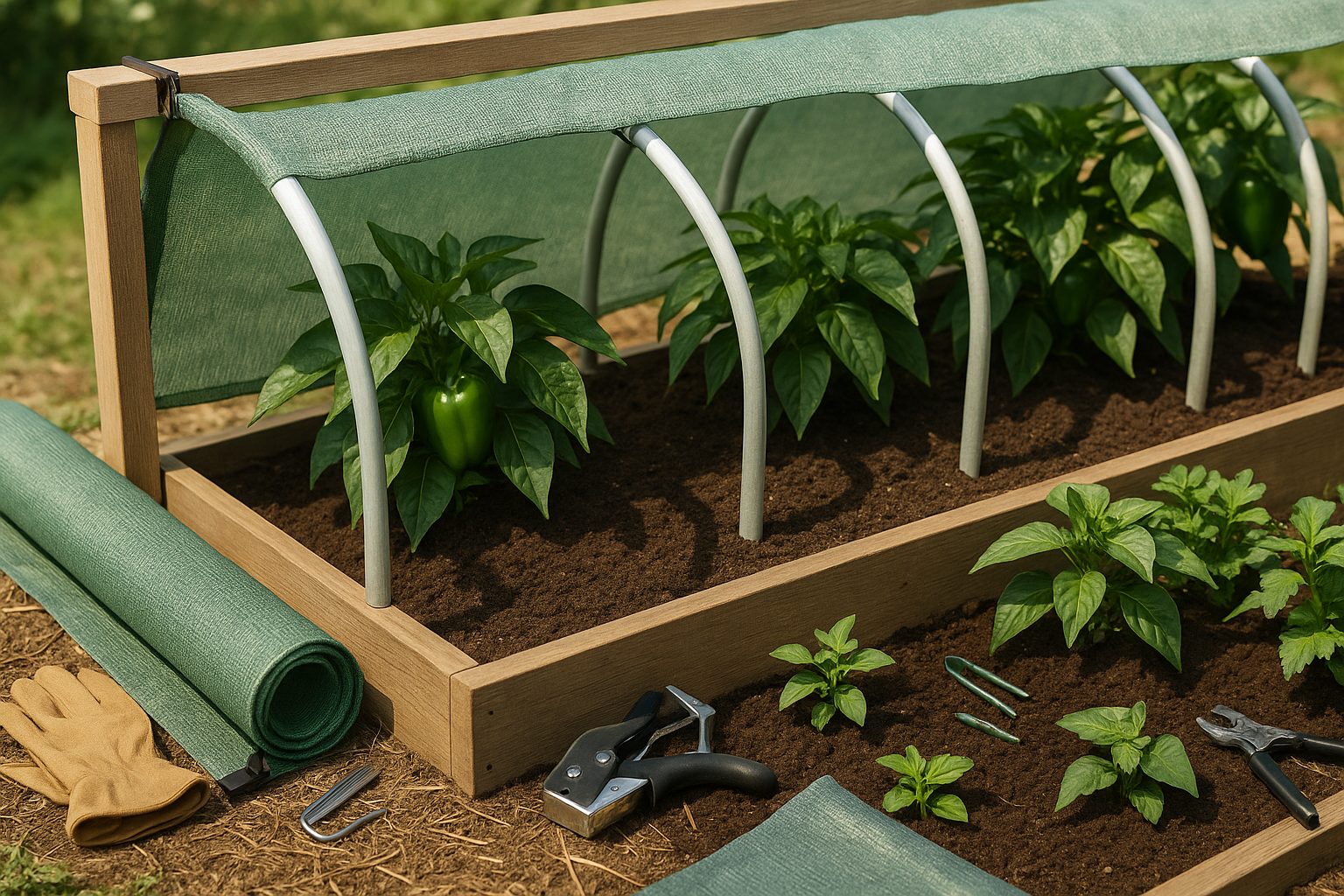
Installing shade cloth in your garden can be a straightforward project if you choose the right method and follow a few practical steps. Three common installation approaches are using frames, hoops, or direct draping.
Using Frames
Frames—such as PVC or wooden structures—provide a solid, elevated backing for the shade cloth, making them ideal for permanent or semi-permanent protection. To install:
- Assemble your frame.
- Attach the cloth using zip ties or clips.
- Pull it taut for stability.
- Allow at least 12–18 inches of clearance above your plants for good airflow.
Using Hoops
Hoops, often made from flexible PVC pipe, are perfect for row covers. To install:
- Insert both ends of each hoop into the ground.
- Drape the cloth over the top.
- Secure the edges with garden staples or weighted objects.
- Make sure there are openings at both ends for ventilation.
Draping Shade Cloth Directly
If you’re draping shade cloth directly over plants or beds:
- Use soft ties at intervals along the edges.
- Weigh the cloth down to prevent flapping.
- Leave gaps near the soil so air can move freely.
Avoid the common mistake of wrapping your plants too tightly or blocking all sunlight. Too much shade or restricted airflow can cause heat pockets, which stress your plants rather than protect them. Always monitor the area for signs of overheating, such as wilting, and adjust the setup if needed.
With careful placement and regular checks, your shade cloth will shield your garden effectively without causing unintended problems.
Maintenance and Adjustment Tips
Proper maintenance can significantly extend the life of your shade cloth and ensure your plants get optimal protection season after season. To keep your shade cloth in top shape, gently hose off dust, pollen, and debris regularly—this not only prevents buildup that could block sunlight but also reduces wear on the fibers.
If you notice stains or mildew, use a mild soap and soft brush to spot-clean, taking care to avoid harsh chemicals that could degrade the material.
During the growing season, pay attention to your plants’ needs and weather patterns. On cooler days or when less shading is needed, either roll up the cloth or loosen it to let in more sun. Conversely, during peak heat, make sure it’s securely fastened and providing full coverage to shield delicate crops.
If wind or storms are expected, temporarily removing the shade cloth can prevent damage. Regularly inspect for sagging, tears, or discoloration—these signs often indicate it’s time to reposition, repair, or replace the cloth.
A taut, clean shade cloth not only looks better but functions more efficiently, helping your garden thrive all summer long.
Case Studies and Real-World Results
Research and case studies show that using shade cloth can lead to noticeably higher pepper yields and healthier plants. For example, a trial at the University of Florida found that bell pepper plants grown under 30% shade cloth produced up to 40% more marketable fruit compared to plants exposed to full sun. This improvement was largely because the shade helped reduce intense heat stress and sunscald on the fruit.
In a separate home garden experiment in Texas, gardeners reported fewer instances of bacterial spot and wilt after covering their pepper beds with light shade. The cloth helped block driving rain and harsh wind, contributing to healthier plants.
Practically, these results suggest that even small-scale gardeners can benefit from installing shade cloth, especially in regions with blistering summer temperatures. Here are some tips:
- Choose a shade cloth rated for 30–50% light reduction.
- Set it up on simple hoops or support stakes above your pepper plants.
- Make sure the sides are left open to allow good airflow, which is crucial for keeping diseases at bay.
By observing your plants and adjusting the timing or density of your shade cloth during severe heatwaves or rainy spells, you’ll likely see stronger, more productive peppers throughout the season.
Conclusion and Key Takeaways
Choosing the right shade cloth for your pepper plants can make a big difference in their health and productivity. Lighter shade cloths, like those filtering 30-50% of sunlight, work well in most gardens by protecting peppers from scorching sun without blocking essential light.
When installing, secure the cloth a few feet above the plants to allow airflow and prevent heat buildup—simple stakes or PVC hoops work well for home gardeners.
Remember, every garden is unique, so experiment with different shade levels or materials to see what your peppers prefer. Try starting with a removable setup so you can adjust coverage during heat waves or switch cloth types as the season changes.
By fine-tuning your shade cloth setup, you can boost yields, reduce sunburn, and help your peppers thrive—even during summer’s hottest days. Don’t hesitate to customize your approach; your plants will reward you with vibrant growth and better harvests.