Introduction
Dreaming of homegrown peppers but worried your balcony or patio is too cramped? The good news is that a well-planned bell pepper layout small space approach can help you harvest vibrant, flavorful peppers even in the tightest spots. Small-space gardening lets you enjoy fresh produce right outside your door, save on grocery bills, and bring color and life to urban settings. However, limited square footage often means dealing with crowded plants, poor airflow, and limited sunlight—all of which can stunt growth or reduce yields.
Fortunately, thoughtful garden layouts are key to overcoming these challenges. By strategically arranging containers, using vertical supports, or mixing peppers with companion plants, you can promote healthy growth and make the most of every inch. Smart design choices don’t just boost productivity—they also create a beautiful, inviting green corner you’ll love tending. In this article, we’ll explore practical, creative bell pepper layouts for small spaces—plus tips from seasoned urban gardeners—to help you turn your compact area into a thriving pepper patch.
Choosing Bell Pepper Varieties for Small Spaces
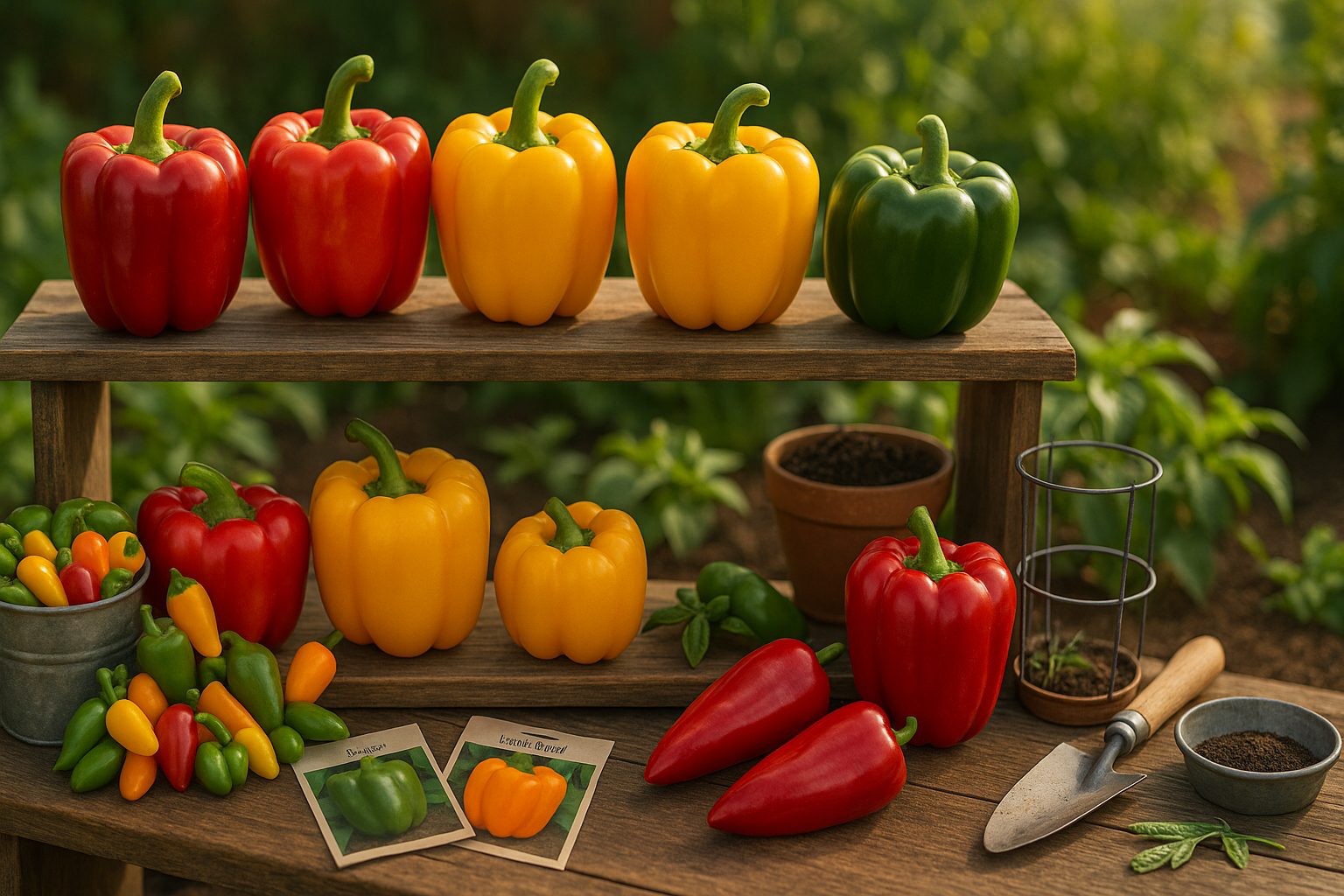
When planning your bell pepper layout for small space gardening, start by selecting compact or miniature varieties bred specifically for container gardening and limited square footage. These bell pepper plants stay smaller, require less root space, and are perfect for tight balconies, patios, or even sunny windowsills.
Look for determinate varieties, which naturally limit their height and bushiness, making them much easier to manage in pots or raised beds. Determinate peppers produce fruit within a set time frame, giving you a predictable harvest without the sprawling growth typical of indeterminate types.
Container-friendly peppers also need less soil and water than larger varieties, simplifying care, fertilizing, and pest control for busy gardeners.
Top Small-Space Bell Pepper Varieties
- Mini Bell: Compact plants growing 16 to 24 inches tall, producing sweet, snack-sized peppers in various colors.
- Jingle Bells: Dwarf habit with petite red fruits, ideal for salads or stuffing.
- Mohawk: Perfect for hanging baskets and small pots, these stocky 12- to 15-inch plants produce globe-shaped orange peppers.
- Sweet Chocolate: Known for its short stature and unique brownish-red fruits, offering both flavor and visual appeal.
- Lunchbox: Mini-sized, sweet, and prolific in containers or small raised beds.
By mixing and matching a few of these varieties, you can create an efficient bell pepper layout for small space gardening that maximizes both yield and beauty—no backyard required.
Container Garden Layout Ideas
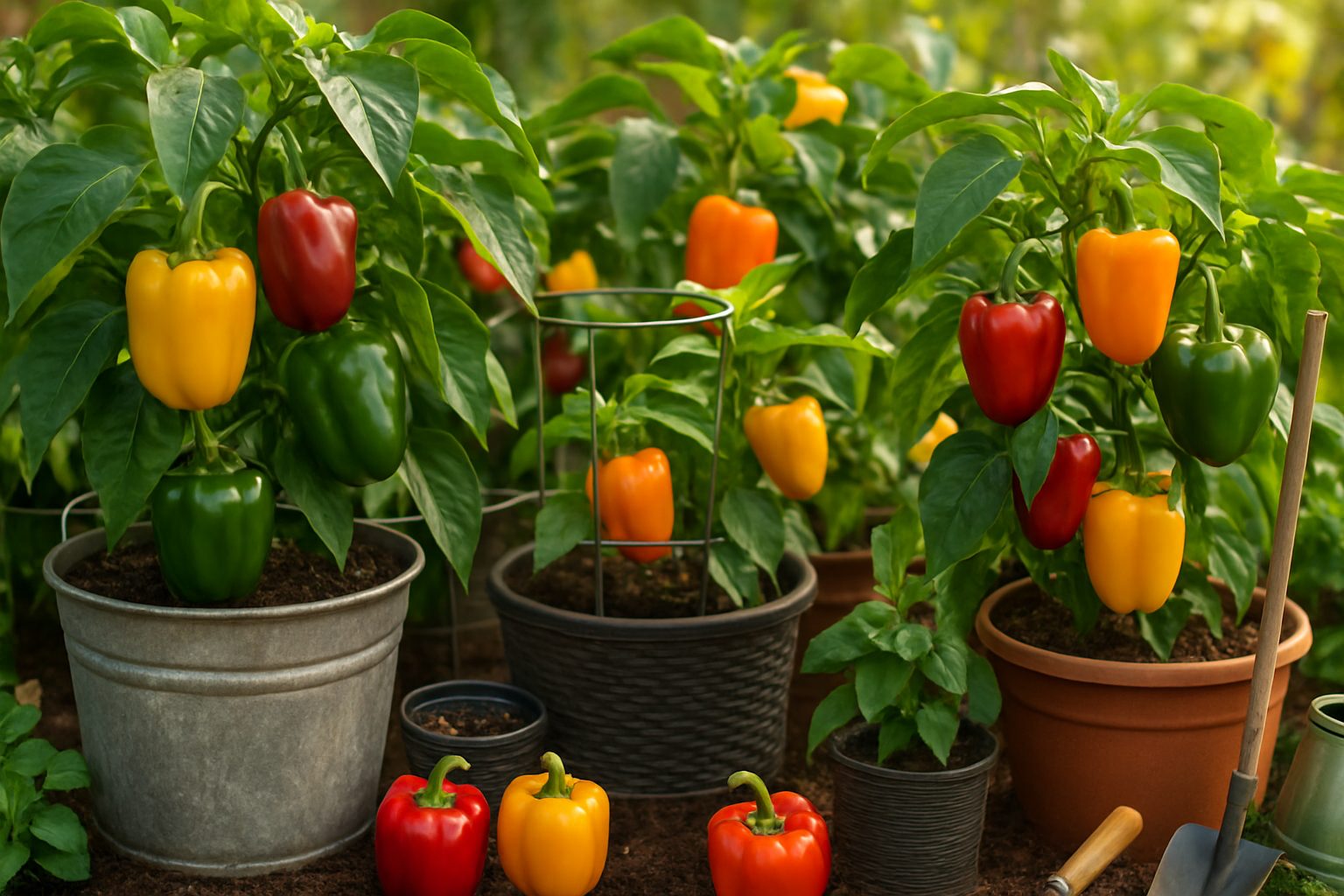
When planning a bell pepper layout for a small space, choosing the right containers is the first step to success. Standard pots (12 to 14 inches wide), five-gallon buckets with drainage holes drilled at the base, or sturdy fabric grow bags all provide ample root room for each pepper plant. On a compact patio or balcony, use square or rectangular planters along railings to maximize horizontal space without crowding walkways.
For ultra-tight urban spaces, vertical planters or multi-pocket wall hangers allow you to grow upwards—just make sure each bell pepper has at least 12 inches of personal space to prevent fungal disease and encourage airflow. Position containers so all plants receive at least six hours of sunlight daily, rotating them occasionally if shadows creep in from neighboring buildings.
When grouping containers, stagger them in a zigzag or checkerboard pattern to keep leaves from overlapping. This arrangement not only increases sunlight exposure but also allows breezes to flow freely between plants. To make the most of every square foot, tuck low-growing herbs like basil, oregano, or chives at the base of your peppers—these compact companions won’t compete for sunlight and can help repel pests naturally.
If you’re using larger planters, consider mixing in bushy lettuce or spinach, which matures quickly and fills gaps without disturbing pepper root systems. By combining smart container choices, efficient layouts, and compatible crops, you can harvest vibrant bell peppers and more, even when gardening space is limited.
Raised Bed and In-Ground Micro-Gardens
For urban or suburban yards where space is limited, mini raised beds and small in-ground garden layouts offer an efficient and productive bell pepper layout for small space gardeners. Aim for raised beds that are 3 to 4 feet wide and as long as your yard allows—this lets you reach the center without stepping on and compacting the soil. A bed sized 3’x6’ or 4’x8’ works well even in modest yards.
In-ground gardens with similar dimensions also work great, as long as the area receives at least six hours of sunlight. Space pepper transplants about 18 inches apart in all directions to promote healthy airflow and root development. Arrange plants in two offset rows for better space utilization, and leave a 16-24 inch walking path around or between beds for easy access to tend, water, and harvest.
Boost your yield by using vertical supports like small cages or stakes—this encourages peppers to grow upward, freeing up ground space for companions such as basil, onions, or marigolds. These companion plants help repel pests and add valuable diversity to your garden. Leafy greens like spinach or lettuce thrive in the shade between larger pepper plants, benefiting from cooler, protected microclimates. You can also mix in shallow-rooted herbs around the bed’s edges for extra harvests without crowding your peppers.
With thoughtful planning and strategic use of companion plants, even the smallest garden plots can produce a surprisingly abundant bell pepper harvest while keeping maintenance simple and enjoyable.
Vertical and Trellised Bell Pepper Layouts
Vertical and trellised bell pepper layouts are game-changers for gardeners working with limited space. Creative vertical gardening methods—like wall pockets, hanging fabric planters, shelves, and stacked wooden crates—help you maximize every inch. Hanging wall planters or sturdy shelves let you grow bell peppers off the ground, bringing color and life to bare fences or patio walls.
Compact, dwarf pepper varieties are especially suited for these setups, but even standard plants thrive with the right care. Tiered plant stands or ladder shelves arrange multiple pots at varying heights, ensuring sunlight reaches every leaf and fruit.
To encourage strong, upright growth in a bell pepper layout for small space, training and support are essential. Use tomato cages, bamboo stakes, or soft ties to gently hold each plant as it grows, preventing top-heaviness and wind damage—crucial for vertical arrangements. Regularly pinch off low leaves and side shoots so the plant directs energy toward fruit production and upward growth.
For a decorative twist, mix flowering edibles like nasturtiums or marigolds among your peppers on shelves or vertical racks. These blooms add curb appeal, and marigolds in particular may help deter common pepper pests. Consider combining trailing herbs, like thyme or oregano, around the base of upright peppers in larger wall pockets or stackable planters to double the harvest and fill out your vertical display. This approach turns even the smallest balcony or window ledge into a high-yield, visually stunning garden.
Maximizing Yield and Plant Health in Tight Quarters
Designing a bell pepper layout for a small space requires thoughtful planning to ensure each plant thrives, even in limited room. Start with a top-quality potting mix rich in organic matter and excellent drainage—look for coco coir or peat blended with compost and perlite. This combination gives roots room to breathe and helps retain moisture, which is important since bell peppers in dense layouts tend to dry out faster.
Water your plants regularly, aiming for soil that’s consistently moist but never soggy. Using self-watering containers or adding mulch can help retain moisture without waterlogging the roots. Feed bell peppers with a balanced liquid fertilizer every two weeks during active growth; this supports fruit production without risking nutrient burnout from excessive feeding.
Airflow is critical in small-space arrangements, so space your pepper pots or grow bags at least 10–12 inches apart whenever possible. Prune lower leaves or crowded stems to promote good circulation. If using a vertical rack, stagger pots to reduce direct leaf contact and improve airflow.
For continuous harvests, practice succession planting: start a new batch of pepper seeds or seedlings every 3–4 weeks to keep mature fruit coming. Alternatively, interplant compact, fast-growing greens like lettuce or basil between peppers; these fill gaps and can be harvested quickly, freeing up space as peppers grow. This layered approach lets you maximize a bell pepper layout in a small space for sustained yield, healthy growth, and minimal pest or disease risk.
Sample Layout Plans and Design Inspiration
When planning your bell pepper layout for a small space, creative use of containers and efficient spacing are essential. For a balcony, try lining up three to four 3-gallon pots along the railing, each housing a single sturdy bell pepper plant. This setup ensures good airflow between plants, makes watering easy, and maximizes sunlight—even in the narrowest areas.
If you have a compact patio, consider a square 2’x2’ raised bed that can comfortably fit four bell pepper plants (one in each corner). This arrangement allows the plants to grow without overcrowding and keeps foliage dry to prevent disease. For gardeners using window boxes or long, narrow planters, space two to three small bell pepper varieties at least 12” apart, placing the containers against a sunny wall for support.
In all layouts, use quality potting soil and try companion planting—such as basil or chives between the peppers—to enhance flavor and deter pests. Remember, these plans are just starting points. Feel free to experiment with staggered planting, trellises, or adding edible flowers to match your space and style.
The beauty of a bell pepper layout in small spaces is its flexibility: adapt these examples to your needs by considering local sun patterns, your daily routine, and how many peppers your kitchen actually craves.