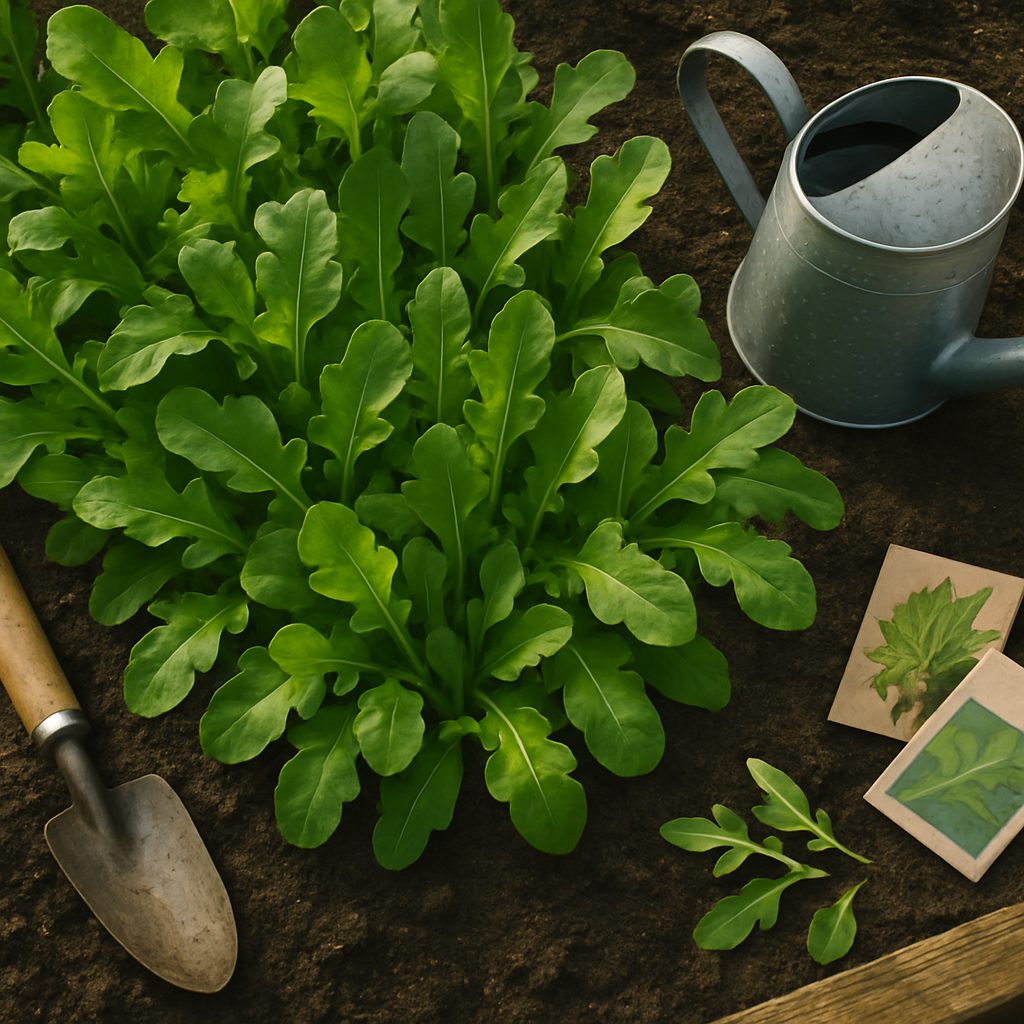
Introduction to Growing Arugula
Growing arugula in hot weather isn’t just a gardener’s challenge—it’s an exciting opportunity for anyone who wants to enjoy fresh, peppery greens no matter the climate. Arugula, known for its distinct, zesty flavor, has become a staple in home gardens due to its versatility in salads and as a flavorful garnish. This leafy green is prized not only for its taste but also for its rapid growth, making it ideal for beginners who want quick results and repeated harvests throughout the season.
However, if you live in a region where temperatures soar, you might wonder if arugula can truly thrive without turning bitter or bolting too soon. In this article, we’ll explore strategies for successfully growing arugula in hot climates. You’ll learn which arugula varieties handle the heat best, tips for timing your plantings, clever ways to keep your greens cool, and care techniques to extend your harvest. With a few simple tricks and some practical planning, you’ll find that fresh, homegrown arugula is possible—even when the thermometer rises.
When and Where to Plant Arugula
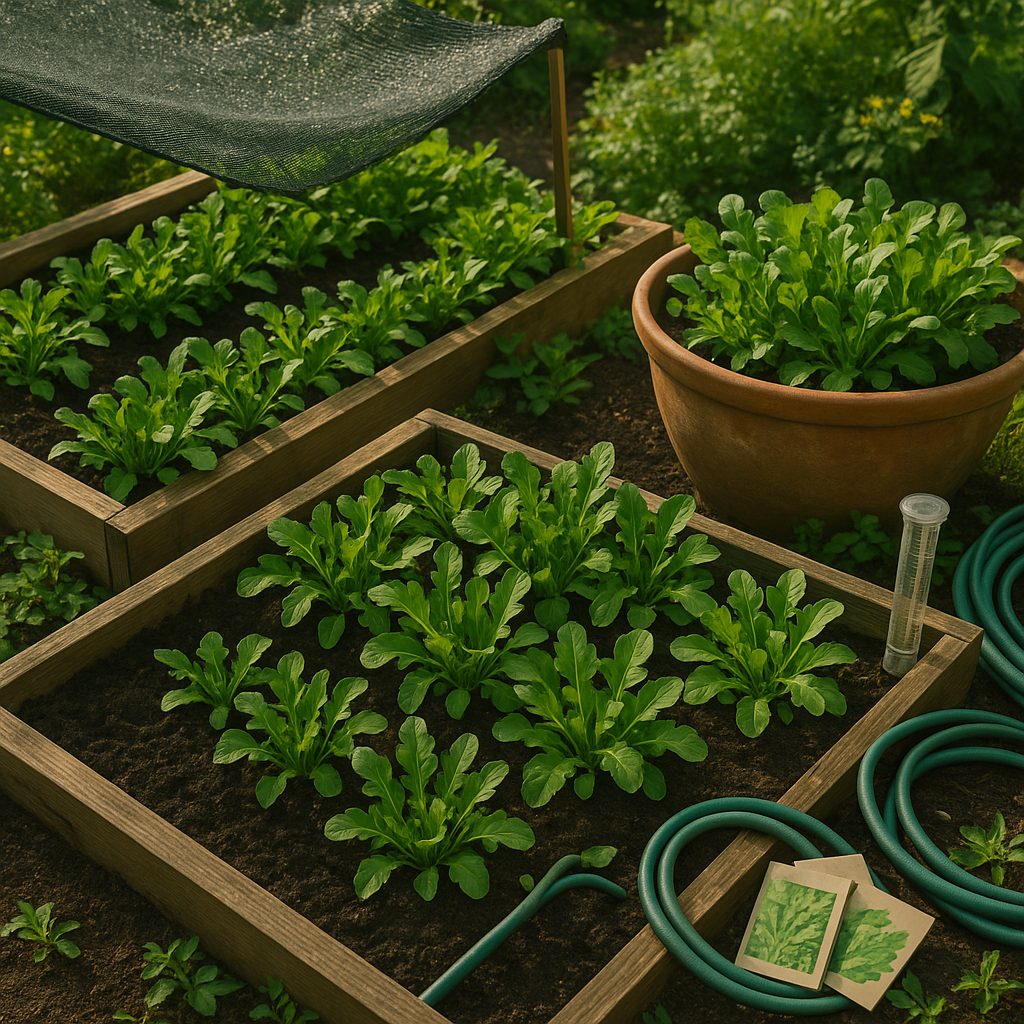
Arugula is a cool-season green, thriving best when temperatures are mild—generally between 45°F and 65°F (7°C and 18°C). In most temperate regions, aim to plant arugula outdoors in early spring as soon as the soil can be worked, or again in late summer for a fall harvest.
If you live in a warmer climate, consider starting arugula in late fall or winter since hot weather can cause the plants to bolt and develop a bitter taste. For gardeners in colder zones, arugula grows well under row covers or in cold frames, giving you an extended growing season.
When deciding where to plant, choose a spot that gets full sun to partial shade. Arugula enjoys at least 4-6 hours of sunlight daily, but a little afternoon shade can help prevent the leaves from wilting or becoming too spicy as temperatures rise.
Raised garden beds and large containers are both excellent choices for arugula, especially if your native soil is heavy or slow-draining—just make sure your planting area has good airflow and moist, well-drained soil.
To boost productivity, select a location close to a water source so you can keep the soil consistently moist, and avoid areas where lettuces or greens were grown recently to reduce the risk of soil-borne diseases.
If you’re working with limited space, arugula’s shallow roots are ideal for window boxes, pots, or even vertical garden planters, making it easy to keep fresh greens on hand.
Soil Preparation and Planting Tips
Arugula grows best in well-draining, loose soil that’s rich in organic matter—think compost or well-rotted manure mixed thoroughly into the top six inches. Aim for a soil pH between 6.0 and 7.0 for optimal nutrient uptake. If you’re unsure about your soil’s pH, inexpensive test kits are available at most garden centers and can guide you in adding amendments like lime (to raise pH) or sulfur (to lower it).
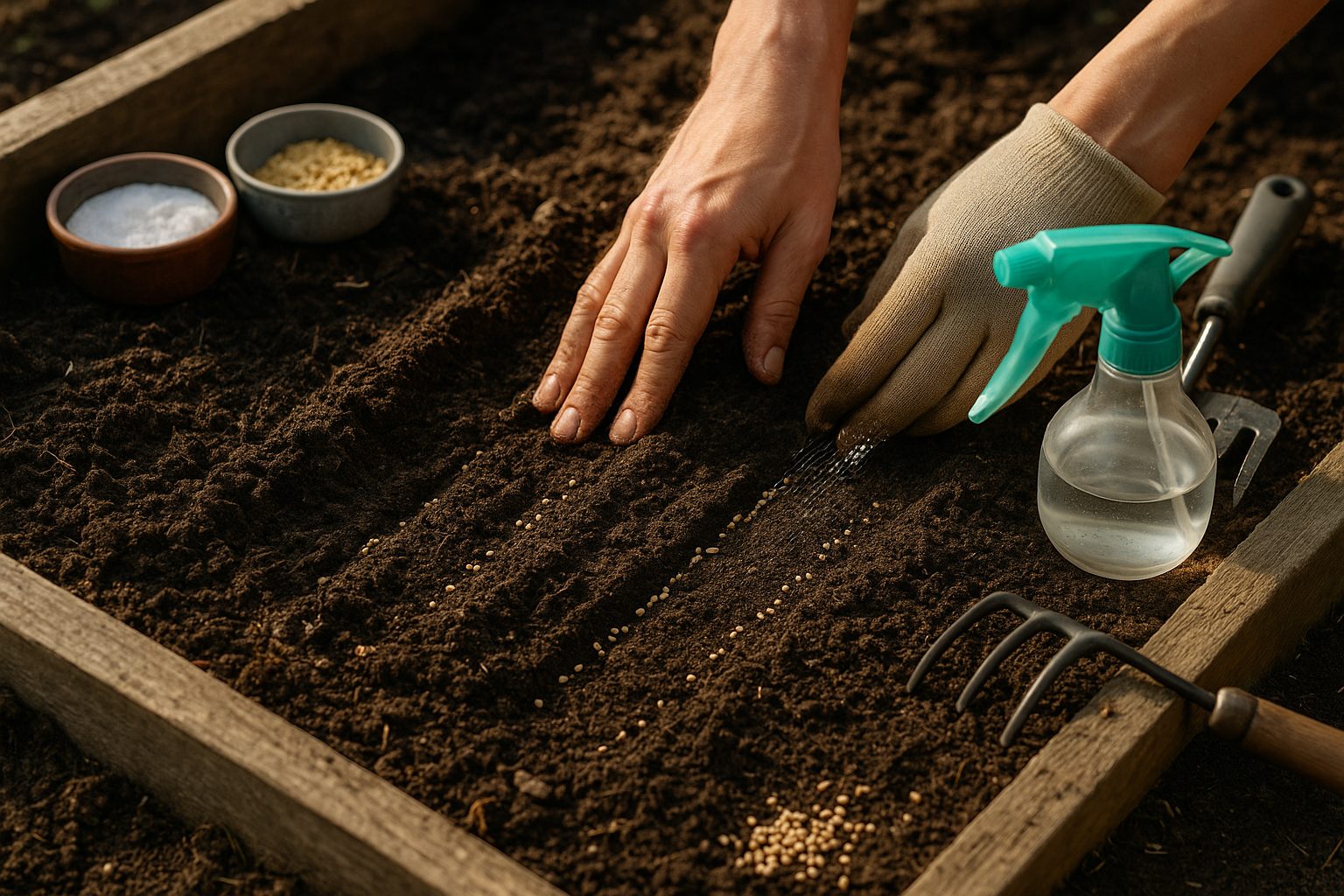
Before planting, remove any rocks, weeds, or old roots, then lightly rake the soil for a fine, crumbly texture. If you’re working in pots or containers, use a high-quality vegetable potting mix and don’t forget to check for drainage holes to prevent soggy roots.
For direct sowing, sprinkle arugula seeds about 1/4 inch deep and an inch apart in rows spaced 6–12 inches apart for good airflow. Keep soil consistently moist but not waterlogged—an easy way is to mist with a spray bottle daily until seedlings emerge.
If you prefer transplanting, start seeds indoors 2–3 weeks before the last frost, then gently set seedlings outside when they have at least two true leaves, spacing them about 4–6 inches apart.
To avoid crowding, thin direct-sown seedlings once they reach a couple of inches high, eating the tender extras as microgreens. Whether in the ground or a pot, mulching around plants helps conserve moisture and reduce weeds—just keep it a bit away from stems.
With these simple steps, you’ll give arugula the healthy start it needs for rapid, tasty growth.
Watering, Sunlight, and Temperature Needs
Arugula thrives with plenty of direct sunlight, needing at least 4 to 6 hours of sun per day for robust growth. However, it can tolerate partial shade—especially in hotter climates where afternoon sun gets intense. Position your pots or garden beds where arugula gets morning sun, which is less harsh, and shield it with light shade cloth or taller companion plants in the afternoon if you’re growing in midsummer.
Watering is another key to success. Aim to keep the soil consistently moist but not waterlogged; a good rule is to water deeply whenever the top inch of soil feels dry to the touch. Watch for drooping, limp leaves as a sign of underwatering, while yellowing leaves or mushy stems may point to excess moisture. To avoid problems, use well-draining soil and always water at the base, ideally in the morning to minimize disease risk.
In terms of temperature, arugula prefers cooler weather, thriving in a range between 45°F and 75°F (7°C to 24°C). It can tolerate a light frost, making it suitable for early spring or fall sowings, but prolonged heat above 80°F (27°C) can cause it to bolt—that is, flower and go to seed prematurely, which makes the leaves bitter. During unexpected hot spells, provide temporary shade with garden fabric or move containers into cooler spots.
Humidity isn’t usually an issue, but good air circulation helps prevent fungal diseases. For cold snaps, protect young plants with a simple row cover or cloche. These small steps will help ensure your arugula stays flavorful and healthy throughout the growing season.
Caring for Arugula – Pests, Diseases & Maintenance
Growing arugula can be very rewarding, but like many leafy greens, it’s prone to a handful of pests and diseases. Two of the most common offenders are flea beetles—those tiny jumping beetles that riddle leaves with small holes—and aphids, which cluster on stems and undersides, sucking sap and weakening plants.
To prevent infestations, try using floating row covers to create a barrier early in the season, and encourage beneficial insects like ladybugs in your garden. For a safe, homemade treatment, spray a gentle soap-and-water solution onto aphids, or dust a little food-grade diatomaceous earth around plants for flea beetles.
Arugula is also susceptible to fungal diseases like downy mildew and powdery mildew, especially in warm, damp weather. Water at the base of the plants early in the day to keep leaves dry, and make sure there’s ample airflow by giving each plant enough space—thinning seedlings so they’re about four to six inches apart makes a big difference.
Regularly remove weeds to cut down on competition and hiding spots for pests, and trim away yellow or older outer leaves to keep the plant focused on healthy growth. Crop rotation each year further limits the buildup of soil-borne diseases.
With a bit of vigilance and care, you’ll find that arugula bounces back quickly from most minor setbacks, delivering spicy, fresh leaves throughout the season.
Harvesting and Storing Arugula
For the tastiest arugula, harvest leaves when they’re young and tender—typically about 3 to 4 inches long—which usually happens 3 to 5 weeks after sowing. Young leaves offer a milder, nutty flavor, while mature ones can turn spicy or even bitter.
Pick arugula in the cool early morning to keep leaves crisp. Use clean scissors or your fingers to snip outer leaves, leaving the center intact; this “cut-and-come-again” method encourages continual regrowth for several weeks.
Once harvested, rinse leaves gently under cold water to remove dirt and tiny insects, then dry thoroughly using a salad spinner or by patting with a clean kitchen towel—excess moisture leads to sliminess.
For short-term storage, wrap dry arugula loosely in a paper towel and tuck it into a perforated plastic bag or a storage container in the refrigerator’s crisper drawer. This way, arugula stays fresh for up to a week.
If you’ve gathered more than you can use, arugula can also be frozen: briefly blanch the leaves in boiling water for about 30 seconds, chill in an ice bath, then pat dry and store in freezer bags. While frozen arugula loses its crispness, it’s great for tossing into cooked dishes, pestos, or smoothies.
Whether enjoyed raw in salads and sandwiches, layered on pizzas after baking, or stirred into pasta for a peppery kick, freshly harvested arugula brings bold flavor and versatility to countless meals.
Conclusion & Quick Growing Tips
Growing arugula is a rewarding project for gardeners of all levels, thanks to its quick growth and minimal fuss. Start by sowing seeds in well-draining soil and keep them consistently moist, especially during germination. Plant in early spring or fall for the best flavor, as hot weather can make leaves bitter or cause bolting.
Arugula thrives in partial shade but can also handle full sun if watered regularly. thin seedlings when they’re a couple of inches tall to promote airflow and healthier plants. Harvest leaves while they’re young for a milder, more tender taste—simply snip the outer leaves and let the inner ones keep growing.
Watch out for flea beetles; row covers or a light dusting of diatomaceous earth can help protect your crop. Don’t be afraid to experiment with succession planting, trying new varieties, or even growing arugula in containers for a continual harvest.
Gardening is all about learning, so give arugula a shot and tweak your approach as you go. If you have favorite tips or stories from your own arugula patch, we’d love to hear about them—share your experience in the comments to help inspire others!