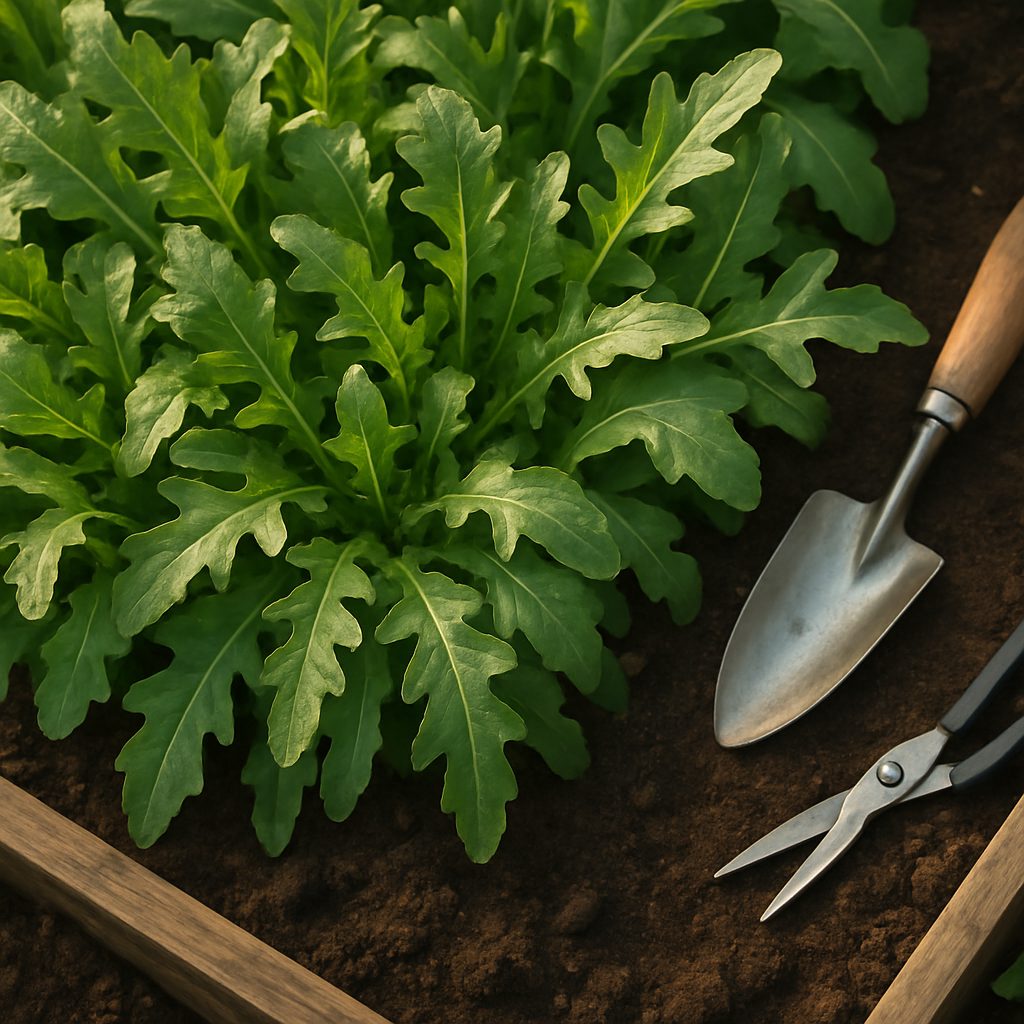
What is Arugula?
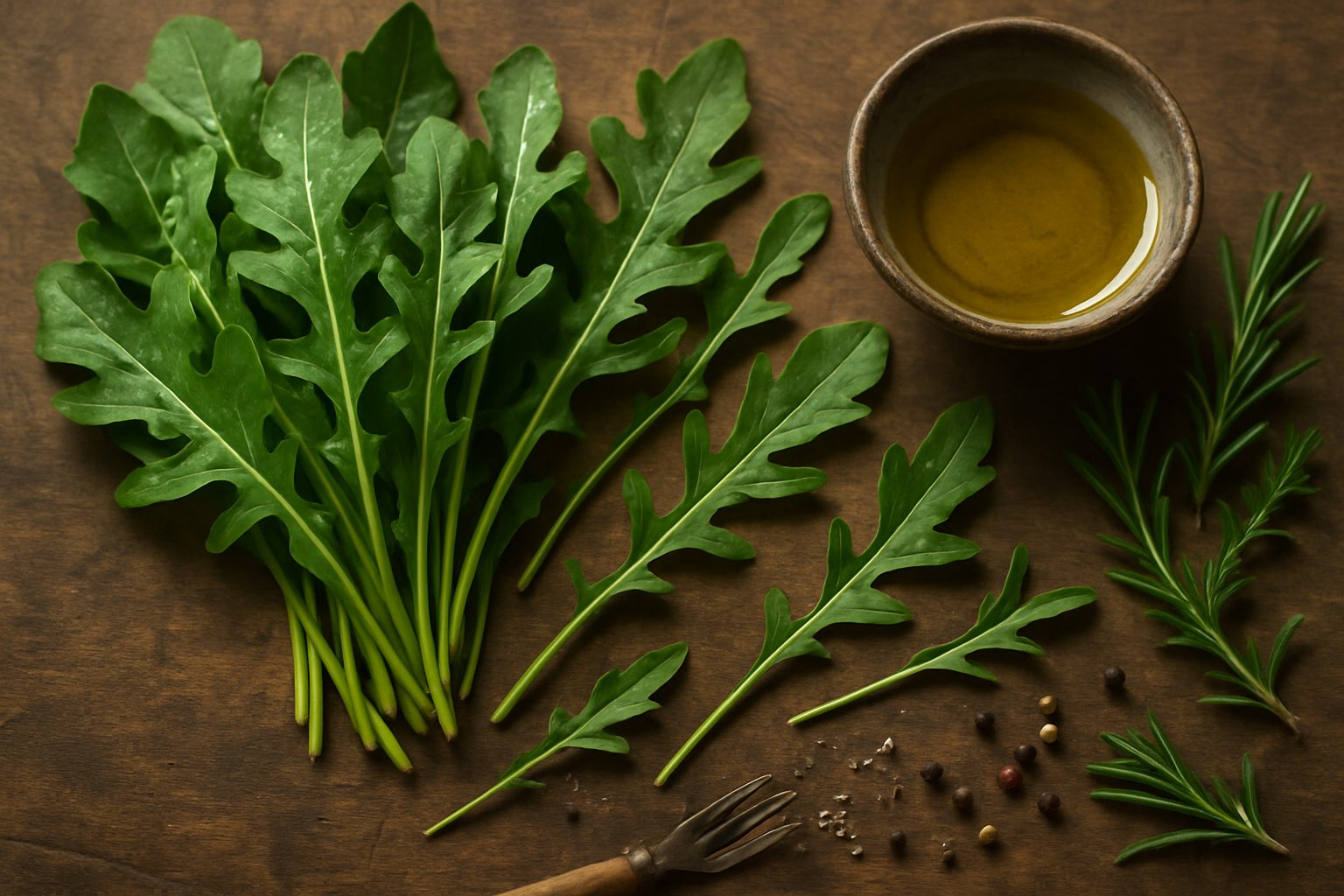
Arugula diseases can quickly turn a patch of this tender green from thriving to struggling, making it important for gardeners and food lovers alike to understand the plant behind the problems. Also known as rocket or rucola, arugula is a leafy vegetable prized for its peppery bite and delicate, slightly nutty flavor.
Though it may look like just another salad green, arugula has an elegant, elongated leaf shape and a vibrant green color that brings fresh visual appeal to any dish. Originating from the Mediterranean region, arugula has been enjoyed for centuries—both as a culinary herb and for its supposed medicinal properties.
Its assertive flavor and versatility have made it beloved not just across Europe but also in North America and beyond, where it turns up in salads, pestos, pizzas, and sandwiches.
Types of Arugula
There are two main types of arugula: wild and cultivated. Wild arugula tends to have a more intense flavor and deeply lobed leaves, while the cultivated variety (Eruca sativa) is milder and more tender, making it the top choice for mass-market greens.
Wild arugula usually grows in rougher conditions and is more resilient, while cultivated arugula is grown for its softer leaves and faster growth. Both varieties, however, can fall prey to a variety of arugula diseases that can affect their growth and quality.
Understanding what makes arugula unique, and the subtle distinctions between its wild and cultivated forms, sets the stage for learning how to keep your rocket healthy and your salads bursting with vibrant flavor.
Nutritional Value and Health Benefits
Arugula is a nutritional powerhouse, packing a surprising amount of vitamins, minerals, and beneficial plant compounds into its peppery leaves. It’s an excellent source of vitamin K, which is essential for healthy bones and proper blood clotting, and also provides generous amounts of vitamin C and vitamin A to support immune function and vision.
In terms of minerals, arugula offers calcium for bone health, potassium to help manage blood pressure, and magnesium for muscle and nerve support. But what really makes arugula stand out is its rich content of phytonutrients, especially glucosinolates—sulfur-containing compounds also found in cruciferous vegetables like broccoli and Brussels sprouts.
These glucosinolates give arugula its distinctive mustardy flavor and are linked to cancer-fighting properties due to their ability to neutralize carcinogens and support the body’s natural detoxification processes. Arugula’s chlorophyll, flavonoids, and carotenoids also act as antioxidants, protecting your cells from damage caused by free radicals and reducing inflammation.
Including arugula in your diet may contribute to better heart health by lowering cholesterol and supporting healthy blood vessels. It can also aid digestion with its fiber content and mild bitterness, which can stimulate bile production.
For a simple way to enjoy these benefits, toss a handful of fresh arugula into salads, sandwiches, or pasta dishes for both flavor and a nutritional boost. Even just a cup a day can make a difference—its unique nutrient profile truly sets arugula apart from more familiar greens like spinach or romaine.
Common Diseases and Problems Affecting Arugula
Arugula is a hardy leafy green, but it can still fall prey to a handful of frustrating diseases and problems that impact its vigor and yield.
Bacterial leaf spot is a frequent offender, showing up as small, dark, water-soaked spots that eventually turn brown and make leaves appear tattered—especially after rain or overhead watering.
Black rot, caused by the bacterium Xanthomonas campestris, creates yellow V-shaped lesions at leaf edges, leading to leaf wilt and rapid decline, particularly in warm, humid weather.
Downy mildew thrives in cool, wet environments, covering leaves in a pale gray or white fuzzy coating on the undersides, and leaves may yellow, curl, and die back quickly.
Powdery mildew is easily spotted by white, powdery patches on leaf surfaces, which can spread and stunt plant growth if not managed, often amplified by poor air circulation or overcrowding.
White rust, though less common, creates white blister-like growths or pustules on the leaf surface and causes distorted or stunted leaves.
Beyond diseases, arugula is also susceptible to stress from insect pests such as flea beetles (causing tiny shot-hole damage) or aphids (leading to wilting and sticky leaves), as well as from environmental factors like inconsistent watering, nutrient-poor soil, or extreme temperatures.
Prevention and Care Tips
- Aim for well-draining soil.
- Avoid overhead watering to reduce leaf wetness.
- Provide good airflow by spacing plants properly.
- Rotate crops to prevent soil-borne pathogens.
- Regularly inspect leaves for early symptoms and promptly remove affected foliage.
Following these practices can make a significant difference in avoiding disease spread and ensuring a healthy arugula patch.
Prevention and Treatment: Keeping Arugula Healthy
Keeping your arugula healthy starts with smart gardening habits designed to prevent common diseases from taking hold in the first place.
crop rotation is essential—avoid planting arugula or any other brassica family members (like kale or broccoli) in the same spot each year to reduce the risk of soil-borne diseases.
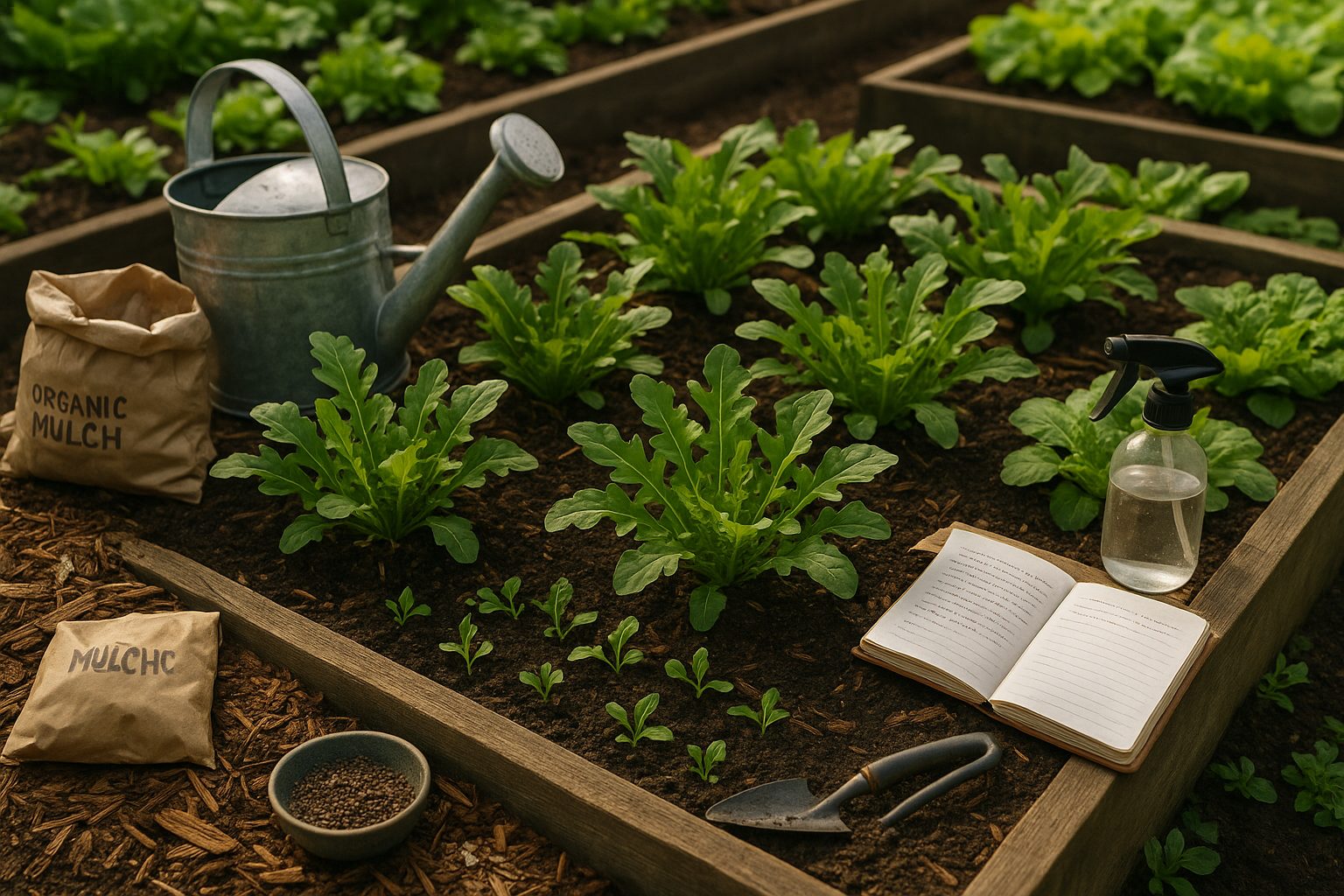
Good soil management also plays a big role: mix in plenty of compost or well-rotted manure to boost soil health and drainage, and consider adding mulch to help control moisture and weed growth.
When planting arugula, leave enough space between plants (about 6–8 inches) to encourage airflow, which helps prevent fungal problems like downy mildew.
Water early in the day, and try to direct water at the base of the plants rather than on the leaves, since wet foliage is more vulnerable to disease.
If you do notice symptoms such as yellow or wilting leaves, powdery coatings, or dark spots, act quickly to remove affected leaves to prevent the spread.
For organic control, options like neem oil spray, copper fungicides, or homemade solutions (such as a mild baking soda spray) can be effective against common problems like mildew or leaf spots.
If opting for chemical treatments, always read the label and ensure the product is safe for edible greens.
One quick tip: keep a gardening journal with photos—documenting changes in your arugula’s appearance can help you catch patterns and identify issues faster next season.
- Regularly inspect the undersides of leaves (where many issues start).
- Never compost diseased plant material.
By staying attuned to early warning signs and giving your arugula the best possible growing conditions, you’ll not only avoid most disease problems but also enjoy healthier, more productive plants all season long.
Uses and Enjoyment of Arugula
Arugula is a kitchen superstar thanks to its peppery bite and bright, zesty flavor, making it a favorite in a range of dishes—from simple salads to creative entrees. Toss a handful of fresh arugula into a salad for a spicy, green crunch; it pairs especially well with sweet flavors like cherry tomatoes, juicy pears, or dried cranberries, as well as creamy extras such as goat cheese or avocados.
Arugula isn’t just for raw salads, either—it’s also delicious wilted into warm pastas, stirred into risottos, or added as a last-minute topping on pizzas to bring a fresh contrast to rich ingredients. Many cooks love spinning arugula into homemade pesto with garlic, nuts, and olive oil for a unique twist on the traditional basil version. Thinly layered arugula amps up sandwiches and wraps, adding both taste and nutrients. Its robust, slightly bitter notes complement salty, savory foods—for example, arugula and prosciutto is a classic Italian pairing.
Despite its benefits, here are a few notes of caution:
- Arugula belongs to the brassica family, so some people with sensitivities to cruciferous vegetables (like broccoli or kale) may experience digestive discomfort.
- Arugula contains vitamin K, which can interact with blood-thinning medications, so check with your healthcare provider if you have relevant concerns.
Overall, arugula’s versatility and vibrant flavor profile invite endless kitchen creativity, making it a worthy addition to any cook’s repertoire.
Cultivation Tips for Home Gardeners
Growing arugula at home is surprisingly easy and rewarding, especially for beginners or those with limited gardening space. Arugula thrives best in well-draining, fertile soil rich in organic matter, so mix in compost before planting.
It loves full sun but tolerates partial shade, especially during hot afternoons, to prevent leaves from turning bitter. Water your arugula consistently—aim for moist but never soggy soil—as irregular watering can cause tough, spicy leaves or lead to bolting, where the plant goes to seed early.
For most varieties, sow seeds directly into the garden or a container about a quarter-inch deep, spacing them an inch apart; thin seedlings later to encourage leafy, healthy growth. Don’t wait too long to harvest; the youngest leaves (around 2–3 inches) have the best flavor, while mature leaves can become peppery and tougher.
If you notice slow growth, check for compacted soil or low light—loosen the soil and move containers to a sunnier spot if needed. For poor flavor, ensure that arugula isn’t too crowded and that you’re harvesting before plants bolt.
Container gardening works well for arugula; choose a pot at least six inches deep with good drainage, and use quality potting mix. Even a sunny balcony or windowsill can yield a fresh crop!
Keep an eye on pests like flea beetles—row covers or regular inspection help protect your greens. By staying attentive to these basics, you’ll enjoy crisp, zesty arugula in no time.
Conclusion: Why Grow and Enjoy Arugula?
Arugula isn’t just another leafy green—it’s a powerhouse of nutrition and flavor that can elevate your meals and support your overall wellness. Packed with vitamins A, C, and K, as well as antioxidants, arugula helps boost immunity, strengthen bones, and promote heart health. Its peppery bite adds excitement to salads, sandwiches, and even homemade pizzas, making healthy eating genuinely enjoyable.
Growing arugula at home is surprisingly easy; it thrives in small spaces and matures quickly, so you can have fresh, delicious leaves just weeks after planting seeds in a pot or garden bed. Whether you’re a seasoned gardener or just starting out, this resilient plant is a rewarding addition to any kitchen garden.
Start sprinkling arugula into your daily meals and discover how effortless—and tasty—it can be to nurture your body with homegrown goodness.