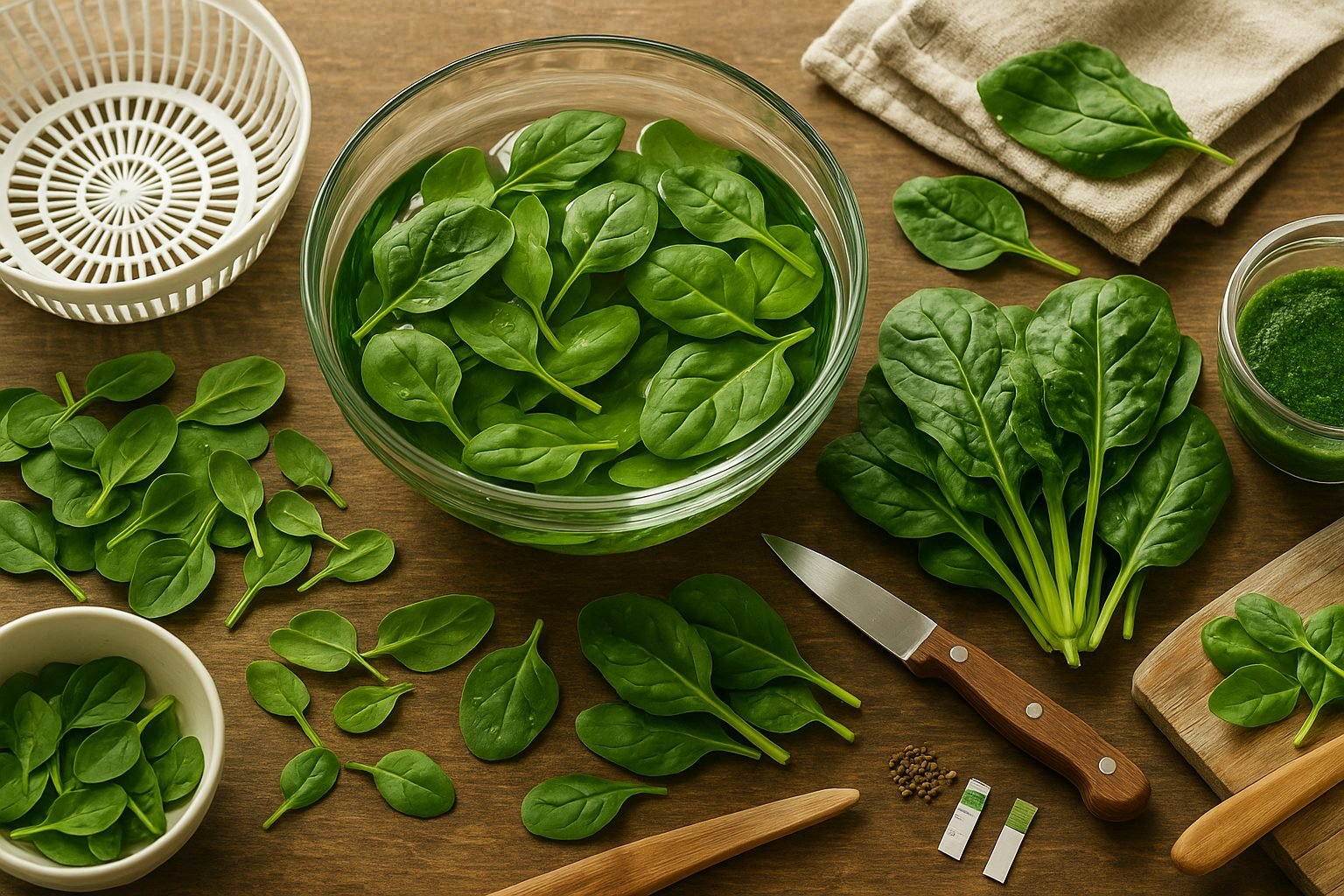
How to Prep and Wash Spinach
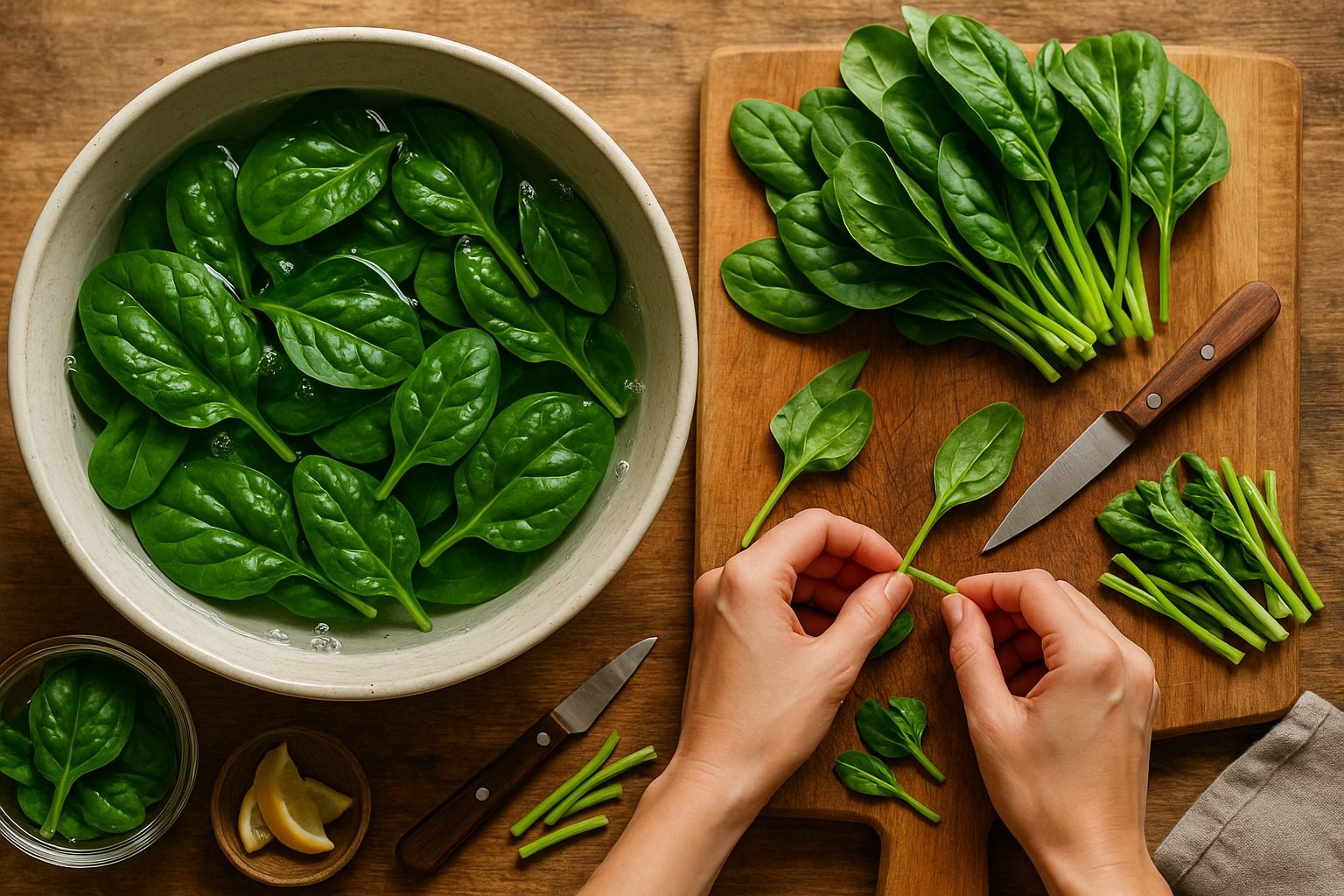
Cooking with spinach straight from your garden promises vibrant flavors and maximum nutrition, but preparing those beautiful greens properly is key to a great meal. Whether you’re working with delicate baby spinach or heartier mature spinach bunches, a few simple steps will help ensure your dish is grit-free and delicious.
Baby spinach leaves are small, tender, and usually sweeter, making them perfect for salads or quick sautés. Mature spinach bunches, on the other hand, have larger, firmer leaves with thicker stems that might need a little extra attention, especially when it comes to cleaning and prepping.
Washing Spinach
To start, give your spinach a gentle shake to dislodge loose dirt, then separate the leaves from any clumped soil. Fill a large bowl with cold water and submerge the spinach, swirling the leaves gently with your hands. Allow the leaves to sit for a minute so the grit has a chance to sink.
Lift the spinach out—not the water—and repeat this process with fresh water until no sand remains, usually two to three rinses.
Prepping Mature Spinach
For mature spinach, snap or trim off the tough stems by bending them until they break naturally or use a small knife along the base of each leaf.
Drying and Storing
Once clean, spin the leaves dry in a salad spinner or pat gently with a clean towel; moisture can cause spoilage. To store, wrap dry spinach in a paper towel inside a zip-top bag or airtight container and refrigerate—this will keep it fresh and crisp for up to a week, making cooking with spinach straight from your garden both easy and rewarding.
Cooking Methods for Spinach
Spinach is wonderfully versatile and cooks in mere minutes, making it perfect for quick meals. Sautéing is a classic method: just heat a little olive oil or butter in a pan, add fresh or thawed spinach, and cook for 1–3 minutes until wilted. Toss in minced garlic or a squeeze of lemon juice for extra flavor, but watch closely—spinach goes from vibrant to soggy fast if overcooked.
Steaming is another gentle option; place spinach in a steamer basket over simmering water, cover, and steam for about 2 minutes. This preserves more nutrients and keeps the leaves tender, but be sure to remove it from heat as soon as it softens to avoid a mushy texture.
Boiling is quick (just a minute or two in boiling water), but you’ll want to drain and squeeze out excess moisture right away, as spinach absorbs water easily and can become watery.
For ultra convenience, microwaving works too: place spinach in a microwave-safe bowl with a splash of water, cover, and zap for 1–2 minutes.
Whichever method you choose, seasoning is key—try salt, pepper, nutmeg, or even red pepper flakes, and don’t skimp on healthy fats like a drizzle of olive oil or a little butter to enhance flavor and help your body absorb spinach’s nutrients.
Remember, spinach loses a lot of volume as it wilts—what looks like a mountain of leaves turns into just a handful, so start with more than you think you need.
Both fresh and frozen spinach work well in these methods; frozen is already blanched, so just sauté or add directly to soups and stir-fries. Avoid overcooking or letting spinach sit in liquid too long, as that leads to bland, soggy greens.
With a few simple techniques and flavorful additions, you can make spinach a tasty and healthy side dish any night of the week.
Flavor Pairings and Serving Suggestions
Bringing out the best in your dish often comes down to thoughtful flavor pairings and simple additions you probably already have at home. A squeeze of lemon juice can brighten up sautéed vegetables, while a sprinkle of grated cheese—think Parmesan or feta—adds richness and a salty kick. Garlic sautéed with a little olive oil creates a savory foundation, and chopped nuts like almonds or walnuts bring crunch and depth. Spices like nutmeg, chili flakes, or smoked paprika can turn bland greens or grains into something memorable.
Classic combinations like adding cooked vegetables to eggs (try them in a quick quiche, frittata, or omelet) make for a satisfying breakfast or light dinner. Toss roasted veggies with cooked pasta and a drizzle of pesto, or serve them alongside roasted chicken for a hearty meal. Grains like quinoa, farro, or rice pair beautifully when mixed with sautéed spinach, mushrooms, or caramelized onions.
For versatile serving ideas, use leftover roasted vegetables in a warm salad with arugula and balsamic dressing, or layer them into casseroles for extra color and nutrition. Simmer greens in soups for a nutrient boost, or top a slice of toasted bread with a mix of sautéed veggies and a poached egg for a simple lunch.
By mixing and matching these everyday flavors and dishes, you’ll keep meals exciting and never feel stuck in a rut.
Easy Sautéed Spinach Recipe
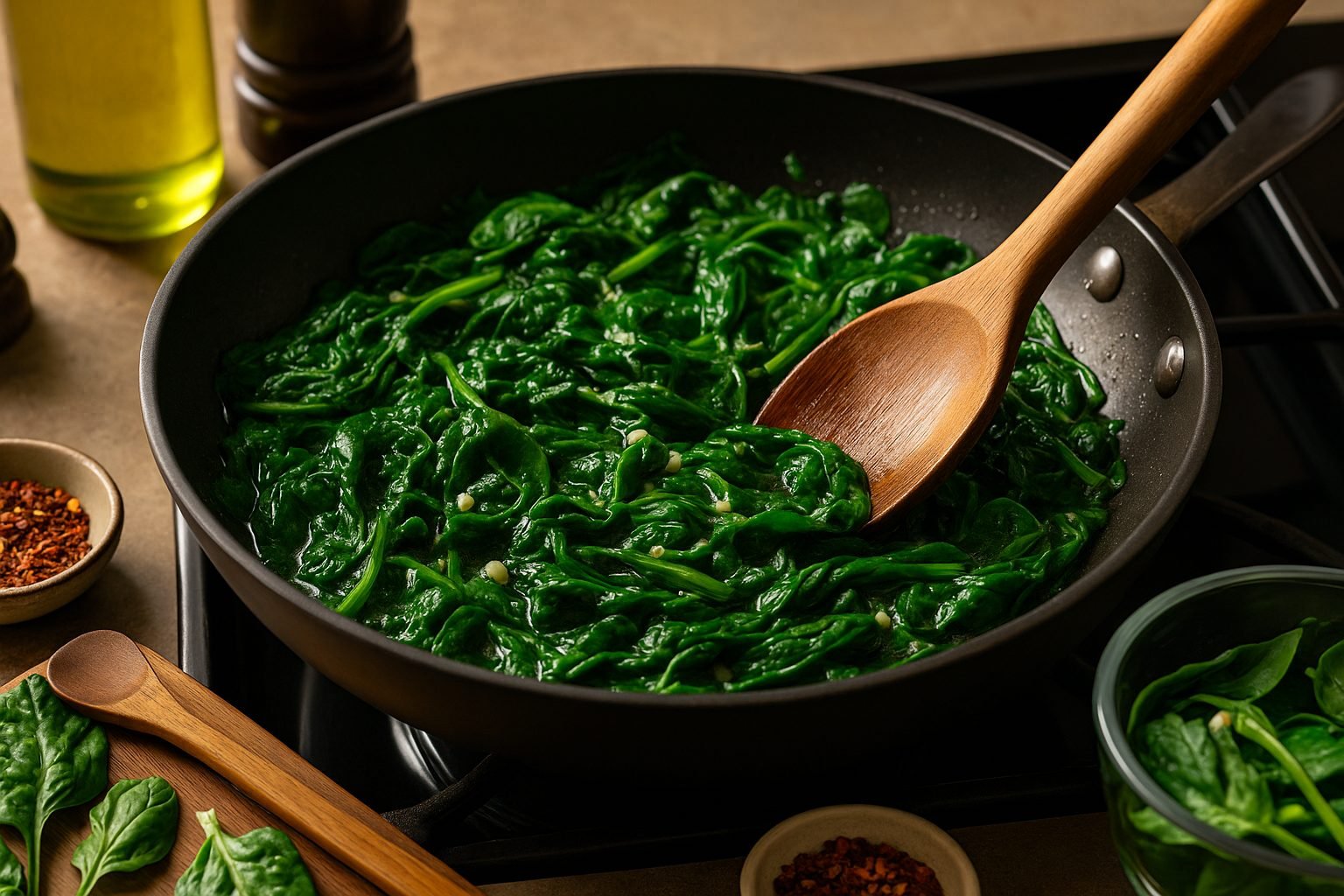
Sautéed spinach is a quick, healthy side that comes together in under 10 minutes with just a few ingredients. Start by heating 1-2 tablespoons of olive oil in a large skillet over medium heat. Add 2-3 minced garlic cloves and cook for about 30 seconds until fragrant—be careful not to let them brown.
Next, pile in a washed, well-dried bag of baby spinach (about 10 ounces or two large handfuls). Use tongs to turn the spinach as it wilts; it’ll shrink dramatically in just a few minutes. Once the leaves are bright green and wilted—usually after 2-3 minutes—remove from heat immediately to prevent overcooking and sogginess.
Optional Add-Ins for Extra Flavor
For extra flavor, toss in thinly sliced onions or mushrooms when you cook the garlic; they’ll soften as the spinach cooks. Sprinkle in a pinch of crushed red pepper for a gentle kick, or finish with a handful of grated Parmesan, feta, or goat cheese just before serving.
Tips for Cooking Larger Batches
- If cooking for a crowd or prepping meals ahead, remember spinach reduces a lot—one 10-ounce bag serves two people, so scale up as needed.
- To avoid excess liquid, make sure your spinach is as dry as possible before adding to the pan.
- Cook in batches if your skillet is small, and drain off extra moisture with a slotted spoon as needed.
This versatile recipe is easy to double, customize, and serve alongside almost any main dish.
More Delicious Recipes Featuring Spinach
Spinach is a versatile green that shines in all kinds of dishes, whether you want something light, indulgent, or easy to prep ahead. Here are some popular spinach recipes to add to your rotation:
- Spinach Quiche: A classic brunch favorite that’s perfect for meal prep—simply bake, slice, and reheat for quick weekday breakfasts.
- Creamed Spinach: Rich, creamy, and surprisingly easy to make in under 20 minutes, it’s a crowd-pleasing side for any dinner.
- Spinach Lasagna: Layer cooked spinach with tangy tomato sauce and gooey cheese for a family-friendly meal that freezes well and can feed a crowd.
- Spinach Smoothies: Sneak a handful of raw spinach into your morning smoothie with fruits like banana and pineapple—you’ll hardly taste it, but your body will thank you.
- Spinach Dips: Whether baked or served cold, spinach-based dips mix easily with cream cheese or Greek yogurt for snack-ready spreads at parties or movie nights.
Don’t be afraid to get creative and try spinach in unexpected ways. Stuff a chicken breast with spinach and feta before baking for an impressive yet fuss-free dinner. Or, whip up savory spinach muffins for a portable breakfast or snack—they’re a hit with kids and perfect for busy mornings.
For fast weeknights, toss a handful of fresh or frozen spinach into your favorite stir-fry or fried rice in the last few minutes of cooking. These ideas make it easy to eat more greens and keep meals interesting, so don’t hesitate to experiment and find your new favorite spinach dish!
Tips for Storing and Using Leftover Spinach
Keeping your spinach fresh starts with proper storage: as soon as you get home, wash and dry the leaves thoroughly. Wrap them loosely in a paper towel to absorb extra moisture, then place them in a resealable bag or container before refrigerating. This helps prevent sogginess and sliminess, which can turn spinach off in just a few days.
For longer storage, freeze spinach by blanching the leaves for a minute, plunging them into ice water, squeezing out the moisture, and packing them into freezer bags.
When it comes to using cooked or leftover spinach, don’t let it languish in the fridge. Here are some easy ideas:
- Toss a handful into your morning smoothie for a nutrient boost.
- Fold it into a fluffy omelet.
- Stir it into hot pasta with olive oil and garlic.
- Add it straight to soups or stews for extra greens.
- Mix leftover spinach with ricotta for a speedy stuffed pasta shell dish.
- Layer it on top of homemade pizza before baking.
- Simply sauté with garlic and olive oil for a tasty side in minutes.
These no-fuss ideas ensure spinach never goes to waste and adds wholesome greens to your meals effortlessly.
Conclusion
Spinach is much more than just a leafy green—it’s a powerhouse of essential vitamins, minerals, and antioxidants that support everything from heart health to glowing skin. Its mild flavor and tender texture make it incredibly versatile, whether you’re blending it into smoothies, sautéing it with garlic, or tossing it fresh into salads.
Don’t be afraid to get creative: try swapping spinach into your favorite pasta dish, stir it into a warm soup, or bake it in savory muffins for a nutritious twist. By adding more spinach to your meals, you’ll boost both flavor and nutrition without much effort.
Remember, the best way to make healthy eating a habit is to keep exploring and trying new recipes. Bookmark this post so you can revisit these ideas anytime you need a little mealtime inspiration—you’ll be amazed at how easy and delicious healthy cooking can be.