Introduction
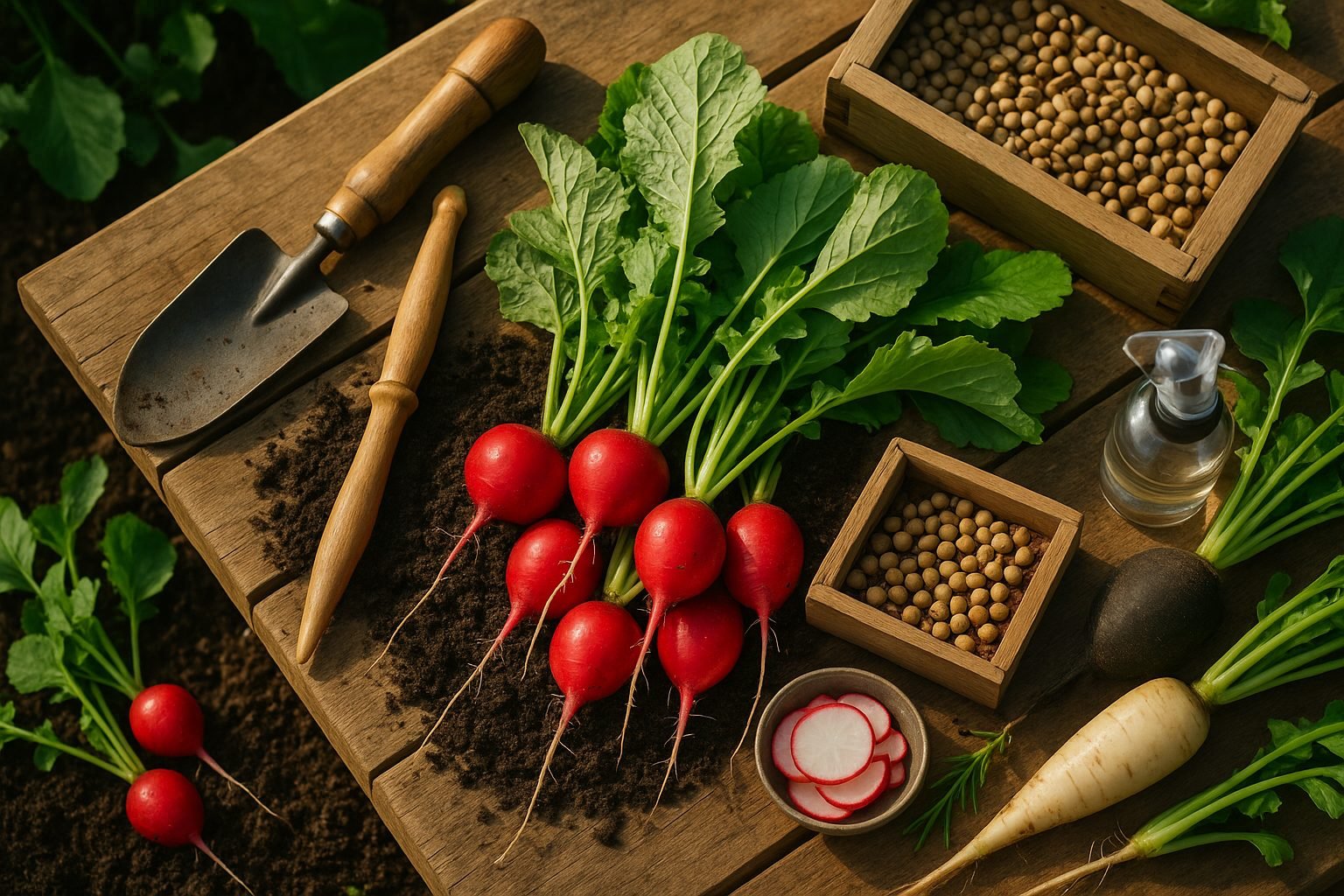
radish gardening tools make all the difference when you’re growing this crispy, colorful veggie in your backyard or even on your balcony. Radishes are popular with both new and experienced gardeners—they germinate quickly, mature in just a few weeks, and require minimal care. But even though they’re beginner-friendly, having the right tools on hand can boost your chances of a bountiful, healthy harvest.
The right gardening equipment helps you sow seeds evenly, loosen compacted soil for better root growth, and harvest your radishes without damage. Imagine effortlessly pulling up perfectly shaped radishes with a well-chosen hand fork or saving time (and your back) with an ergonomic hoe. In this post, we’ll guide you through the most useful radish gardening tools—from seed planters to soil testers. Whether you’re working with a small garden bed or a few containers on a sunny patio, these tips and recommendations will help you grow radishes more easily and successfully.
Essential Hand Tools for Sowing Radish Seeds
When sowing radish seeds, using the right hand tools can make all the difference in achieving a successful harvest. Seed drills, dibblers, and trowels are some of the most useful radish gardening tools, especially for creating perfectly even rows of seedlings.
Seed drills are handy precision devices that create uniform furrows, drop seeds at consistent intervals, and often cover them with soil—all in one smooth motion. They’re an excellent choice if you want to plant long rows of radishes efficiently, ensuring each tiny seed has ideal spacing to mature without overcrowding.
For gardeners who prefer a more hands-on approach, dibblers—a pointed stick or rod—allow you to poke evenly spaced holes at the right depth before placing seeds. This method is especially useful for smaller patches or container gardens. Meanwhile, trowels are classic tools for digging small trenches or furrows to the recommended ½-inch depth for radish seeds. They’re also perfect for gently backfilling soil without disturbing the seeds.
The secret to healthy, robust radishes lies in consistently shallow planting and providing enough space between seeds, since radishes tend to bolt or grow misshapen if overcrowded. These tools help you follow those guidelines quickly and accurately, cutting down on thinning tasks later on.
When choosing radish gardening tools, prioritize comfort and durability. Look for hand tools with ergonomic handles, especially if you garden often or have sensitive wrists. Stainless steel blades or tips resist rust and stand up to repeated contact with damp soil.
For seed drills or dibblers, make sure they have adjustable depth settings or clear measurement markings—this ensures you’re planting just deep enough, which is generally about ½ inch for radish seeds. Finally, choose tools sized for fine, small seeds rather than large planting jobs; a wide-headed trowel designed for bulbs, for example, is overkill for radishes and can lead to wasted seed.
Properly selected, high-quality hand tools will make sowing radishes easier, more enjoyable, and much more productive.
Soil Preparation Tools
Getting your soil just right is essential for growing crisp, healthy radishes, as their roots need to push easily through loose, well-drained earth. Compact or rocky soil can lead to misshapen radishes or poor yields, so investing in the right radish gardening tools for soil preparation pays off.
Digging forks are a classic choice for loosening and aerating soil; their sturdy tines break up clumps while being gentle enough to avoid damaging future crops below the surface. If you’re working in small garden beds or raised boxes, consider a mini digging fork, which offers better maneuverability in tight spaces and less strain on your wrist.
Hand cultivators—those claw-like tools—excel at working through the top few inches of soil, mixing in compost, and disturbing weeds. They’re perfect for fine-tuning beds where you’ll direct-sow radish seeds, ensuring even texture and nutrient distribution.
For gardeners battling persistent weeds, a hoe remains indispensable. Draw hoes or stirrup hoes slice through weeds and create shallow furrows for planting, helping clear the way for your radish rows. Look for models with ergonomic handles, cushioned grips, or adjustable lengths—these features make the repetitive work of prepping rows more comfortable and reduce fatigue, especially when tending raised beds or vertical planters.
Lightweight aluminum or stainless steel tools are durable and less likely to rust, which is crucial if you often work with moist soils. Many urban gardeners prefer short-handled cultivators or hand shovels with soft-touch handles—these allow for precise digging and mixing in confined spaces, such as container gardens or balcony boxes.
Ultimately, the best soil preparation tool for your radish patch depends on your garden’s size and your comfort. A well-chosen fork, cultivator, and hoe will make prepping beds faster and help ensure plump, consistent radish harvests.
Watering Tools for Healthy Radish Growth
Radishes grow quickly and have shallow roots, so consistent, even watering is essential for success. When choosing radish gardening tools for watering, look for options that deliver a gentle flow to avoid disturbing delicate seedlings or compacting the soil.
Watering cans with fine roses (sprinkler heads) are perfect for small beds or containers, as they distribute water evenly without washing away seeds or young plants. For slightly larger gardens, a hose attachment with a gentle shower setting can cover wider areas softly, saving you time while protecting your radishes’ tender tops.
Drip irrigation systems are ideal for gardeners who want to reduce effort while maximizing efficiency. These systems deliver small, steady amounts of water directly at the soil level, reducing evaporation and keeping leaves dry, which helps prevent fungal issues.
Regardless of the tool you choose, always water radishes in the early morning or late afternoon to limit evaporation and avoid scorching the leaves. Aim to keep the soil consistently moist but never soggy—overwatering can lead to root rot.
A useful tip: check soil moisture by pressing your finger about an inch into the soil. If it feels dry, it’s time to water. Watch out for puddling or yellowing leaves, which are signs of overwatering. By using the right tools and fine-tuning your watering approach, you’ll set your radish crop up for healthy, robust growth.
Weeding and Thinning Tools
Regular weeding and thinning are essential for growing healthy, robust radishes with optimal yields. Weeds compete with radishes for water, nutrients, and sunlight, quickly overtaking young seedlings in crowded garden beds. Thinning is just as important, ensuring each radish plant has enough space to develop plump, flavorful roots instead of becoming stunted or misshapen.
To handle these tasks efficiently, radish gardeners rely on a few essential radish gardening tools designed for small-scale work. Hand weeders, like the classic dandelion weeder or a forked hand tool, let you gently pry up weeds at the roots without disturbing the radishes’ shallow stems. For slightly larger areas, a small hoe—such as a mini stirrup or scuffle hoe with a lightweight, ergonomic handle—helps you glide just under the surface to slice through young weeds before they take hold.
When thinning tender radish seedlings, precision scissors or snips are invaluable. Choose spring-action or fine-tipped models to quickly trim excess plants without jostling the roots of those you want to keep. For gardeners wanting to save time and reduce hand strain, tools with cushioned, non-slip grips and rust-resistant blades make regular maintenance far easier.
Investing in a few of these ergonomic and efficient radish gardening tools means spending less time on your knees and more time harvesting crisp, delicious radishes throughout the season.
Harvesting Tools for Radishes
When it comes to harvesting radishes, having the right radish gardening tools can make all the difference in preserving the shape and flavor of your crop. Sharp, clean tools—like garden knives, snips, and small hand forks—are essential to avoid bruising or breaking the tender roots as you remove them from the soil. Dull or dirty tools can tear the radishes or accidentally pull up surrounding plants, so always opt for well-maintained equipment.
Garden knives are perfect for slicing through compacted soil, while snips or hand pruners work best in tight beds or containers where precision is key. A small hand fork is especially handy for gently loosening the soil around the base of larger radish varieties, allowing you to lift them without disturbing their delicate flesh.
When harvesting, insert your tool carefully a few inches away from the radish’s base and loosen the surrounding soil with minimal force before pulling up the root by its greens. To keep your radish gardening tools in top condition, rinse off soil immediately after use and dry them thoroughly to prevent rust. Wipe blades with rubbing alcohol before storing to reduce disease risks, which is particularly important for succession plantings.
Regular sharpening and occasional oiling of metal parts will also help extend the lifespan of your tools. With these simple practices, you’ll minimize root damage and enjoy crisp, beautiful radishes all season long.
Bonus Tools and Accessories for Better Radish Crops
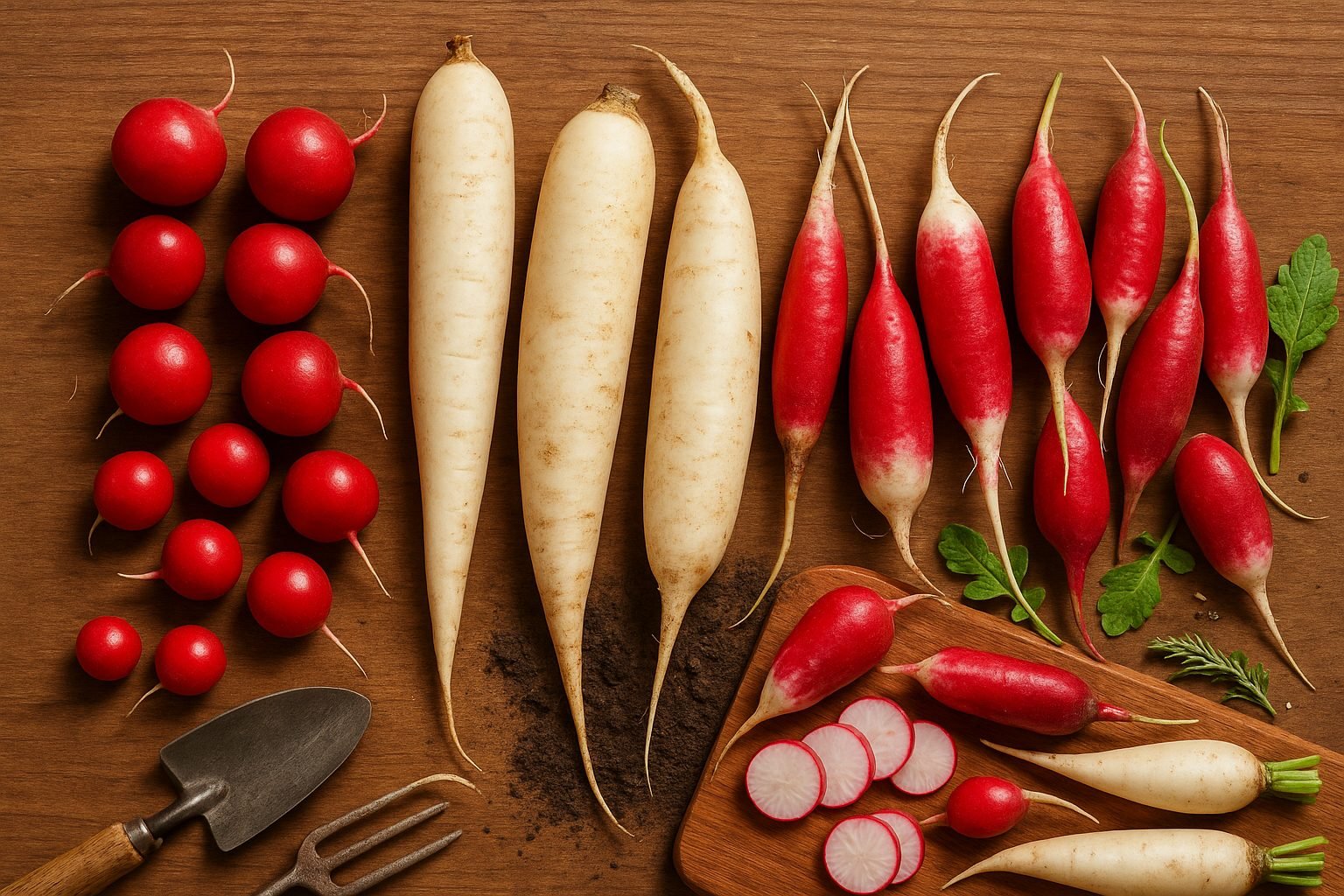
While basic radish gardening tools are essential, a few bonus accessories can make your gardening experience smoother and more productive. Row markers help keep your radish planting straight and evenly spaced, which is key for healthy growth and easier harvesting. Seed trays are perfect if you prefer starting radishes indoors, giving you more control over germination and a head start on the growing season.
Don’t forget practical comfort items like knee pads and a good pair of gardening gloves—these protect your knees and hands during longer weeding or planting sessions. Simple soil testers or moisture meters can also be game-changers. Since radishes need well-draining soil and consistent moisture, being able to quickly check soil pH and moisture levels helps prevent common issues like bolting or stunted roots.
Choose accessories that fit your gardening style and space. For instance, raised beds might benefit from compact tools and smaller markers, while traditional gardens can handle full-sized gear. Customizing your toolkit makes growing radishes both more enjoyable and effective.
Conclusion
Choosing the right radish gardening tools can make a noticeable difference in how easy and successful your radish-growing experience is. With the proper toolkit—such as a sturdy hand trowel, quality soil fork, and precise row markers—you’ll save time, avoid common mistakes, and set your radishes up for healthy growth season after season. Investing in a few reliable, radish-focused tools is something you’ll appreciate every time you plant. If you have any questions about specific tools or want to share your favorite picks, feel free to leave your thoughts in the comments below!