Introduction
radish growing time is one of the main reasons gardeners love planting these crisp, colorful veggies. Radishes are among the fastest and easiest vegetables to grow, thriving in small garden beds and even containers on patios. Their popularity comes from how quickly you can harvest a fresh crop—sometimes in as little as three weeks!
Whether you’re a complete beginner or looking for a quick addition to your salad garden, this guide will walk you through each step, making it easy to enjoy homegrown radishes in a surprisingly short time. Get ready for instant gratification from your own patch!
Understanding Radishes and Their Varieties
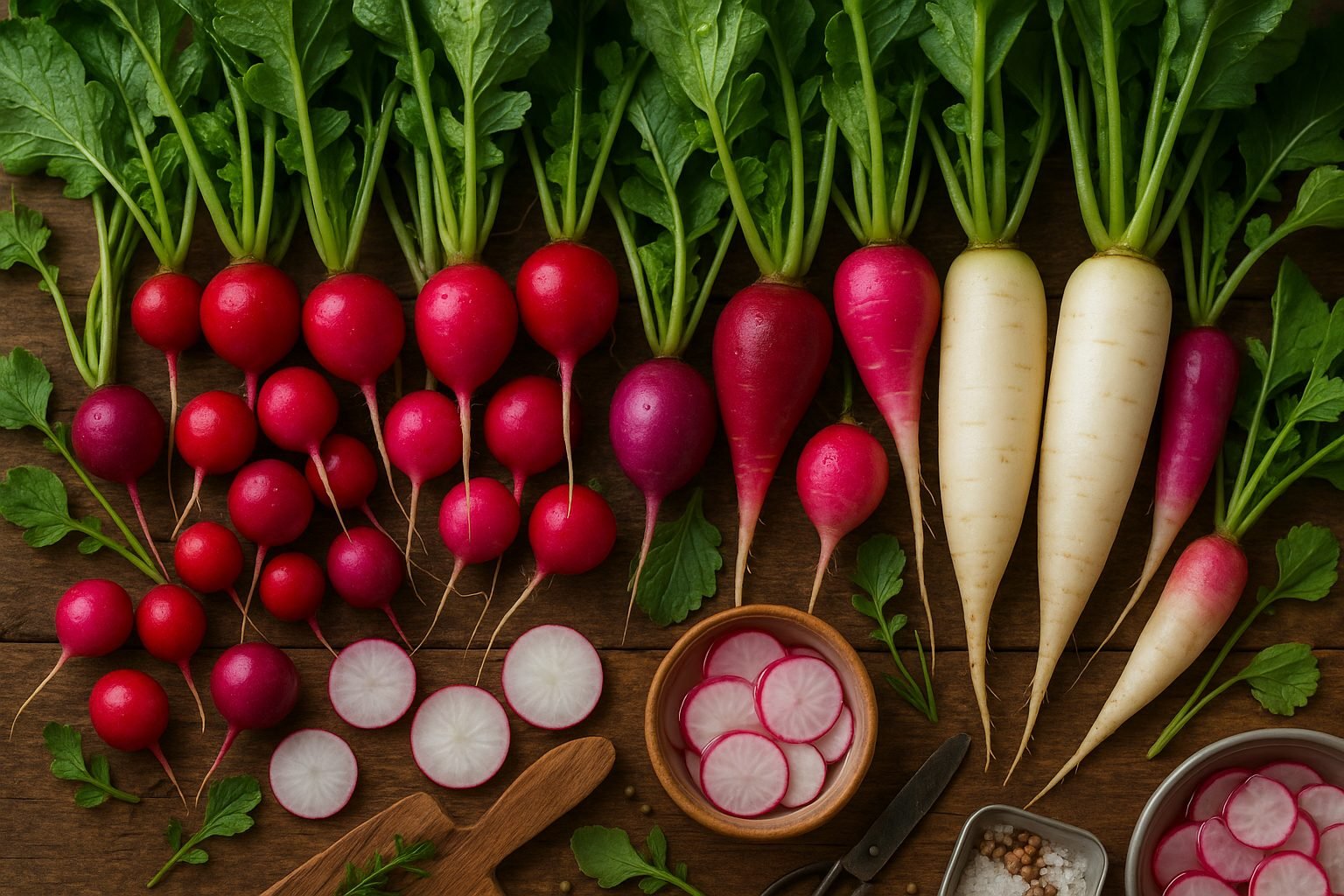
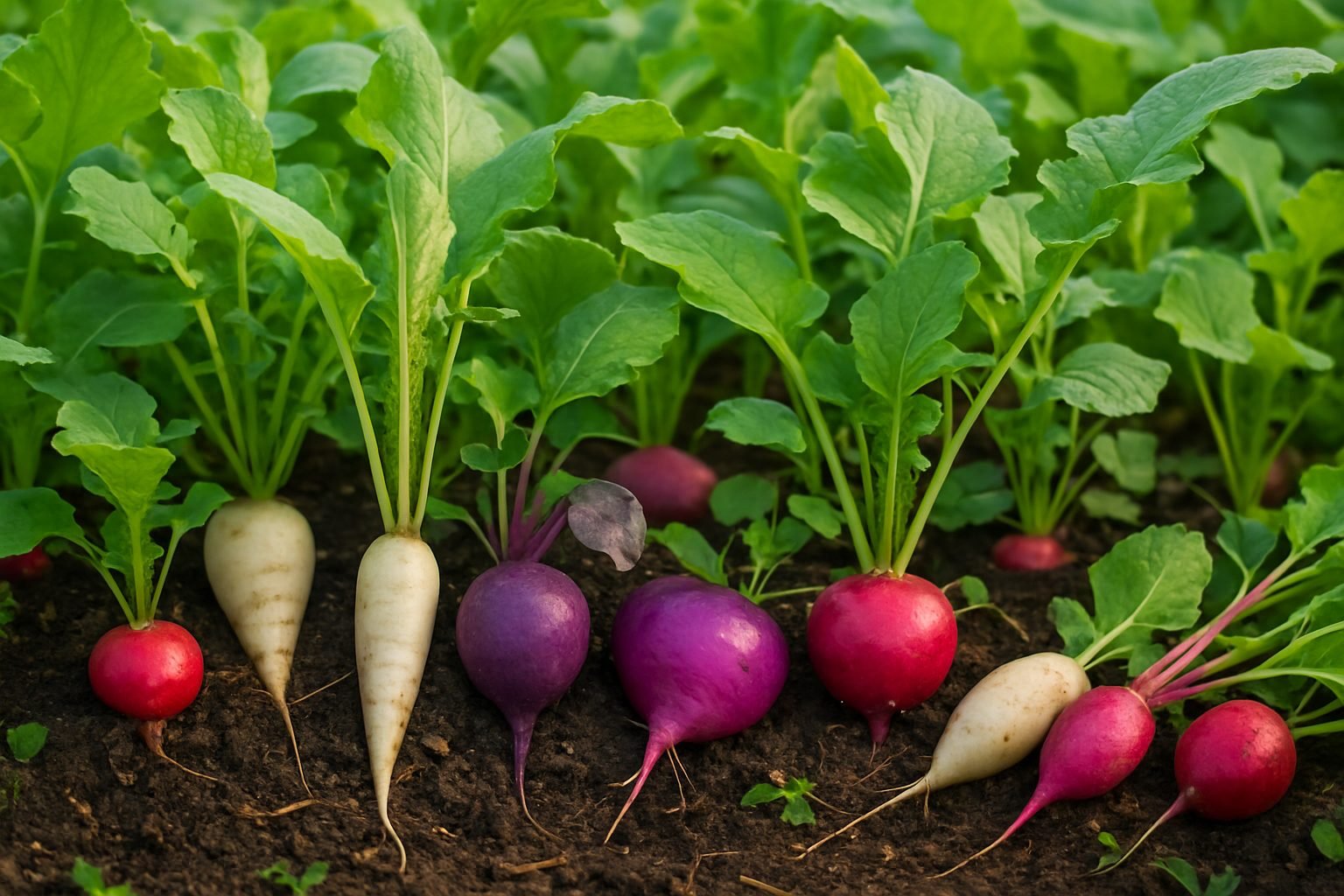
Radishes come in a surprising variety, but the most familiar are common garden radishes and daikons. Garden radishes are those small, round, often red or pink bulbs you see in salads, though they can also be white, purple, or even yellow. They usually grow quickly—sometimes ready in just three weeks—and are perfect for cooler spring or fall weather.
In contrast, daikon radishes are much larger, often reaching up to a foot long, with smooth white skin and a milder, subtly sweet flavor. Daikons prefer cooler climates and are typically harvested in late fall or winter.
Common radishes add a peppery crunch to salads, sandwiches, and veggie trays, while daikons are staples in Asian cuisine, used raw, pickled, or cooked in soups and stir-fries.
Both types pack a nutritional punch: they’re low in calories, rich in vitamin C, and provide fiber to support digestion. For the freshest taste, look for radishes that feel firm and crisp—perfect for slicing, shredding, or even roasting for a sweeter twist.
Whether you like a spicy bite or a mild crunch, there’s a radish variety to suit any kitchen.
Preparing to Plant: Choosing a Site and Soil
Choosing the right spot for your garden or container is the first step to healthy plants. Look for a location that receives at least six hours of direct sunlight daily, as most vegetables and flowers need plenty of light to thrive. Avoid low-lying areas where water can collect and cause roots to rot, and make sure the ground drains well after rain.
Good soil is just as important as good light. Start by loosening the soil with a fork or shovel to a depth of about 8 to 12 inches, breaking up any clumps you find. Remove stones, roots, and weeds to create a smooth planting bed. Mixing in a few inches of compost is a simple way to improve soil structure and add nutrients—store-bought compost or well-rotted manure both work great.
If you’re gardening in containers, choose ones that are big enough for your plants’ roots—typically at least 12 inches deep for vegetables. Always use a high-quality potting mix rather than regular garden soil, as it drains better and is less likely to compact. Make sure each container has drainage holes in the bottom to prevent soggy soil, and consider placing a tray underneath to catch any excess water indoors or on balconies.
Sowing Radish Seeds: Step-by-Step
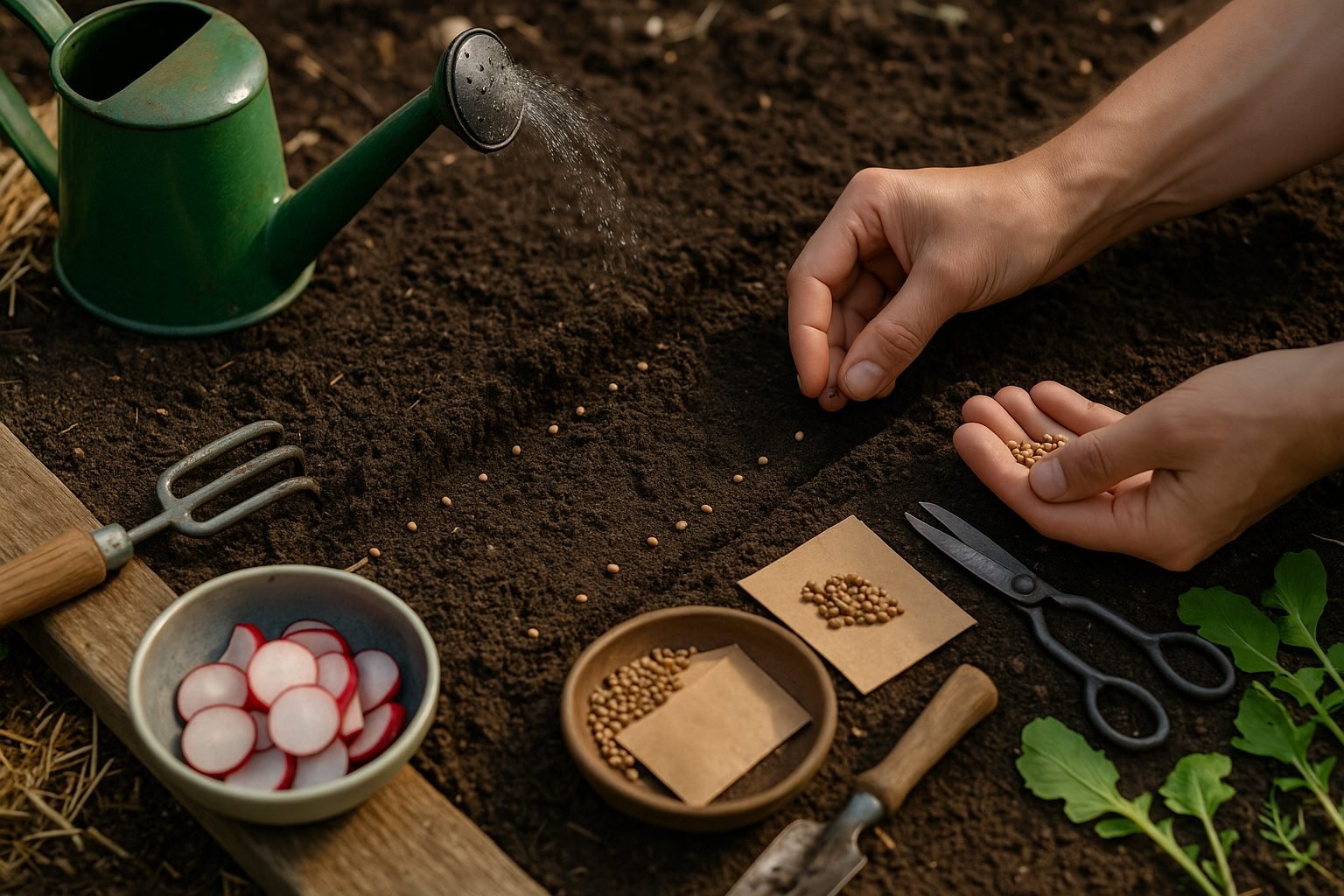
Radishes are one of the easiest and fastest vegetables to grow, making them perfect for both beginner and experienced gardeners. For the best results, sow radish seeds outdoors as soon as the soil can be worked in early spring. In temperate climates, you can continue sowing every two weeks—a practice called succession sowing—until early summer to enjoy a continuous harvest.
In hot regions, wait until late summer or early fall, as radishes don’t tolerate intense heat well. Whether planting in garden beds or containers, sow seeds about half an inch deep and space each seed one inch apart, with rows at least six inches apart to allow enough room for growth.
Compact containers at least six inches deep work great too—just maintain that one-inch spacing. After covering the seeds lightly with soil, water gently using a sprinkle or mist to avoid washing the seeds away.
During germination, which usually takes 5–7 days, keep the soil consistently moist but not waterlogged. Once your radish seedlings appear and show their first true leaves, thin them out so there’s about two inches between each plant. While it might be tempting to leave all seedlings in place, thinning is essential for healthy root development and producing larger, crispier radishes.
As a bonus, the thinned seedlings can be used to garnish salads, so you won’t waste any of your crop. Follow these simple steps, and you’ll be set for a thriving, tasty radish harvest all season long.
Caring for Radish Plants
Proper care is key to successful radish crops, starting with mindful watering. Radishes thrive best in consistently moist—but not soggy—soil, so aim to water lightly and often, keeping the top inch damp. Avoid heavy watering sessions that could waterlog the roots and lead to rot. Installing mulch or watering in the early morning can help retain moisture without encouraging fungal issues.
When it comes to fertilizing, radishes have modest needs. A balanced, all-purpose fertilizer or a light application of compost is typically enough, but steer clear of high-nitrogen fertilizers; too much nitrogen spurs leafy tops and discourages healthy bulb growth.
Equally important is thinning—once seedlings develop their first true leaves, thin them so each plant stands at least two inches apart. This prevents overcrowding, which can lead to small, misshapen roots and poor air circulation. Keep beds weed-free, as competition for nutrients and space can stunt radish development.
Watch for issues like bolting, where stressed plants go to seed early, often triggered by heat or insufficient watering. Plant early in spring or use shade cloths for late crops to minimize this risk. If you notice poor bulb formation, double-check that your radishes are getting consistent water and aren’t planted too close together.
With these straightforward steps, you’ll encourage vigorous, crisp radishes every time.
Managing Pests, Diseases, and Companion Plants
Radishes are a spring garden favorite, but they’re often targeted by pests like flea beetles, which leave tiny holes in the leaves, and root maggots that tunnel into the roots. To prevent these pests, use row covers immediately after planting and keep the soil moist but not soggy. Crop rotation—planting radishes in different spots each year—helps disrupt pest life cycles, making infestations less likely.
For active outbreaks, sprinkling diatomaceous earth or using yellow sticky traps can help reduce pest numbers without resorting to harsh chemicals. Diseases such as clubroot and downy mildew can also affect radishes, especially if the soil is too wet or hasn’t been rotated.
Practice good garden hygiene by promptly pulling up and disposing of any infected plants, keeping beds weed-free, and avoiding overhead watering to reduce leaf wetness.
Companion planting can further boost radish health:
- Nasturtiums deter aphids.
- Lettuce provides beneficial shade, keeping the soil cool.
On the flip side, avoid planting radishes near hyssop or potatoes, as they may inhibit healthy growth. Mixing up your plant partners and maintaining a clean, rotating garden environment goes a long way toward healthy, pest-free radishes.
Harvesting and Using Radishes
Knowing when to harvest radishes is key to enjoying their crisp texture and peppery flavor. Most common varieties are ready about three to four weeks after sowing, or when the roots are roughly one inch in diameter—larger radishes can become woody and overly spicy. An easy way to check is to gently brush away some soil and inspect the size of the root without pulling it out completely.
If radishes are left in the ground too long, they tend to become tough, pithy, and develop a sharp, sometimes unpleasant taste.
To make the most of your harvest, try eating radishes fresh in salads or as a crunchy snack with hummus. They’re also delicious roasted or sautéed, which brings out a mellow sweetness. For longer storage, slice them and make quick pickles with vinegar, sugar, and spices—a tangy topping for tacos or grain bowls.
Don’t toss the leafy tops; radish greens are edible and can be sautéed like spinach, stirred into soups, or blended into pesto. With a little attention and creativity, you’ll enjoy every part of this versatile vegetable.
Conclusion & Quick Growing Tips
Growing radishes is a rewarding and beginner-friendly project—simply sow seeds directly in loose soil, keep them consistently moist, and thin seedlings for the best growth. Since radishes mature quickly, try succession sowing every couple of weeks to enjoy a steady harvest all season long.
Don’t be afraid to experiment with unique varieties like watermelon or French breakfast radishes for different flavors and colors. Take advantage of their 3-4 week harvest window by checking roots often and pulling them as soon as they’re ready.
Share your results or challenges with fellow gardeners, as every season brings new discoveries and helpful tips to learn.