Why Grow Radishes?
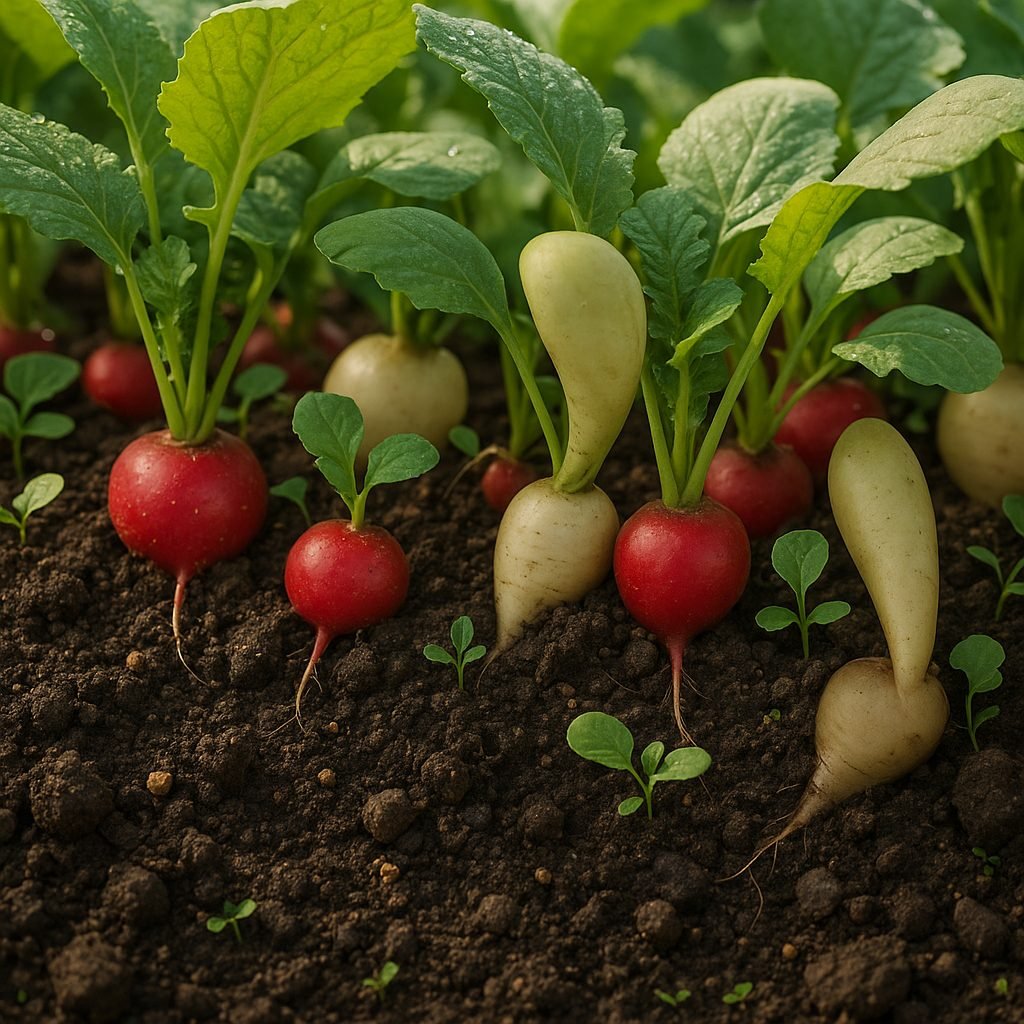
Market radish growing has become a smart choice for both home gardeners and small-scale farmers—and it’s easy to see why. Radishes have a reputation for being fast, fuss-free, and rewarding, making them a popular staple in backyard beds and market gardens alike.
Unlike crops that take months to mature, radishes can go from seed to harvest in as little as three to four weeks. This quick turnaround allows for multiple plantings in one season and fast returns for growers who sell at local markets.
Plus, radishes thrive in tight spaces, making them perfect for maximizing yield in limited garden plots or urban settings. With their crisp texture, peppery flavor, and vibrant color, radishes are not only a favorite in salads and snacks at home but also catch customers’ eyes at farmers’ markets.
If you want a crop that’s easy to manage and quick to profit, market radish growing is a logical, low-risk step for growers of all sizes.
Choosing the Right Radish Varieties
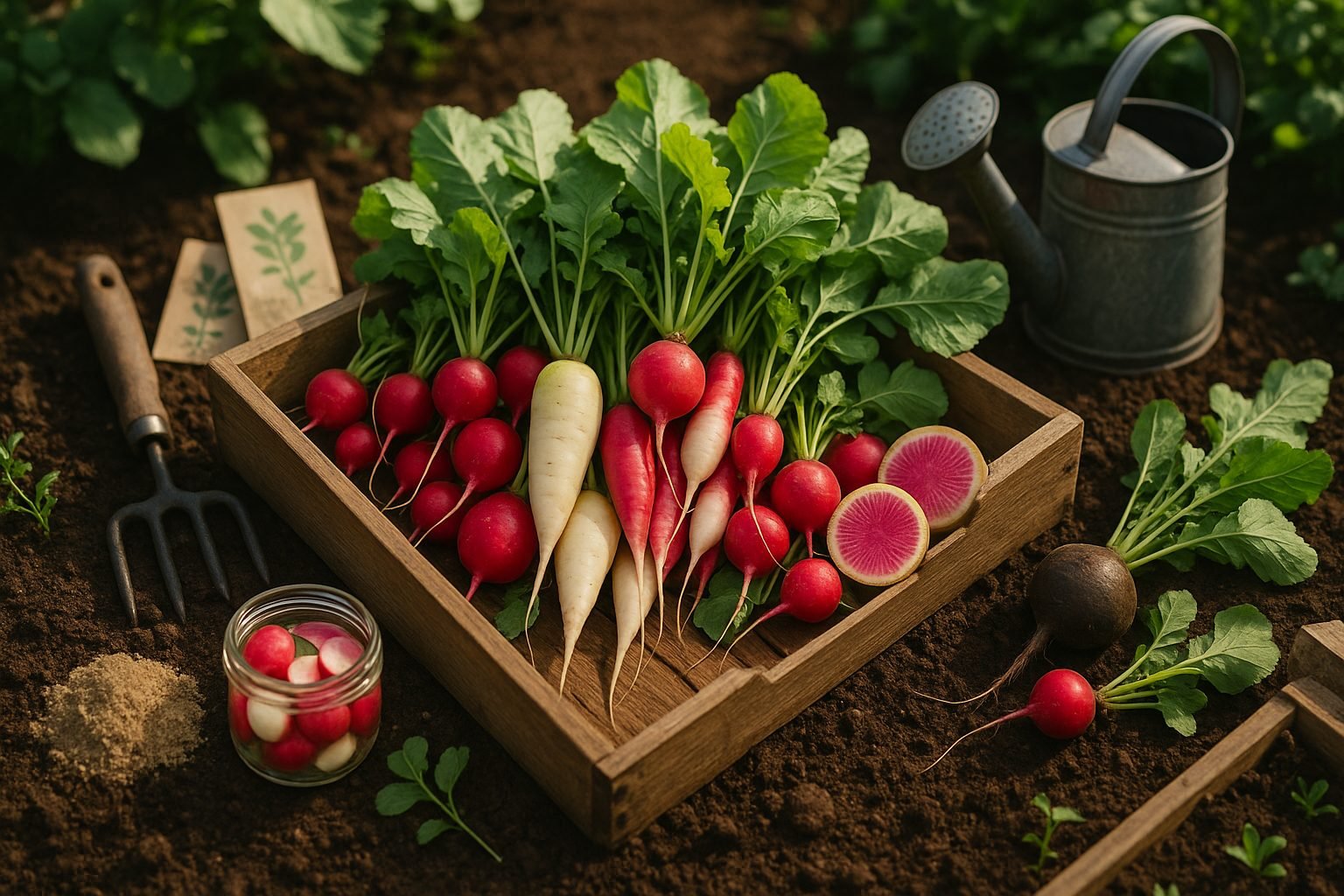
When selecting radish varieties for your garden, start by choosing between spring, winter, and specialty types. Spring radishes, like ‘Cherry Belle,’ are fast-growing, mild, and come in vibrant reds or pinks—perfect for salads and quick snacks. Winter radishes, such as ‘Daikon’ or ‘Black Spanish,’ grow larger, take longer to mature, and offer a spicier kick with earthy flavors, making them great for roasting or pickling.
Specialty varieties, like watermelon radish, add color and visual interest with surprising hues and unique tastes. Consider your local climate: spring radishes thrive in cool weather, while winter types handle frost and store longer. Also, think about your flavor preferences—mild eaters may prefer spring types, while adventurous cooks might opt for spicier or more unusual varieties.
Preparing and Planting Radishes
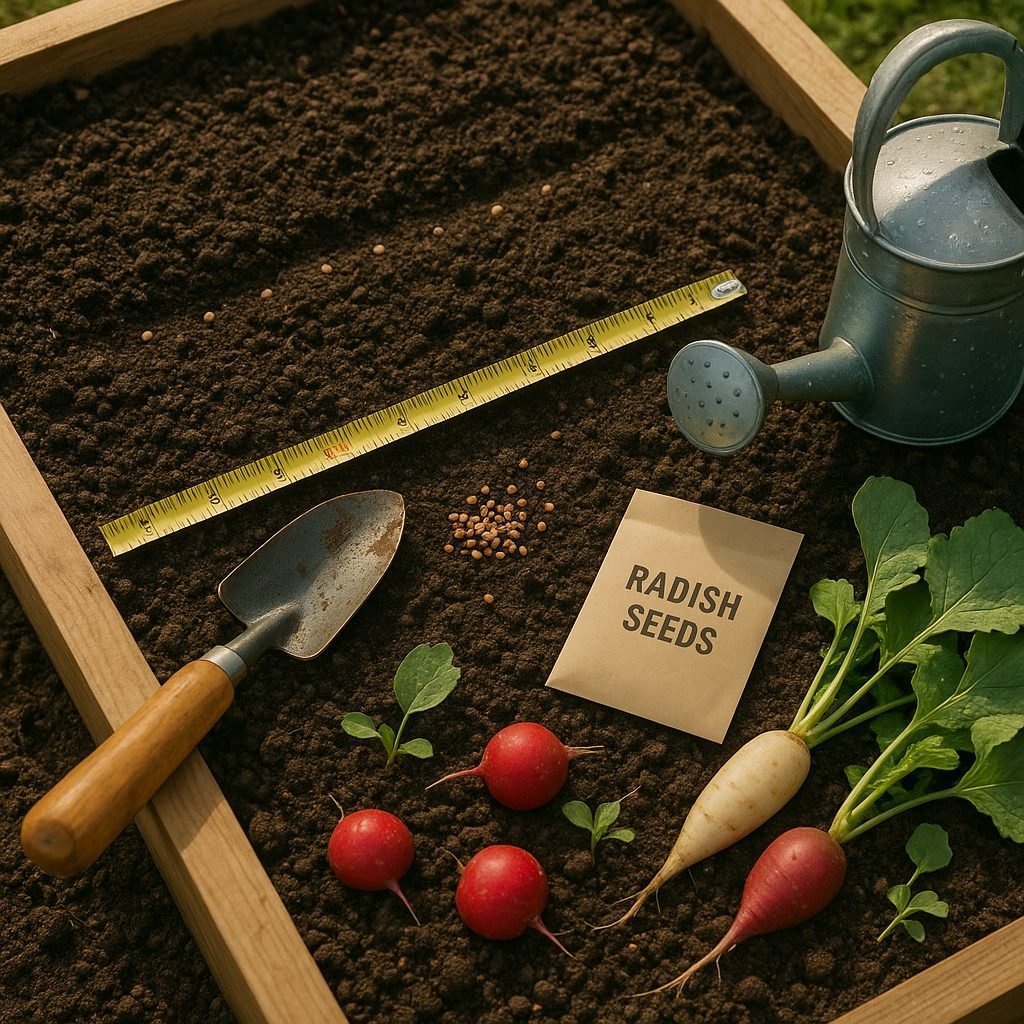
To grow healthy, crisp radishes, start with well-drained, loose soil that’s rich in organic matter—compost or aged manure works well. Avoid heavy clay or rocky patches, as these can cause misshapen roots.
Begin preparing the garden bed by loosening the soil to a depth of at least 8 inches and removing any debris or stones.
Radishes thrive when planted in early spring or late summer, as they mature quickly and prefer cooler weather. For best results, sow seeds directly outdoors once the soil temperature reaches at least 50°F, spacing them about 1 inch apart in rows set 12 inches apart.
Place seeds roughly ½ inch deep for optimal germination, and thin seedlings to 2 inches apart once they sprout. This helps roots develop without crowding.
Water regularly to keep the soil consistently moist, as uneven watering can make radishes woody or cause splitting. Also, avoid high-nitrogen fertilizers to ensure the sweetest, crunchiest harvests.
Caring for Your Radish Crop
For healthy, vibrant radishes, pay close attention to your care routine from the start. Keep the soil consistently moist but not waterlogged—aim to water deeply every couple of days, especially during hot or dry weather.
Once seedlings are a couple of inches tall, thin them so each plant stands about two inches apart. This gives roots space to grow plump and round.
Stay on top of weeds, as competition can stunt growth. Mulching between rows can help keep weeds at bay and maintain steady soil moisture.
Watch for common pests like flea beetles and root maggots. Covering your crop with lightweight row covers can block these insects, while rotating crops each year reduces the risk of diseases like clubroot or downy mildew.
Regularly check for signs of trouble and remove any affected plants promptly to keep the rest of your radishes thriving all season.
Harvesting and Storing Radishes
Radishes are ready to harvest when the tops of their roots just peek above the soil and reach about one inch in diameter. Waiting too long can make them woody or overly spicy. For the best flavor and crisp texture, pull them up promptly as soon as they’re plump and firm.
After harvesting, slice off the leafy tops to prevent moisture loss, and gently wash the roots. Store radishes in a perforated plastic bag or an airtight container in the fridge’s crisper drawer, where they’ll stay fresh for up to two weeks.
Remember, harvesting at the right time ensures they remain sweet and crunchy.
Nutrition and Uses for Radishes
Radishes are a nutritional powerhouse, packed with vitamin C, fiber, and antioxidants that support immune health and aid digestion. Their crisp texture and peppery bite make them a refreshing addition to salads.
Sliced radishes add a colorful crunch to tacos, sandwiches, or even butter-topped bruschetta. Roasting or sautéing radishes mellows their flavor, turning them gently sweet—a perfect option for a tasty side dish.
Beyond flavor, their vibrant red, pink, or white hues make dishes visually striking, attracting attention at markets and on restaurant plates. Because radishes grow quickly and store well, they are an important early-season crop for farmers and gardeners.
Including radishes in your diet is an easy and appealing way to diversify your meals and support overall wellness.