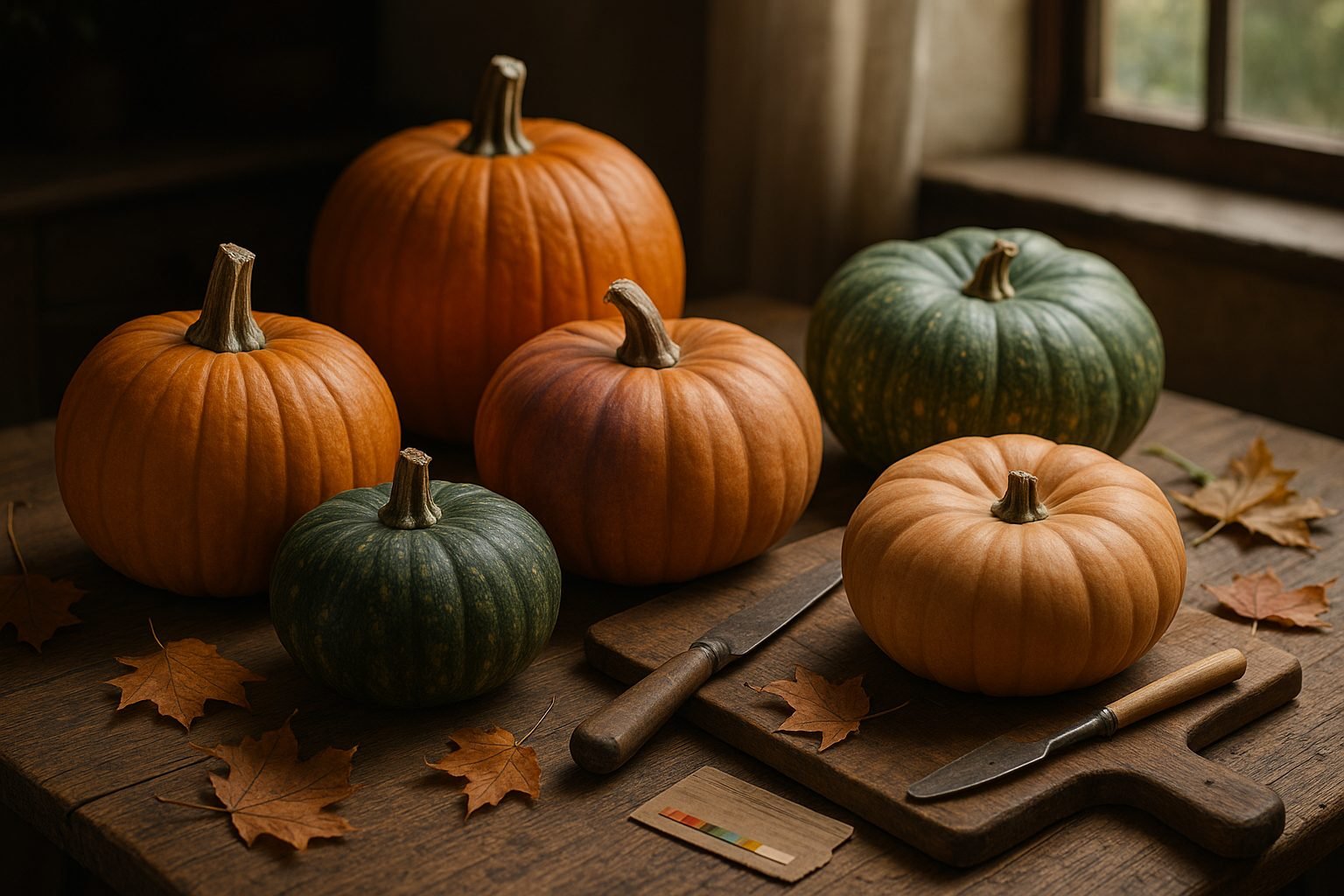
Choosing the Right Pumpkin for Cooking
Cooking fresh pumpkin can take your fall recipes to a whole new level, but starting with the right pumpkin is key for the best flavor and texture. Not all pumpkins are created equal—many found piled high in stores around Halloween are ornamental types meant just for decoration. These carving pumpkins, although festive, are typically watery, stringy, and bland when cooked. Instead, look for varieties bred specifically for the kitchen, like sugar pumpkins (also called pie pumpkins), cheese pumpkins, or kabocha squash. These options offer dense, sweet flesh that turns creamy when roasted or pureed, perfect for soups, pies, and breads.
When shopping for fresh cooking pumpkin at a farmers’ market or grocery store, pay close attention to a few important details. First, choose pumpkins that are deep orange and heavy for their size, which signals they’re ripe and packed with flavorful flesh. Pass on any pumpkins with soft spots, cracks, or signs of mold—these blemishes can indicate spoilage inside. Test the firmness by pressing gently on the skin; it should feel hard and resistant.
Pie pumpkins or sugar pumpkins are widely available from late September through November and usually weigh two to four pounds—just right for most kitchen needs. Cinderella pumpkins and Fairytale pumpkins are other fun choices for roasting, famous for their rich texture and natural sweetness. Remember, if you spot a label reading “jack-o’-lantern” or “carving pumpkin,” it’s best to leave those for the front porch. They lack the dense flesh and flavor desired for delicious homemade pumpkin puree or hearty roasted pumpkin chunks.
As you select pumpkins for cooking, give them a knock—they should sound hollow, another sign of ripeness. The stem should be firmly attached and dry, not brittle or shriveled. Whether you’re planning savory soups or classic pumpkin pie, starting with the right variety ensures every bite is naturally sweet, smooth, and bursting with autumn flavor. Taking these careful steps guarantees that your dishes showcase pumpkin at its best, turning even a simple meal into a seasonal favorite.
Preparing Your Pumpkin: Cleaning, Peeling & Cutting
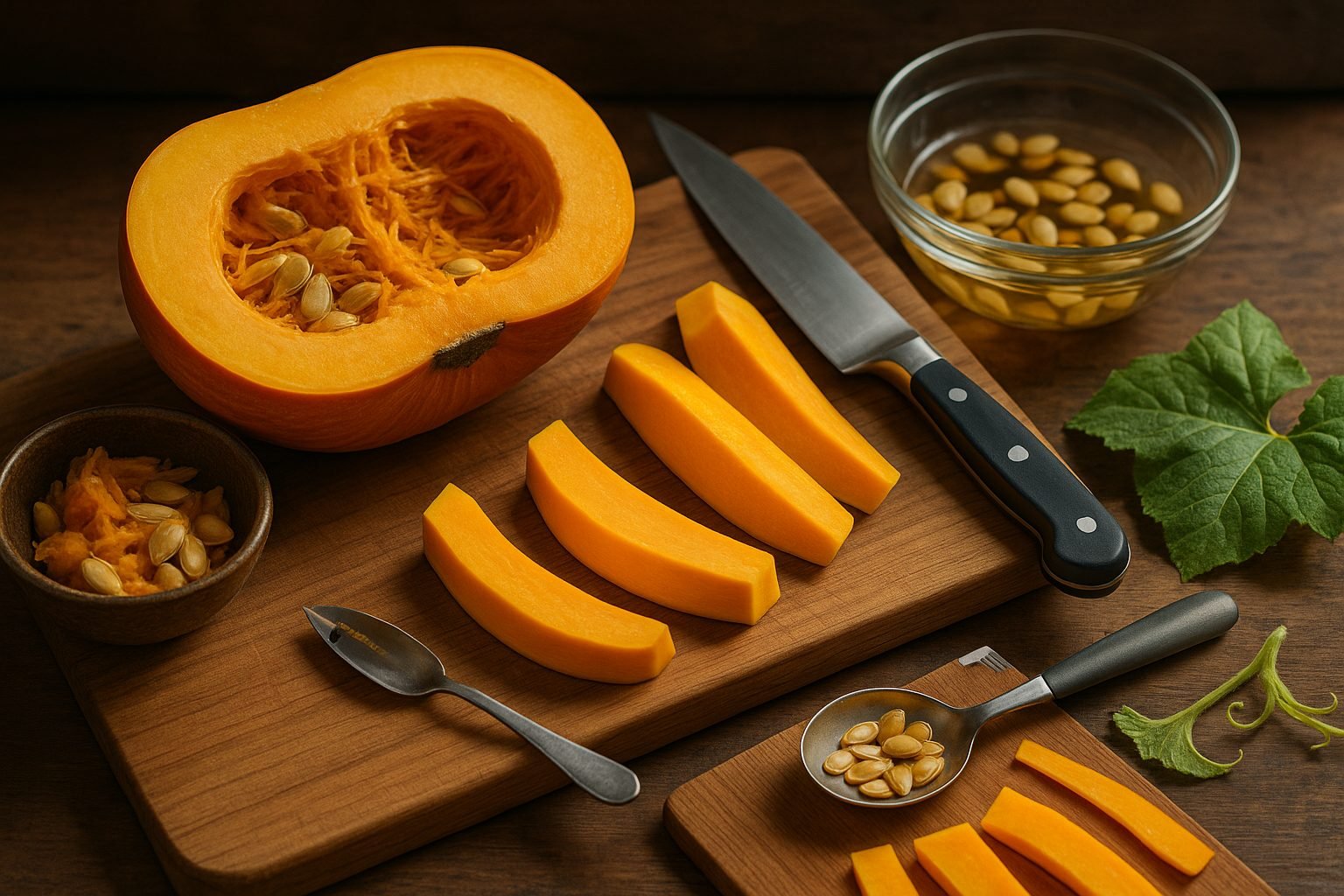
Before you begin working with your pumpkin, it’s important to wash it thoroughly under cool running water to remove any dirt or residue from the skin. This step ensures you won’t transfer anything unwanted into the flesh when cutting. Pat the pumpkin dry with a clean towel, then set it on a sturdy cutting board.
Using a sharp chef’s knife, carefully slice off the stem end to create a flat surface. Stand the pumpkin upright on this base for stability, and cut it in half from top to bottom. Scoop out the seeds and stringy pulp with a sturdy spoon. If you’d like to save the seeds for roasting, place them in a bowl of water to help separate them from the pulp.
To peel the pumpkin, lay each half flat, cut-side down, then slice into manageable wedges—this makes peeling safer and easier. Use a vegetable peeler or a small paring knife to remove the tough skin from each wedge. Once peeled, cut the flesh into cubes or slices, depending on your recipe’s needs.
If you’re saving the seeds, pat them dry and toss with a bit of oil and your favorite seasonings. Then roast them at 300°F (150°C) for 20–30 minutes, stirring halfway through, for a crunchy snack.
These steps make preparing fresh pumpkin simple and manageable, whether you plan to roast, puree, or use it in your favorite fall dishes.
Cooking Methods: Roasting, Steaming, and Boiling
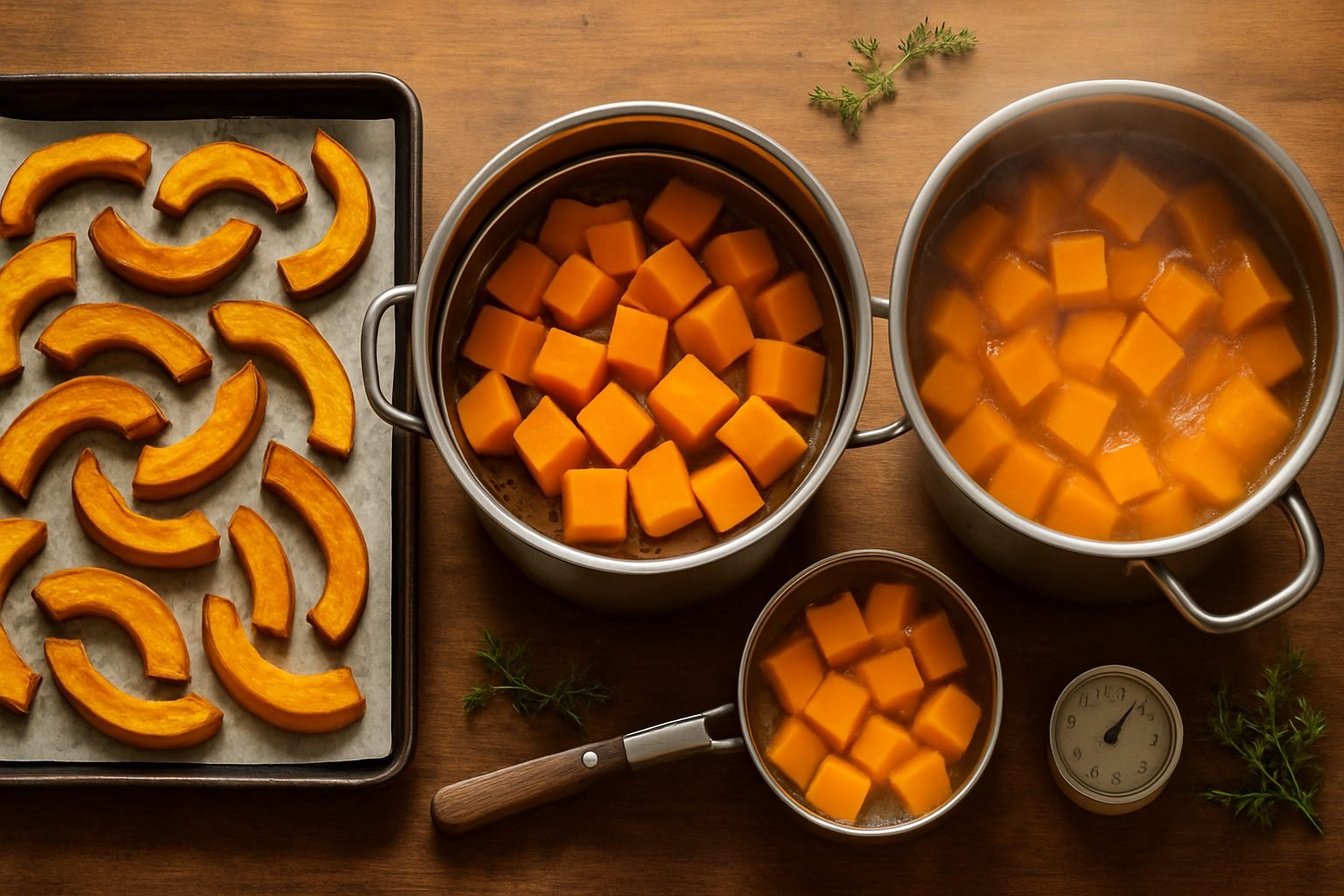
When it comes to preparing pumpkin, the cooking method you choose affects both flavor and texture.
Roasting brings out pumpkin’s natural sweetness and gives it caramelized edges. Simply slice your pumpkin into wedges, toss with a bit of oil, and roast at 400°F (200°C) for about 30–40 minutes until the flesh is fork-tender and golden. Roasting is ideal for soups, salads, or simply as a tasty side. You can leave the skin on during cooking for easier handling—the skin peels off easily afterward.
Steaming, on the other hand, preserves more nutrients and keeps the pumpkin moist without the need for added fat. To steam, cut the pumpkin into cubes, peel it first, and place the pieces in a steamer basket over simmering water for 15–20 minutes until soft. This method is quick and great for purees or baby food, but the flavor is milder and the texture softer than roasting.
Boiling is the fastest method—just peel and cube the pumpkin, then drop it into boiling salted water for about 10–15 minutes until tender; drain well. Boiling is efficient for mash or pies, but it can dilute flavor and result in a waterier texture, so be sure to drain and even pat dry with a towel before using in recipes.
As a rule of thumb, leave the skin on for roasting but peel before boiling or steaming to ensure even cooking and a smoother end result. By choosing the right technique for your dish, you can make the most of pumpkin’s versatility in your kitchen.
Making Pumpkin Puree (and Storing It)
Turning cooked pumpkin into smooth, homemade puree is simple and versatile. Once your pumpkin is roasted or steamed until fork-tender, let it cool a bit, then scoop the flesh away from the skin.
To achieve a velvety puree, use a food processor or blender; pulse in batches with a splash of water if it’s too thick, scraping down the sides as needed. If you don’t have those tools, a potato masher or immersion blender works too—just be prepared for a slightly chunkier texture.
Homemade puree is richer and often a deeper orange compared to the canned variety, which tends to be more uniform in both texture and color, sometimes made from assorted winter squash rather than true pumpkin. Taste-wise, homemade offers a fresher, sweeter flavor and can make a noticeable difference in pies, muffins, soups, and even dog treats.
Storing Your Pumpkin Puree
To store your puree, cool it first, then transfer it to airtight containers or resealable bags. Refrigerate for up to five days, or stash it in the freezer for up to three months.
For convenient baking, freeze in measured portions (like 1-cup amounts) so you can thaw only what you need. When using frozen pumpkin, let it defrost in the fridge overnight, and drain off any excess liquid to avoid watery baked goods.
With these easy tips, you’ll find homemade pumpkin puree not only tastes better but also adapts beautifully to your favorite fall recipes.
Cooking with Pumpkin: Easy Recipes & Inspiration
Pumpkin is much more than a Halloween decoration—it’s a versatile ingredient that brings cozy flavor and nutrition to all kinds of dishes. Whether using fresh pumpkin or canned puree, you can whip up comforting pumpkin soups, classic pumpkin pies, and moist muffins with minimal effort.
For an easy homemade puree, simply roast pumpkin cubes until tender, then blend until smooth. This fresh puree can replace canned pumpkin one-to-one in most recipes, making it perfect if you have extra pumpkin on hand or want to avoid additives.
Beyond the basics, get creative with pumpkin by trying different ideas like:
- Stirring puree into oatmeal
- Making pumpkin pancakes
- Adding it to chili for a subtle sweetness
- Roasting pumpkin chunks with olive oil and herbs for a savory side
- Mixing pumpkin into mac and cheese
- Blending it into a creamy pumpkin smoothie with bananas and cinnamon
If you’re new to cooking with pumpkin, start with beginner-friendly recipes such as pumpkin bread, simple roasted pumpkin soup, or a no-bake pumpkin cheesecake. There are countless ways to add a touch of autumn to your table—just grab a spoon and start experimenting!
Frequently Asked Questions & Pro Tips
A lot of home cooks wonder if it’s necessary to peel pumpkin before cooking—good news: it depends on your recipe. If you’re roasting thick wedges or using them in soups, you can leave the skin on and scoop the flesh out after baking. For recipes like purees or pies, it’s best to peel it beforehand for a smoother texture.
Cooking times vary—cubed pumpkin usually takes about 20-30 minutes to roast at 400°F, while smaller pieces simmer in soups in just 10-15 minutes.
Looking to freeze pumpkin? Simply cut it into cubes, blanch in boiling water for two minutes, cool, drain, and pack into airtight bags; frozen pumpkin keeps for six months, making meal prep a breeze.
For the best flavor, toss pumpkin cubes with olive oil, salt, and your favorite spices (think cinnamon, smoked paprika, or even curry powder) before roasting—this enhances natural sweetness and depth.
Avoid watery pumpkin puree by roasting instead of boiling, and always cool cooked pumpkin thoroughly before freezing to prevent ice crystals.
For food safety, use clean knives and cutting boards, and store your pumpkin dishes in the fridge within two hours to avoid bacteria growth.
Batch prepping? Roast a whole tray, puree it, then portion into freezer bags for soups, smoothies, muffins, or sauces. This saves hours in the kitchen later and ensures you always have wholesome pumpkin on hand.