Introduction
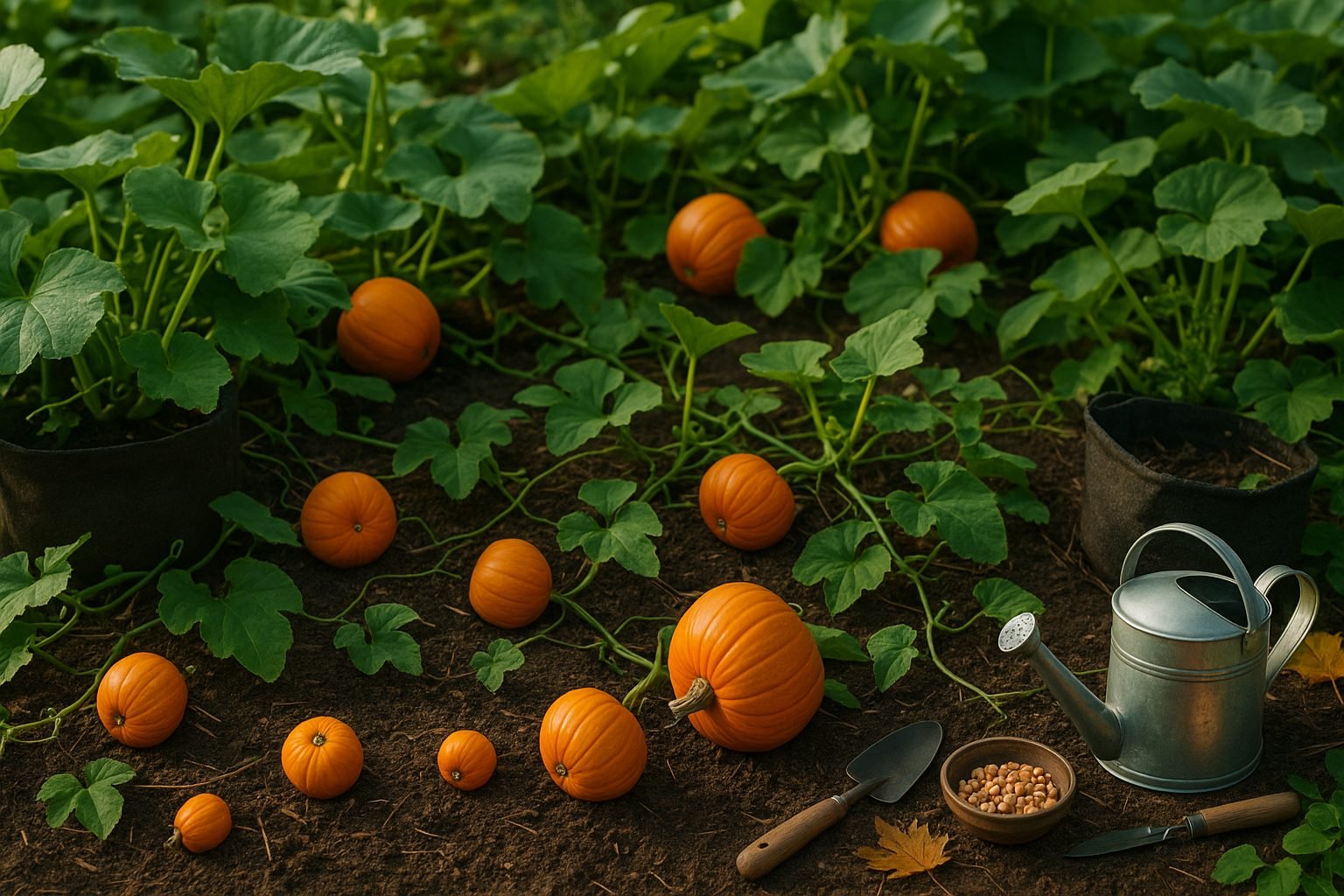
Finding the right grow bags for pumpkins can make all the difference if you’re dreaming of big, vibrant gourds—without needing a sprawling garden. Growing pumpkins in containers and grow bags has become increasingly popular, especially for gardeners who want to save space or have limited access to open soil. The appeal is clear: container gardening lets you control soil quality, easily manage pests, and even move your pumpkin plants to catch the perfect amount of sunlight.
However, growing pumpkins in confined spaces does come with challenges, like making sure the roots don’t get cramped and managing water needs more closely than in a traditional garden bed. Still, with the right grow bags and container choices, even urban gardeners can enjoy a bountiful pumpkin harvest. In this article, we’ll explore the best types and sizes of containers and grow bags for pumpkins success. You’ll get practical tips and recommendations to help your pumpkin plants thrive, whether you’re working with a tiny balcony or a compact backyard patch. Get ready to enjoy the satisfaction of homegrown pumpkins, even in the smallest spaces!
Choosing the Right Size: How Big Should Your Pumpkin Container Be?
When selecting grow bags for pumpkins, picking the right size is essential for healthy growth and a bountiful harvest. Each pumpkin plant needs a container or grow bag that holds at least 15 to 20 gallons of soil. This might sound large, but pumpkin roots require plenty of space to spread and access nutrients—especially for full-sized varieties.
For bush or “space-saving” pumpkin varieties, a 15-gallon grow bag can do the job. However, if you’re growing vining pumpkins, go even bigger: a 25- to 30-gallon container works best to accommodate their extensive root systems and vigorous growth habits. Choosing a larger grow bag not only gives roots more breathing room but also helps retain water and nutrients consistently, leading to healthier plants and potentially bigger, better pumpkins.
If you have the space, don’t hesitate to oversize the container—a 30-gallon grow bag often results in noticeably greater yields and larger fruit than a 15-gallon one. Besides volume, consider container depth; aim for at least 16 to 18 inches so roots can develop deeply.
Drainage is equally important: select grow bags made from breathable fabric that prevents waterlogging and root rot. If using rigid containers, drill several large drainage holes at the bottom. A simple rule of thumb is that skimping on size or drainage often leads to stunted vines and smaller fruit.
For those with limited space, try training bush varieties upward with trellises, but stick to larger bags whenever possible. For example, compact varieties like ‘Jack-Be-Little’ can thrive in a 15-gallon bag, while larger types such as ‘Atlantic Giant’ truly reward those who invest in the biggest containers available.
In short, bigger is almost always better for pumpkins—think of it as giving your plant the room it needs to reach its full, impressive potential.
Material Matters: Comparing Fabric Grow Bags, Plastic Pots, and Other Containers
When choosing between fabric grow bags, plastic pots, ceramic, and wooden containers for growing pumpkins, each option has its own set of advantages and drawbacks. Fabric grow bags are especially popular for pumpkins because they provide excellent breathability and drainage—two key factors for healthy root development. The porous material lets excess water escape and allows air to reach the roots, reducing the risk of root rot and overheating during midsummer.
Additionally, fabric bags help “air prune” roots, encouraging a dense root system instead of the circling or tangled roots often seen in rigid containers. Plastic pots are lightweight and usually less expensive but can become very hot in the sun and hold moisture unevenly, which increases the chances of disease or root suffocation.
Ceramic containers offer good insulation but are heavy, prone to cracking, and costly, making them less practical for large, spreading pumpkin plants. Wooden containers, especially those made of untreated hardwood, can be durable and attractive, offering some insulation benefits, but they tend to be more expensive and may rot over time unless properly maintained.
When it comes to cost, fabric grow bags typically strike a balance between affordability and performance. They are reusable, lightweight, and easy to move, making crop rotation or repositioning a breeze. For these reasons, most home gardeners and small-scale growers prefer fabric grow bags for pumpkins since they promote healthy root systems, adaptable growing conditions, and convenience without breaking the bank.
Top Recommended Grow Bags and Containers for Pumpkins
When it comes to choosing the best grow bags for pumpkins, it’s important to consider size, durability, and drainage. A great budget pick is the VIVOSUN 20-Gallon Grow Bag, which offers plenty of room for pumpkin roots to spread and features sturdy handles for easy transport. Made from thick, breathable fabric, these bags are affordable and perfect for gardeners with limited space or those gardening on patios.
For those needing a heavy-duty option, the Root Pouch Boxer Line 25-Gallon Fabric Pots stand out with their recycled material construction and exceptional breathability—essential for preventing root rot in large, thirsty pumpkin plants. You can find these directly on Root Pouch’s website or through major hydroponic supply retailers.
If you have extra space and want something larger, the Smart Pots Big Bag Bed Jr. offers a 50-inch diameter growing area—ideal for ambitious gardeners or growing multiple pumpkin plants. It sits directly on the ground, providing excellent aeration and drainage, and is available at garden centers or Home Depot.
For a more traditional, rigid option, the Gardener’s Supply Company Self-Watering Potato Grow Bag (which works great for pumpkins) includes a water reservoir to reduce daily moisture checks—a real help during hot summer days. This is available from Gardener’s Supply Company’s official online store.
Eco-conscious gardeners might prefer the Bloem Living 24-inch Dura Cotta Planter, a large decorative plastic container that mimics clay and resists cracking in the sun. You can find this at Walmart or Lowe’s.
Each of these options supports healthy pumpkin growth by providing ample root space and consistent moisture, letting you choose the best fit for your garden size, style, and budget.
Setting Up for Success: Filling and Placing Your Pumpkin Containers
When setting up your grow bags for pumpkins, choosing the right soil mix is crucial for healthy growth and a bountiful harvest. Pumpkins are heavy feeders, so start with high-quality potting soil rich in organic matter. Look for a mix that includes peat moss or coco coir for moisture retention, perlite for drainage, and compost for nutrients. Avoid using garden soil alone, as it can compact in containers and lead to poor drainage or root rot.
To give your pumpkins a strong start, blend in slow-release organic fertilizer or a handful of well-rotted manure, both excellent for providing long-term nutrients. For extra nutrition, you can also add worm castings or bone meal, which support healthy root and fruit development.
Because pumpkins love to spread out and soak up the sun, choose a spot that receives at least six to eight hours of direct sunlight each day—ideally on a south-facing patio or lawn. To protect the roots from overheating and help the soil retain moisture, top your containers with a layer of straw mulch or wood chips. This layer also suppresses weeds and keeps soil temperatures more consistent.
Remember to leave enough space around each grow bag—at least three to four feet—so pumpkin vines have room to stretch out and trail. You can even train vines to grow along fences or trellises for better airflow and more efficient use of space. With the right soil, amendments, and placement, your container-grown pumpkins will have the perfect setup to thrive.
Smart Growing Tips: Watering, Fertilizing, and Supporting Pumpkins in Containers
Watering pumpkins in containers like grow bags requires consistent attention since soil tends to dry out faster than in-ground planting. To prevent root rot, ensure your grow bags for pumpkins have excellent drainage—choose bags with pre-made holes or gently poke your own if needed. Check the top two inches of soil daily with your finger; when it feels dry, water deeply until it drains from the bottom. Aim to keep the soil evenly moist but not soggy, and reduce watering as the fruit matures to avoid splitting.
Mulching with straw or wood chips helps retain moisture and protects roots from temperature fluctuations. For fertilizing container-grown pumpkins, start by mixing a slow-release balanced fertilizer into the potting mix before planting. Once young vines appear, supplement every two to three weeks with a liquid fertilizer high in phosphorus and potassium—these nutrients encourage flower and fruit development—while avoiding excess nitrogen, which promotes leafy growth over fruit production.
Always follow the package directions, and consider switching to a fertilizer formulated for blooming or fruiting vegetables when buds or small pumpkins begin to form. Supporting pumpkin vines in limited container space is crucial; use a trellis, sturdy stake, or tomato cage to train vines upward and save ground space. Secure young vines with soft ties to prevent snapping.
As pumpkins grow, create slings from old t-shirts or pantyhose to cradle the developing fruit, distributing its weight and preventing stress on the vines. This is especially helpful for heavier pumpkins. With these simple yet effective practices, you can enjoy healthy, productive pumpkin vines even in small spaces.
Common Pitfalls & How to Avoid Them: Container Pumpkin Mistakes
Growing pumpkins in containers can be tricky, but most challenges are easy to avoid with a bit of planning. One of the biggest mistakes is choosing a container that’s too small. Pumpkins need plenty of space to spread their roots and grow large, healthy fruit. For most varieties, grow bags for pumpkins should be at least 20 gallons—anything smaller will stunt growth and reduce yields.
Another common problem is poor drainage. If water pools at the bottom, pumpkin roots can quickly rot. Always use grow bags or containers with ample drainage holes, or add a layer of gravel at the bottom to improve water flow.
Overwatering is also a frequent pitfall. Unlike thirsty tomatoes, pumpkins prefer their soil to dry out a bit between waterings. Test the soil with your finger—if the top inch feels dry, it’s time to water. On the other hand, inconsistent watering can cause blossom end rot or misshapen fruit, so try to keep a steady routine.
Don’t get discouraged by early setbacks—container gardening is as much about experimenting as it is about harvesting. With patience and a little troubleshooting, you’ll find the right balance for vibrant, productive pumpkin plants.
Conclusion & Next Steps
Choosing the right grow bags for pumpkins can make all the difference, providing better root aeration, drainage, and mobility compared to traditional garden beds. With sturdy containers, even gardeners with limited space can enjoy thriving pumpkin vines and impressive harvests. If you haven’t tried container pumpkin gardening yet, this season is the perfect time to start—it’s easier than you think and incredibly rewarding.
For more tips, check out our guides on Pumpkin Plant Care in Containers and When and How to Harvest Pumpkins, or explore video tutorials on vertical pumpkin growing for creative inspiration. Happy gardening!