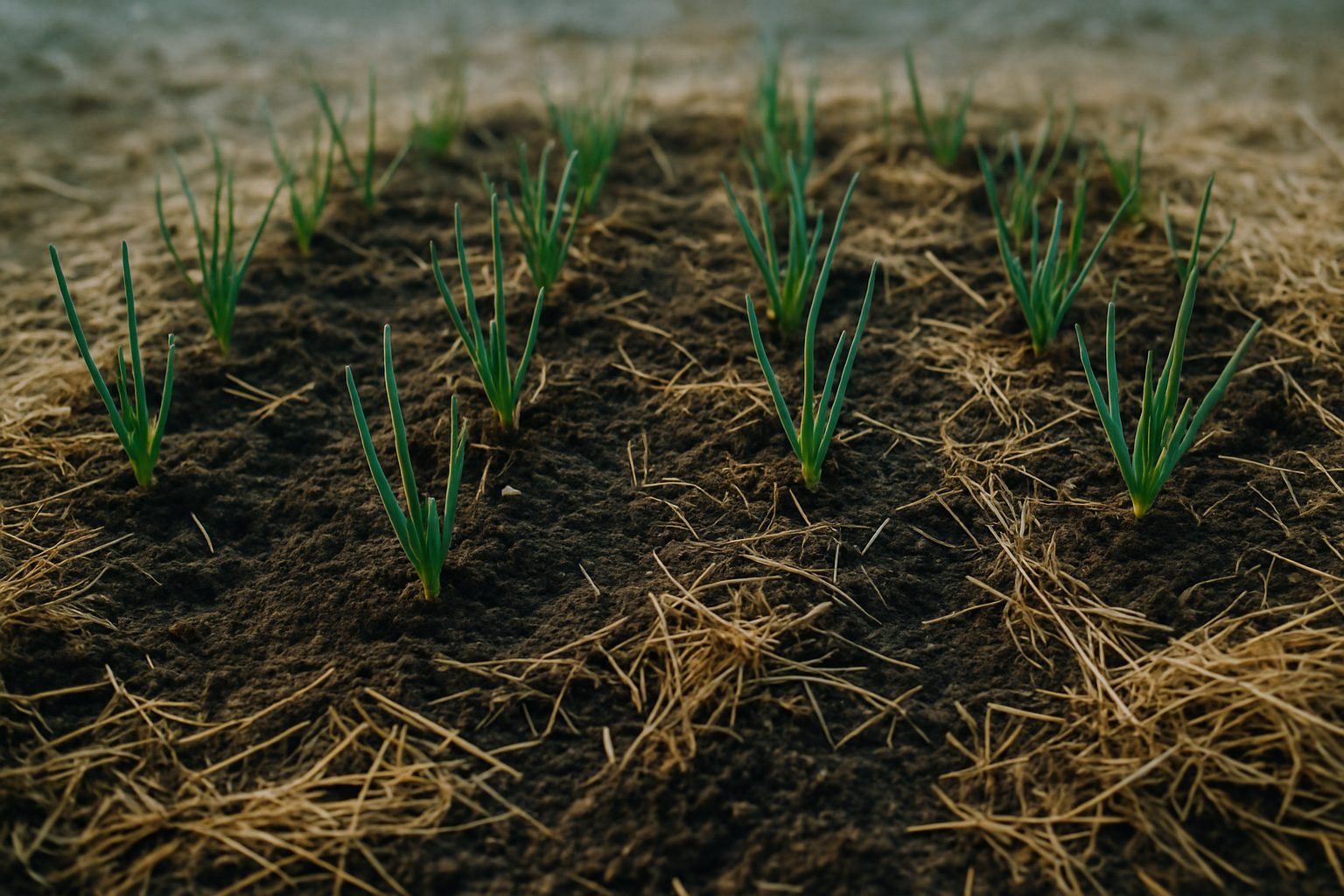
Introduction to Winter Onions
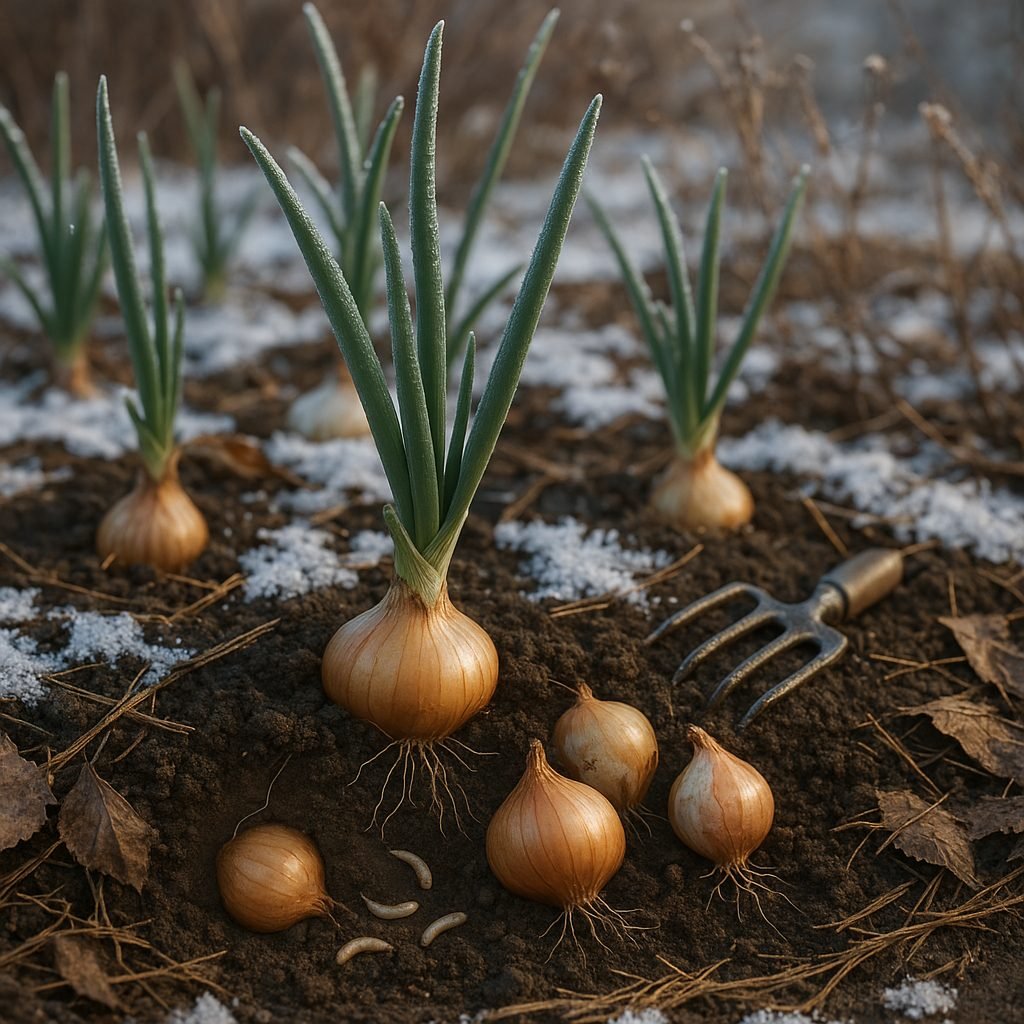
Growing onions in cold weather opens the door to a lesser-known but highly rewarding crop: winter onions. For gardeners aiming for year-round harvests, winter onions—sometimes called perennial or Egyptian walking onions—are a game-changer. Unlike standard onions, which typically require planting in spring and harvesting in summer, winter onions are specially bred to thrive in plunging temperatures.
Their unique resilience sets them apart from other members of the allium family, like chives or shallots, which usually don’t tolerate extended frost. This means you can enjoy crisp, homegrown onions when most of your vegetable patch is dormant.
Winter onions adapt to cold climates by forming hardy bulbs that survive underground, sprouting greens as soon as the weather allows. Imagine snipping fresh onion tops for your kitchen even as snow blankets your garden!
With the right care and well-chosen varieties, these onions can supply your table through late fall, winter, and even early spring—offering a fresh flavor boost when supermarket produce often falls flat. If you’re looking for low-maintenance, reliable crops that laugh in the face of frost, winter onions deserve a spot in your cold-climate garden.
Types of Onions Suitable for Winter Growing
When it comes to growing onions through the colder months, choosing the right varieties can make all the difference. Welsh onions are a fantastic pick for winter gardens; these perennial onions resemble scallions and are remarkably hardy, surviving frost and snow thanks to their clumping, evergreen growth. They don’t form large bulbs but offer green stems throughout winter to liven up your dishes.
Shallots are another reliable choice—these mild-flavored alliums originate from cooler climates and are usually grown from sets in late autumn. Their clustered bulbs mature in early summer, but shallots tolerate cold soil and resprout rapidly after a winter thaw.
Egyptian walking onions stand out for their resilience and quirky habit of developing small bulbils at the top of their stems, which eventually bend over and replant themselves, earning them the name “walking.” They’re perennials, so once established, you’ll enjoy consistent green shoots and small bulbs even after harsh winters.
Overwintering onion sets are specially bred for cold tolerance; varieties like ‘Radar’ or ‘Senshyu’ are planted in autumn and withstand freezing temperatures, sending up strong growth early in spring for an early harvest. These types outperform traditional onions in winter because of their robust root systems and resistance to cold damage.
For best success, focus on these winter-hardy varieties—choose perennial onions for easy, continuous harvest from year to year, or overwintering sets for an early summer bounty. With these resilient options, you can keep your onion patch productive no matter how cold it gets.
When and How to Plant Winter Onions
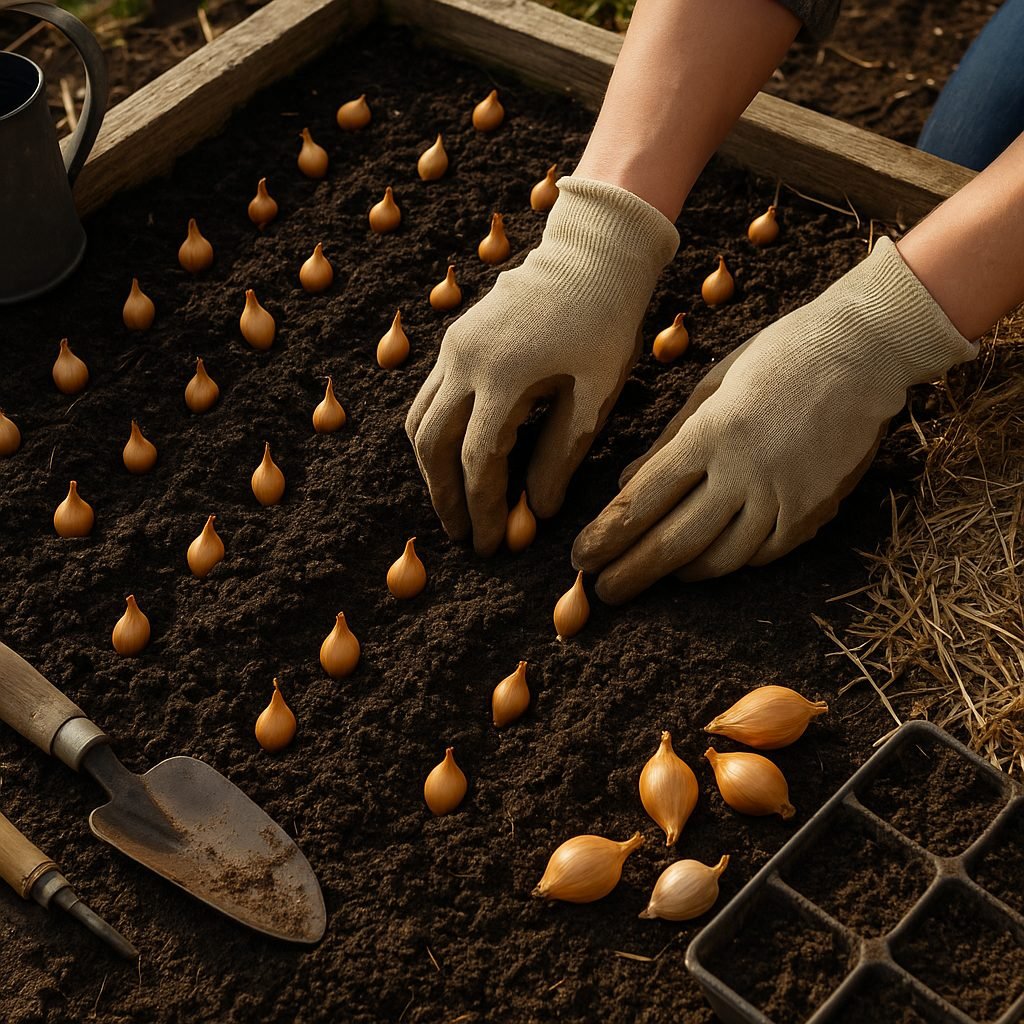
Planting winter onions at the right time is crucial for a successful harvest. The ideal window typically falls in early to mid-autumn, about 4-6 weeks before your first expected hard frost. In colder northern zones, aim to plant from late September to early October, while gardeners in milder southern climates can plant as late as November.
You have two main options for planting: sowing seeds or planting sets (small, dormant onion bulbs). Sets are generally easier and give you a head start, especially in regions with short growing seasons, while seeds are more economical and offer greater variety if started outdoors as soon as temperatures consistently drop.
Prepare your planting site by loosening the soil down to at least 6 inches and mixing in compost or well-rotted manure to boost fertility. Onions thrive in loose, nutrient-rich soil that drains well, so avoid areas where water tends to collect. If your soil is heavy or clay-based, consider raising your beds to prevent excess moisture around the bulbs, which can cause rot.
When planting, follow these spacing guidelines:
- Space onion sets or seeds about 4 to 6 inches apart.
- Plant in rows set 12 to 18 inches apart.
- Plant sets roughly 1 inch deep with their tips just protruding above the soil.
- Sow seeds at a shallow depth of about ½ inch and thin seedlings later for proper spacing.
Give your onions a generous watering after planting to help them settle in, and mulch with straw or leaves for added winter protection, especially in cooler regions. By following these timing, planting, and soil tips, you’ll set your winter onions up for robust growth once spring arrives.
Caring for Winter Onions
Once your winter onions are planted, keeping them healthy through the cold months is all about consistency and protection. Begin by watering just enough to keep the soil lightly moist—overwatering can cause rot, especially in chilly weather. Applying a thick layer of organic mulch, like straw or shredded leaves, insulates the bulbs against hard freezes and helps regulate soil moisture.
Check the mulch after heavy winds or snow, adding more if it looks thin or compacted. In areas prone to deep freezes, you can cover rows with frost cloth or mini-hoop tunnels to provide extra shelter from temperature swings.
Winter onions are naturally hardy, but freezing and thawing cycles can stress them. Try not to disturb the soil when it’s wet or frozen to avoid damaging roots.
Common Winter Threats
Watch out for slugs, which love damp mulch. To deter them, scatter crushed eggshells or use iron phosphate pellets. Also, keep an eye out for fungal diseases like downy mildew. Good airflow and proper spacing can help prevent outbreaks, but if you spot any symptoms, remove affected plants to protect the rest.
Winter Maintenance Tips
Growth naturally slows in the heart of winter, but you can support your onions by clearing away debris, checking for pests, and ensuring your mulch stays in place. If the mulch mats down, fluff it gently to keep things breathable.
While onions won’t need fertilizing until spring, healthy soil and steady care during the quiet months will set the stage for a strong burst of growth when warmth returns. Being proactive now makes all the difference—the effort you put into winter care means a bigger, healthier onion harvest come spring.
Harvesting and Storing Winter Onions
Knowing when to harvest winter onions makes all the difference in flavor and storage life. Overwintered onions, planted in the fall, mature in late winter or early spring. Watch for signs like yellowing tops that naturally fall over—this signals that the bulbs have stopped growing and are ready to harvest.
Avoid waiting too long, as prolonged soil moisture can cause rot. If possible, harvest on a dry, sunny day. Gently loosen the soil with a fork to avoid damaging the bulbs, then carefully lift them by the base instead of pulling on the foliage.
Shake off loose dirt, but don’t wash the onions since moisture encourages decay. Next, cure the onions by laying them out in a single layer in an airy, shaded spot, such as a covered porch or garage. Allow the skins and tops to dry for two to four weeks.
Once the outer skins are papery and the necks are fully dry, trim off the tops and roots.
Storage Tips
- Use mesh bags, baskets, or crates for storage.
- Keep onions in a cool (30-40°F), dry, and well-ventilated space.
- Overwintered onions stored this way typically last several months.
If you plan to use the onions fresh, simply clean and cook them right away. Fresh winter onions have a sweeter, milder flavor that’s excellent in salads or sautés but won’t keep as long as fully cured bulbs.
By taking care with harvesting and storage, you’ll enjoy a steady supply of homegrown onions throughout the coming months.
Troubleshooting Common Winter Onion Problems
Winter onions can run into several hiccups, but with a bit of attention, most problems are manageable.
Rot is common in soggy soil—look for yellowing leaves and a mushy base. To prevent it, plant onions in well-drained beds and avoid overwatering. If rot appears, remove affected bulbs immediately.
Frost damage shows up as wilted or translucent leaves after a cold snap. Cover onions with straw or horticultural fleece before severe frosts to protect them, and prune back damaged foliage so new growth can emerge.
If your onions look stunted or barely grow, it’s often due to poor soil nutrition or compacted ground. A layer of compost in fall and gentle loosening of the topsoil can help roots breathe and feed.
Hungry rabbits or voles might nibble at your bulbs or tops, so consider simple wire mesh or row covers as barriers.
If winter setbacks hit hard and you lose a few plants, assess survivors by gently tugging on their tops—healthy roots offer resistance. Damaged but intact bulbs can sometimes recover if the rot is trimmed away and replanted in fresh, well-prepared soil.
Replanting new sets in early spring is also a reliable way to fill gaps and restore your onion patch.
Final Tips and Encouragement for Winter Onion Growers
Growing winter onions can be both rewarding and surprisingly simple, bringing fresh, homegrown flavor to your table even when most gardens are dormant. The satisfaction of harvesting your own onions in late winter or early spring is hard to beat, especially after months of chilly weather.
If you’re new to winter onion cultivation, consider starting small—try a few rows or containers so you can focus on learning the basics without feeling overwhelmed. Regularly check your onions for signs of pests or disease, and be diligent about weeding and maintaining soil moisture, as these simple steps go a long way toward a healthy crop.
Keeping a garden journal or recording key milestones, like planting dates and growth progress, can help you track what works best in your climate and soil, making each season easier. Don’t be afraid to experiment with different onion varieties or try new methods, such as mulching or overwintering sets; you might discover a new favorite or improve your yields.
Every winter brings fresh opportunities to learn and grow, so stay curious, celebrate small wins, and remember that each bulb you harvest is a testament to your patience and care.