Introduction to Square Foot Gardening and Kale
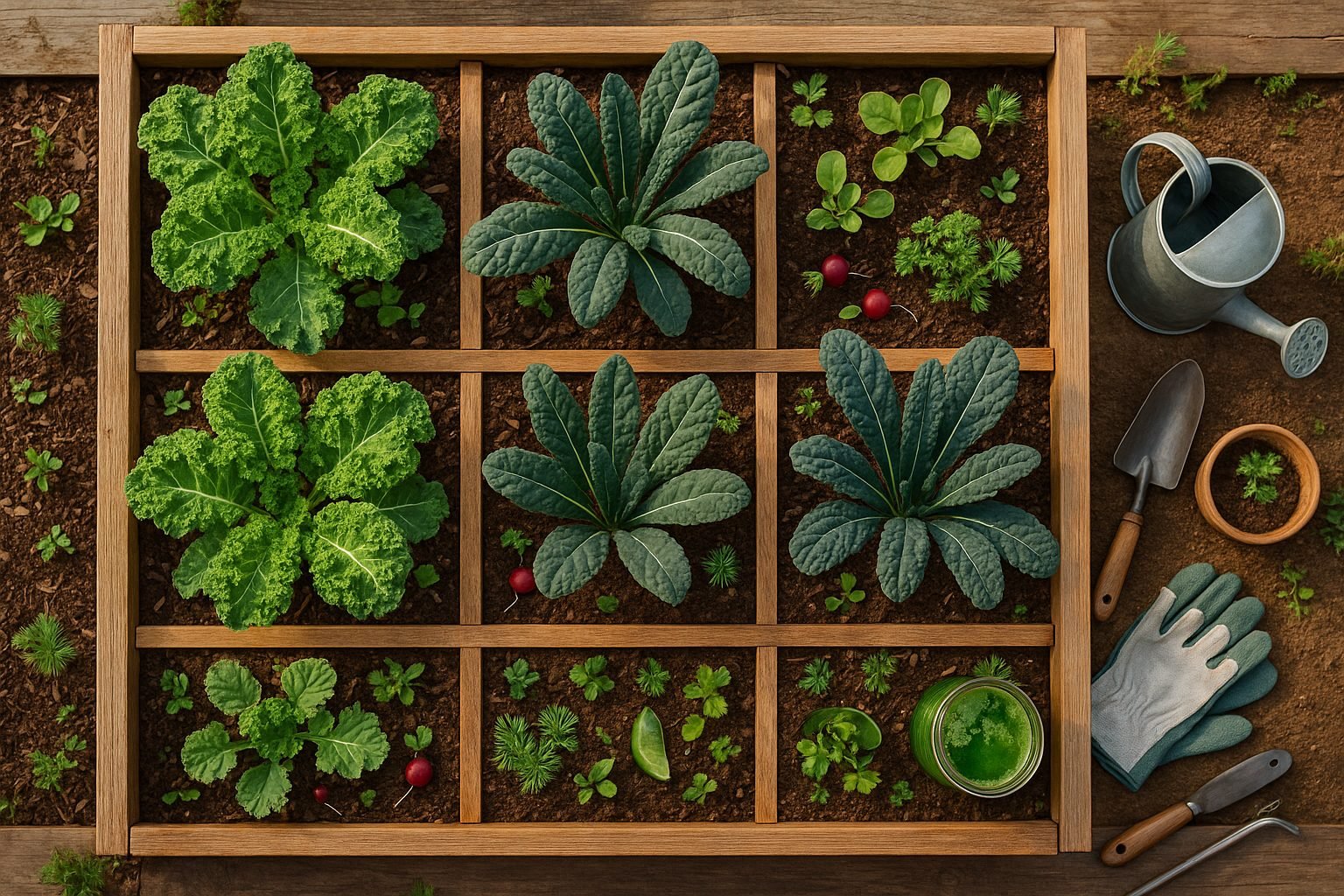
kale per square foot—it’s a phrase you’ve probably seen pop up in gardening circles, especially among those embracing the trend of square foot gardening (SFG). This smart, space-saving growing method has revolutionized how both novice and seasoned home gardeners maximize their harvest from minimal space. Instead of sprawling rows that demand a big backyard, SFG breaks your garden into manageable, one-foot squares, allowing you to strategically plant crops like kale, lettuce, or herbs based on their ideal spacing. It’s the perfect solution for anyone with limited room or simply looking for a more organized and productive way to grow food.
So, why consider kale per square foot as you plan your garden? Kale thrives under SFG principles thanks to its compact growth habit and resilience. Planting kale in square-foot increments helps you control spacing, reduce crowding, and minimize wasted soil. It also simplifies crop rotation and succession planting, so you can enjoy a steady supply of fresh greens. Plus, SFG beds require less weeding and watering compared to traditional gardening, saving you time and effort—leaving more room to enjoy the fruits (or leafy greens) of your labor.
Beyond gardening efficiency, kale packs a tremendous nutritional punch. Loaded with vitamins A, C, and K, as well as antioxidants and fiber, kale is a powerhouse ingredient for green smoothies, salads, stir-fries, and crispy oven-baked chips. Its rise in popularity isn’t just driven by health trends—home cooks are discovering how versatile and tasty kale can be. Demand for fresh, backyard-grown kale has never been higher, whether you’re eating it raw, sautéed, or blended. If you’re ready to boost your garden’s productivity and your plate’s nutrition, mastering how many kale plants fit per square foot could be your next step toward homegrown success.
Understanding the Basics: Why Kale Spacing Matters
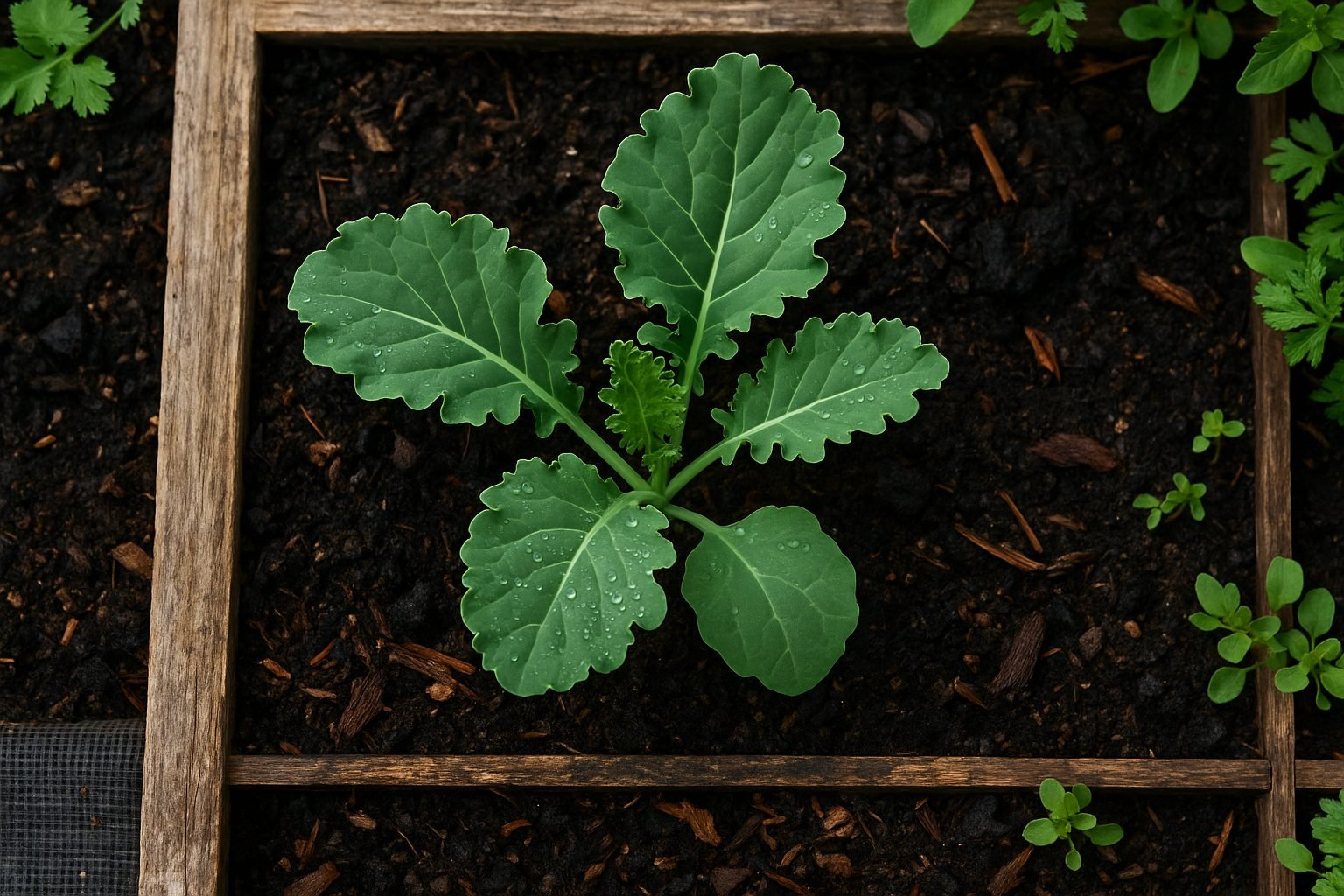
Proper spacing is one of the most important factors to consider when growing kale in a Square Foot Gardening (SFG) system, and it can make the difference between a thriving bed and a lackluster harvest. Kale plants need enough room for their leaves to spread out, which encourages optimal airflow around each plant.
Good airflow is crucial because it helps prevent excess moisture from lingering on leaves and stems—conditions that invite diseases such as powdery mildew or leaf spot. When plants are too close together, they compete for light, water, and nutrients, resulting in stunted growth and weaker flavor. Overcrowded kale is also more prone to pest outbreaks since pests can easily hop from one leaf to the next.
On the other hand, spacing plants too far apart wastes valuable real estate in your SFG bed and may encourage weeds to take hold in the bare patches. A common recommendation for kale is to plant one seedling per square foot—this provides enough room for robust leaf growth and makes routine care, like watering and harvesting, more accessible.
For example, if you squeeze in two plants per square foot, you might notice their inner leaves yellowing or outer leaves staying small as they fight for sunlight. For best results, stick to the recommended spacing, keep an eye on your plants’ growth, and don’t be tempted to fill every inch of soil—sometimes less really is more when it comes to healthy, productive kale in your garden.
Ideal Kale Spacing in Square Foot Gardening
When planning your square foot garden, getting kale spacing right can make a huge difference in your harvest, whether you’re aiming for hearty full-size leaves or tender baby greens.
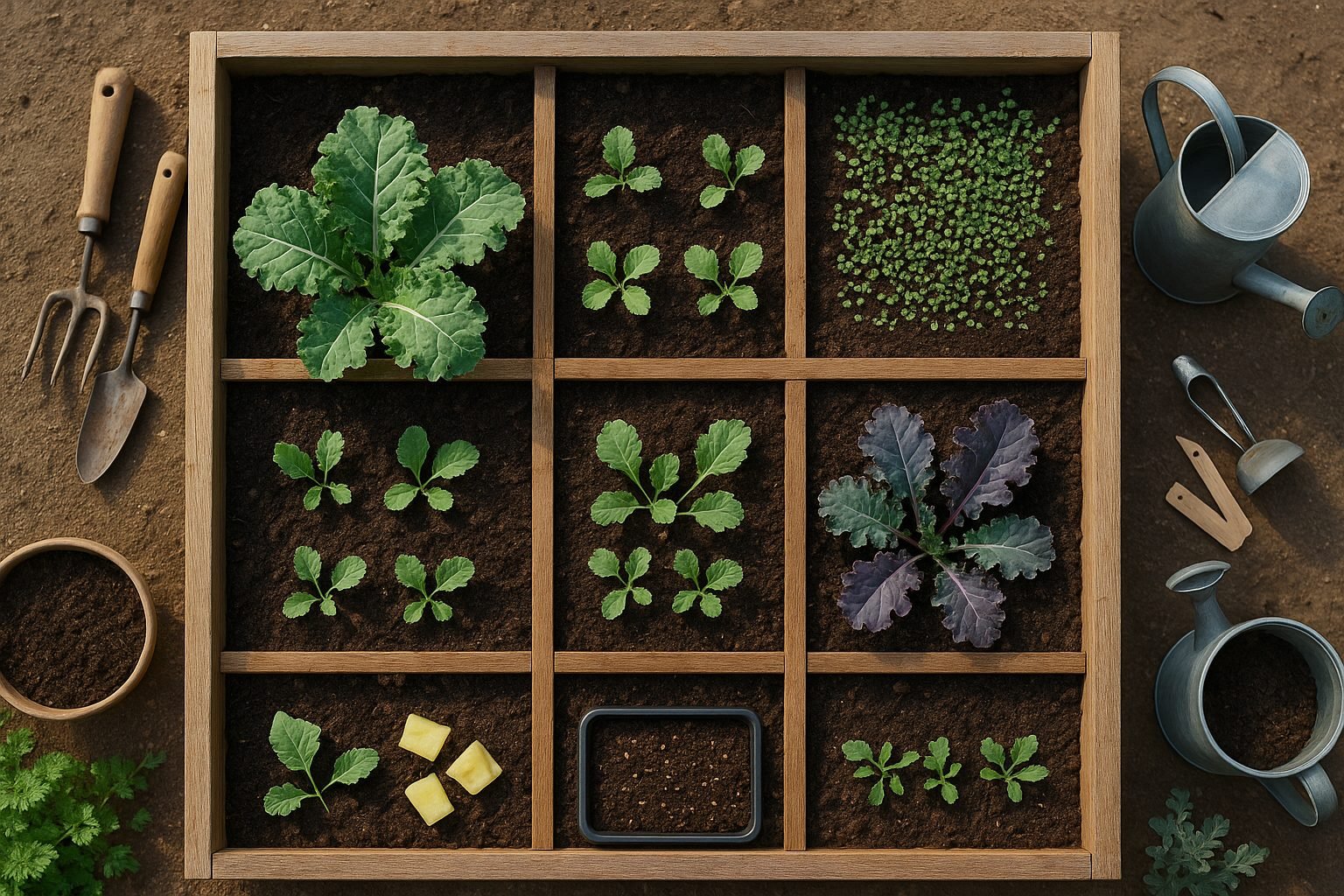
For full-size kale, most Square Foot Gardening (SFG) experts like Mel Bartholomew recommend planting just one kale plant per square foot—picture a single healthy seedling centered in the square to give its leafy rosette room to flourish.
If your goal is baby kale, you can fit 4 to 9 plants per square, arranging them evenly in a 2×2 or 3×3 grid like the dots on a die. Baby kale doesn’t need as much room, so you can get away with tighter planting without crowding.
For microgreens, go even denser: sprinkle an even layer of kale seeds across the surface of one square and harvest the tiny greens within 10–14 days.
Imagine a simple chart—1 per square for full-size, 4–9 for baby, and a dense sprinkle for microgreens—to guide your layout at a glance.
Kale variety matters too; dwarf types like Dwarf Blue Curled need less space than larger varieties such as Lacinato or Red Russian, so you can experiment with slightly closer spacing if using compact types.
Many experienced SFG gardeners suggest trying different spacings to see what works best with your variety, light, and local conditions.
No matter your approach, thinning your seedlings early ensures every plant has enough airflow and sunlight, preventing disease and encouraging healthy growth.
Preparing Your Square Foot Garden for Kale
Getting your square foot garden ready for kale starts with creating the right soil environment, which is crucial for strong, healthy plants. In the Square Foot Gardening (SFG) method, fill your raised bed with the classic “Mel’s Mix”—a balanced blend of one-third peat moss or coconut coir, one-third vermiculite, and one-third finished compost. This mix provides good drainage, moisture retention, and a steady supply of nutrients that leafy greens like kale crave.
Aim for at least 6 inches of bed depth, but if you can make it 12 inches, your kale roots will appreciate the extra space. Before planting, replenish the compost portion by mixing in a generous scoop of fresh, diverse compost into each square; this feeds your kale continuously throughout the growing season.
When planning your layout, allocate one cooler, shadier edge square per kale plant, as kale enjoys cooler temperatures. Planting too many per square can crowd them, so stick to one per square.
Companion Planting for Healthier Kale
To promote even healthier kale, try pairing it with great companion plants in the squares beside it. For example:
- Plant aromatic herbs like dill or cilantro nearby to deter aphids.
- Interplant with onions or garlic as natural pest repellents.
- Grow radishes in adjacent squares; they mature quickly and help break up the soil.
Avoid planting other brassicas, like cabbage or broccoli, right next to kale since they compete for similar nutrients and attract the same pests.
With the right soil prep and thoughtful layout, your kale will thrive, yielding a bountiful harvest in your easy-to-manage square foot garden.
Planting and Caring for Kale in a Square Foot Garden
Planting kale in a square foot garden is not only space-saving but also straightforward. Start by prepping your SFG bed with rich, well-aerated soil mixed with compost—kale thrives in soil that drains well and is packed with plenty of nutrients.
If sowing seeds, poke small holes about ½ inch deep in each square; drop 2–3 seeds into each hole, spacing four holes evenly per square foot. If using transplants, set one strong seedling per square, gently patting the soil around the base.
Water your bed thoroughly after planting, keeping the soil consistently moist but not soggy—kale prefers steady hydration, especially in warmer weather. To hold in moisture and keep weeds at bay, lay down a thin layer of straw or leaf mulch around your seedlings.
Every few weeks, top-dress the area with a balanced organic fertilizer to fuel leafy growth, watching for yellowing leaves, which can signal nitrogen deficiency. Aim to provide at least six hours of sunlight per day, but if you’re gardening in a hot region, a bit of afternoon shade helps prevent bolting.
Pest Management
Keep an eye out for common kale pests like aphids, cabbage loopers, and flea beetles, which can nibble holes or cluster on the undersides of leaves.
- For mild infestations, simply rinse pests off with a strong spray of water.
- For persistent bugs, try a homemade garlic or neem oil spray.
- Floating row covers are a great preventative measure, especially for newer seedlings, as they physically block flying insects from accessing your plants.
Regularly inspect your kale for signs of munching or sticky residue—catching issues early means a quick, non-toxic response will usually do the trick.
With consistent watering, organic feeding, regular pest patrols, and the SFG’s natural weed-suppressing layout, even novice gardeners can enjoy a steady supply of lush, healthy kale right from their backyard beds.
Harvesting and Storing Kale
Harvesting kale at the right time is key for the best flavor and to keep your plants producing. Start picking leaves once they’re about the size of your hand—typically 45 to 60 days after planting. For the sweetest, most tender kale, harvest in the morning after the dew dries, or wait until after a light frost, which brings out the plant’s natural sugars.
Use the “cut and come again” method: snip a few of the outer, lower leaves from each plant while leaving the central bud and most of the inner leaves untouched. This encourages the plant to keep growing and gives you fresh leaves week after week. Be gentle as you cut, either using clean scissors or snapping the stems downward by hand.
After harvesting, promptly rinse the kale in cool water to remove garden dirt and any insects, then pat dry. Store unwashed leaves in a loosely closed plastic bag in your refrigerator’s crisper drawer for up to a week. Washed leaves should be thoroughly dried with a salad spinner or towel before storage to prevent rot.
For longer storage, blanch kale leaves in boiling water for a couple of minutes, then freeze them flat in bags—perfect for tossing into soups, smoothies, or sautés later.
With regular picking and good storage habits, you’ll enjoy homegrown kale for months, whether tossed fresh into salads, blended into green juices, or cooked as a side dish.
Troubleshooting and Frequently Asked Questions
If your kale leaves are turning yellow, the most common culprit is overwatering or poor drainage—try letting the soil dry out a bit between waterings and ensure your garden bed drains well.
Bolting, or premature flowering, often happens when temperatures soar; protect your plants with shade cloth or plant kale earlier or later in the season to avoid hot spells.
For pest problems like aphids or cabbage worms, regularly inspect the undersides of leaves, handpick pests, or spray with insecticidal soap.
Many gardeners ask about kale spacing in Square Foot Gardening (SFG): plan on one kale plant per square foot for healthy growth, since overcrowding can invite disease and pest issues.
Wondering about companion planting? Kale pairs well with herbs like dill or nasturtium, which help repel pests, but avoid planting near strawberries, as they can compete for nutrients.
Kale thrives in six hours of sunlight but tolerates partial shade—just expect slower growth if light is limited.
Don’t be afraid to experiment with different plant combinations, varieties, or garden layouts in your space; everyone’s growing conditions are a little different.
Share your successes and challenges with others in gardening forums or social media, and you’ll discover a wealth of practical tips from fellow kale enthusiasts.
Final Tips and Resources for Square Foot Gardening Success
To get the most from your kale harvest using Square Foot Gardening (SFG), focus on spacing, regular harvesting, and soil care. Plant kale seedlings one per square foot in each grid—this gives them enough room to thrive without crowding.
Harvest outer leaves often when they reach hand-size to encourage new growth and enjoy tender, sweet leaves. Keep the soil nutrient-rich by working in compost between crops and using a mulch layer to retain moisture and keep weeds in check. Water consistently, aiming for the base of each plant during the cooler morning hours.
If you spot pests like aphids, gently wash them off or use organic solutions like neem oil. For more inspiration and step-by-step guidance, check out Mel Bartholomew’s book All New Square Foot Gardening, visit the Square Foot Gardening Foundation website, or explore blogs like The Beginner’s Garden and Epic Gardening for practical tips.
Whether you’re new to gardening or looking to diversify your SFG beds, kale is a forgiving and rewarding choice. Start small or expand with different greens, and enjoy the satisfaction of fresh harvests right outside your door—every leaf is a step closer to sustainable, homegrown meals.