Introduction
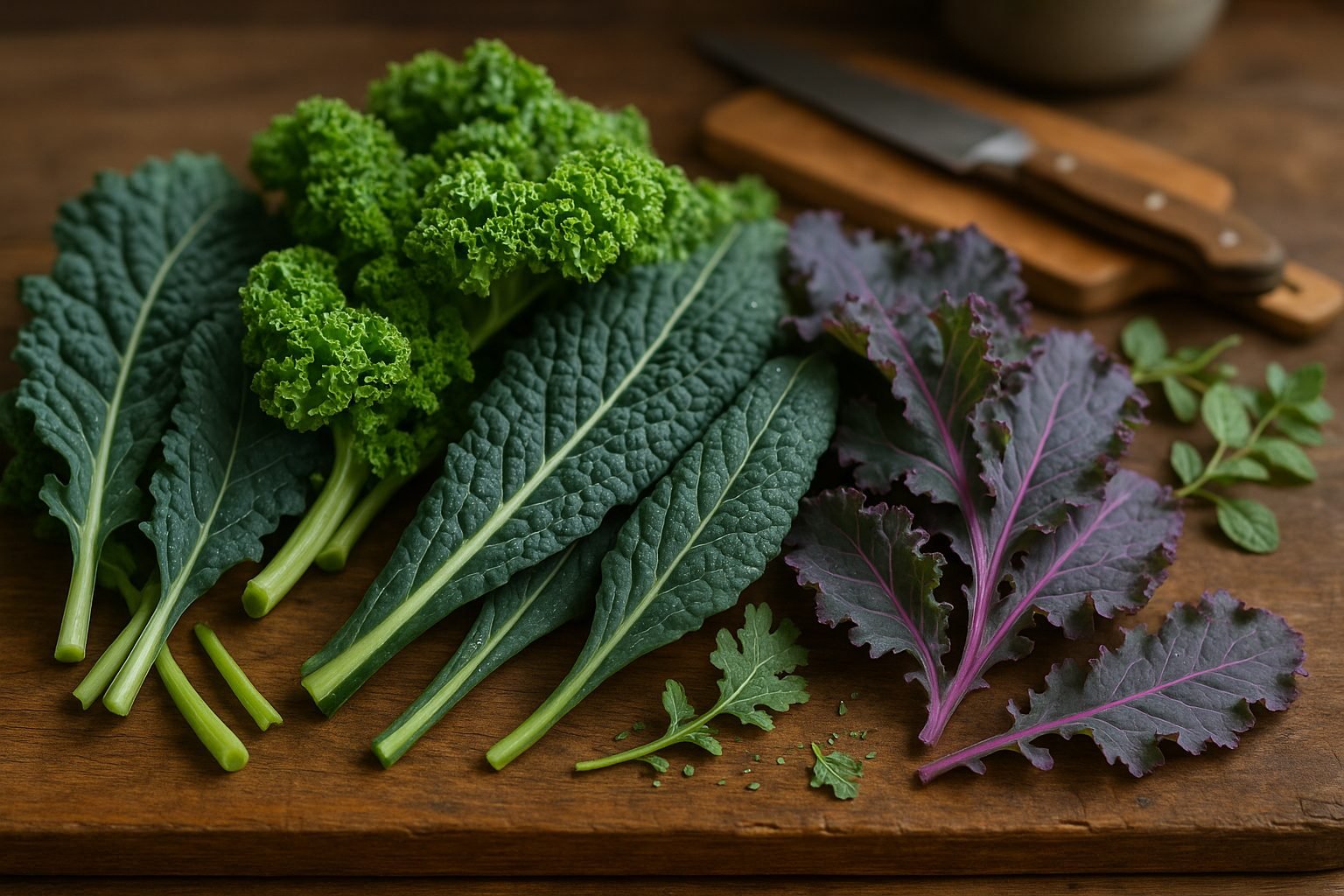
kale recipes have taken center stage in kitchens everywhere as this leafy green continues its rise as a superfood favorite. But what exactly is kale, and why are so many gardeners and home cooks eager to use it? Kale is a member of the cabbage family, known for its deep green (and sometimes purple) leaves and its incredible nutrient profile.
Over the last decade, its popularity has soared—thanks in no small part to the health movement and a growing awareness of the vital role vegetables play in our diets. Packed with vitamins A, C, and K, plus calcium, antioxidants, and plenty of fiber, kale offers big benefits in a small package. Eating it regularly may help boost immune health, improve digestion, and even support heart health.
For home gardeners, kale is especially appealing since it grows easily in many climates and delivers a steady harvest. Whether you have an abundance of fresh kale from your backyard or just a bunch from the farmer’s market, there’s no shortage of ways to enjoy it.
In this article, we’ll dive into a delicious variety of kale recipes—covering easy sautés, crisp salads, clever chips, and even heartier dishes like soups and casseroles—to help you make the most of every leafy harvest.
Types of Kale and How to Choose the Best
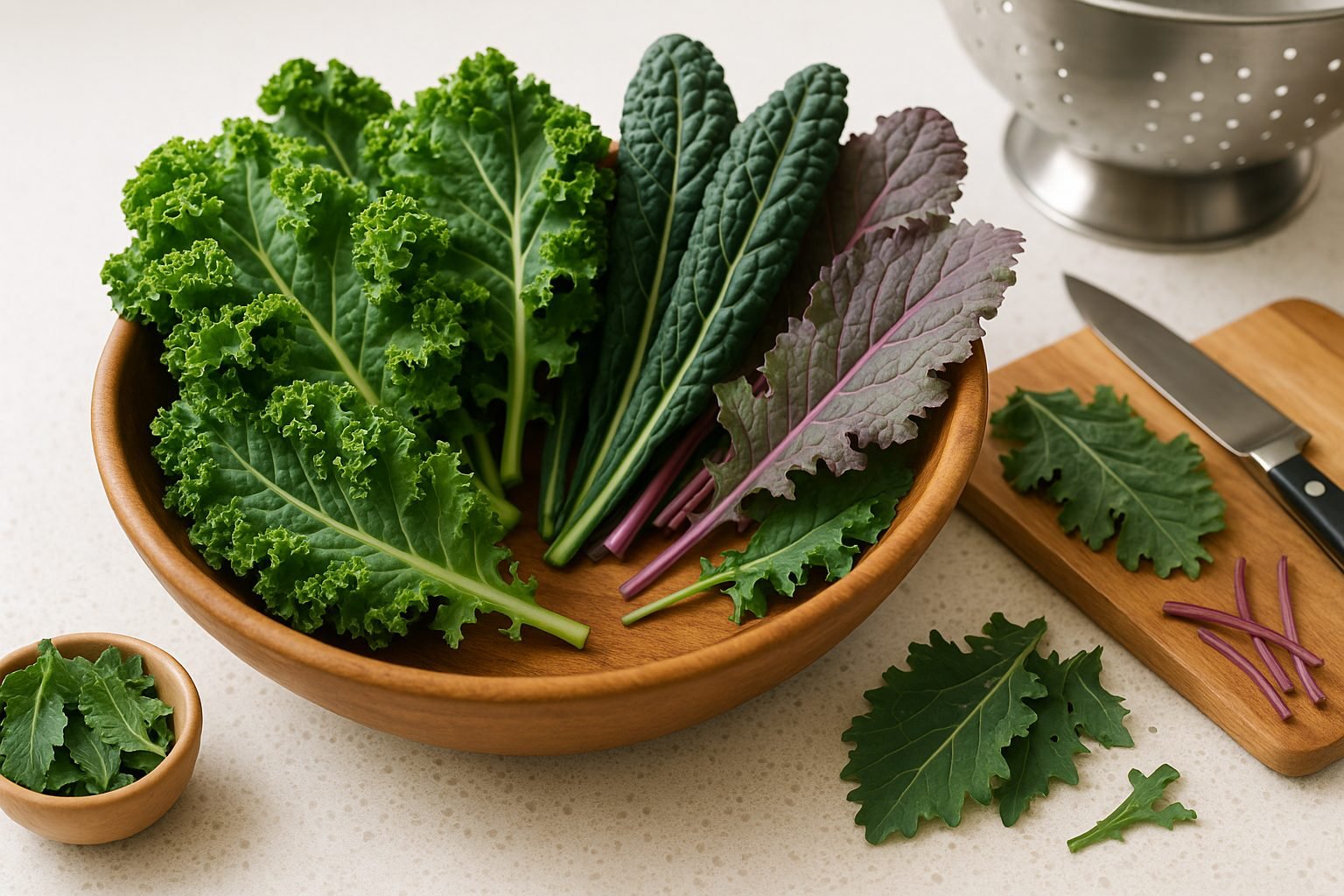
When it comes to kale, there are several popular varieties, each with its own texture and flavor profile. Curly kale is the most common type you’ll find, with ruffled, bright green leaves and a slightly peppery taste—perfect for salads, smoothies, or sautéing.
Lacinato kale, also known as Tuscan or dinosaur kale, has dark blue-green, narrow leaves and a more delicate, slightly sweeter flavor, making it great for soups, chips, and simple sautés.
Red Russian kale has flat, fringed leaves tinged with purple-red veins, offering a mild, tender bite that works well in raw salads or as a cooked green.
To pick the best bunch at the store or market, look for kale that’s vibrant in color, with firm, crisp leaves and moist stems. Avoid bunches with yellowing, limp, or wilted leaves, as these are signs the kale is past its prime.
When you get home, always rinse the leaves thoroughly to remove any dirt or grit—kale can be surprisingly sandy. Hold each leaf by the stem with one hand, then strip the leaf away from the tough central rib with your other hand; this stem is edible but very fibrous, so most people remove it before chopping the leaves to your desired size.
Proper preparation keeps your kale fresh-tasting, tender, and ready to pair with your favorite recipes.
Top Methods for Cooking Kale
Kale’s versatility in the kitchen means there’s a cooking method to suit every taste and texture preference. Sautéing kale is one of the quickest options—just heat a splash of olive oil in a skillet, toss in chopped kale, and cook for 5-7 minutes until it wilts to a bright green. Adding a pinch of salt and a squeeze of lemon helps mellow out the natural bitterness, while minced garlic or red pepper flakes give an extra flavor boost.
For those who love a satisfying crunch, roasting kale into chips is a game changer: toss dry, bite-sized pieces with a drizzle of oil and a sprinkle of sea salt, spread in a single layer on a baking sheet, and roast at 350°F for about 10-15 minutes, flipping once to ensure they crisp up without burning.
Steaming or blanching is perfect if you want soft, tender kale for salads or grain bowls—just steam for 3-5 minutes (or blanch in boiling water for 2-3 minutes followed by an ice bath), which softens the leaves and lessens the bitterness while keeping the nutrients intact. Dress with a splash of vinegar or your favorite vinaigrette for extra flavor.
Braising, where you simmer kale gently in broth or tomatoes for 20-30 minutes, turns the tough leaves meltingly tender and infuses them with rich taste—try this technique with hearty soups or as a flavorful side.
No matter which method you choose, removing the fibrous stems and massaging the leaves with a bit of oil before cooking can make a noticeable difference in texture and flavor. Don’t be afraid to experiment with seasonings like soy sauce, smoked paprika, or parmesan—kale’s earthy base pairs well with bold, savory ingredients and a hint of acidity.
With a little know-how, you can quickly turn this leafy green into a crave-worthy addition to almost any meal.
Kale in Recipes: Breakfast, Lunch, and Dinner Ideas
Kale is a fantastic leafy green to weave into every meal of the day—starting with breakfast. For a nutrient-packed morning, toss a handful of baby kale into your smoothies alongside banana, pineapple, and a splash of orange juice. Its mild flavor blends effortlessly and delivers a healthy dose of vitamins.
If you love savory starts, chop kale finely and fold it into omelets or scrambled eggs just before the eggs set. Pair it with crumbled feta and sun-dried tomatoes for a Mediterranean twist.
At lunchtime, swap classic lettuce for kale in your salads: simply massage torn leaves with a little olive oil and salt to make them tender and less bitter. Try mixing kale with roasted sweet potato, black beans, and avocado, then drizzle with a zingy lime-tahini dressing for a hearty, satisfying bowl.
For classic Caesar salads, opt for a creamy yogurt-based dressing with lemon and anchovy to complement kale’s robustness.
When dinner rolls around, kale shines in all kinds of main dishes. Stir chopped kale into pasta during the last few minutes of cooking—especially with creamy sauces or garlicky olive oil, mushrooms, and parmesan.
In soups, add kale near the end so it wilts but stays vibrant; it works beautifully in white bean, sausage, or lentil soups, boosting both flavor and nutrition.
For easy comfort food, bake kale into casseroles or toss it with cooked grains for bowls topped with grilled chicken or tofu, roasted veggies, and a sprinkle of nuts or seeds.
To maximize kale’s nutrition, pair it with foods rich in healthy fats—think avocado, nuts, or olive oil—which help your body absorb its vitamin K and other fat-soluble nutrients.
Don’t be afraid to blend kale with bold flavors like garlic, chili flakes, bacon, citrus, or cheeses like goat and parmesan—they all balance kale’s earthy taste and keep your meals interesting.
With a little creativity, it’s easy to make kale a crave-worthy staple that supports your health from breakfast to dinner.
Tips and Pro Tricks for Cooking with Kale
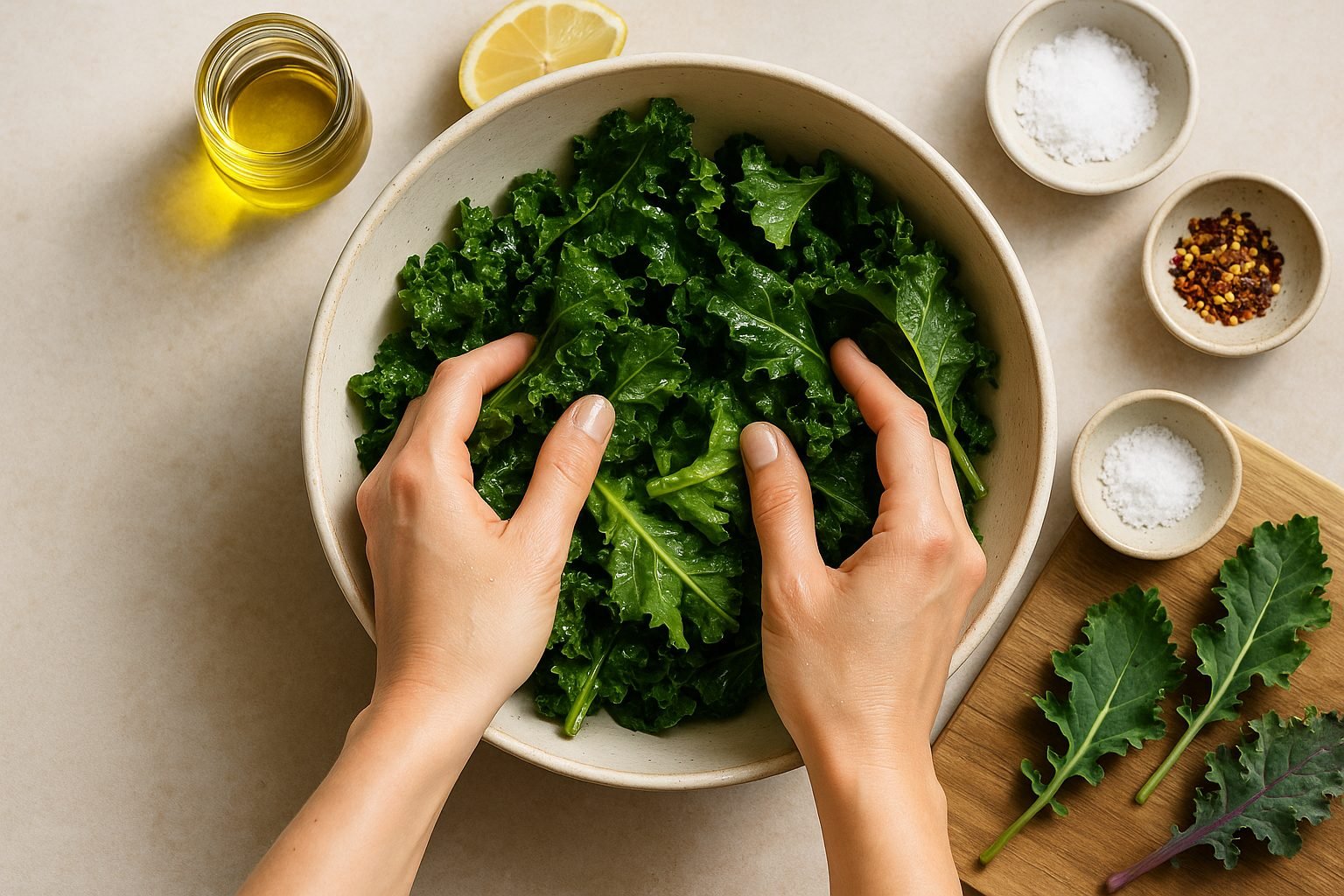
To get the most flavor and best texture from kale, always start by massaging the leaves. This simple but expert trick transforms tough, bitter kale into a tender, almost sweet vegetable. Just drizzle a teaspoon of olive oil or lemon juice over destemmed, chopped kale, then rub the leaves together with your fingers for a minute or two until they soften and darken—a game changer for salads.
Don’t forget seasoning: kale’s earthy taste shines with a good pinch of salt, a squeeze of citrus, and a dash of chili flakes or grated garlic.
When cooking, avoid overdoing it—kale only needs a few minutes to sauté until vibrant green and just wilted. Overcooking leads to a mushy texture and bitter flavor, so watch carefully.
For storage, keep kale unwashed in the fridge, tucked in a produce bag with a paper towel to absorb moisture; it can last up to a week this way. For meal prepping, wash, dry, and chop your kale ahead of time, storing it in airtight containers so you’re ready to toss handfuls into soups, smoothies, or stir-fries throughout the week.
Finally, underseasoning is another common pitfall—kale is sturdy and benefits from bold flavors, so don’t be shy with your favorite vinegars, cheeses, or crunchy toppings like seeds and nuts.
By avoiding these mistakes and using these pro tricks, you’ll turn kale into a crave-worthy staple rather than a chore.
Kale FAQ: Answering Common Questions
Kale can be enjoyed both cooked and raw, depending on your taste preferences and what you’re making. Eating it raw, such as in salads or smoothies, keeps its nutrients intact but may taste bitter and be tough to chew.
Massaging raw kale leaves with a drizzle of olive oil or a sprinkle of salt can soften them and help reduce bitterness—just scrunch the leaves in your hands for a minute or two. Cooking kale by steaming, sautéing, or baking also mellows out its flavor and makes it easier to digest, so it’s great in soups, stir-fries, or as crispy kale chips.
If you’re not using your kale right away, you can freeze it both raw and cooked. To freeze raw kale, wash and dry the leaves thoroughly, chop them, and spread them in a single layer on a baking sheet before transferring to a freezer bag—blanching for a couple of minutes first helps preserve color and nutrients.
Leftover kale doesn’t have to go to waste: toss wilted leaves into omelets, blend into pesto, mix into pasta, or stir into soups and stews. Even kale stems can be saved—try pickling them or chopping finely to add a nice crunch to grain bowls.
With these simple tips, you can get the most out of every bunch of kale, no matter how you like to eat it.
Creative Kale Recipes to Try Next
If you’ve mastered basic kale salads, it’s time to explore bold and unexpected ways to use this nutrient-packed green. Swap out the usual basil in your pesto for kale, blending it with toasted walnuts, parmesan, garlic, and olive oil—perfect for tossing with pasta, spreading on sandwiches, or drizzling over roasted veggies.
For something heartier, try kale and quinoa patties: simply mix cooked quinoa, chopped kale, eggs, and breadcrumbs, then pan-fry until crispy for a protein-packed, meatless main course or satisfying snack.
Looking for a new twist on a classic? Kale Caesar salad ups the game with massaged kale leaves, crunchy roasted chickpeas instead of croutons, and a zesty homemade dressing—making every bite punchy and nutritious.
Or, step further outside the box with kale chips dusted in smoked paprika, or stir chopped kale into your morning smoothie for a vitamin boost that’s hardly noticeable in taste.
The beauty of kale is its versatility—experiment by tossing it into soups, frittatas, or even baking it into savory muffins. Don’t be afraid to use it where you least expect; with its sturdy texture and earthy flavor, kale can add both nutrition and interest to dozens of everyday meals.
Conclusion: Get Cooking with Kale!
Cooking with kale is easier than you might think, and the health benefits are hard to beat. Whether you’re tossing it into a salad, sautéing it with garlic, or blending it into a smoothie, kale adds a nutritious punch to any meal with minimal effort.
Trying out different recipes—like crispy kale chips or a hearty kale soup—can help you discover just how versatile and tasty this leafy green can be. Don’t hesitate to experiment in your own kitchen. Make kale a regular part of your meals, and enjoy both the flavor and the boost to your well-being!