
Introduction
Growing cucumbers year-round indoors has become an increasingly popular hobby for home gardeners—and for good reason. There’s something deeply rewarding about plucking a crisp, homegrown cucumber straight from the vine, no matter the season.
Beyond the joy of nurturing a plant from seed to harvest, cucumbers are a versatile kitchen star. They add a refreshing crunch to salads, sandwiches, and salsas, and can be transformed into pickles for a healthy, tangy snack. Packed with hydration, vitamins, and antioxidants, cucumbers support digestion, skin health, and even weight management, making them a smart addition to your daily diet.
But is it truly possible to enjoy this garden favorite all year long within the cozy comfort of your own home? In this article, we’ll guide you step by step through the essentials—choosing the right varieties, setting up your indoor growing space, managing light and water, and tackling common pests.
Whether you’re brand-new to indoor gardening or simply want a steady supply of cucumbers year-round, we’ll help you turn your kitchen into a source of fresh, healthy produce—no summer sun required. Ready to start harvesting? Let’s get growing!
Choosing the Right Cucumber Variety
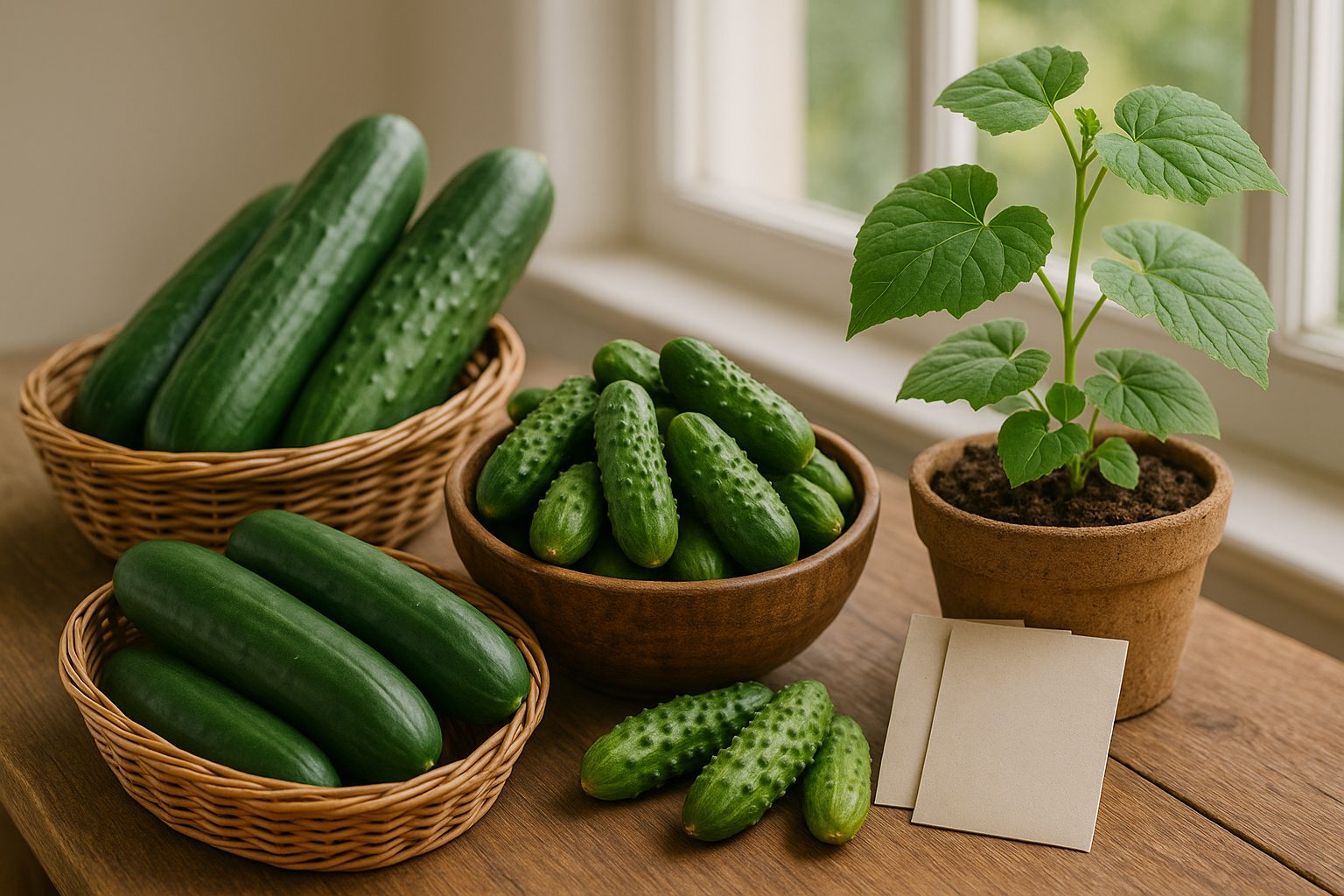
When planning your cucumber patch, choosing the right variety can make a big difference in both your harvest and enjoyment. Slicing cucumbers, like the popular ‘Marketmore’ or ‘Straight Eight,’ are ideal for fresh eating and salads, offering crisp, mild flavors and smooth skins.
If you love homemade pickles, look for pickling types such as ‘Boston Pickling’ or ‘Calypso’—these produce shorter, bumpier fruits that hold up well in brine.
Have space constraints? Bush varieties like ‘Bush Champion’ or ‘Spacemaster’ are bred for compact growth and thrive in containers or small beds. Traditional vining cucumbers send out long, wandering shoots and require sturdy trellises but reward you with higher yields.
For apartment balconies or patios, go with bush types in large pots with at least 6-8 inches of soil depth.
Regardless of which you pick, check seed packets for disease resistance—varieties labeled as tolerant to powdery mildew or mosaic virus will struggle less, especially in humid climates. Also, consider your local weather: heat-loving varieties handle southern summers well, while some, like the ‘Lemon’ cucumber, adapt nicely to cooler regions.
Mixing a few types can help ensure a steady harvest and provide some insurance if weather or bugs hit one plant harder than others.
Climate and Soil Requirements
Cucumbers thrive in warm environments, making temperature and sunlight key factors in their success. Aim to plant cucumbers when daytime temperatures are consistently between 70°F and 85°F, as cooler conditions can slow growth and affect fruit development. Full sunlight is ideal—choose a spot that receives at least 6 to 8 hours of direct sun each day to ensure healthy vines and plentiful fruit.
When it comes to soil, cucumbers prefer a loose, well-draining texture so roots don’t become waterlogged or suffocate; sandy loam is a top choice. Good drainage is crucial, especially after heavy rain, so avoid low-lying areas where water collects. They perform best in soils with a pH between 6.0 and 6.8, which you can check with an inexpensive soil test kit from a garden center.
To improve poor soil, mix in compost or well-rotted manure a few weeks before planting—this enriches the earth, boosts drainage, and balances pH. Mulching with straw or shredded leaves can further support moisture retention while keeping weeds in check.
Lastly, careful site selection makes a world of difference: pick a location shielded from strong winds and free from the shadow of buildings or tall plants so cucumbers receive uninterrupted sun. Rotating cucumber beds each year can also help prevent soil-borne diseases and pests from building up. By matching your site and soil to these needs, you give your cucumbers the best possible start for a robust harvest.
Planting and Initial Care
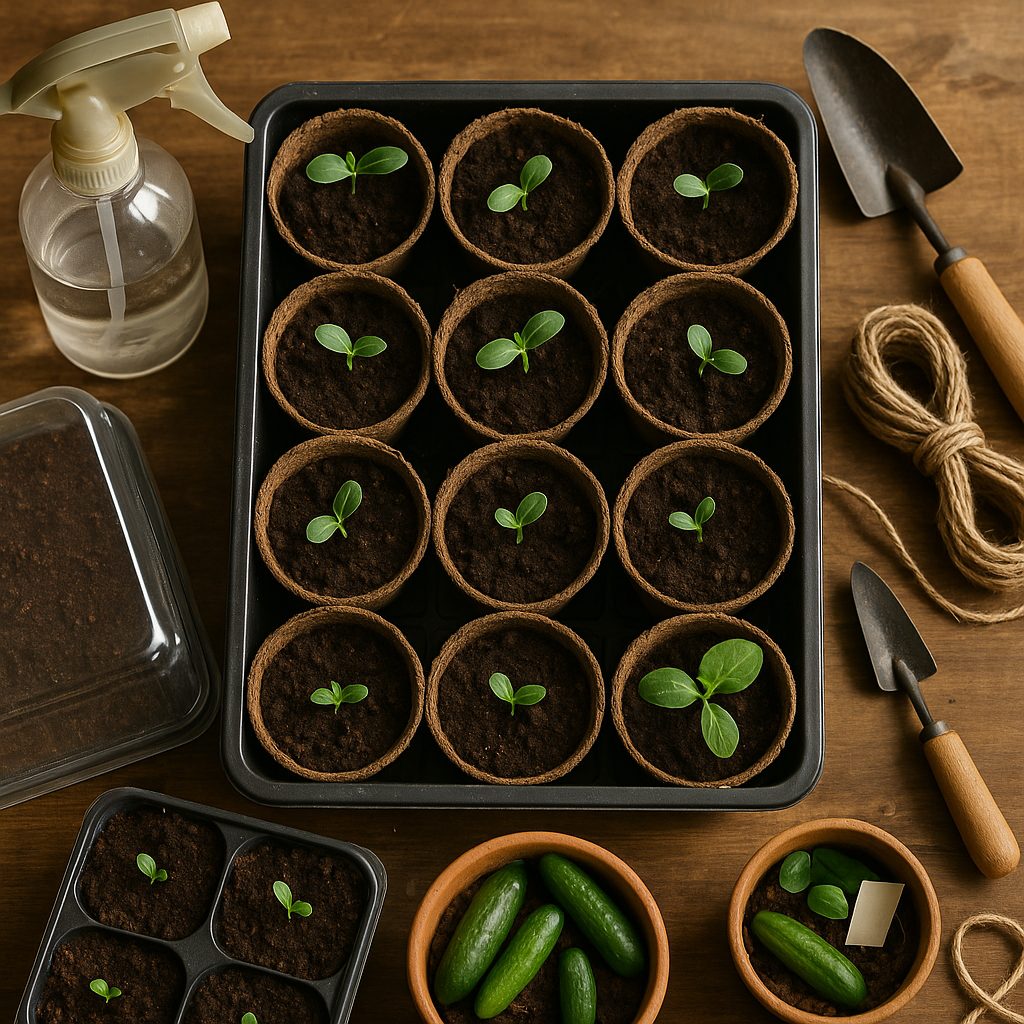
When starting with seeds or seedlings, the key is to set them up for strong, healthy growth right from the beginning. If you’re planting seeds indoors, choose clean trays or small pots filled with seed-starting mix. Plant seeds at a depth of two to three times their diameter—most seed packets will provide exact guidance. Space the seeds so they aren’t overcrowded; crowded seedlings tend to get leggy and compete for resources.
Once planted, mist the surface with a spray bottle to keep the soil moist but not soggy. Cover with a clear lid or plastic wrap to maintain humidity until you see sprouting.
For outdoor planting, wait until the danger of frost has passed—usually after your last local frost date—unless you’re growing cool-weather crops. Check your USDA hardiness zone or a local gardening calendar for precise timing. For example, tomatoes thrive when nighttime temperatures stay above 50°F (10°C), while lettuce can be sown outside much earlier in cooler seasons.
Outdoors, loosen the soil and mix in compost or a balanced fertilizer before planting. Dig holes or rows according to the recommendation on your seed packet or plant tag—often 6–12 inches apart for most vegetables, with rows 12–24 inches apart. Plant seeds at the recommended depth or place seedlings at the same depth as their soil plug.
Water thoroughly right after planting so roots can settle, but avoid creating puddles. Aim for consistent moisture by checking the top inch of soil daily, especially during the critical first week.
Remember, every plant has its own preferences. Keeping an eye on seed packets and local gardening advice will boost your success, especially when adapting to your climate zone and weather patterns.
Supporting Plant Growth
Supporting cucumber growth involves a few practical techniques that can make a noticeable difference in both plant health and yield. First, staking, trellising, or training cucumber vines off the ground encourages airflow, reduces disease risk, and makes harvesting easier.
Use simple bamboo stakes or a sturdy trellis system—just gently tie the vines using garden twine or soft strips of fabric as they grow, guiding them vertically. For bush varieties, cages designed for tomatoes often work well as support.
In addition to structural support, applying mulch around your cucumber plants is a game changer. A 2-3 inch layer of organic mulch, such as straw or shredded leaves, locks in soil moisture during hot spells and suppresses weeds that compete for nutrients. As mulch breaks down, it also adds organic matter to the soil, improving its overall fertility.
Regular fertilizing is essential since cucumbers are heavy feeders. Before planting, work a balanced, all-purpose fertilizer or compost into the soil. Once the vines start to spread, side-dress with a nitrogen-rich fertilizer, repeating every 3-4 weeks during the growing season. As flowers start to form, switch to a food higher in potassium and phosphorus to boost fruit production.
Always water thoroughly after feeding to avoid burning roots, and monitor the leaves for signs of deficiency—such as yellowing or poor fruit development—so you can adjust your approach quickly. With these steps, you’ll give your cucumber plants a strong foundation to thrive.
Routine Maintenance and Troubleshooting
Keeping your cucumber plants healthy starts with proper watering—aim to keep the soil consistently moist but never soggy. Cucumbers prefer about one inch of water per week, ideally delivered at the base of the plant to keep the foliage dry and discourage disease.
If leaves start wilting during the day but perk up in the evening, your plant is probably thirsty. On the other hand, yellowing leaves and mushy stems may signal overwatering. A simple tip is to stick your finger an inch into the soil: if it feels dry, it’s time to water; if it’s still damp, wait another day.
Pest Management
Cucumbers are popular with pests like aphids, cucumber beetles, and spider mites—look for sticky residue, chewed leaves, or tiny webbing. Remove pests by hand or spray leaves with a strong stream of water. For a natural solution, introduce beneficial insects like ladybugs or use neem oil, which is effective against both pests and some fungal issues.
Disease Prevention
Powdery mildew is a common cucumber disease, showing up as white patches on leaves. Ensure good airflow by spacing plants properly and avoiding overhead watering.
Pruning and Plant Care
Pruning is another key step—pinch off yellow or dead leaves regularly and remove small side shoots to direct energy to fruit production. If your plants look crowded, thin weaker seedlings so the strongest have room to grow.
Additional Tips
- Adding mulch conserves moisture, helps regulate soil temperature, and suppresses weeds.
- Rotate your crops each year to minimize disease buildup in the soil.
- Keep the garden bed clear of plant debris, as it can harbor pests or pathogens.
With these simple habits, you’ll keep your cucumbers thriving and your harvest bountiful all season long.
Harvesting and Using Homegrown Cucumbers
Knowing when and how to harvest your homegrown cucumbers can make all the difference in taste and texture. Pick cucumbers when they’re firm, evenly green, and before they start to yellow or grow too large, as this can make them seedy and bitter. Depending on the variety, harvest slicing cucumbers when they’re 6-8 inches long, and pickling types at 2-4 inches.
Use garden shears or a sharp knife to cut the stem about a quarter inch above the fruit; avoid twisting or pulling, as this can damage the vine.
Once picked, cucumbers are best stored in the refrigerator’s crisper drawer, loosely wrapped in a paper towel and placed inside a perforated plastic bag to control moisture and airflow. Avoid storing them near tomatoes or other ethylene-producing produce, since this causes cucumbers to soften and spoil quickly.
When you’re dealing with a bumper crop, use cucumbers beyond salads—try slicing them into water for a refreshing drink, blending them into chilled soups like gazpacho, or quick-pickling them with vinegar and spices in the fridge. Cucumbers can also be diced into salsas, added to sandwiches for crunch, or pureed into dips like tzatziki.
With these tips, you’ll enjoy fresher cucumbers and discover delicious ways to use up every last one.
Conclusion
Growing cucumbers at home is both rewarding and surprisingly straightforward when you follow a few essential steps. Start by choosing a sunny spot with well-draining soil, as cucumbers thrive with at least six hours of sunlight and plenty of moisture.
Regular watering, providing the right support like trellises for climbing varieties, and consistent harvesting are key to healthy, productive plants. Using mulch helps retain moisture and keeps weeds down, while companion planting with herbs like dill or flowers like marigolds can naturally deter pests.
Homegrown cucumbers offer unbeatable flavor and crunch, and you’ll enjoy the convenience of picking them fresh for salads, snacking, or homemade pickles. Plus, tending a cucumber patch is a great way to get outside and unwind.
If you’re new to gardening, cucumbers are the perfect beginner crop—resilient and quick to grow. Have you tried growing cucumbers, or do you have tips for fellow gardeners? We’d love to hear your stories, questions, or advice in the comments below. Sharing your experiences can help inspire others to start their own cucumber garden and join the community of happy home growers!