Introduction
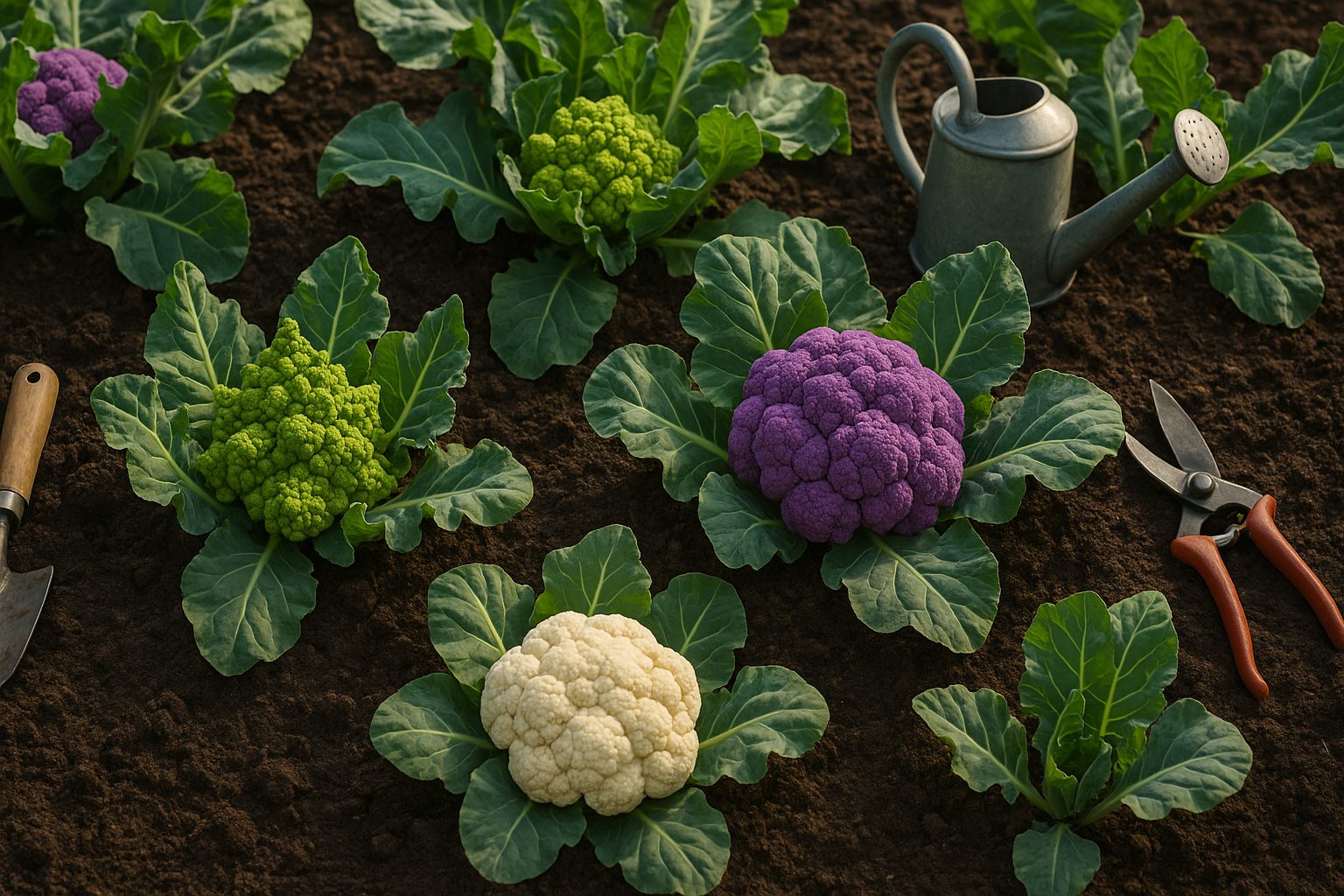
cauliflower gardening tools are essential for anyone looking to grow this nutrient-packed vegetable successfully, whether you’re tending a backyard plot or managing a small farm. Loved for its culinary versatility and health benefits, cauliflower rewards attentive gardeners with impressive yields—provided they choose their tools wisely. The right equipment doesn’t just make tasks easier; it helps you plant more accurately, nurture young plants with less stress, and harvest bountiful crops without damage.
For example, using a reliable hand trowel can streamline seedling transplanting, while a quality hoe helps keep weeds at bay around delicate cauliflower roots. When it’s time to harvest, sharp pruners or harvest knives allow you to cut mature heads cleanly, preserving flavor and texture. In this post, we’ll introduce the must-have cauliflower gardening tools for every stage: seed starting, soil preparation, transplanting, watering, weeding, and harvesting. With these tools on hand, you’ll be set up for a productive and rewarding cauliflower-growing season.
Choosing the Right Soil Preparation Tools
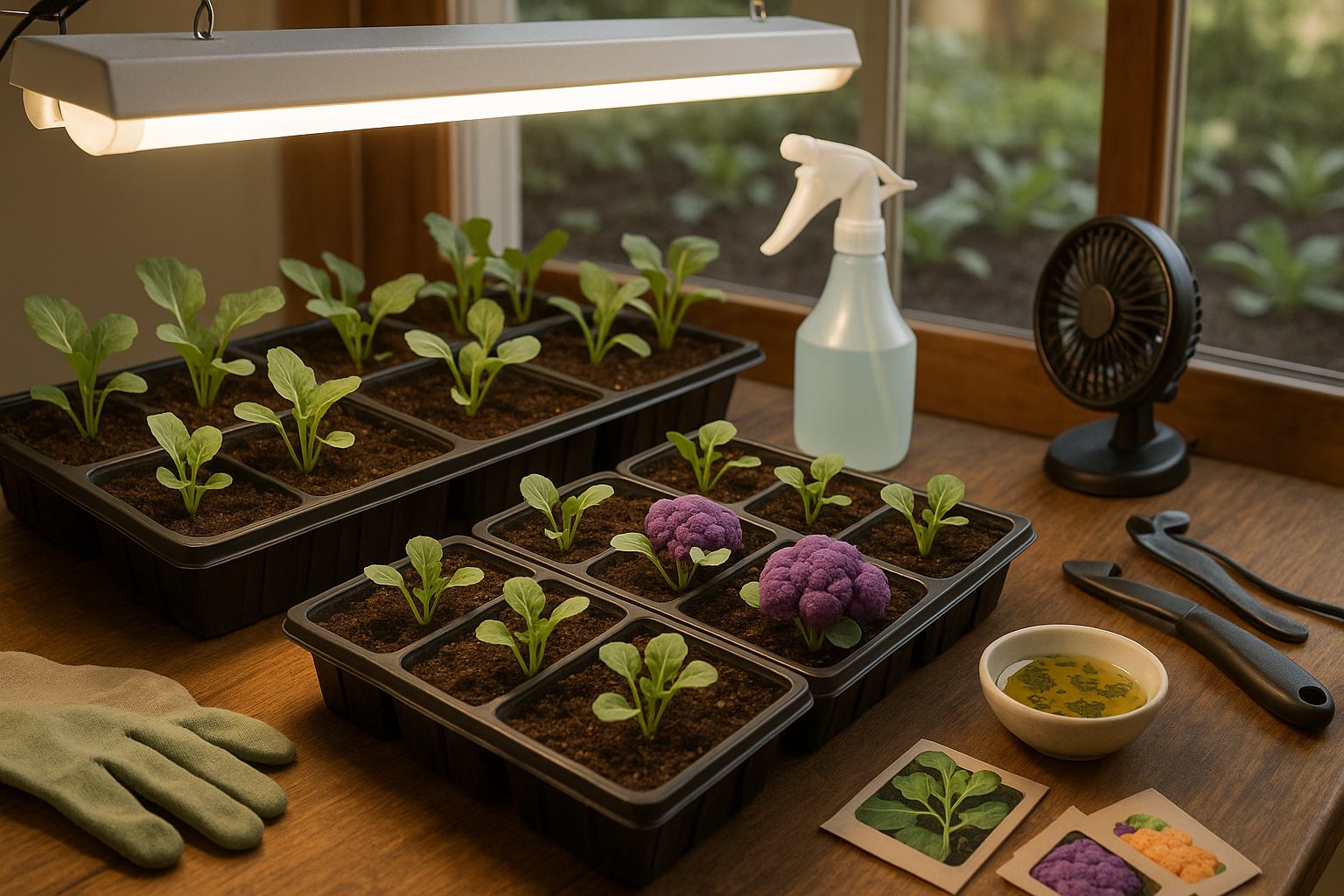
Getting your cauliflower crop off to a strong start begins with thorough soil preparation—a step that can make or break your success. Cauliflower is known for being a bit picky, especially when it comes to soil structure, drainage, and nutrient levels. Well-prepared soil should be loose and crumbly to allow roots to spread easily, yet able to retain enough moisture without becoming waterlogged.
To achieve this, start with essential cauliflower gardening tools: a spade, hoe, and soil rake. A sturdy spade is your go-to for initially turning over the soil, breaking up tough clumps, and incorporating organic matter like compost or aged manure to boost nutrient content. Hoes are great for chopping out weeds and aerating the surface, which helps prevent soil compaction and prepares the area for seeding or transplanting young cauliflower plants. After cultivation and amendments are mixed in, a soil rake smooths and levels the surface, creating an even seedbed that supports uniform growth and easier watering.
For those managing larger plots or raised beds, optional but invaluable tools like a broadfork can save time and effort. The broadfork loosens deep soil layers without turning it, preserving soil structure, earthworms, and beneficial microbes—factors that contribute to long-term plant health. While these larger tools may seem like overkill for a small backyard plot, they offer a game-changing advantage when working with compacted areas or heavy clay soils, which can be challenging for cauliflower roots.
When selecting your cauliflower gardening tools, durability and comfort should top your checklist. Opt for stainless steel or forged steel heads that resist rust and can withstand repeated use. Look for handles with comfortable grips, whether cushioned or smoothly finished wood, to prevent blisters during longer gardening sessions. Testing a tool’s weight and balance in your hand can also help reduce fatigue or strain. Investing in quality tools upfront means they’ll last through many seasons of cauliflower—and other garden crops—making your gardening experience easier and more enjoyable each year.
Essential Planting Tools for Cauliflower
When it comes to successful cauliflower gardening, having the right cauliflower gardening tools not only streamlines the planting process but also greatly boosts your chances of a bountiful harvest. Proper spacing and planting depth are crucial—too close, and the plants compete for nutrients; too far, and you waste precious garden space.
A measuring stick or garden ruler is an underrated tool that helps ensure consistent spacing between seeds or seedlings, typically 18 to 24 inches apart. For digging precise holes at the correct depth (about half an inch for seeds, deeper for seedlings), a dibber or plugger is invaluable. Simply push it into the soil to create quick, uniform planting holes, especially when planting multiple heads in a row.
Transplanting trowels are perfect for gently moving young seedlings from trays to soil without damaging delicate roots. Look for ones with depth marks to guide your planting. Indoor seed starting is also popular, especially in areas with short growing seasons. Using planting trays or cell plug trays nurtures strong, uniform seedlings that can be easily transplanted outdoors with minimal root disturbance.
For gardeners with limited space—like balconies or patios—mini dibbers, small trays, and compact trowels are affordable and effective. Larger garden beds or allotments might benefit from full-length measuring sticks and professional transplanting kits. Even on a modest budget, investing in these specialized cauliflower gardening tools makes planting more accurate and less labor-intensive, freeing you to focus on growing healthy, bountiful cauliflower heads.
Tools for Watering and Fertilizing
Consistent moisture and proper nutrition are essential for growing healthy cauliflower heads, as both drought stress and nutrient deficiencies can lead to small, bitter, or misshapen curds. For gardeners focused on keeping their patch thriving, choosing the right cauliflower gardening tools for watering and fertilizing makes a big difference.
Watering cans with fine rose attachments are perfect for small beds or container gardens—they deliver a gentle, even flow of water that soaks the soil without disturbing young plants or compacting the earth. This precise control is especially helpful if your garden is modest in size or has delicate seedlings. For larger plots, drip irrigation systems offer major advantages by providing slow, steady moisture directly to the root zone. These systems can be set to water automatically, reducing water waste and keeping foliage dry, which helps prevent disease. If you’re growing more than a handful of cauliflower plants, a drip line saves time and ensures consistent watering.
When it comes to feeding, liquid fertilizer sprayers—whether hand-pump models for small plots or hose-end versions for larger vegetable gardens—make it easy to deliver balanced nutrients. Applying a gentle, water-soluble fertilizer every couple of weeks during active growth supports strong development. For gardeners with small backyard beds, manual tools offer ultimate control, while automated systems with fertilizer injectors keep larger gardens on a steady schedule. No matter the tools you choose, maintaining regular moisture and nourishment is key to a bountiful cauliflower harvest.
Maintenance Tools: Weeding, Mulching, and Pest Control
Mid-season cauliflower care is essential for a healthy harvest, and having the right cauliflower gardening tools for maintenance makes these tasks much easier. Weeding is one of the most persistent chores—cauliflower needs all available nutrients, so keeping beds free of weeds is vital. A good hand weeder or stirrup hoe lets you work close to tender plants without damaging their roots, removing weeds with minimal soil disturbance.
Mulching is another important step. Using a mulch fork and wheelbarrow, you can spread straw, shredded leaves, or compost around your plants to keep the soil moist and suppress new weed growth. This not only reduces how often you need to water but also insulates the delicate cauliflower roots, helping them withstand summer temperature swings.
Pest control is just as crucial. Instead of chemicals, many gardeners prefer safe physical barriers—row covers and insect netting hoops are great options. They protect young plants from cabbage worms, aphids, and flea beetles while still allowing light and rain to reach the plants. These covers are easy to install and move as needed throughout the season.
To get the most from your investment in cauliflower gardening tools, store them properly after each use. Clean off soil and debris from blades and handles, let tools dry before putting them away in a shed or garage, and occasionally oil wooden handles and metal parts to prevent rust and splintering. By using the right tools and maintaining them well, you’ll minimize effort and maximize your results all season long.
Harvesting Tools for Cauliflower
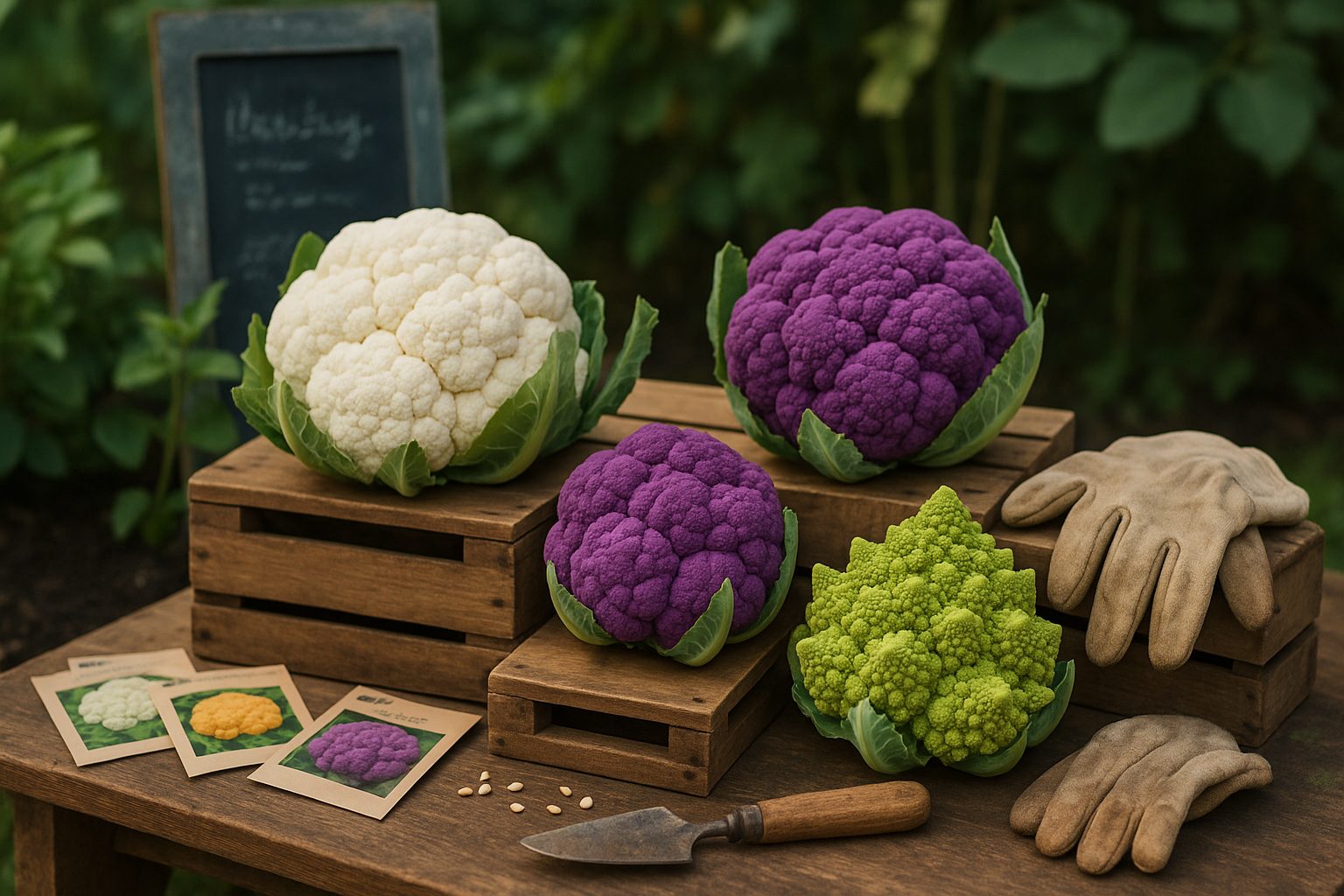
Knowing when to harvest your cauliflower is key to getting the best flavor and texture, and it all begins with careful observation. Cauliflower heads are ready to harvest when they feel firm, are tightly packed, and measure about 6 to 8 inches in diameter, depending on the variety. Avoid waiting until the curds start to open, turn yellow, or develop a fuzzy appearance—these signs indicate the head has passed its prime.
Using the right cauliflower gardening tools makes all the difference for a clean and healthy harvest. A sharp harvesting knife is perfect for slicing through the thick stalk just below the head; look for one with a sturdy, non-slip handle for better control. Alternatively, a small harvest sickle or a durable pair of pruning shears can work well, especially for gardeners with limited hand strength or tougher plant bases.
Always use clean, sanitized blades to prevent the spread of plant diseases, and wear cut-resistant gloves to protect your fingers from accidental slips. Making clean, swift cuts not only reduces stress on the plant—potentially encouraging side shoots to develop—but also helps extend your cauliflower’s storage life by preventing bruising and moisture loss.
After harvesting the heads, gently rinse off any dirt under cool water and pat dry with a clean cloth or paper towel. Store cauliflower heads in the refrigerator, unwashed but loosely wrapped, and handle them gently to avoid dents or bruises that can shorten shelf life. With these harvesting tips and the right tools, you’ll enjoy crisp, flavorful cauliflower long after it leaves the garden.
Bonus: Tools for Cleaning and Storing Cauliflower
After harvesting your cauliflower, using the right cleaning and storage tools helps keep your crop fresh and delicious for longer. Start with a soft produce brush or a clean, soft cloth to gently remove dirt and debris from the heads—being careful not to damage the delicate florets. Rinse the cauliflower in a clean bucket of cold water, briefly dunking and gently swishing the heads to remove field dust while protecting their texture.
For drying, use a dedicated drying rack or lay a clean kitchen towel flat to air-dry the cauliflower before storage, which helps prevent mold. When storing, choose ventilated plastic crates or baskets that allow air circulation and minimize bruising. Ideally, keep your cauliflower in a home cooler or the refrigerator’s crisper drawer, where temperatures hover around 32°F with high humidity.
To help preserve freshness further, loosely wrap the heads in a damp paper towel and store them in perforated plastic bags. Avoid overcrowding storage containers, as proper spacing reduces spoilage. One final tip: never wash cauliflower until just before eating or cooking, since excess moisture can speed up decay. With these essential cauliflower gardening tools, you’ll keep your harvest at its best and reduce waste.
“`html
Conclusion
Choosing the right cauliflower gardening tools—from sturdy trowels and precision seeders to ergonomic harvest knives and reliable watering cans—can make every stage of growing cauliflower smoother and more rewarding. Each tool plays a key role, from seedling to harvest, helping you save time, protect your plants, and boost your yields. Investing in quality tools not only simplifies tasks but also leads to healthier, more abundant crops. For your next steps, explore our in-depth guides on cauliflower care and practical tool maintenance tips to get the best results from your gardening journey.
“`