Introduction
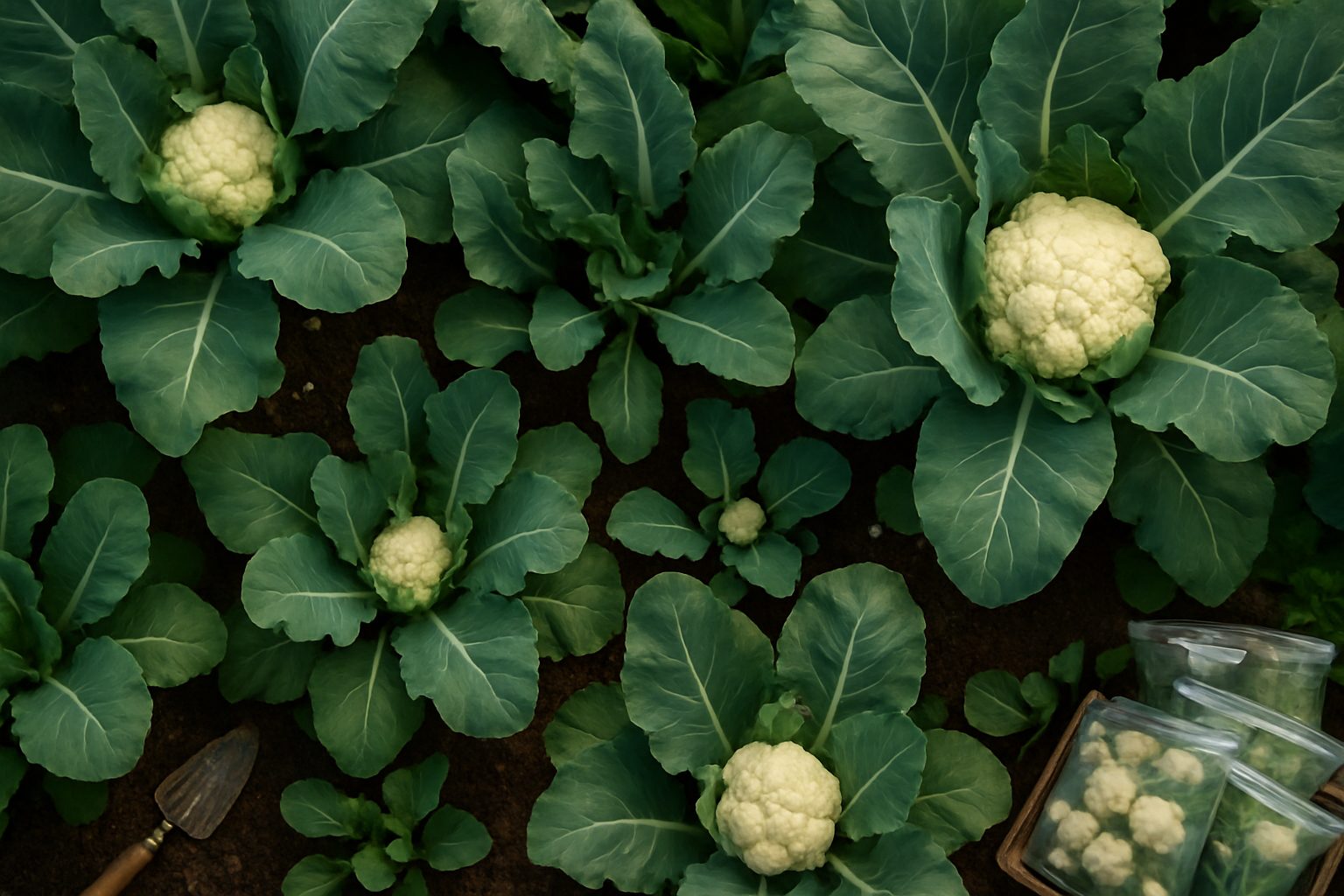
Regrowing vegetables from kitchen scraps is a smart, sustainable way to reduce waste and stretch your grocery budget. If you’ve ever wondered how to regrow cauliflower from leftover stalks or trimmings, the good news is that it’s completely doable—with some patience and a few simple steps. Cauliflower is a particularly interesting choice for home gardeners because it’s rewarding to watch those white florets sprout again, plus it helps you get more out of a single store purchase. On top of that, homegrown cauliflower often tastes fresher and is free from harsh chemicals.
In this guide, you’ll learn how to start the regrow cauliflower project using scraps, the best conditions for sprouting, and how to care for your new plants. We’ll share practical tips anyone can try, whether you have a backyard garden or just a sunny windowsill. By the end, you’ll be ready to reduce waste and enjoy the magic of growing your own food, one vegetable scrap at a time.
Understanding Cauliflower Regrowth
Regrowing cauliflower from scraps can be a rewarding experiment, but it’s important to understand how cauliflower’s biology impacts this process. Unlike green onions or lettuce, which easily regrow from leftover roots or stems, cauliflower is a “heading” vegetable. This means it produces one main, tight white head that’s harvested once per plant. After harvesting, most of the plant’s energy shifts to seed production rather than forming new edible heads.
If you’re hoping to regrow a second full head from a leftover cauliflower floret or stalk, you might be disappointed. The best part for attempting to regrow cauliflower is the base—the thick stem at the bottom of the head, ideally with some root material still attached. Place this base, cut side down, in shallow water or moist soil, keeping the surface just barely submerged. With some luck, you may see new leaves or small shoots after a week or two.
However, these regrown shoots will likely be leafy greens rather than another large, compact head like those found in stores. Many gardeners use this leaf growth as a tender, flavorful addition to salads or stir-fries. If you want a full cauliflower head, starting from seeds or healthy nursery seedlings is far more reliable.
In short, regrowing cauliflower is possible but works better for producing greens than for reproducing full vegetables. It’s a great way to get more out of your kitchen scraps while reducing waste—just keep your expectations realistic and enjoy any new growth as a bonus rather than a replacement harvest.
Gathering Your Supplies to Regrow Cauliflower
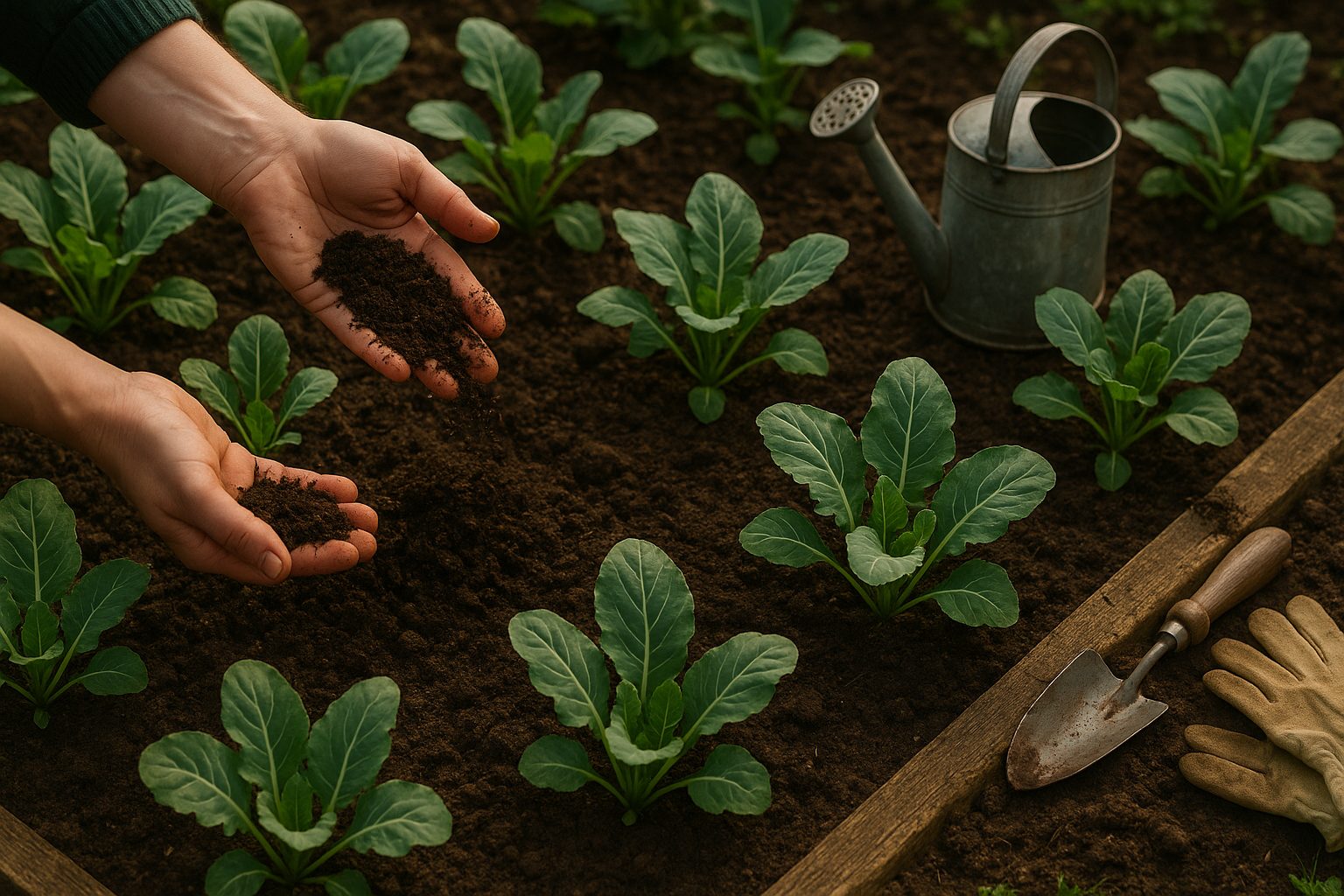
To start your journey to regrow cauliflower, you’ll need a few basic supplies: a fresh cauliflower stem or base (the part left after cutting off the florets), a shallow container or dish, potting soil, water, and optionally, some rooting hormone to boost growth.
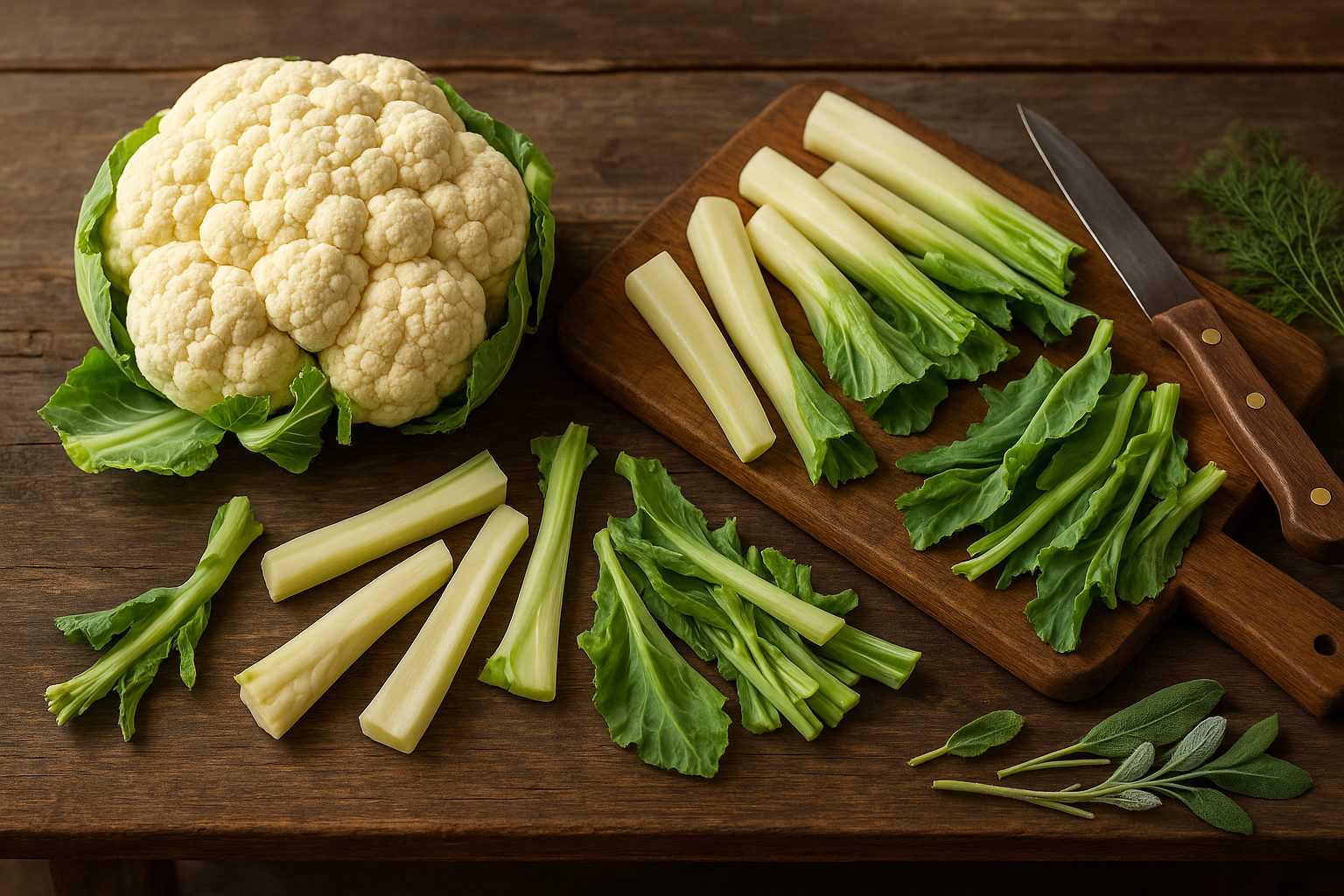
When selecting your cauliflower scrap, look for a sturdy, healthy base with a visible core—this is where regrowth will sprout. Avoid stems that are slimy, overly mushy, or discolored, as these are unlikely to regrow successfully. Larger, firmer bases usually have more stored energy, giving them a better chance to root and develop new leaves.
You don’t need anything fancy for containers—an upcycled plastic food tub or an old takeaway dish with drainage holes works perfectly and helps reduce waste. For potting soil, choose organic or homemade compost if possible. Many gardening centers offer affordable bulk options, or you can refresh and reuse soil from healthy indoor plants.
Water is essential, but be careful not to overdo it—too much moisture can cause rot, so aim for soil that’s damp but not soggy. If you have rooting hormone, dipping the bottom of your cauliflower base in it before planting can encourage quicker root development, though this step is optional.
By thoughtfully selecting your supplies and reusing containers and soil when possible, you’ll give your regrowing cauliflower a healthy, budget-friendly start.
Step-by-Step Guide to Regrow Cauliflower
Regrowing cauliflower from kitchen scraps is a fun and sustainable way to get more out of your vegetables. With a bit of patience, you can watch new leaves and roots emerge right at home. To start, choose a fresh cauliflower base about two inches thick—this is the core left after cutting away all the florets. Make a clean, straight cut, and trim away any remaining florets and old leaves to have a neat, firm piece.
Next, fill a shallow bowl with just enough water to cover the very bottom of the stem. You want the cut base touching the water but not fully submerged. Using toothpicks to suspend the base on the rim of the bowl helps keep only the cut end in the water, preventing rot. Place the bowl on a sunny windowsill and change the water every day or two to keep bacteria at bay.
Within about a week, you’ll notice tiny roots sprouting from the base and small leaves unfurling from the center. Once roots reach about two inches long and the top growth looks healthy, it’s time to move your cauliflower scrap into soil. Choose a pot with good drainage and fill it with rich, loose potting mix—preferably one with plenty of organic matter that drains well.
Gently plant the rooted base so the roots are fully covered but the top, where new leaves grow, remains above the soil surface. Water thoroughly and keep the soil moist but not soggy. Place the pot in a bright area with indirect sunlight and continue monitoring for growth.
In warm climates or after the risk of frost has passed, you can transplant your cauliflower outdoors into the garden. With regular care—watering, occasional feeding with diluted fertilizer, and watching for pests—your regrown cauliflower can develop into a full plant and produce new heads in a few months.
This method is not only satisfying but also a creative way to reduce waste and stretch your grocery budget.
Caring for Your Regrown Cauliflower Plant
Caring for your regrown cauliflower plant is essential to help it thrive and eventually produce a new head. Start by placing the plant in a spot that receives at least six hours of direct sunlight daily—windowsills or balconies work well. If natural light is limited, a grow light is a great alternative. Cauliflower prefers cooler temperatures, ideally between 60°F and 70°F (15°C to 21°C), so keep your plant away from heaters, drafty windows, or overly warm areas.
When it comes to watering, keep the soil consistently moist but never soggy. A simple test is to poke your finger about an inch into the soil—if it feels dry, it’s time to water. Overwatering is a common mistake; yellowing leaves or mushy roots are signs to ease up. Ensure your pot or garden spot has good drainage, as standing water can quickly cause root rot.
Dealing with Pests and Growth Issues
Pests like aphids, caterpillars, and whiteflies can be a nuisance for young cauliflower plants. Regularly check the undersides of leaves and carefully wash away any pests with a mild soapy water spray. If you notice stunted growth, don’t worry—this usually means your plant needs more light, a bigger container, or a gentle feeding with half-strength balanced liquid fertilizer every couple of weeks.
Promoting Healthy Growth
To encourage strong leaf and root development, use a nutrient-rich, loose potting mix and avoid crowding your cauliflower plant with other seedlings. Cauliflower needs space to breathe and stretch out. Occasionally, gently loosen the soil around the base to ensure the roots get enough oxygen. With patience and attentive care, your regrown cauliflower can flourish—turning kitchen scraps into healthy leafy greens and, with a bit of luck, a fresh, compact head ready for your next meal.
What to Expect: Harvest and Limitations When You Regrow Cauliflower
When you decide to regrow cauliflower from kitchen scraps, it’s important to have realistic expectations. Unlike easy-to-regrow veggies like green onions or lettuce, cauliflower regrowth from scraps usually doesn’t produce a full, compact head like the ones you see in stores. Instead, you’ll most likely get lush, green leafy growth sprouting from your rooted cauliflower base.
Since cauliflower is a biennial plant that takes many months and specific conditions to form a new head, a brand-new cauliflower head is unlikely. However, don’t underestimate those leaves—they’re perfectly edible and surprisingly versatile in the kitchen. Try chopping cauliflower greens into stir-fries, mixing them into salads, sautéing with garlic, or adding them to soups and stews. They have a mild, cabbage-like flavor and are packed with vitamins.
If your regrow cauliflower project mostly produces leaves or seems to be slowing down, here are a few good next steps:
- Let the plant flower and go to seed. The yellow blossoms attract pollinators, and once the seed pods mature and dry, you can collect seeds for next season’s planting or to share with friends.
- Compost the remaining scraps to return valuable nutrients to your garden soil.
- If you want more rewarding regrowth results, try easier veggies like celery, green onions, or romaine lettuce—these often regrow better from kitchen scraps and are great for beginners.
Conclusion
Regrow cauliflower from scraps is an easy, eco-friendly way to get more out of your kitchen waste. By saving the healthy base of your cauliflower, placing it in shallow water, and keeping it in a sunny spot, you create the perfect environment for new leaves to grow and, eventually, a fresh harvest. This method not only reduces food waste but also provides you with homegrown produce right from your windowsill.
Every kitchen experiment is a little different, so don’t be afraid to try different techniques and see what works best in your space. If you have questions, creative tips, or want to share your regrow successes and challenges, please drop a comment below. For more inspiration, check out our guides on regrowing green onions, lettuce, or celery from scraps. Happy gardening, and here’s to giving those veggie odds and ends a second chance!