Introduction
If you want a thriving vegetable garden, it’s important to know which plants to avoid planting near brussels sprouts. Companion planting—strategically positioning certain crops together—can dramatically impact how well your Brussels sprouts grow. The right neighbors can boost growth and scare off pests, but bad companions might stunt development, attract disease, or even ruin your harvest.
This is especially crucial if you’re short on garden space and want to maximize your yield while maintaining healthy plants. For example, placing Brussels sprouts next to strong competitors like pole beans or certain aromatic herbs can cause problems ranging from nutrient depletion to pest attraction.
Understanding what not to plant near Brussels sprouts is just as vital as knowing their best companions. In this blog post, we’ll explore why certain vegetables and herbs are incompatible with Brussels sprouts, share tips for smarter garden design, and offer real-world examples from experienced gardeners.
You’ll learn which plants sap essential nutrients, invite destructive insects, or compete for root space, ultimately putting your Brussels sprouts at risk. By the end, you’ll be ready to plan a healthier, more productive garden and avoid common mistakes that could make or break your Brussels sprout crop.
Understanding Companion Planting for Brussels Sprouts
Companion planting is a time-tested gardening practice where you strategically grow certain plants together to help them thrive, boost yields, and ward off common problems. In vegetable gardens, it’s not just about what you plant, but who their neighbors are.
Brussels sprouts, part of the brassica family, are heavy feeders and can be prone to pests like aphids, cabbage worms, and flea beetles. They also enjoy cool weather, nutrient-rich soil, and consistent moisture, but can struggle if their roots compete with aggressive, nutrient-hungry plants. This is where companion planting shines.
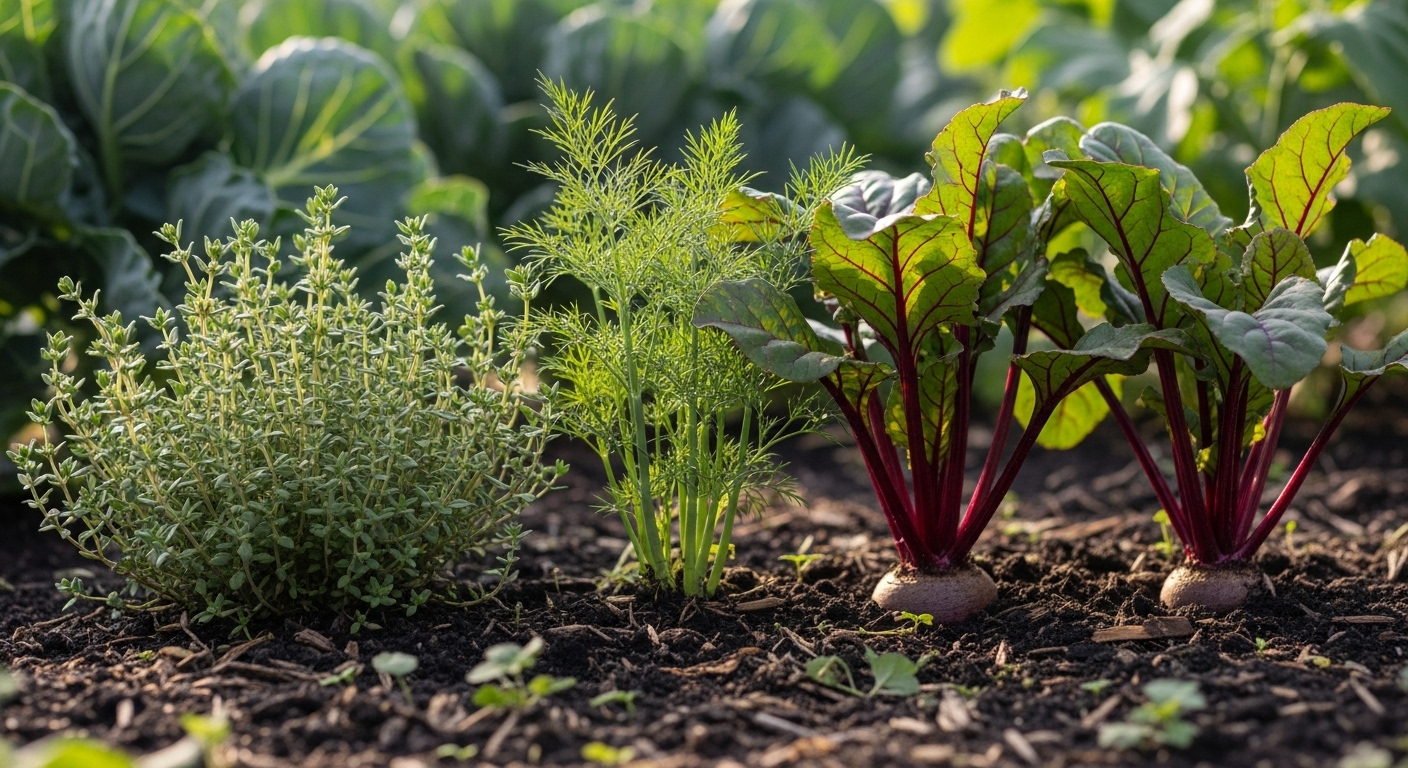
For instance, planting aromatic herbs like thyme, rosemary, or dill near Brussels sprouts can naturally repel pests—dill even attracts beneficial insects like ladybugs that feast on aphids. Root vegetables such as beets or onions also pair well, as they have different nutrient requirements and root zones, reducing competition below ground.
At the same time, avoiding close proximity to tomatoes or strawberries is wise, as these can stunt Brussels sprouts’ growth or invite unwanted diseases. Additionally, planting fast-growing leafy greens like spinach between Brussels sprouts makes good use of space and can help shade the soil, keeping roots cool and weed growth down.
With a thoughtful companion planting strategy, you can promote healthier, sturdier Brussels sprouts while cutting back on chemical interventions and saving time in your garden chores.
Best Companion Plants for Brussels Sprouts
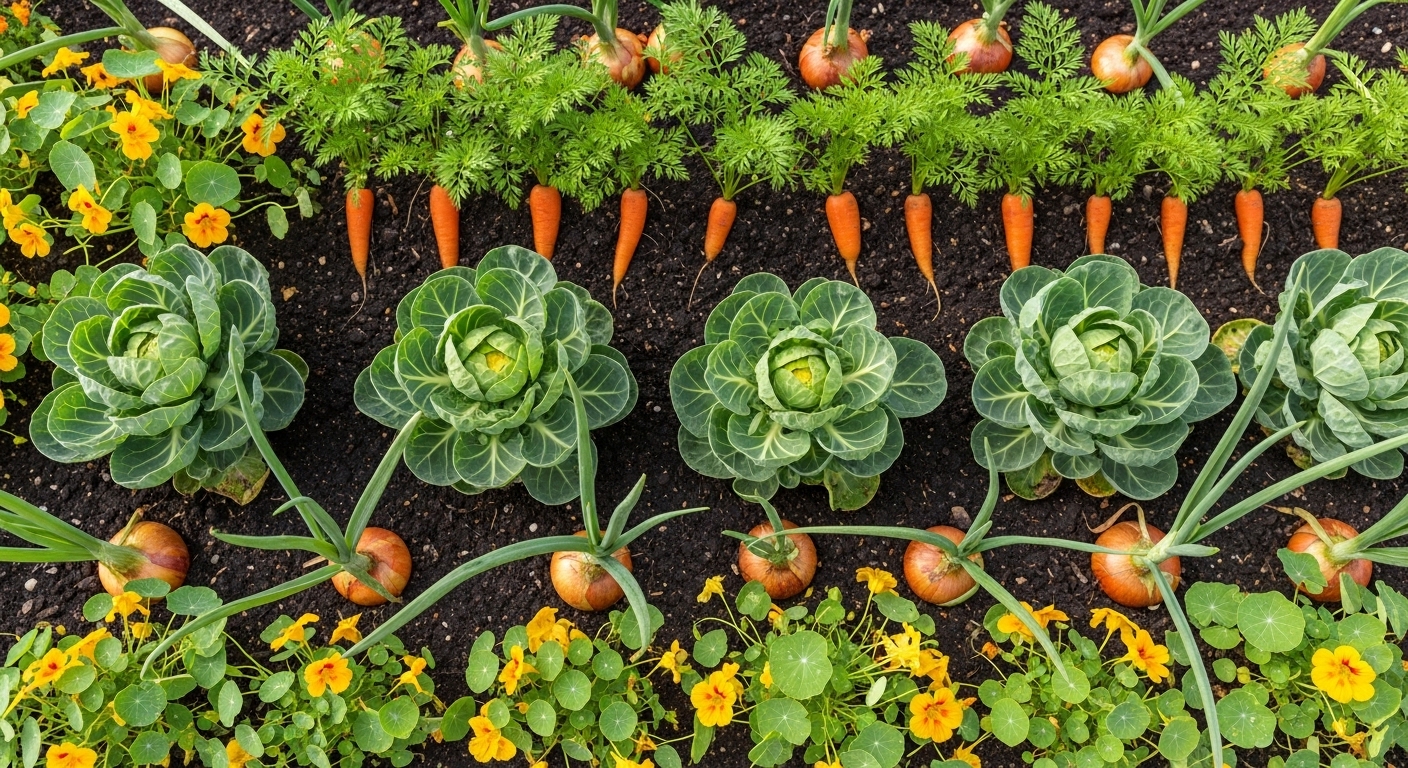
When planning your Brussels sprouts patch, some of the best companion plants include carrots, onions, herbs like dill and chamomile, beets, and nasturtiums.
Carrots are excellent to grow alongside Brussels sprouts because they make efficient use of below-ground space, allowing you to maximize bed yield without crowding.
Onions, garlic, and chives all deter pests like aphids and cabbage worms—common threats to Brussels sprouts—thanks to their strong scent.
Herbs such as dill and chamomile attract beneficial insects like ladybugs and parasitic wasps that feed on common Brassica pests, providing a natural pest control boost with little effort.
Beets are low-maintenance neighbors that also help by shading the soil and conserving moisture around your Brussels sprout plants.
Nasturtiums work as a trap crop, drawing aphids and flea beetles away from your main harvest while adding a splash of color to your garden.
For a simple planting combination, try tucking rows of onions or garlic between your Brussels sprouts, sowing carrots or beets at their base, and dotting the corners of your bed with dill and nasturtiums.
This layered approach not only supports healthy Brussels sprouts but also helps create a more vibrant, biodiverse garden that’s naturally resilient to pests and disease.
Plants to Avoid Near Brussels Sprouts
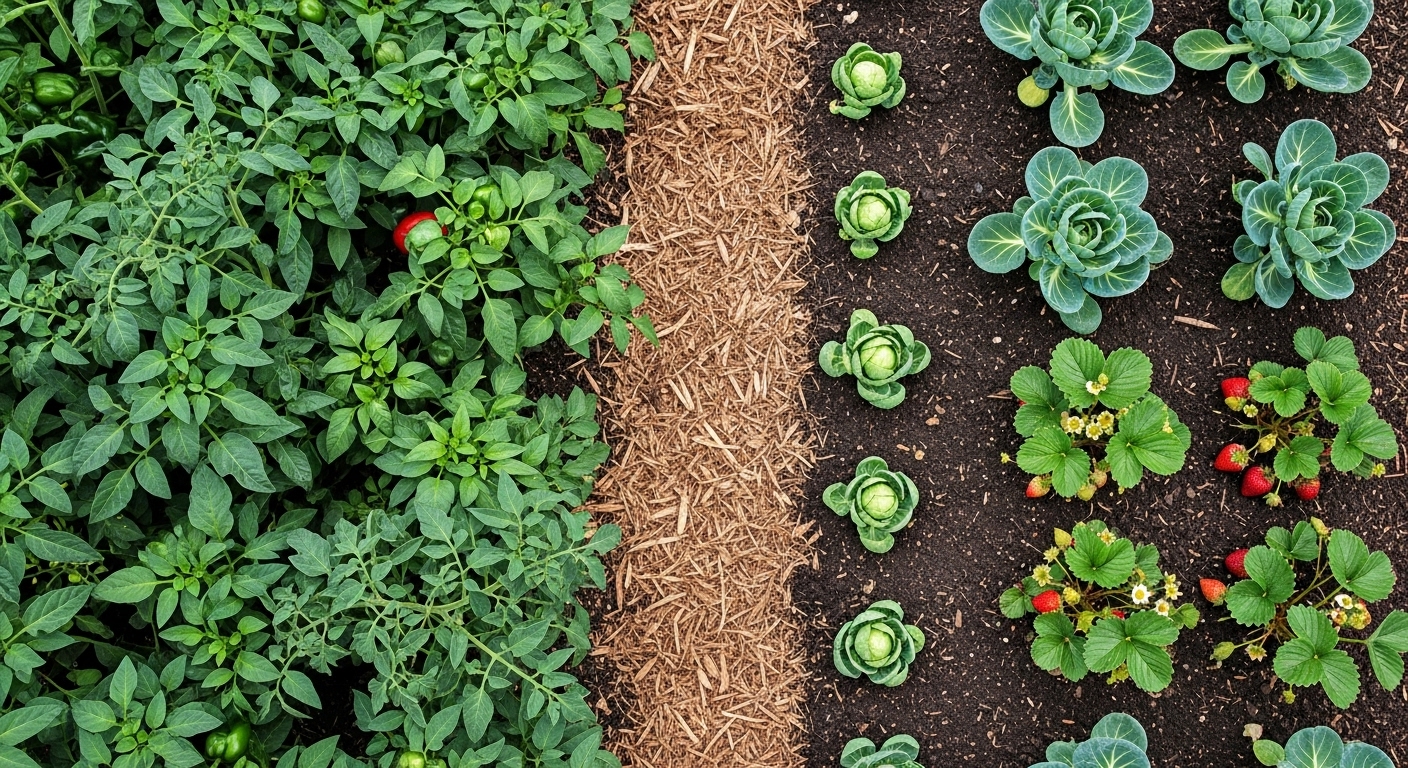
When planning your vegetable garden, it’s crucial to keep Brussels sprouts away from certain plants that could hinder their growth. Strawberries, for example, can attract pests like aphids and slugs, which also target Brussels sprouts. Tomatoes, peppers, and eggplants belong to the nightshade family and are especially risky neighbors because they share susceptibility to diseases like clubroot, which can devastate brassicas such as Brussels sprouts.
Furthermore, these nightshades have similar nutrient requirements, leading to heavy competition for potassium and calcium in the soil, which can result in stunted Brussels sprouts. Mustard greens and other brassicas (like broccoli, cabbage, and cauliflower) are also best given their own space; crowding these relatives together often attracts more pests and amplifies diseases by giving pathogens a buffet of similar hosts.
To prevent these issues, map your garden beds so that Brussels sprouts are planted well away—at least three feet—from strawberries, nightshades, and other brassicas. If space is limited, try alternating rows with crops that are known companions, such as onions, garlic, or leafy lettuces, to help break up pest and disease cycles.
Rotating your crops each year is another smart strategy; avoid planting Brussels sprouts or their antagonists in the same spot season after season. Incorporating mulch or physical barriers between plant groupings also reduces the risk of pests traveling between incompatible plants.
By being intentional with your garden layout and separating Brussels sprouts from their less-friendly neighbors, you’ll help ensure stronger plants, fewer pest outbreaks, and a more productive harvest.
Companion Planting Strategies & Tips
When planning companion planting for Brussels sprouts, start by pairing them with crops that naturally deter pests and help maximize garden space. Aromatic herbs like dill, thyme, and lavender make excellent border companions—these not only save space but can also repel cabbage worms and aphids, two common Brussels sprout pests.
Interplanting Brussels sprouts with leafy greens such as lettuce or spinach is another smart strategy; these quick-growing crops thrive in the partial shade that tall Brussels plants provide and help keep weeds down between wide rows. Timing is essential: sow fast-growing companions early so you can harvest them before Brussels sprouts mature and require more nutrients.
When it comes to crop rotation, avoid planting Brussels sprouts in beds that recently hosted other brassicas like cabbage, kale, or broccoli, as this can attract disease and soil-borne pests. Instead, rotate with legumes or root vegetables, which can replenish soil nitrogen and reduce pathogen buildup.
For added protection, try using trap crops such as nasturtiums nearby, which lure aphids away from your main Brussels plants. However, avoid planting Brussels sprouts near strawberries or tomatoes, as these combinations can stunt growth or invite disease.
Always leave ample space—18 to 24 inches between Brussels sprouts and other large plants—to ensure good air circulation and reduce fungal issues. A common mistake is crowding, which encourages mildew and pest infestations, so resist the urge to cram plants together.
If you notice holes in leaves or slow growth, check for caterpillars and eggs under the leaves. Practice regular hand-picking or introduce beneficial insects like ladybugs for natural pest control.
By thoughtfully combining timing, spacing, and companion choices, you’ll create a resilient and productive Brussels sprout patch with fewer headaches throughout the season.
Common Pests and Disease Prevention with Companion Planting
Brussels sprouts are popular in home gardens, but unfortunately, they often attract a host of pests and diseases such as aphids, cabbage loopers, flea beetles, and powdery mildew. These troublemakers can weaken plants, stunt growth, and reduce yields if left unchecked.
Companion planting provides a natural way to reduce pest pressure and disease by using plant allies that repel or trap harmful insects, as well as improve soil health. For instance, planting aromatic herbs like thyme or sage near Brussels sprouts helps deter cabbage moths and aphids thanks to their strong scents.
Marigolds are another excellent addition, acting as a magnet for beneficial insects that prey on pests, while nasturtiums can serve as a sacrificial crop, luring aphids away from your Brussels sprouts. Alliums such as garlic and onions are also great companions, as their sulfur compounds repel cabbage worms and deter fungal diseases.
Besides strategic planting, rotate your crops each year to prevent the buildup of soil-borne pathogens, and keep your plants healthy by ensuring good air circulation and avoiding overhead watering to minimize fungal issues like powdery mildew. Mulching with straw can further suppress weed growth and help maintain consistent soil moisture.
By pairing Brussels sprouts with these supportive plants and using simple cultural practices, you can enjoy a healthier, more resilient brassica patch without relying on chemical sprays.
FAQs and Quick Troubleshooting
Many gardeners wonder which plants make the best companions for Brussels sprouts. A common question is: “What should I plant next to Brussels sprouts?” Great choices include aromatic herbs like dill, rosemary, and chamomile, which can help repel pests such as cabbage moths.
Another frequently asked question is: “Are there plants I should avoid near Brussels sprouts?” Yes—avoid planting strawberries, tomatoes, and pole beans nearby, as they can compete for nutrients or attract unwanted pests.
If you notice your Brussels sprouts’ leaves turning yellow or developing holes, don’t panic! This is usually caused by pests like cabbage worms. Try hand-picking the worms or using an organic insecticidal soap.
Overcrowding is another common issue—be sure to give each plant enough space for air circulation to reduce fungal diseases. Water at the base in the morning to keep leaves dry and discourage rot.
Gardening is always a balance of trial and error, so don’t be afraid to experiment with different plant pairings each season. Observing what works best in your garden can lead to better harvests and more confidence as you learn.
Conclusion
Companion planting with Brussels sprouts offers a variety of benefits, from naturally deterring pests to enhancing growth and maximizing garden space. Experimenting with different plant pairings—such as marigolds for pest prevention or herbs to boost flavor—can result in healthier plants and more bountiful harvests.
Don’t be afraid to try new combinations; every garden is unique, and refining your approach will help you discover what works best in your space. If you’ve tried companion planting or have questions, feel free to share your experiences in the comments or reach out for more tips to help your Brussels sprout patch thrive!