Introduction to Broccoli Companion Planting
If you want your broccoli to flourish, it’s important to understand which plants to avoid near broccoli—not just what to plant alongside it. Companion planting is a time-tested gardening technique where certain plants are grown together to boost health, save space, and repel pests naturally. When it comes to broccoli, this strategy can make all the difference between a thriving harvest and a lackluster crop.
Broccoli is a heavy feeder, needing steady nutrients and lots of sunlight. It also has a dense canopy that can shade nearby plants, creating a microclimate that either helps or hinders its neighbors. By choosing the right companions, gardeners can improve soil conditions, keep common pests away, and even enhance the flavor or size of their broccoli heads. On the other hand, picking the wrong neighbors—like certain nightshades or heavy feeders—may stunt your broccoli’s growth or invite disease.
Knowing what not to plant near broccoli streamlines your garden planning, making sure every square foot works to your advantage. With smart companion choices, you’ll set the stage for healthier plants, fewer pests, and a bigger, better broccoli harvest.
Top Companion Plants for Broccoli
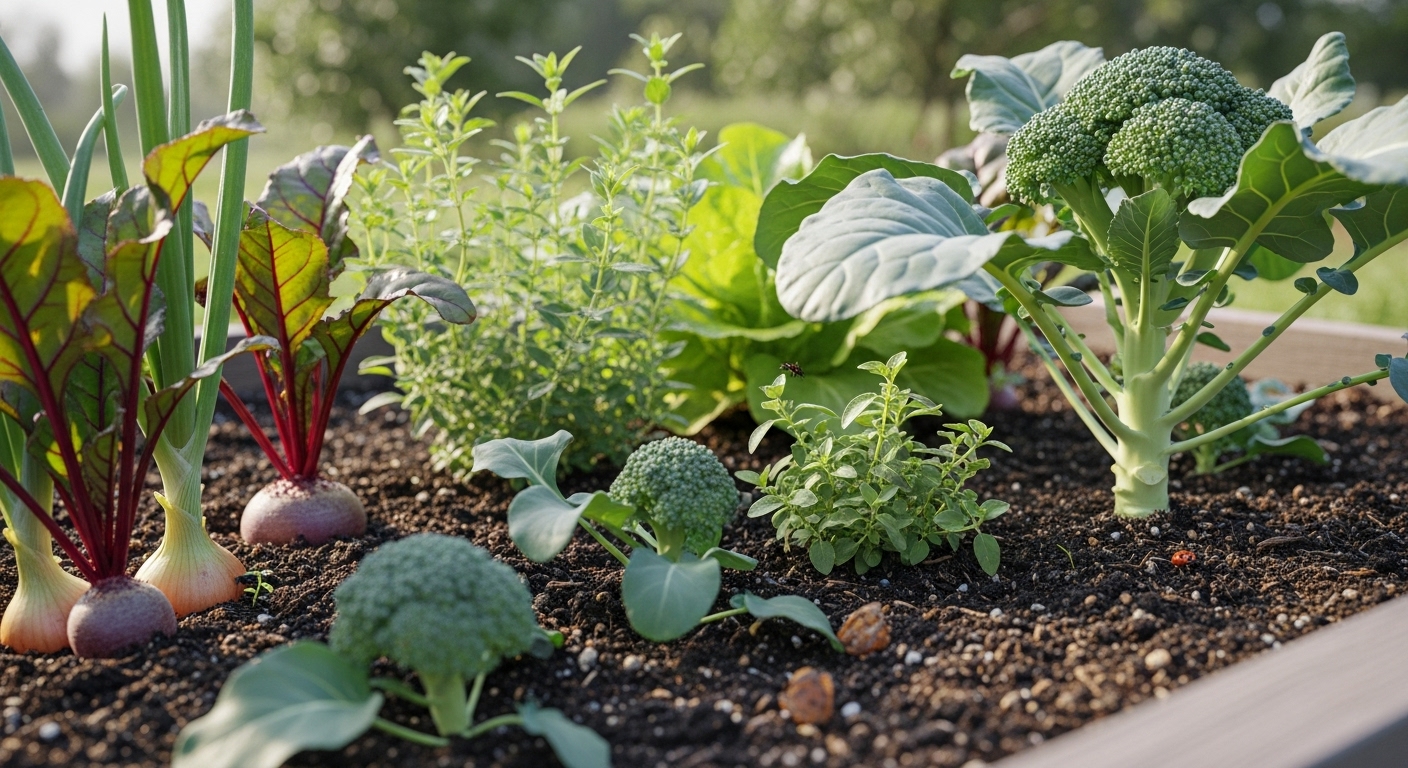
Pairing broccoli with the right companion plants can make a big difference in your garden’s overall health and harvest. Beets are a great choice because they don’t compete heavily for nutrients, and their roots help break up soil, making it easier for broccoli to develop strong roots.
Celery acts as a moisture-retaining ground cover and can help repel pests like the white cabbage butterfly. Spinach thrives in the shade of mature broccoli plants and, in turn, acts as a living mulch to keep soil cool and weed-free. Herbs like sage and oregano are natural pest repellents; their strong scent confuses cabbage moths and other pesky insects that target broccoli.
Beans are excellent for fixing nitrogen in the soil, which gives broccoli a gentle nutrient boost, but space them out to prevent overcrowding. Onions emit a smell that deters aphids and other pests, so try interplanting onions between your broccoli seedlings. Lettuce can be tucked in around broccoli bases, taking advantage of the shade and helping to suppress weeds and conserve soil moisture.
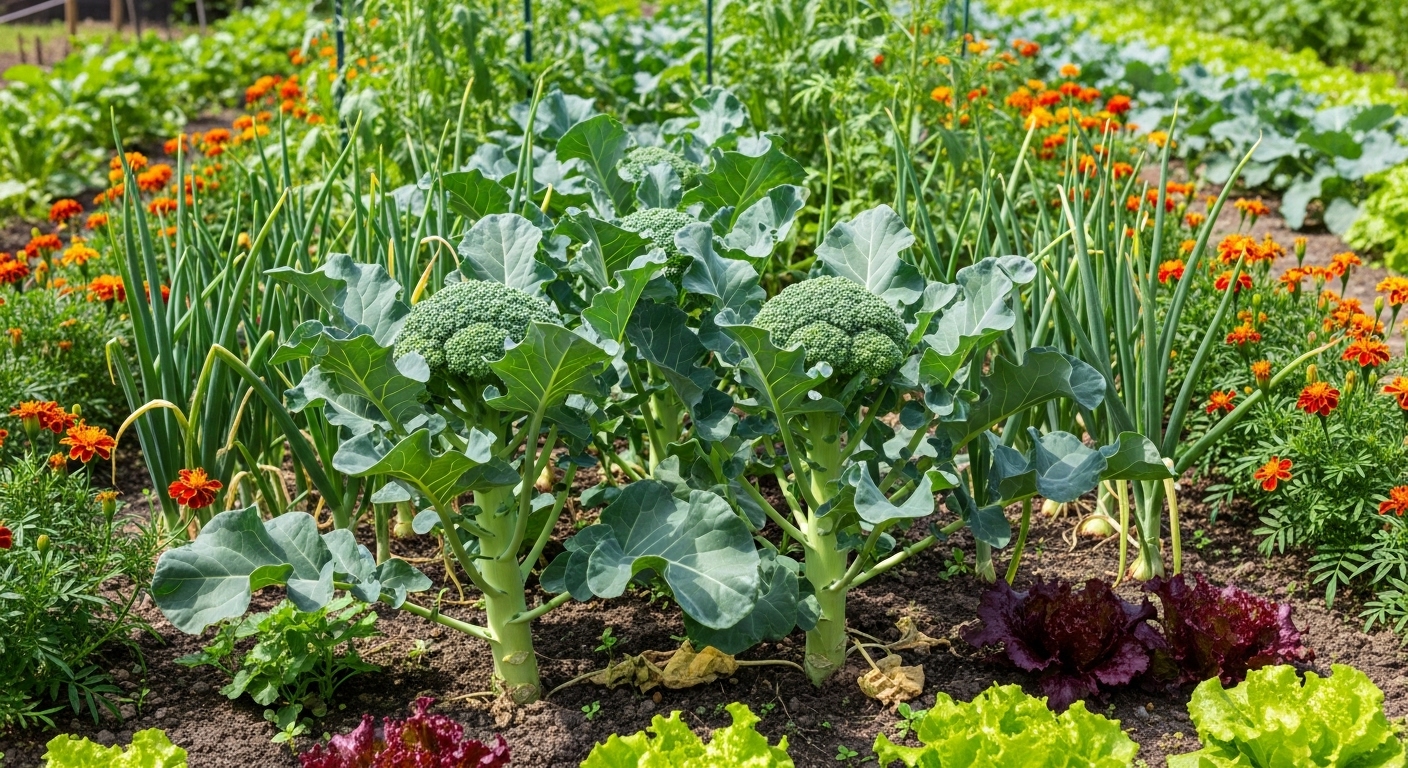
Marigolds shouldn’t be forgotten—they bring a splash of color and attract beneficial pollinators, while also deterring nematodes and beetles with their natural chemical emissions.
When planting, make sure to allow enough space for air circulation—broccoli likes room to breathe, and overcrowding can invite disease. Try grouping aromatic herbs near the outer edges of the broccoli plot, interplanting onions and lettuce between rows, and dotting marigolds throughout for best effect. Rotate these companions each season to keep the soil healthy and discourage pests from settling in.
By thoughtfully mixing these companion plants, you’ll not only protect your broccoli from common problems but also enjoy a more vibrant and productive garden.
Plants to Avoid Near Broccoli
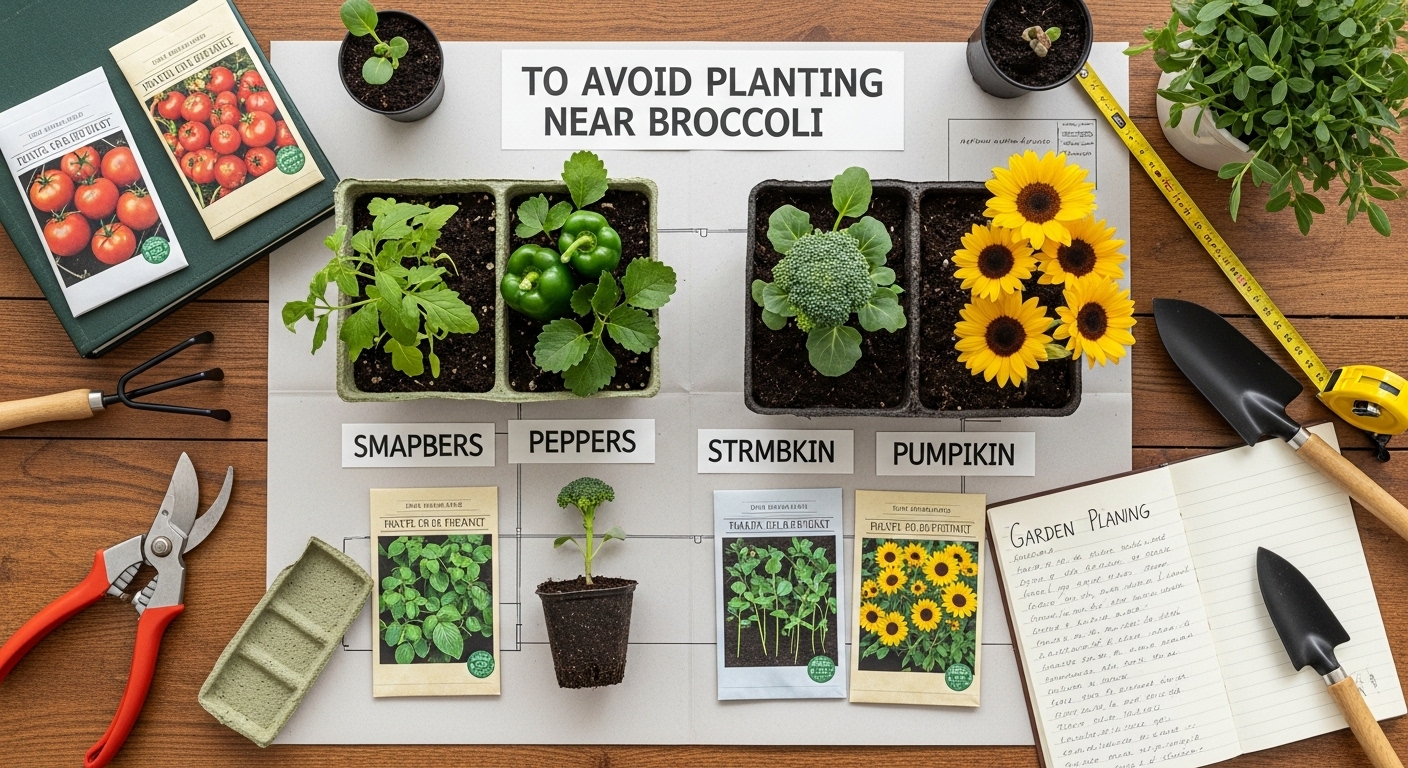
When planning your garden, it’s important to know which plants can compete with or harm your broccoli. Avoid planting broccoli near peppers, strawberries, tomatoes, pumpkins, or sunflowers. These plants often compete for the same nutrients or space, which can stunt growth and reduce yields for both crops.
For example, tomatoes and peppers thrive on similar nutrients as broccoli, leading to rapid depletion of essential minerals like calcium and magnesium from the soil. Strawberries can attract pests like aphids and fungal diseases that easily spread to broccoli. Pumpkins and sunflowers have sprawling root systems that crowd out broccoli and block sunlight, making it harder for your broccoli to flourish.
Additionally, keep broccoli away from others in the brassica family, such as cabbage, cauliflower, and kale, since they all attract the same pests, like cabbage worms and aphids, which can quickly overwhelm your garden if grouped together.
To prevent these conflicts, try to:
- Space incompatible plants at opposite ends of your plot.
- Use raised beds and containers.
- Rotate crops every year to minimize lingering diseases or pest populations.
With careful planning, you can give your broccoli its best chance to thrive without unnecessary competition or pest problems.
How Companion Plants Support Broccoli Health
Companion planting is a time-tested strategy that can make a big difference in keeping your broccoli healthy. Certain plants, like nasturtiums and marigolds, are well-known for their pest-repelling abilities—nasturtiums attract aphids away from broccoli, acting as a trap crop, while marigolds release natural chemicals that deter pests like cabbage worms. Gardeners often share stories of far fewer infestations when these companions are grown nearby.
Indirectly, other companion plants such as onions and garlic can help by confusing pests with their strong scents, making it harder for insects to locate your broccoli. Legumes like beans are especially valuable as they fix nitrogen in the soil, providing a natural fertilizer that boosts broccoli’s growth.
Additionally, ground-cover companions like spinach help keep the soil moist and reduce weeds, while tall companions like dill or sunflowers can cast gentle shade, protecting broccoli heads from intense midday sun.
Studies from university extension programs have shown that mixed plantings not only decrease pest populations but also promote healthier, more vigorous broccoli through richer soil and improved microclimates. By thoughtfully pairing your broccoli with the right neighbors, you’re setting up a natural support system that makes pest problems less likely and creates a robust, sustainable garden ecosystem.
Tips for Successful Companion Planting with Broccoli
Successful companion planting with broccoli starts with giving your plants enough space—aim for at least 18 to 24 inches between broccoli and its companions to avoid overcrowding, which can lead to stunted growth.
Choose compatible companions like onions, beets, or dill to save space and deter pests, but avoid planting broccoli near crops like tomatoes or strawberries, as they can compete for nutrients or attract unwanted bugs.
Practice crop rotation each year to prevent soil-borne diseases from building up; don’t plant broccoli or other brassicas in the same spot more than once every three years.
When it comes to timing, plant fast-growing companions such as radishes or lettuce a week or two before transplanting broccoli seedlings. This allows them to establish quickly without overshadowing the broccoli.
For effective interplanting, tuck herbs like chamomile or rosemary near broccoli’s borders—these can repel pests and attract pollinators.
If you notice issues like yellowing leaves or slow growth, check for signs of overcrowding and thin out as needed. Also, keep an eye out for aphids or cabbage worms, since improper companion choices may fail to deter these pests.
Mulching between rows can help retain moisture and discourage weeds, giving both broccoli and its companions a healthy boost.
If companion planting doesn’t seem to help, try swapping out underperforming plants next season and observe which combinations thrive in your unique garden conditions.
Conclusion: Maximizing Your Broccoli Harvest
Companion planting offers many advantages for growing healthy, productive broccoli. By pairing broccoli with crops like onions, beets, or herbs such as dill, gardeners can naturally deter pests, attract beneficial insects, and make the most of limited garden space. These plant partnerships often lead to bigger yields and fewer pest problems, so you spend less time troubleshooting and more time harvesting.
Remember, every garden is unique—soil types, sunlight, and weather vary from place to place—so don’t be afraid to experiment. Try mixing up your plant combinations each season to see what works best in your environment. Keep notes on your successes and setbacks, and use these records to guide future plantings.
If you’ve discovered a winning pairing or faced any unexpected challenges, share your story in the comments. The more we exchange ideas and experiences, the stronger our gardening community becomes. Together, we can all enjoy healthier, more bountiful broccoli harvests.