Introduction
Watering broccoli is one of the most important steps if you want to enjoy this nutritious and popular vegetable fresh from your own garden. There’s something incredibly rewarding about watching broccoli heads form under your care—crisp, green, and ready for your dinner table. Whether you’re new to gardening or a seasoned pro, knowing exactly how often to water broccoli can make the difference between a bumper crop and wilted disappointment.
In this guide, we’ll break down the ins and outs of proper broccoli hydration. You’ll learn how to adjust your watering schedule depending on the weather, soil type, and the age of your plants. Plus, we’ll share real-world tips for spotting signs of over- or under-watering, so you can troubleshoot any issues quickly. Get ready to grow your healthiest, tastiest broccoli ever, starting with the basics of keeping it well-watered.
Choosing the Right Broccoli Varieties
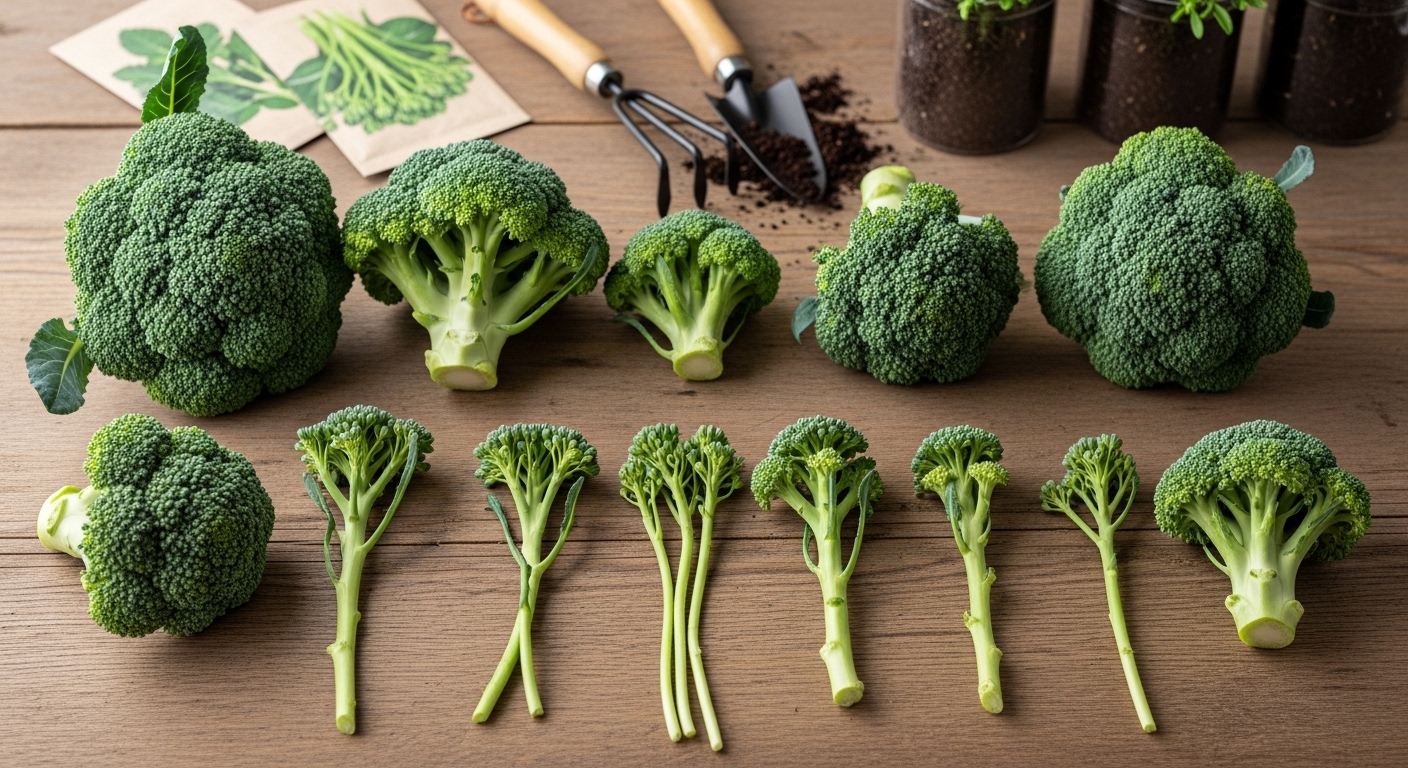
When it comes to choosing broccoli for your home garden, understanding the main types is key to a successful harvest. The most common is Calabrese broccoli, known for its large, dense green heads and classic flavor. It’s easy to grow and widely available, making it a beginner favorite.
Sprouting broccoli is another type, producing smaller, tender florets on long stems. It’s great if you prefer regular harvests over a few weeks rather than all at once.
If you’re in a warm climate, heat-tolerant varieties like Green Magic or Belstar are excellent choices, as they resist bolting in higher temperatures. For gardeners in cooler areas, Waltham 29 and De Cicco offer reliable performance and resilience against frost.
When selecting a variety, consider your season length and personal preferences—do you want a big single head for a one-time harvest, or smaller shoots for ongoing picking?
Many beginners have success with Pacman or Calabrese, both of which are forgiving of varying conditions and produce well in most home gardens. Hybrid varieties often bring disease resistance and uniformity, while heirlooms can offer unique flavors and textures.
Don’t be afraid to experiment with a couple of types in your first season to find what thrives in your garden. Remember to check days to maturity on seed packets, and look for varieties labeled as suited to your zone and expected temperatures. Matching the right broccoli type to your garden’s climate and your goals makes the process more rewarding and your harvest more abundant.
Planting Broccoli: When, Where, and How
Broccoli thrives in cool weather, making early spring and fall the best seasons for planting in most regions. Aim to plant when daytime temperatures stay between 60°F and 70°F—heat can cause broccoli to bolt, leading to small or bitter heads.
You can start broccoli from seeds indoors 6–8 weeks before your last expected frost, or sow seeds directly outdoors 2–3 weeks before that date. Alternatively, buying young transplants from a garden center saves time and helps eliminate early-stage guesswork, especially if you’re dealing with a short growing season.
For site selection, choose a spot that gets at least 6 hours of sunlight daily and avoid planting where other brassicas (like cabbage or cauliflower) have grown in the last three years to prevent soil-borne diseases. Broccoli prefers rich, well-draining soil with a pH of 6.0–7.0; mixing in compost or well-rotted manure before planting gives your crop a healthy start.
If growing from seed, plant seeds ¼–½ inch deep, spacing them 3 inches apart in rows 18–24 inches apart. Once seedlings reach 2–3 inches tall, thin them so the strongest plants are left 18 inches apart. For transplants, dig holes as deep as the root ball and 18 inches apart, placing each plant gently in the ground, then firm the soil around them.
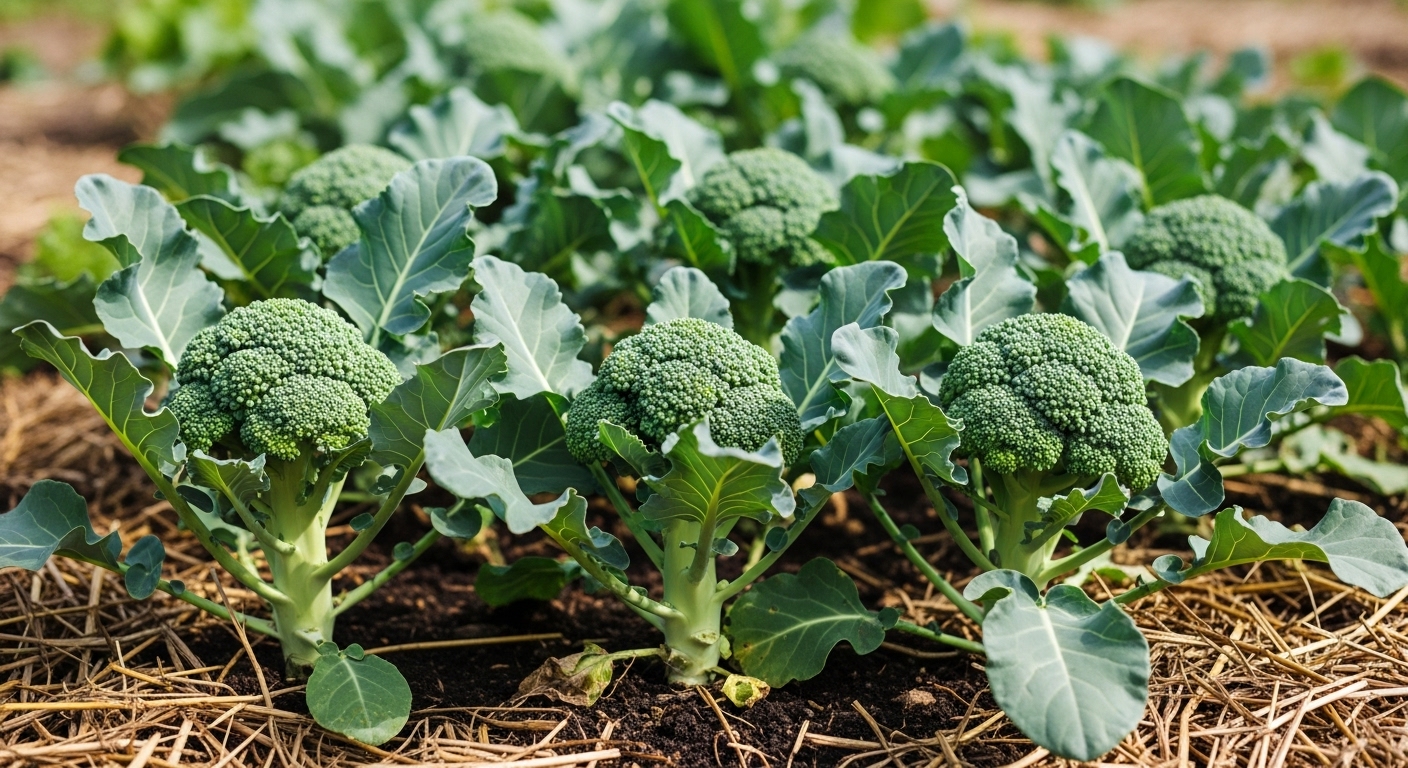
Water consistently—about 1–1.5 inches per week—especially during dry spells. Mulch with straw to retain moisture and keep weeds at bay. Following these steps will set you up for a productive broccoli patch that’s both tasty and rewarding.
Caring for Broccoli Plants: Soil, Water, and Fertilizer
To set your broccoli plants up for success, start by preparing nutrient-rich, well-draining soil. Mixing in plenty of compost before planting gives roots the healthy foundation they need while helping retain moisture. Broccoli thrives best in soil with a pH between 6.0 and 7.0, so consider testing and adjusting with lime if your soil is too acidic.
After transplanting, feed your plants with a balanced fertilizer, such as a 10-10-10 formula, about three weeks in. Be careful not to apply too much nitrogen, as it may encourage leafy growth at the expense of the heads. Stick to recommended rates or opt for an organic option like fish emulsion for slow release.
For watering, broccoli needs consistent moisture, especially as heads form. Aim to keep the soil evenly moist by providing about 1 to 1.5 inches of water per week, either from rainfall or supplemental irrigation. Early morning is ideal for watering to help foliage dry off and prevent disease.
Mulching with straw or shredded leaves around the base of your plants helps maintain soil moisture and cut down on weeds, both of which can stress your broccoli. Try to weed by hand or use a hoe carefully to avoid disturbing shallow roots.
Regularly check for pests like cabbage worms or aphids, and practice crop rotation each year to reduce soil-borne diseases. By giving your broccoli thoughtful soil amendments, steady watering, and diligent maintenance, you’ll be rewarded with vibrant, healthy heads ready for harvest.
Common Problems and Solutions: Pests, Diseases, and Growing Issues
Growing broccoli can be hugely rewarding, but it’s not without its challenges. Common pests like cabbage worms, aphids, and flea beetles often target broccoli, chewing leaves and stunting growth. Inspect your plants regularly, and use organic solutions like hand-picking worms, spraying with a mild soap-and-water solution for aphids, or sprinkling diatomaceous earth around the base to deter beetles.
Diseases like clubroot and downy mildew can also strike, causing wilting or yellow spots. Practice crop rotation each season and avoid planting broccoli in the same spot for at least three years to minimize disease risk. Well-draining soil and good air circulation will also help prevent fungal problems.
Sometimes, broccoli growers face issues like bolting—when the plant flowers prematurely—often due to hot temperatures or stress. To avoid this, plant broccoli in early spring or fall when temperatures are milder, and be sure to keep the soil evenly moist.
Poor head development is another frustration, usually caused by nutrient deficiencies or inconsistent watering. Test your soil before planting and amend it with compost or a balanced organic fertilizer. Mulching helps retain moisture and regulate soil temperature, further supporting healthy growth.
By staying vigilant and using these practical, organic strategies, you’ll give your broccoli a much better shot at thriving in the garden.
Harvesting and Storing Broccoli
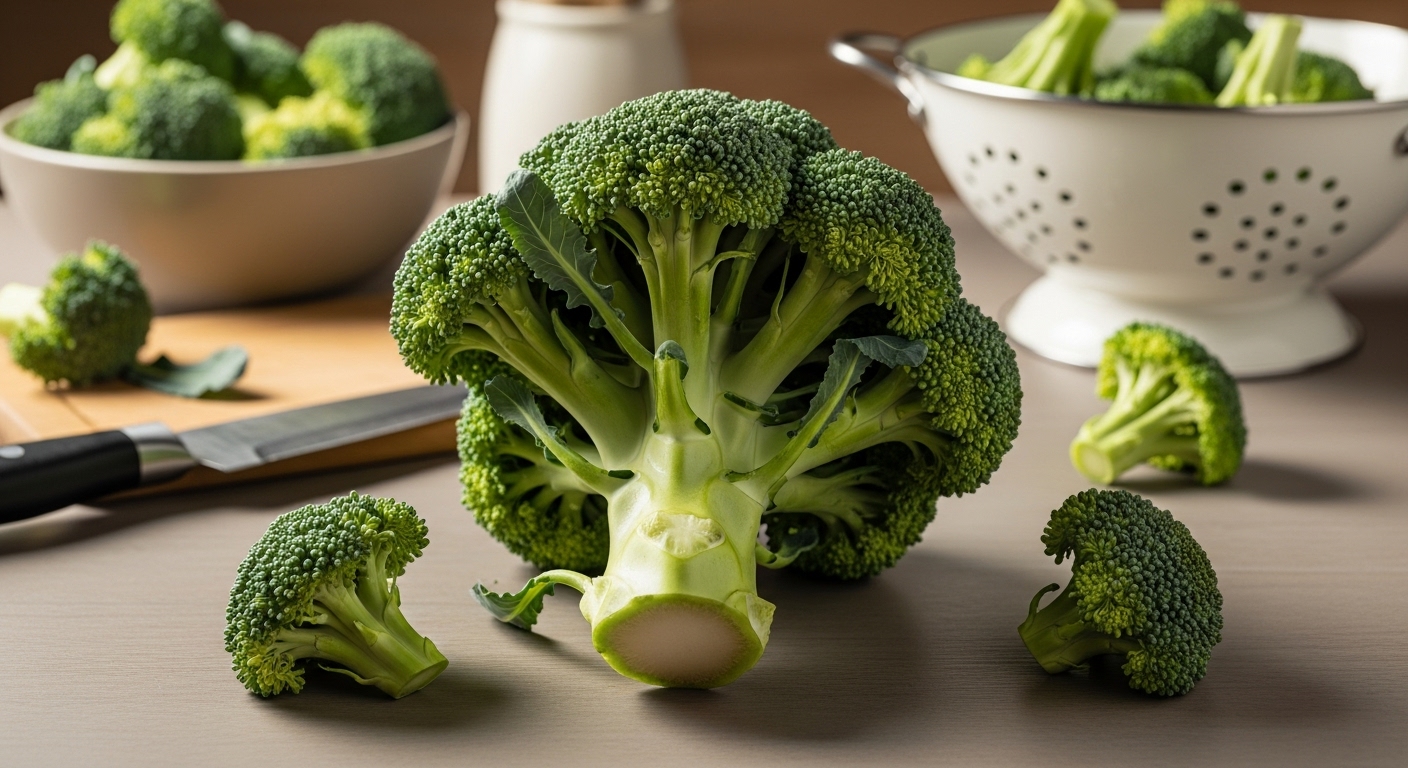
Knowing when to harvest broccoli is key to getting the best flavor and texture from your garden. Look for tightly clustered, dark green heads that are compact and about 4 to 7 inches across. Harvest before the buds begin to yellow or show signs of flowering, as this signals over-maturity and bitterness.
Use a sharp knife to cut the main stem about 5 inches below the head, doing so in the morning when the heads are crispest. After cutting the central head, leave the plant in the ground; smaller side shoots may develop for a bonus harvest.
Once picked, keep broccoli fresh by immediately refrigerating it—wrap unwashed heads loosely in damp paper towels and store them in the crisper drawer, where they can last up to five days.
If you have more than you can eat, quickly blanch the florets in boiling water for three minutes, then cool them in ice water, drain, and pack for freezing. This method preserves both flavor and nutrients, giving you delicious homegrown broccoli well after the harvest season ends.
Broccoli Nutrition and Enjoying Your Harvest
Broccoli is packed with nutrients, making it a powerhouse both in your kitchen and garden. Just one cup offers more than your daily dose of vitamin C, plenty of vitamin K for healthy bones, and fiber to keep you feeling full. It’s also rich in antioxidants, which may help protect your cells from damage.
To get the most out of your harvest, try steaming broccoli to preserve its crunch and nutrients, or roast it with a little olive oil and garlic for a savory side dish. Even the stems can be sliced thin and tossed into stir-fries or salads for a no-waste approach.
If you have more broccoli than you can use right away, blanch and freeze the extras for easy additions to soups or casseroles later. Enjoy the satisfaction of homegrown, nutritious food by getting creative in the kitchen and savoring every bite of your fresh broccoli.
FAQs About Growing Broccoli
Wondering when to plant broccoli? Start seeds indoors 6-8 weeks before your last frost, or set transplants outdoors 2-3 weeks before the frost ends, as broccoli thrives in cool weather.
Do you need a lot of space? Not really—broccoli can be grown in raised beds or even large pots. Just leave about 18 inches between plants so the heads have room to form.
Concerned about pests? Watch for cabbage worms and aphids; simply pick them off by hand or use row covers to protect your plants and keep your harvest healthy.