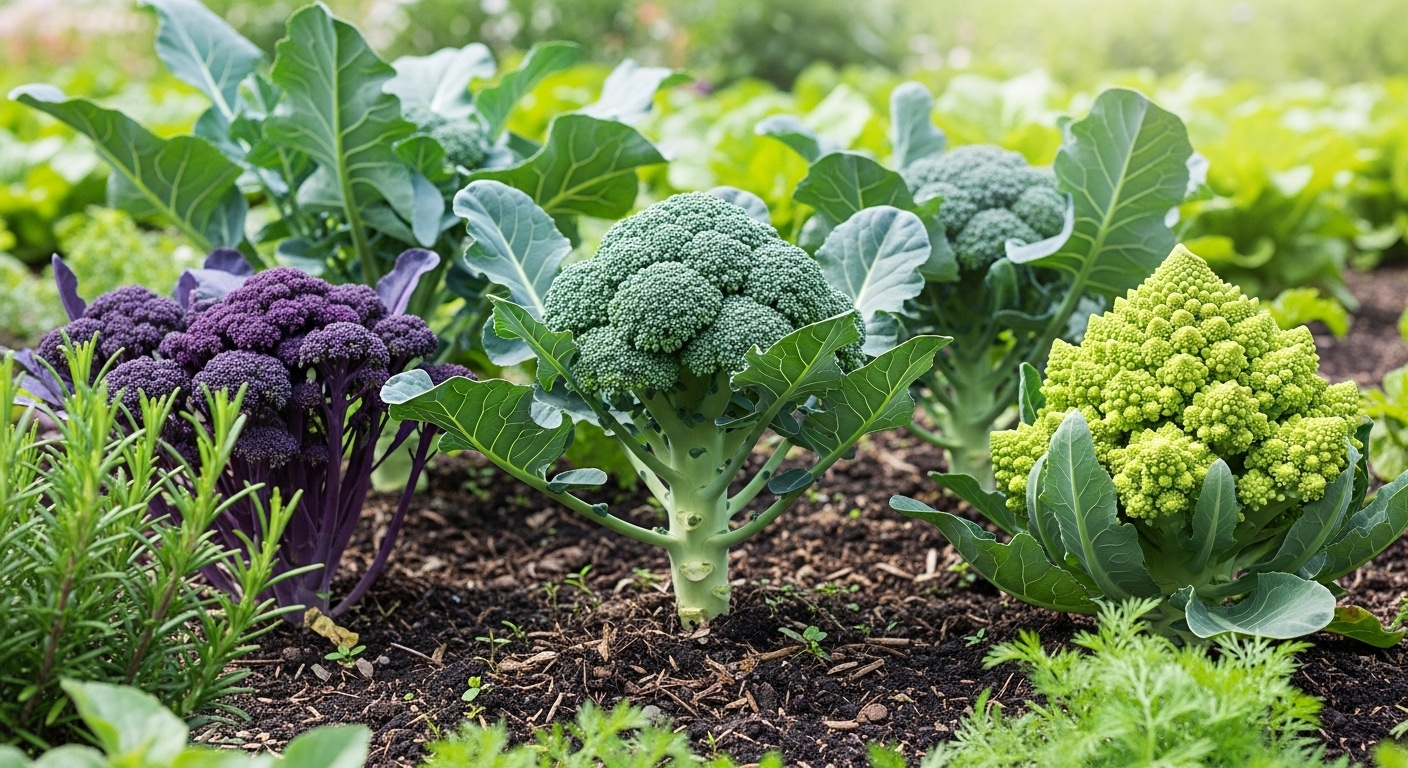
Choosing the Right Broccoli Varieties
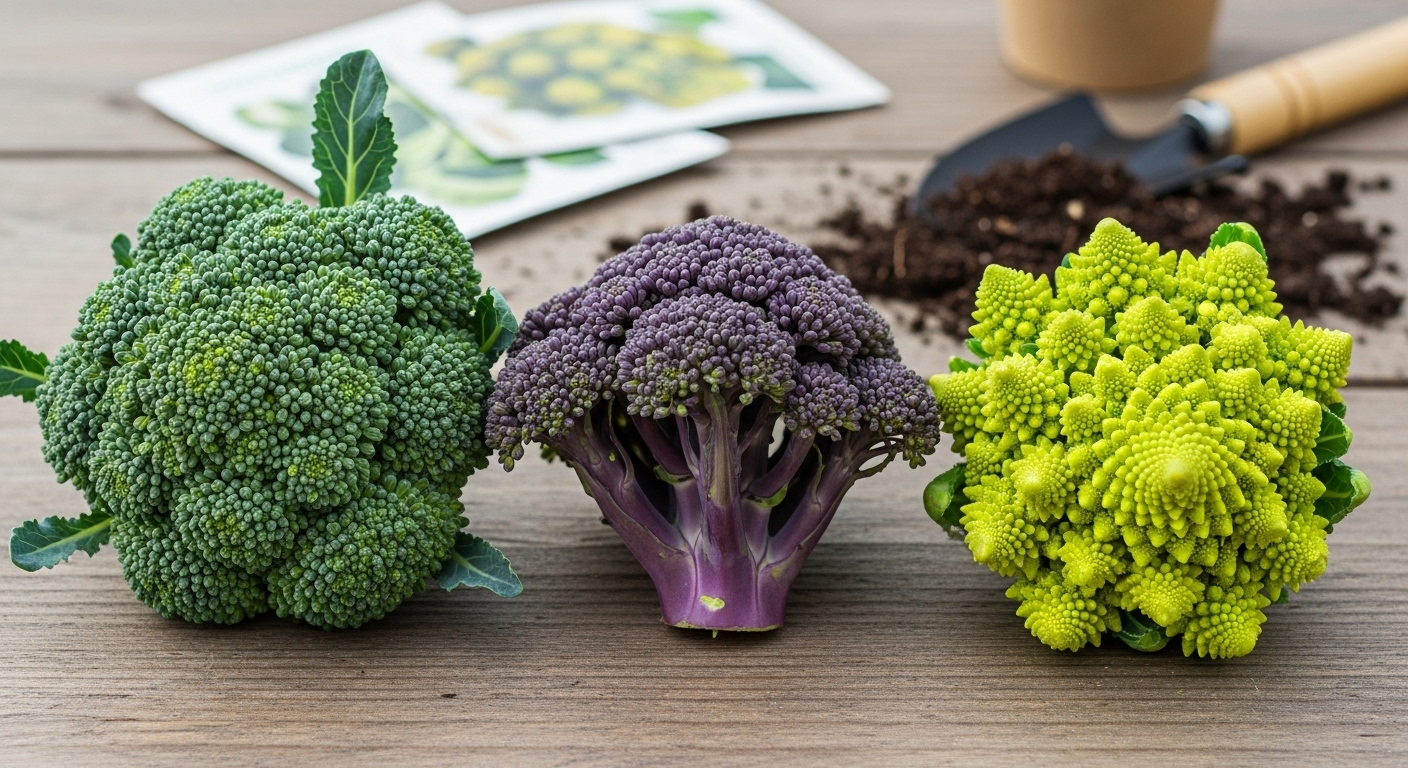
If you’re excited about growing organic broccoli but aren’t sure which type to plant for the best home harvests, you’re not alone. Choosing the right broccoli varieties can make the difference between a quick crop for salads and stir-fries or a long-season centerpiece for your vegetable patch.
Broccoli options generally fall into three categories: sprouting, heading, and specialty types.
Sprouting Broccoli
Sprouting broccoli, such as the popular purple sprouting variety, produces smaller, tender shoots over an extended period rather than a single large head. It’s ideal for gardeners who prefer multiple smaller harvests and want to extend their picking window. Just make sure to plant it in well-drained soil and give it full sun for strong, vivid color.
Heading Broccoli
Heading broccoli (like classic Calabrese) forms one sizable central head and often matures faster, with harvests typically ready in early to mid-summer. Calabrese thrives in cool, fertile soil and rewards growers with richly flavored heads—perfect for anyone craving that classic broccoli taste.
Specialty Broccoli
For something different, specialty types like Romanesco offer striking spiraled forms and nutty undertones, best for those seeking visual interest and gourmet appeal.
Mixing Varieties for Continuous Harvest
To keep your vegetable drawer stocked and your meals interesting, try a mix of early, mid, and late-season varieties. For example, start with Calabrese for an early head, then follow with purple sprouting or Romanesco for later, staggered harvests.
Choosing for Flavor
If flavor is your top priority, look for variety descriptions mentioning sweetness, tenderness, or mildness, and don’t be afraid to try a few different types side by side.
With the right mix of seeds and careful timing, growing organic broccoli becomes both simple and satisfying in any home garden.
Planning and Starting Your Broccoli Crop
To get the most from your broccoli crop, timing is crucial. For a head start, sow seeds indoors 6 to 8 weeks before your last expected spring frost—a common strategy in cooler climates. Use seed trays filled with seed-starting mix, placing them near a sunny window or under grow lights.
Transplant seedlings outdoors 2 to 4 weeks before the last frost, making sure to harden them off first. For direct sowing, wait until soil temperatures reach at least 50°F (10°C) before planting seeds outdoors.
Stagger plantings every 2 to 3 weeks for a steady harvest through spring and fall. Succession planting helps you avoid a glut and fills gaps left by early bolting.
Site Selection
Choose a sunny spot—broccoli needs at least 6 hours of light daily. Well-drained, fertile soil with a neutral pH (6.0–7.0) works best. Before planting, mix in compost or aged manure to enrich the soil.
Crop Rotation
Crop rotation is vital. Avoid planting broccoli or any other brassicas like cabbage or cauliflower in the same spot year after year to reduce soil-borne diseases and pest buildup.
Companion Planting
Try pairing broccoli with aromatic herbs such as dill, rosemary, or sage to naturally deter pests like cabbage worms. Nasturtiums can trap aphids, while planting onions or garlic nearby might also repel unwanted insects.
Avoid growing broccoli beside tomatoes, beans, or strawberries, as these can compete for nutrients or attract troublesome bugs.
By planning your sowing schedule, prepping your plot, and using natural allies for pest control, you’ll set your broccoli up for a productive, healthy season.
Planting and Early Care
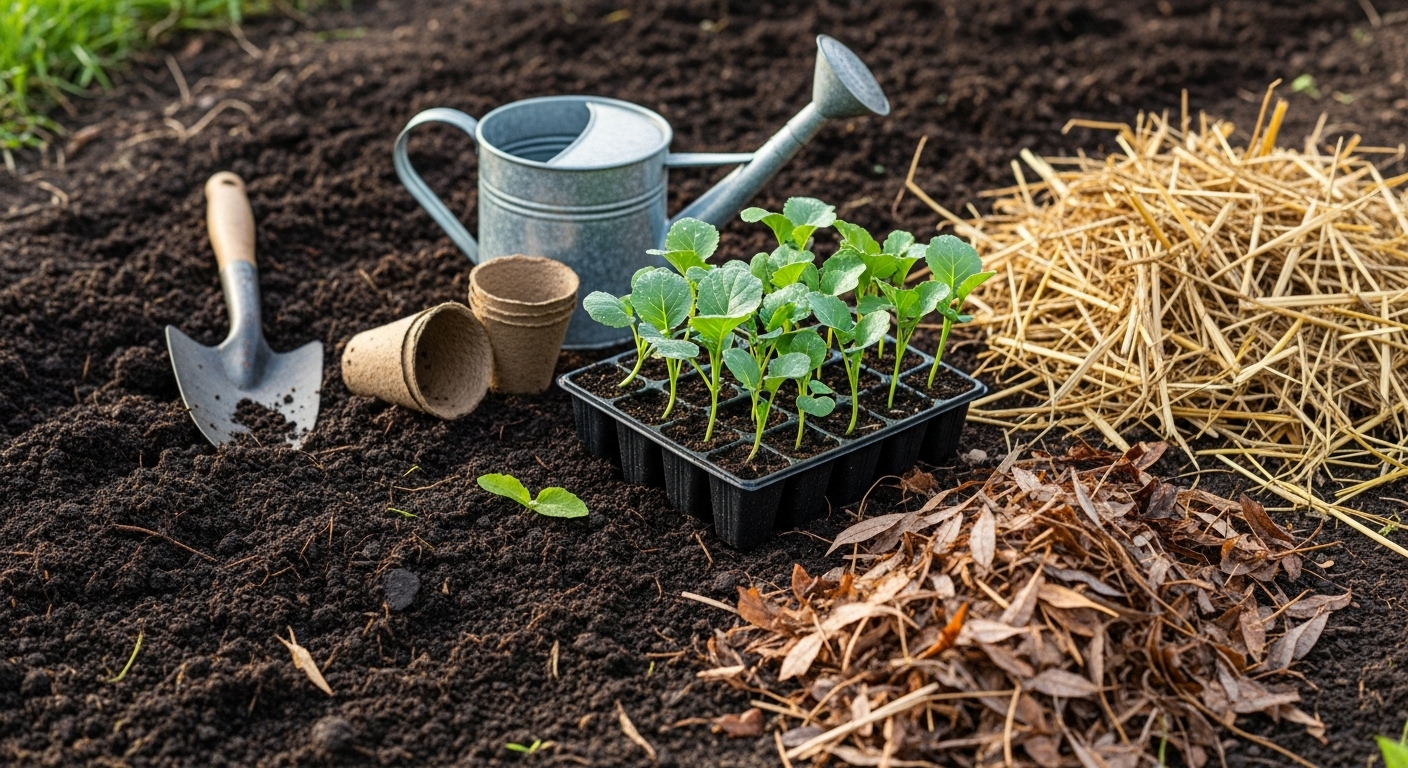
Starting your garden with healthy plants begins long before the seeds hit the soil. For direct sowing, pick a sunny spot and wait until all danger of frost has passed. Loosen your soil to at least 6-8 inches deep, then mix in compost or aged manure to boost fertility and ensure nutrients are available for your plants.
Good drainage is essential—if water pools after rain, consider creating raised beds or adding sand and organic matter to improve the soil structure.
If you’re transplanting seedlings, gently remove them from their pots when they have two sets of true leaves, making sure not to disturb the roots. Set them into moist soil at the same depth they were growing before, pressing the dirt lightly but firmly around their stems.
Space your plants according to their mature size; for example, tomatoes need 18-24 inches, while carrots or lettuce may need far less.
Right after planting, cover the soil with a thin layer of mulch like straw or shredded leaves—this keeps moisture in and weeds out.
Water seedlings or seeds gently and regularly, aiming for moist but not soggy soil, usually about one inch of water per week.
Once seedlings emerge, thin them to their recommended spacing so each plant has enough room and resources to thrive.
Keep an eye out for early signs of pests—holes in leaves or wilting plants—and remove invaders by hand, or use an organic soap spray if necessary.
Paying attention to these details in early care lays the groundwork for a thriving, productive garden that’s easier to maintain all season long.
Ongoing Broccoli Care and Common Problems
Keeping your broccoli thriving starts with a steady maintenance routine, beginning with soil nourishment and fertilization. Apply a balanced organic fertilizer—like well-rotted compost or fish emulsion—every three to four weeks, especially during the early leaf and head-forming stages.
Consistent watering is just as crucial, as broccoli prefers moist—but not waterlogged—soil; aim to provide about 1 to 1.5 inches of water per week, adjusting for rainfall and heat. Mulching around the base with straw or shredded leaves helps retain soil moisture, keeps roots cool, and deters weed growth.
As the plants develop, gently stake broccoli if heads grow large or your area is prone to wind. This ensures the stems stay upright and maximizes growth.
Pest and Disease Management
Pest and disease management is essential. Cabbage worms, aphids, and flea beetles are especially common. For organic control:
- Hand-pick pests
- Use row covers to prevent infestations
- Introduce beneficial insects like ladybugs
Fungal diseases such as downy mildew can be managed by improving airflow. Space plants adequately and water at the soil level rather than overhead.
Pruning and Harvesting
Regularly prune lower yellowing leaves and harvest side shoots after cutting the main head. This encourages further production and helps you monitor for early signs of trouble.
Stress Monitoring
Watch for stress symptoms such as bolting (premature flowering), which often results from temperature fluctuations or drought. Provide shade during heatwaves and keep moisture levels steady to reduce stress.
In sum, a mix of attentive watering, organic nutrition, proactive pest control, and timely pruning will keep your broccoli healthy and productive throughout the growing season.
Harvesting for Maximum Yield
Knowing when to harvest your broccoli is key to getting the most from each plant. For main heads, look for tight, compact buds that form a dark green crown—don’t wait for yellow flowers, as that means you’re too late. Cut the central head with a sharp knife about five to six inches below the head, which encourages the plant to produce more side shoots.
After harvesting the main head, watch for the smaller side shoots growing from the leaf axils. These are ready when their buds are similarly compact, usually a few weeks later. Harvest side shoots regularly by snipping just below each floret cluster. This stimulates continued growth and extends your harvest for weeks.
Always use a clean, sharp blade to avoid damaging the stems or spreading disease. After harvesting, promptly remove any yellowing leaves and keep the area around your plants free from debris to limit pests and diseases.
Water consistently—without soaking the soil—to keep stress low. Provide a dose of balanced fertilizer every couple of weeks to support vigorous regrowth. If temperatures start rising, consider providing light shade or using mulch to help keep roots cool and prevent bolting. Bolting causes tough, bitter heads and signals the end of your harvest.
With careful attention, your broccoli bed can remain productive well into the season.
Troubleshooting & Advanced Tips
Many gardeners find broccoli tricky, but most problems can be fixed with a few smart adjustments. One common mistake is planting seedlings too close together—crowded broccoli has smaller heads and is more vulnerable to pests. Always follow the spacing guidelines on your seed packet (usually 18-24 inches apart) and thin out weak seedlings early.
Timing is also crucial: planting too late in spring or summer can cause heat stress, leading to premature bolting and smaller, bitter heads. Start seeds indoors 6-8 weeks before your last frost date or sow in late summer for a fall harvest if your summers run hot.
Advanced Growing Techniques
For advanced growers, learning to prune can mean more food from each plant. After cutting off the main head, leave the plant in the ground and snip away a few of the largest side-shoot leaves. This encourages vigorous side-shoot production, giving you multiple smaller but tender heads over the next several weeks.
Broccoli Sprouts
If you haven’t tried broccoli sprouts, give them a go: soak seeds in a jar with a mesh lid, rinse twice daily, and in 4-6 days you’ll have super-nutritious sprouts perfect for salads and sandwiches.
When Broccoli Flowers
When your broccoli starts to flower, don’t panic—those yellow blooms are edible and look beautiful sprinkled over dishes or mixed into stir-fries for a mild, peppery flavor.
Additional Resources & Tips
For ongoing improvement, check out resources like your local extension office, online gardening forums, or books such as The Year-Round Vegetable Gardener by Niki Jabbour. Above all, don’t be afraid to experiment—try succession planting, shade cloths, or even container broccoli to find what works best for your space and microclimate. Every season, you’ll learn more and get closer to homegrown broccoli all year round.