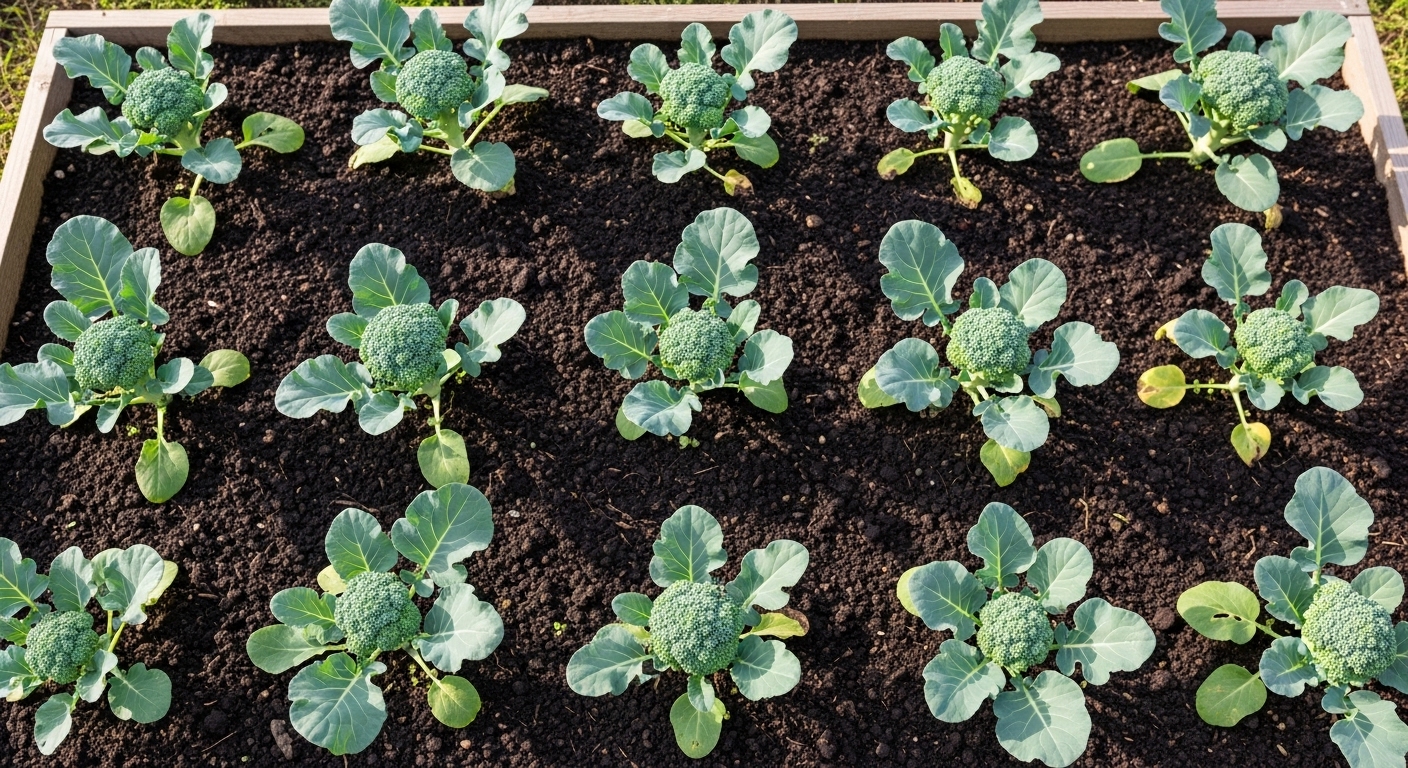
Why Broccoli Spacing Matters in Raised Beds
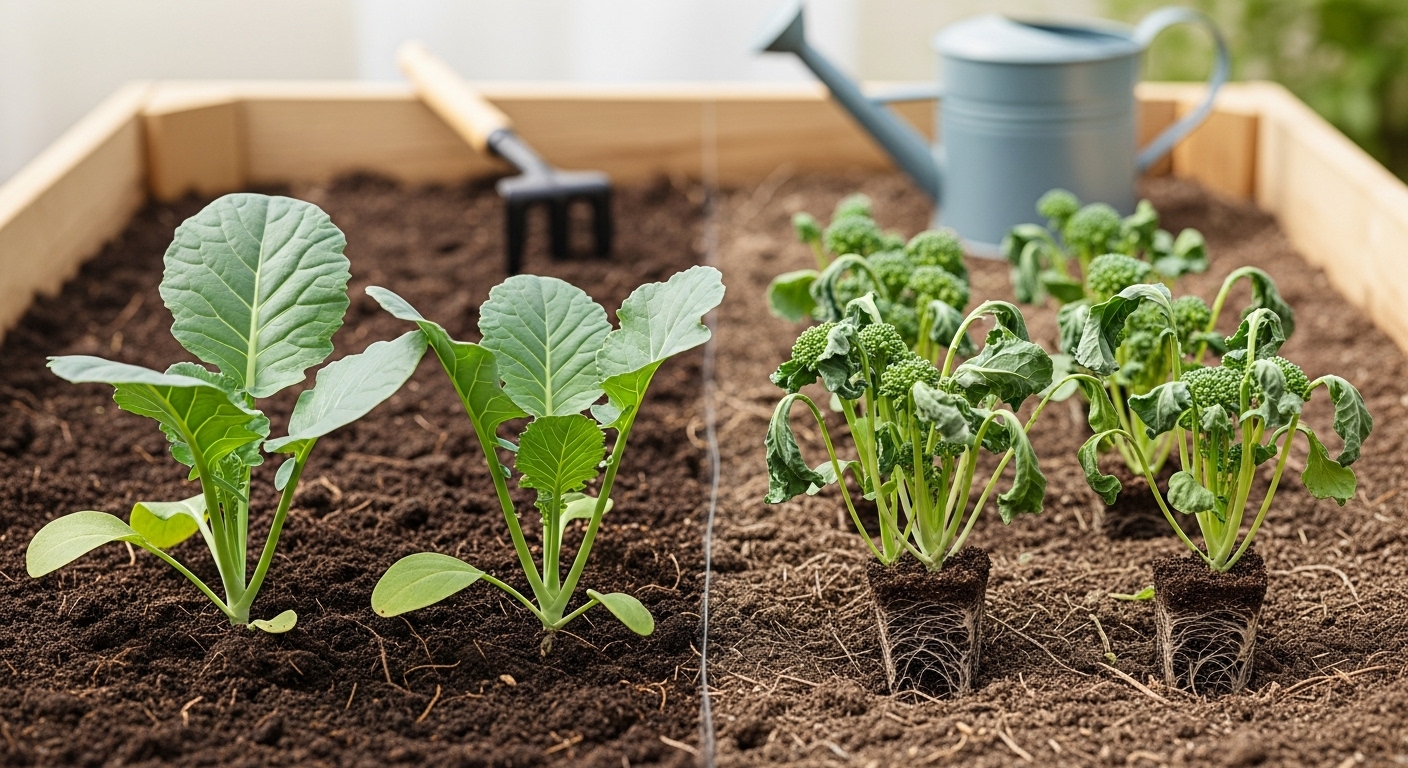
When planning your garden, getting your broccoli bed layout right can make all the difference between a flourishing crop and a patchy disappointment. Proper plant spacing isn’t just a guideline—it’s the foundation for healthy, thriving broccoli in raised beds. By giving each plant enough room, you allow roots to stretch deep and absorb nutrients efficiently, which is crucial for developing those sturdy, tasty heads.
Well-spaced broccoli also benefits from better air circulation, reducing excess moisture that encourages problems like powdery mildew and other fungal diseases. Plus, with ample airflow, leaves dry faster after watering or rain, slashing the risk of rot and pest infestations.
Compare this to overcrowded beds: when broccoli plants are crammed too close together, competition for light, water, and nutrients skyrockets. Roots become constricted, and above the soil, weak, leggy plants often result. These stressed broccoli plants are not only stunted in growth but are also more inviting to aphids and caterpillars, which thrive in tight, humid spaces.
The yield from crowded beds is typically disappointing, with smaller, less flavorful heads and a greater likelihood of disease spreading rapidly.
Raised beds give you a unique advantage here. Their defined sides and loose, well-draining soil make it easier to plan and stick to an ideal broccoli bed layout. Unlike traditional in-ground beds, where space can feel limitless (and tempting to overplant), raised beds naturally guide you towards precision.
You can set clear rows or grids, ensuring each broccoli seedling gets the recommended 18–24 inches of elbow room. Not only does this optimize each plant’s growth, but it also makes garden maintenance—like weeding and harvesting—much less of a chore. In the end, well-organized raised beds are your secret weapon for luscious, productive broccoli harvests.
Selecting Broccoli Varieties and Their Space Needs
When planning your broccoli patch, picking the right variety for your garden space is crucial. Popular standard-sized varieties like ‘Calabrese’ and ‘Waltham 29’ grow into robust plants with wide, leafy spreads, often needing 18 to 24 inches between each plant to allow for air circulation and healthy growth.
Alternatively, compact varieties such as ‘De Cicco’ or ‘Artwork’ are bred for smaller spaces and container gardening, often thriving with as little as 12 to 15 inches of space.
If you have a larger raised bed (say, four feet wide), you can plant standard broccoli varieties in two staggered rows, keeping 18 inches between each plant and each row. For smaller or narrower beds, or if you want to maximize yield in a limited area, opt for compact types and reduce the spacing appropriately.
Always check the seed packet or plant label—these resources offer specific guidance for each variety’s mature size and preferred plant spacing, which can vary widely depending on growth habits. Some varieties are especially bred for side-shoot production after the main head is harvested, which might also impact spacing.
If in doubt, err on the side of giving more space, as overcrowded broccoli is more susceptible to pest and disease issues. By matching your broccoli choice and spacing to your bed’s dimensions and consulting reliable sources for specifics, you’ll set yourself up for a healthier, more productive crop.
Ideal Spacing Guidelines for Broccoli in Raised Beds
Proper spacing is essential when growing broccoli in raised beds to help your plants thrive and produce big, healthy heads. For most standard broccoli varieties, aim for 18 inches between each plant using the traditional grid method, and leave at least 24 inches between rows. This spacing gives plants ample room for their broad leaves and improves airflow, reducing the risk of disease.
If you’re short on space and practicing intensive methods like square foot gardening, you can fit one broccoli plant per square foot. Just be prepared to monitor for overcrowding and watch out for smaller heads.
For extra-large broccoli varieties or if you want to give your broccoli the best shot at reaching full size, consider increasing the spacing to 24 inches between plants and up to 36 inches between rows.
Example Layouts in a 4×8-Foot Raised Bed
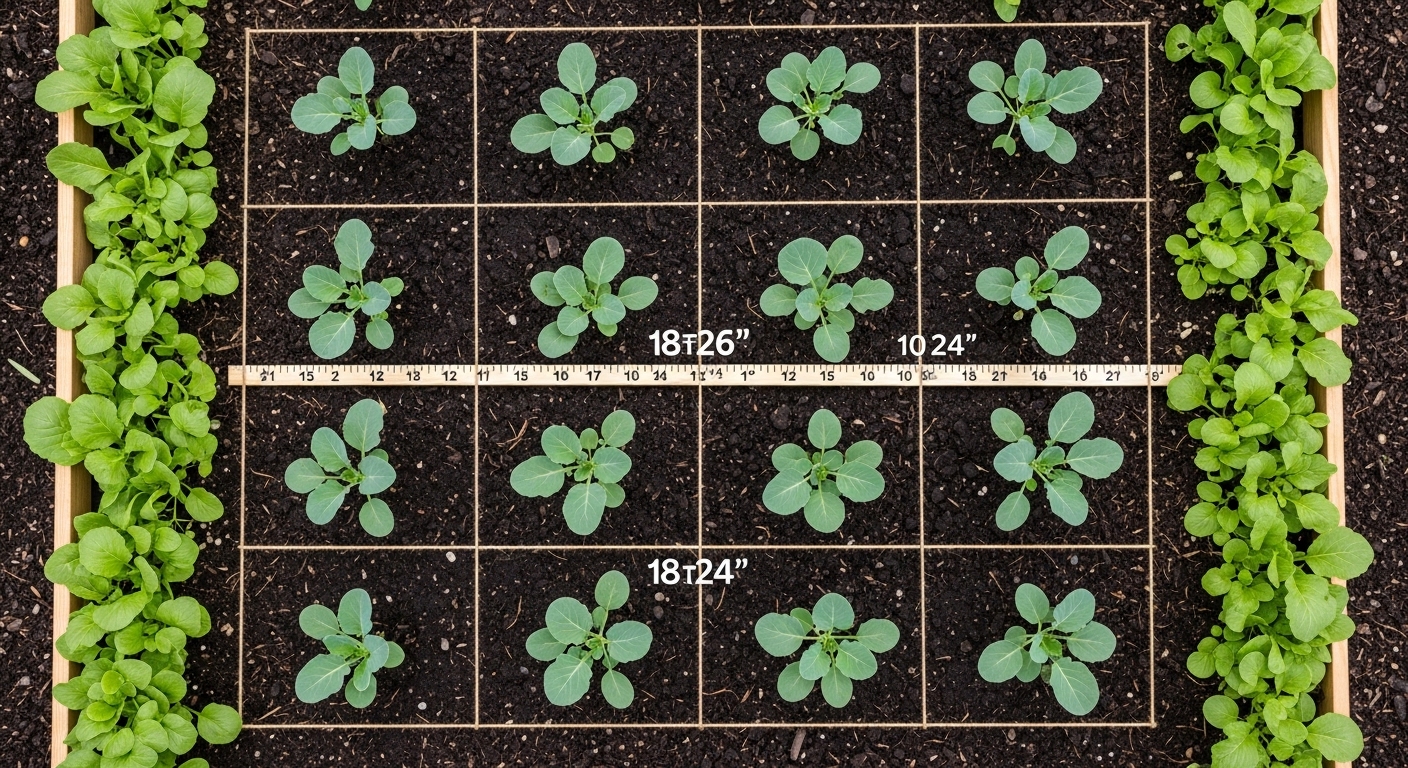
In a typical 4×8-foot raised bed, a traditional layout might include two rows spaced 24 inches apart down the length of the bed, with plants set 18 inches apart along each row. This setup neatly accommodates up to eight broccoli plants with plenty of growing room.
For square foot gardening, you might fit eight to ten plants, each in its own square foot, although this sacrifices a little head size in favor of quantity.
Soil Depth and Companion Planting Tips
Whatever spacing you choose, ensure your raised bed has at least 12 to 18 inches of soil depth, as broccoli develops a large, deep root system that needs room to grow.
If you’re mixing in companion plants like lettuce or spinach—which have shallow roots—tuck them between broccoli plants or along the bed’s borders to maximize space without crowding.
Remember, giving broccoli adequate room results in healthier, tastier harvests and fewer pest problems. Spend a little time planning your layout, and you’ll reap the rewards!
How Spacing Impacts Broccoli Growth and Harvest
Spacing plays a crucial role in how broccoli plants grow and how successful your harvest will be. When broccoli is given enough space—typically about 18 to 24 inches between plants—it allows the roots to expand fully and access nutrients and water more efficiently.
Crowded plants compete underground, leading to smaller, undernourished heads and stunted growth. Well-spaced broccoli also enjoys better airflow, which is key for reducing problems like fungal diseases and deterring pests such as caterpillars that thrive in damp, crowded environments.
On the flip side, planting broccoli too far apart might reduce your yield per square foot, so finding a balance is essential. Some gardeners experiment with tighter spacing to increase the number of plants, but this usually means smaller heads and higher risks of disease, especially in humid weather.
Proper spacing not only boosts plant health and head size but also helps stagger the harvest. Tightly packed plants tend to mature all at once, making harvesting more rushed and less manageable. For home growers, sticking to recommended distances maximizes both the quality and timing of your broccoli crop, leading to a garden that’s both abundant and easier to maintain.
Companion Planting and Mixing Crops with Broccoli
Companion planting is a great way to get more from your broccoli beds while naturally reducing pests and improving yields. Good neighbors for broccoli include herbs like dill, basil, and rosemary, which can help deter pests such as cabbage worms.
Other vegetables like onions, beets, and celery are also excellent companions, as they don’t compete aggressively for nutrients and can fit nicely around broccoli’s broad leaves. Leafy greens like lettuce and spinach work well too, filling in spaces and providing ground cover that helps retain moisture and suppress weeds.
However, you’ll want to avoid planting broccoli near tomatoes, peppers, strawberries, and pole beans—these can stunt broccoli growth or be vulnerable to similar pests.
If you’re mixing crops in the same raised bed, alternate rows or blocks of broccoli with compatible companions, making sure to leave at least 18 inches between broccoli plants to allow their large leaves to spread out. Use low-growing crops, like radishes or greens, in spaces between young broccoli plants—they’ll mature before the broccoli gets too big and shades them out.
Remember to watch for signs of crowding, such as yellowing leaves or stunted growth, and thin out plants as needed to maintain good airflow and prevent disease. With thoughtful planning, a mixed bed can be productive, visually interesting, and healthier for all your crops.
Troubleshooting Common Broccoli Spacing Problems
Spacing issues are a common pitfall in broccoli gardening, often showing up as stunted growth, tiny heads, or pest invasions. Overcrowding—when plants are placed too close together (less than 18 inches apart)—is a top mistake. Broccoli struggling in cramped conditions doesn’t get enough sunlight, airflow, or nutrients, resulting in small, leggy plants that stretch for light and develop weak stems.
Crowded conditions also trap moisture, making it easier for aphids and fungal diseases to invade. On the flip side, planting broccoli too far apart leaves wide gaps that encourage weeds and waste precious garden space.
If you notice poor growth or lots of pests, check your spacing. If your broccoli is already overcrowded, thin the plants early by plucking out the weakest seedlings when they’re just a few inches tall—this helps avoid shocking mature plants. You can try relocating thinned seedlings with intact roots to bare spots elsewhere in your garden.
For leggy, floppy seedlings, gradually increase their sun exposure and consider using stakes to support them as they strengthen. If pest problems crop up, improve airflow by gently pruning lower leaves and sticking to the recommended 18–24 inch spacing. Mulching between plants can also suppress weeds and help the soil retain moisture, creating a healthier environment.
Remember, giving each broccoli plant enough personal space helps produce bigger, tastier heads and keeps both pests and diseases at bay.
Practical Tips for Successful Broccoli Beds
Setting up your broccoli beds for success starts with marking planting grids, which ensures even spacing and prevents overcrowding. Use string lines or a measuring stick to mark out a grid on your raised bed, aiming for 18–24 inches between plants—this gives each broccoli head room to develop and makes it easier to spot problems early.
After sowing seeds, be proactive about thinning seedlings once they have a few true leaves, leaving only the strongest in each spot. This step is critical for airflow and helps stave off diseases.
For gardeners eager for a steady supply, try succession planting: every two to three weeks, sow a few seeds or transplant new seedlings so you don’t harvest all your broccoli at once—perfect for smaller beds and avoiding market-glut moments.
If you’re a beginner, don’t stress too much about getting it perfect on your first try. Factors like temperature, sunlight, and soil fertility can shift ideal spacing, so observe your plants as they grow.
If leaves crowd each other or heads seem stunted, thin more aggressively next time. Keep notes—what worked one season may need tweaks the next. Broccoli is forgiving, and a bit of trial and error will teach you far more than any guide.