Introduction
Year-round broccoli growing is a dream for many home gardeners—and with the right approach, it’s more achievable than you might think. Broccoli isn’t just packed with nutrients like vitamin C, fiber, and antioxidants; it’s also incredibly versatile in the kitchen. From stir-fries to creamy soups and vibrant salads, broccoli can fit into almost any meal of the day.
For garden enthusiasts, this vegetable offers another bonus: with the right planning and a bit of know-how, it can be cultivated nearly all year, whether you’re working with a backyard plot or containers on a balcony. Even if you’re new to gardening, broccoli is a rewarding crop that usually thrives with just a bit of care and attention.
In this article, we’ll walk you through every step of year-round broccoli growing, including how to select the best varieties for your climate, when and how to plant for multiple harvests, essential care tips, ways to recognize when your broccoli is ready to pick, and ideas for using your fresh florets in delicious recipes. Ready to enjoy tasty, homegrown broccoli no matter the season? Let’s dig into the details together.
Choosing the Right Broccoli Varieties
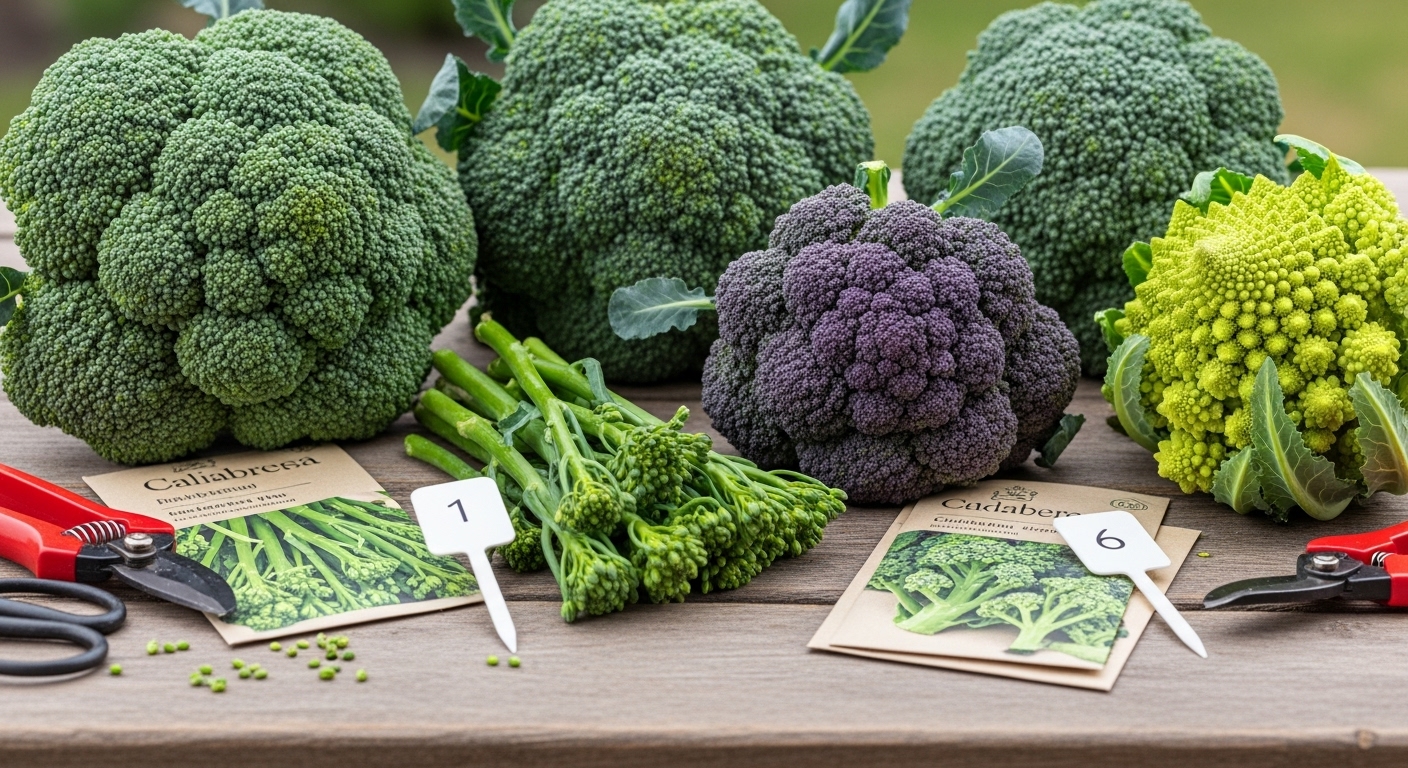
When selecting the best broccoli variety for your garden, it’s helpful to know there’s more than just the familiar supermarket heads. Popular types like ‘Calabrese’ produce large crowns and mature quickly, making them an easy choice for both beginners and those with shorter summers.
For gardeners in warmer climates or areas with unpredictable temperature swings, ‘Arcadia’ offers exceptional heat resistance and sturdiness, while ‘Green Magic’ adapts well to a range of climates and reliably delivers tight, tasty heads.
If space is tight, try broccolini (sometimes called “baby broccoli”) or sprouting broccoli, which produce multiple tender shoots rather than one large head—ideal for container gardens or crowded beds.
Greenhouse growers can consider varieties like ‘Belstar’ that thrive in controlled environments, allowing for earlier spring or extended fall harvests, while outdoor plots do well with classic open-pollinated picks.
For those interested in something unusual, purple sprouting broccoli offers vibrant color and a milder, sweeter taste, while Romanesco stands out with its striking fractal florets and nutty flavor.
When choosing a variety, consider your preferred harvest time and whether you want to enjoy a single large head or a continuous supply of smaller shoots. Always match your choice to your local climate; check seed packets for heat or cold tolerance and pick accordingly for best yields.
By exploring beyond the standard types, you can enjoy unique flavors and longer harvest windows, making broccoli a versatile and rewarding crop in any garden.
Preparing and Planting Broccoli
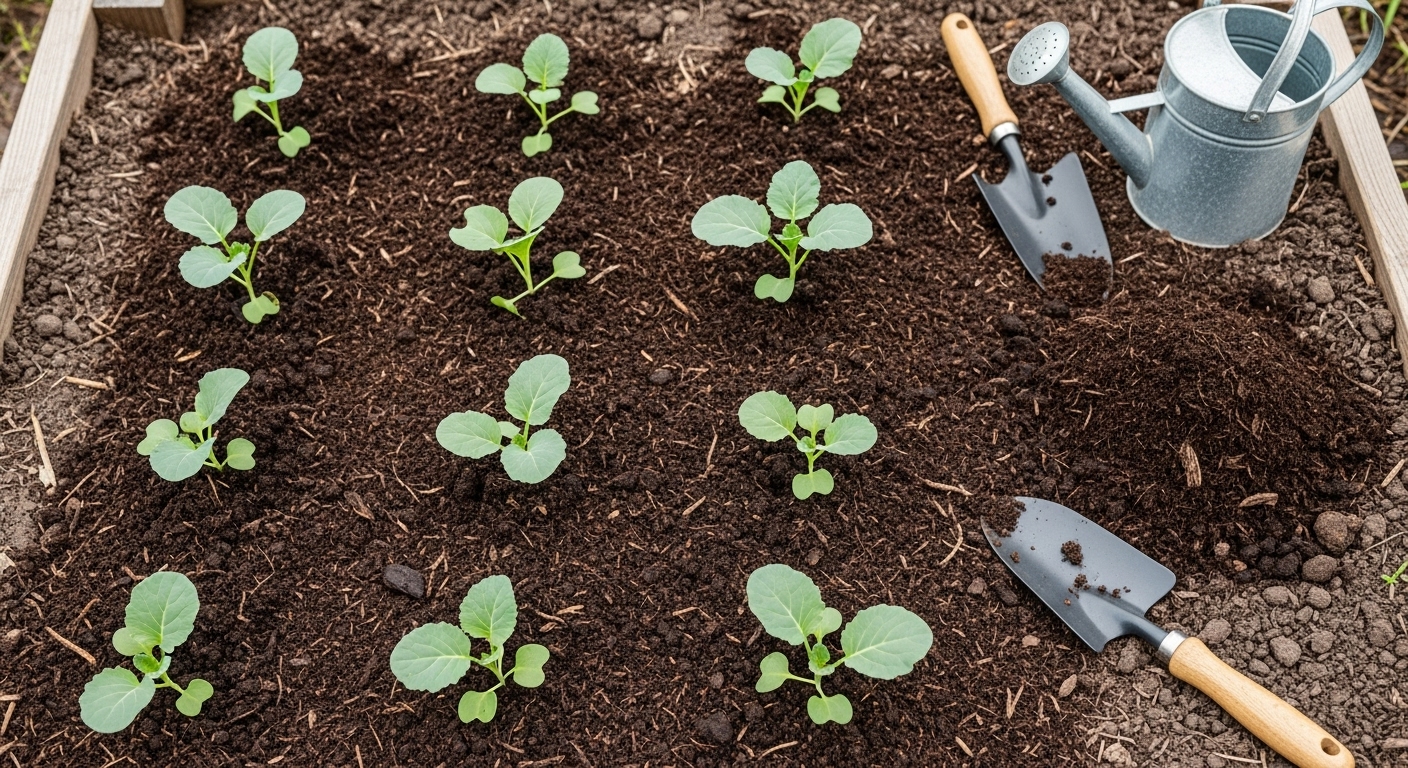
To give broccoli the best start, choose a sunny spot with at least six hours of direct light each day. Avoid areas where other brassicas, like cabbage or cauliflower, were recently grown to reduce the risk of soil-borne diseases. Begin by clearing weeds and working compost or well-rotted manure into the top 6-8 inches of soil to boost fertility—broccoli prefers rich, well-drained soil with a neutral pH (around 6.5-7).
Early to mid-spring is the optimal time to sow seeds indoors, about 6-8 weeks before the last frost. Alternatively, you can buy healthy seedlings from a nursery. Transplant young plants outside when they have two to four true leaves and nighttime temperatures stay above 40°F (about 5°C). Space broccoli 18-24 inches apart in rows, giving each plant plenty of room for air circulation and growth. This spacing also makes harvesting easier and helps prevent disease.
Companion Planting
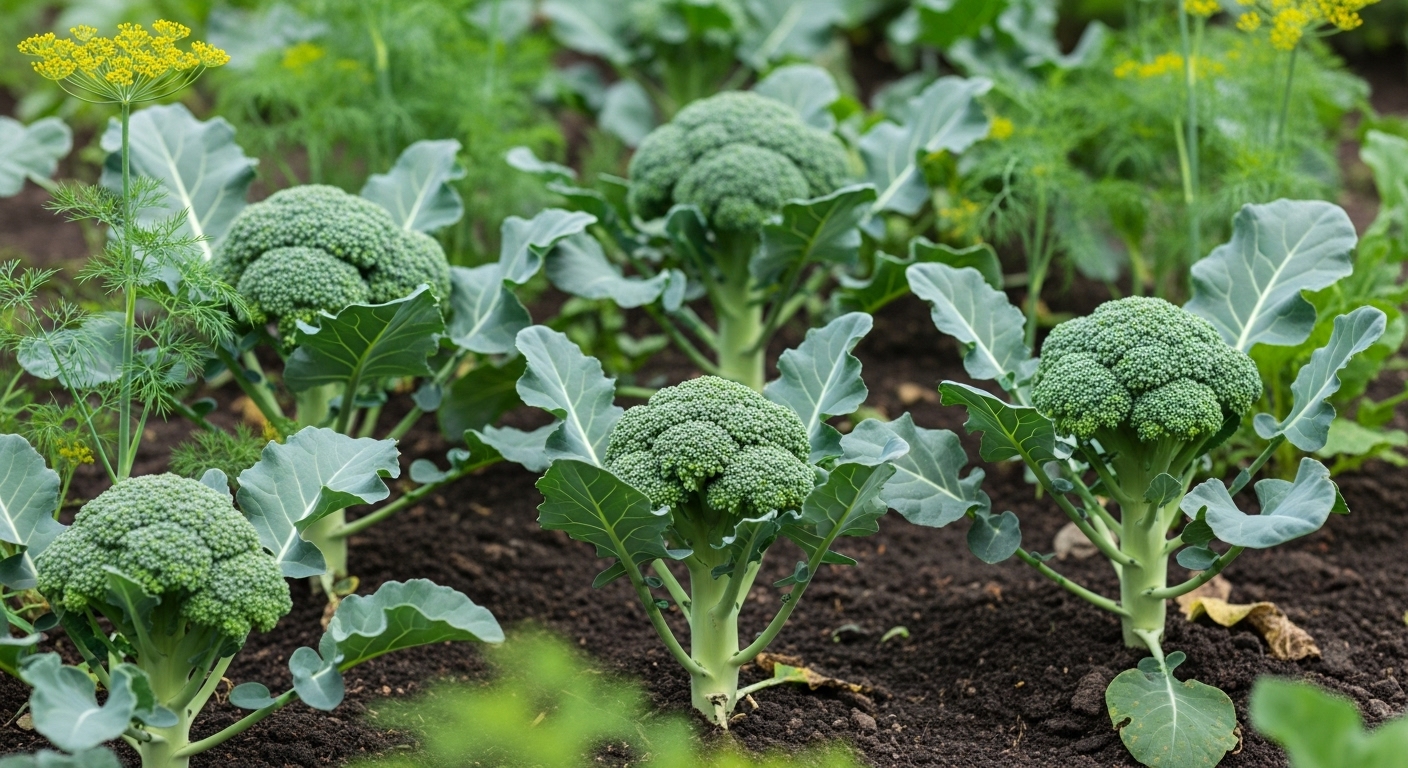
Consider pairing broccoli with aromatic herbs like dill or chamomile, which help deter pests. Avoid planting near strawberries, as they can compete for nutrients.
Succession Planting
To enjoy a longer harvest, try succession planting: sow or transplant new batches every two to three weeks through early summer. You can also stagger plantings by using varieties with different maturity dates.
With these steps, you’ll set your crop up for a healthy, extended season of homegrown broccoli.
Caring for Broccoli Plants
Caring for broccoli plants involves a few simple but crucial steps that can make a big difference in your harvest. Start by keeping the soil consistently moist but not waterlogged—most broccoli varieties thrive with about 1 to 1.5 inches of water per week, so check the soil often, especially during hot, dry spells.
Applying a balanced fertilizer every three to four weeks after transplanting gives your plants a nice nutrient boost; look for mixes labeled 10-10-10 or use well-rotted compost. Mulch around your broccoli with straw or wood chips to retain moisture, suppress weeds, and keep roots cool.
Broccoli is loved by pests like cabbage worms, aphids, and flea beetles, so try covering young plants with row covers and hand-pick any visible invaders. Rotate crops each season and remove plant debris to minimize diseases such as clubroot and downy mildew.
Understand that broccoli’s main head comes first—when it’s tight and compact, harvest promptly before it flowers. After cutting the main head, leave the plant in the ground; many types will produce tasty side-shoots over the following weeks for an extended harvest.
If you notice stunted growth or pale leaves, check for issues like poor soil drainage, lack of nutrients, or root overcrowding. Yellowing leaves often signal overwatering or nitrogen deficiency, while twisted, distorted growth might mean pests or viral infections are present.
By monitoring your broccoli’s progress, taking preventive action, and responding quickly to problems, you’ll enjoy healthy plants and delicious, homegrown heads all season long.
Harvesting Broccoli for Best Flavor
For the best-tasting broccoli, timing is everything. Watch for when the main head forms a tight, dense cluster and measures about 4 to 7 inches across—the buds should be compact and deep green. If you notice yellow petals or the head begins to loosen, harvest immediately. These are signs your broccoli is starting to flower (a process called bolting), which can make the stems tough and bitter.
Use a sharp knife or garden shears to cut the main head off the plant, leaving about 5 to 6 inches of stem. Make a clean cut just above a set of leaves to encourage the plant to produce tasty side-shoots. These side-shoots, smaller heads growing from the main stem, are often even more tender and flavorful—so continue harvesting them regularly to keep new ones forming.
If your broccoli does start to bolt, harvest any remaining heads right away. While they might not be as sweet, they can still be used in soups or stir-fries.
After harvesting, handle the heads gently to avoid bruising, and place them in the refrigerator as soon as possible. For maximum freshness, store broccoli unwashed in an open or perforated produce bag in the veggie drawer—moisture can cause it to spoil faster.
Homegrown broccoli will generally last about a week when stored this way, letting you savor your garden’s bounty at its best.
Creative Ways to Use Broccoli in the Kitchen
Broccoli is far more versatile than its reputation as a simple side dish suggests. Of course, steaming and roasting are classic methods—try tossing florets with olive oil, a splash of lemon, and your favorite spices before roasting for crispy edges and deep flavor.
Stir-fries are another go-to; broccoli’s firm texture holds up well in a hot pan with a bit of ginger, garlic, and soy sauce. But don’t stop at florets—broccoli leaves are edible and delicious, similar to kale or collard greens. Sauté them with a touch of olive oil for a mild, earthy addition to pastas or grain bowls.
As for broccoli stalks, peel and julienne them to add crunch to salads or slaws, or blend them into creamy soups for extra body and nutrition. Broccoli also shines raw—try dunking the florets in hummus, slicing them into salads, or tossing with lemon juice and feta for a quick snack.
For the adventurous, ferment broccoli with garlic and spices for tangy, probiotic-packed pickles that liven up sandwiches or charcuterie boards.
Beyond the Classics
Get creative:
- Blend steamed broccoli into a vibrant pesto for pasta or toast.
- Try your hand at broccoli coffee, a trend where powdered broccoli is added to lattes for an extra burst of vitamins—and an unusual flavor twist.
Whether you’re using florets, stems, or leaves, experimenting with broccoli in new ways not only keeps meals interesting but also helps reduce kitchen waste and boosts your daily nutrient intake.
Common Mistakes & Pro Growing Tips
Many new broccoli growers make the mistake of planting too late in the season, which often leads to poor heads or bolting (when plants flower prematurely). To avoid this, start seeds indoors early or direct sow outside a few weeks before your last expected frost.
Another common pitfall is overcrowding; broccoli needs about 18 inches between plants to allow airflow and prevent fungal diseases. Neglecting soil health is also frequent—broccoli thrives in rich, well-drained soil with plenty of compost mixed in.
For lush growth, keep the soil consistently moist but not waterlogged, and mulch around the base to retain moisture and suppress weeds. Pro tip: feed plants with a balanced organic fertilizer every few weeks once the heads start forming to boost their size.
Companion planting with herbs like dill or flowers such as nasturtiums can naturally deter harmful pests like cabbage worms.
Beyond great yields, homegrown broccoli packs a nutritional punch—loaded with fiber, vitamins C and K, and antioxidants that support immune health and reduce inflammation. Growing your own broccoli also cuts down on your carbon footprint by reducing transport and packaging waste while providing pesticide-free food straight to your table.
If you’re looking for a satisfying gardening project with big rewards, give broccoli a try this season—it’s easier than you think, sustainable for the earth, and amazingly good for you.