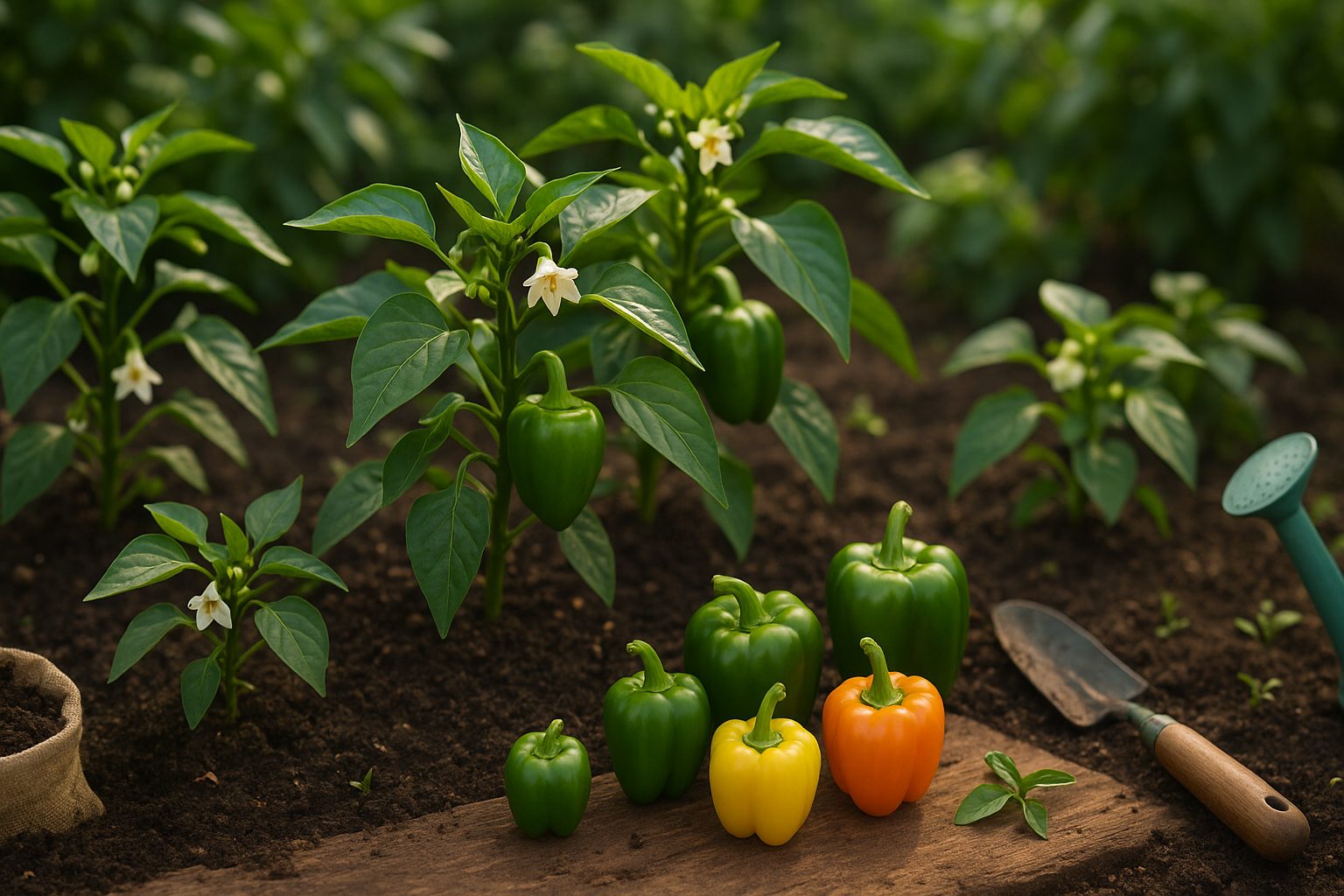
Bell Pepper Growth Stages
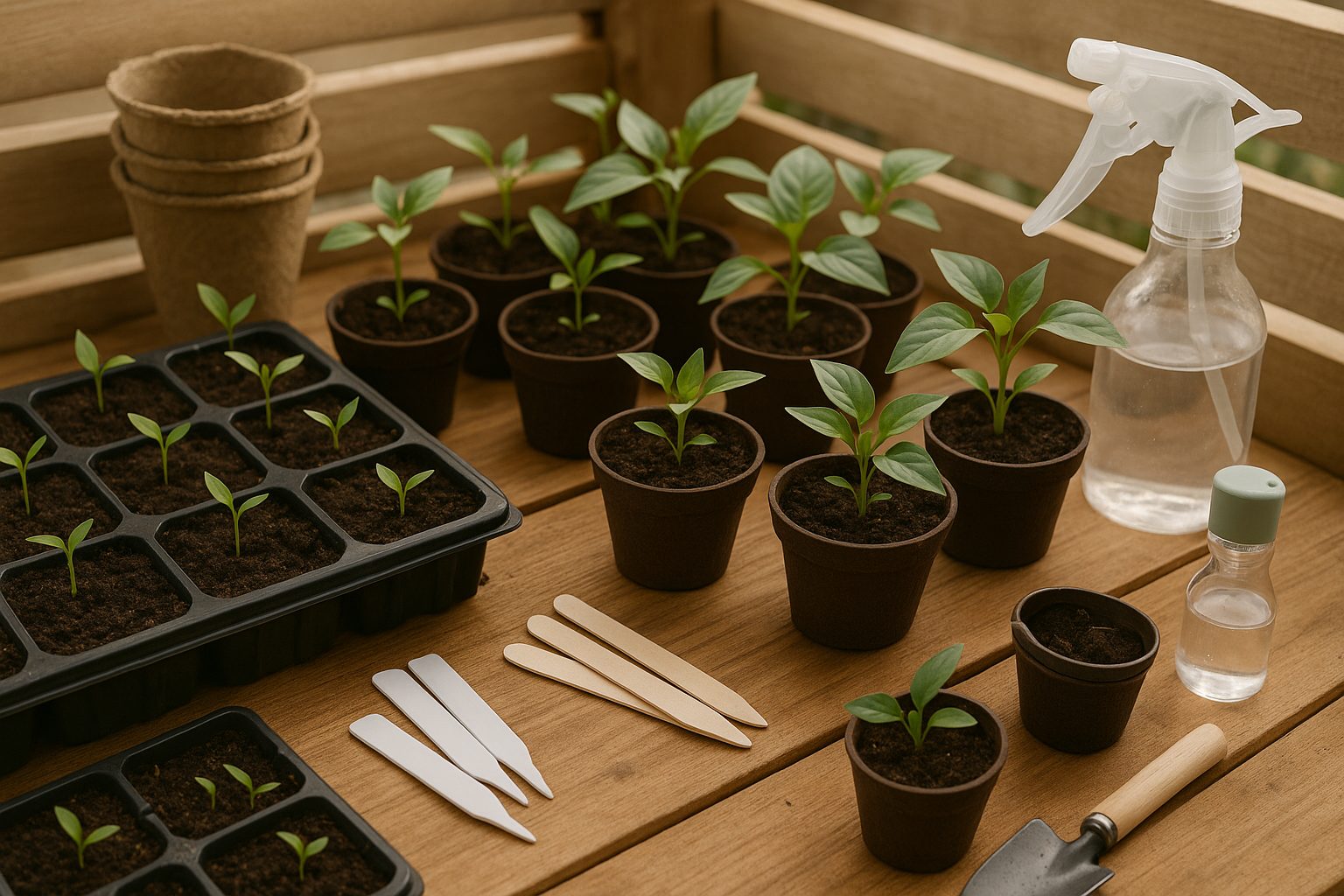
If you’re aiming for more bell pepper flowers in your garden, understanding the bell pepper growth stages is the first essential step. These vibrant plants progress through distinct phases, starting with seed germination.
In the first 7–10 days, seeds develop into tiny seedlings with their first true leaves. Over the next few weeks, the seedlings enter a vegetative growth stage, rapidly growing in size and producing lush, green foliage. During this period, your peppers are building the foundation for future flowering and fruiting.
By week 8 to 10—depending on the variety and growing conditions—bell peppers usually reach the flowering stage. Here, you’ll start to see soft white or lilac flowers open, signaling the transition toward fruit development.
Knowing when the flowering phase typically happens is crucial; it allows you to make timely adjustments like tweaking your watering habits, ensuring proper nutrition, and facilitating pollination for more bell pepper flowers.
Paying attention to each growth stage means you can better cater to your plants’ needs, whether that’s providing extra nitrogen early on or switching to a bloom-boosting fertilizer right before flowering.
As the flowers mature and are successfully pollinated, small peppers begin to form, eventually growing to full size and color. By recognizing and supporting each phase, you’re not only ensuring healthier plants but also maximizing the number of blossoms—and, ultimately, the harvest you’ll enjoy.
With this knowledge, you can confidently nurture your bell peppers to produce more flowers, turning every plant into a fruitful success story.
What Happens During the Flowering Stage?
As bell pepper plants enter the flowering stage, you’ll notice several clear signs that signal this important transition. The most obvious indicator is the emergence of small, white to pale-yellow flowers developing along the plant’s branches, particularly at the intersection of stems and leaf nodes.
These blossoms have a delicate, star-shaped appearance with five or sometimes six petals, typically growing singly rather than in clusters—unlike some other vegetables. You might also see the plant shifting its energy, with a temporary slowdown in new leaf production as resources are funneled into flower and eventual fruit development.
Bell pepper flowers usually hang downwards a bit and feature prominent yellow stamens in the center, which contain the pollen necessary for fertilization. The arrangement of the flowers along the nodes makes hand-pollination easier if you’re growing peppers indoors or in greenhouses, but outdoors, insects like bees usually take care of the job.
The biological purpose of this flowering stage is crucial: it’s the plant’s way of moving from vegetative growth to reproduction. The flowers enable pollination, where pollen from the male part (stamen) reaches the female part (pistil), ultimately resulting in fruit formation.
For growers, this stage means you’re close to harvesting bell peppers, but it’s also a sensitive period—ensuring proper water, light, and avoiding disturbances like excessive pruning is essential for a successful fruit set.
Keep an eye out for those small, white blossoms as your cue that peppers are on the way!
How to Encourage Healthy Blooms
Encouraging healthy blooms starts with providing your plants the right foundation—give them at least 6 hours of direct sunlight a day, as most flowering varieties thrive best with ample light. Keep an eye on temperature as well; many flowers prefer daytime temperatures between 65-75°F (18-24°C), while cooler nights can actually help set more buds.
When it comes to watering, consistency is key: water deeply to encourage strong root systems but avoid letting soil stay soggy, which can promote disease. Good soil quality also makes a noticeable difference; enrich your garden beds with compost to boost nutrients and keep the soil loose for proper drainage.
Fertilize with a balanced blend—look for formulas higher in phosphorus, which encourages flower production, but avoid overdoing the nitrogen, as that will push more leaves instead of blooms.
Combine this with smart gardening techniques:
- Prune your plants regularly to remove spent flowers and encourage new growth.
- Stake taller varieties so their stems don’t bend or break.
- Give each plant enough space to let air circulate and sunlight reach all the leaves.
Spacing your plants according to their mature width not only helps with disease prevention but also allows those precious blooms to shine. Together, these simple steps create the optimal environment for vibrant, long-lasting flowers in any garden—whether you’re growing roses, zinnias, or even tomatoes.
Troubleshooting Common Flowering Problems
When your plants aren’t flowering as expected or if buds are dropping prematurely, several common factors may be at play. Temperature extremes—such as sudden cold snaps or heatwaves—can stress plants, causing them to abort buds or limit blooms. Aim to position your plants where they enjoy their preferred temperature range, and use shade cloth or frost covers in harsh conditions.
Overwatering or underwatering are easy mistakes to make; ensure soil is consistently moist but never soggy, and allow the top inch of soil to dry out before watering again. Nutrient deficiencies, especially of phosphorus and potassium, can result in sparse flowering—a quality, balanced fertilizer designed for blooms can often correct this.
Also, inspect plants regularly for pests like aphids, thrips, and spider mites, which suck sap and hamper flower development, as well as for signs of fungal infections such as powdery mildew that can stunt blossoms. Using insecticidal soap, neem oil, or pruning away affected areas often resolves these issues.
To prevent problems, establish good airflow by spacing plants appropriately, mulch to conserve moisture, and deadhead spent flowers to encourage continued blooming. Remember, each plant has its own “must-haves,” so always check care instructions specific to your variety for the best results.
With a bit of attentive care, you’ll maximize flowering and enjoy vibrant blooms all season long.
From Bloom to Fruit: What Happens After Flowering
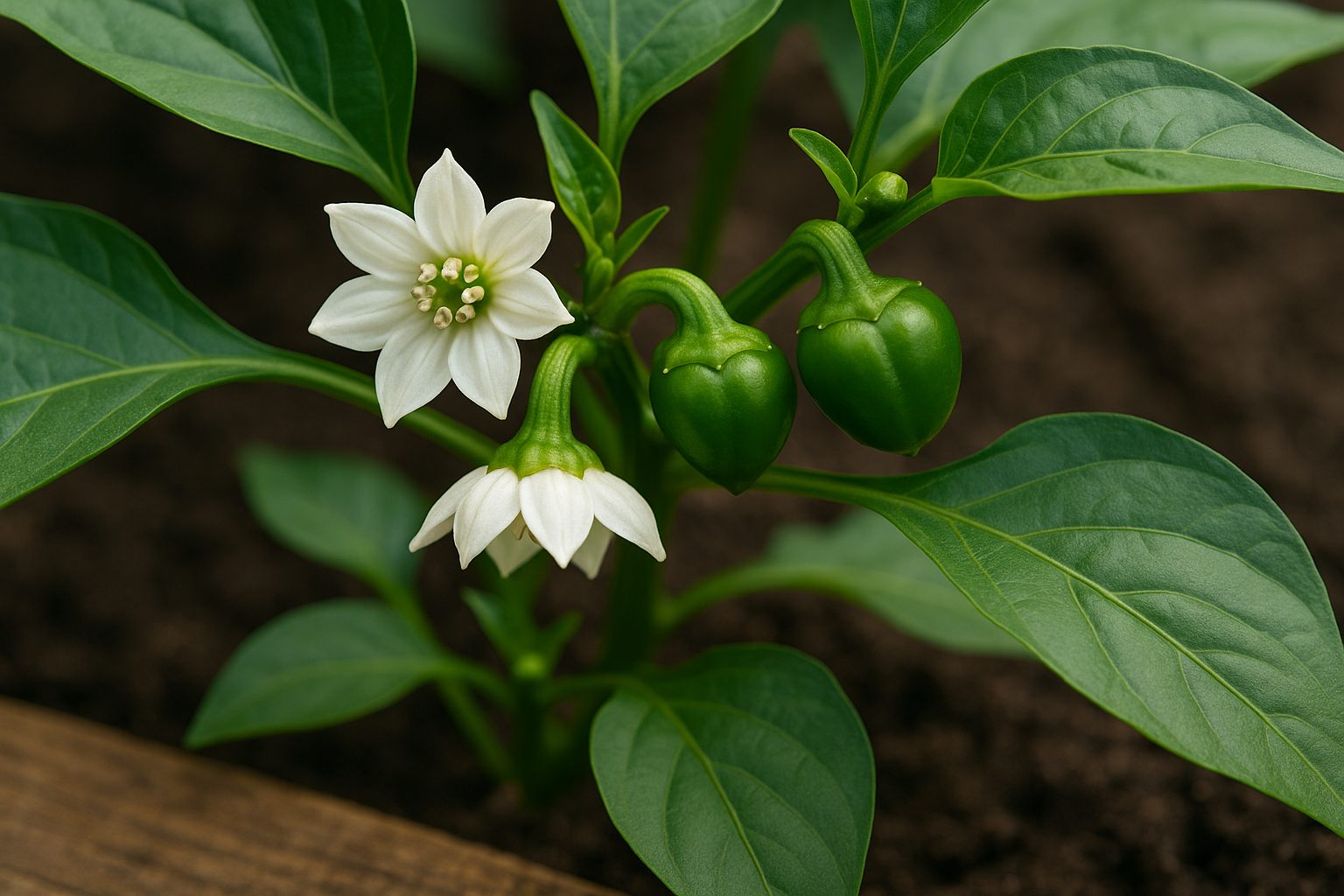
After a bell pepper plant produces its delicate white or pale green flowers, the journey from bloom to fruit begins with pollination and fertilization. Pollination occurs when pollen, typically transferred by wind or visiting insects, moves from the male part (anther) to the female part (stigma) of the same or another flower.
Once pollen lands on the stigma, it travels down to fertilize the ovules inside the ovary, triggering the crucial process of fertilization. After successful pollination and fertilization, you’ll notice the flower’s petals begin to wilt and fall away—this is not a sign of trouble but the first step toward fruit set.
Behind where the flower was, the tiny, green, swollen ovary will start to grow, gradually developing into the familiar bell pepper shape. Early fruit growth is subtle but steady; over a week or two, the fruit enlarges and deepens in color.
For gardeners hoping for a bountiful harvest, keep an eye out for signs such as dried-up blossoms that do not drop their developing fruit and tiny peppers forming beneath the faded petals. To support healthy fruit development, maintain consistent soil moisture and avoid stressing the plant with abrupt temperature swings.
Watch for any flowers dropping without fruit—this can mean poor pollination, often caused by too much humidity or lack of pollinator activity. You can gently shake flowering stems to help transfer pollen or attract more bees with companion flowers nearby.
By monitoring these changes, you’ll catch early issues and boost your chances of harvesting beautiful, full-sized peppers.
Unique Facts and Tips for Bell Pepper Blooms
Bell pepper blooms are more than just pretty white or sometimes pale greenish flowers—they hold the key to your future harvest. Did you know bell pepper plants develop both male and female reproductive parts within the same flower? This self-pollinating trait means peppers can set fruit even without the help of insects, though a gentle shake of the plant or a soft breeze can boost pollination and yields.
Color variations in blooms are rare but sometimes seen in certain heirloom varieties, adding extra beauty to your garden.
To maximize flowering and fruit set, make sure your peppers get at least 6-8 hours of sunlight daily and avoid high-nitrogen fertilizers, which encourage leafy growth at the expense of blooms. Keep soil evenly moist and mulch around plants to retain moisture and suppress weeds.
If you spot flowers dropping early, check for stressors like high temperatures, overwatering, or sudden weather changes. Consistent care leads to abundant, healthy blooms and a bigger harvest. Don’t be discouraged by a few setbacks—bell pepper plants are resilient.
For even more tips on boosting growth and managing pests, check out reputable gardening blogs, local extension services, or connect with fellow gardeners online for real-time advice.