Introduction to Blossom End Rot
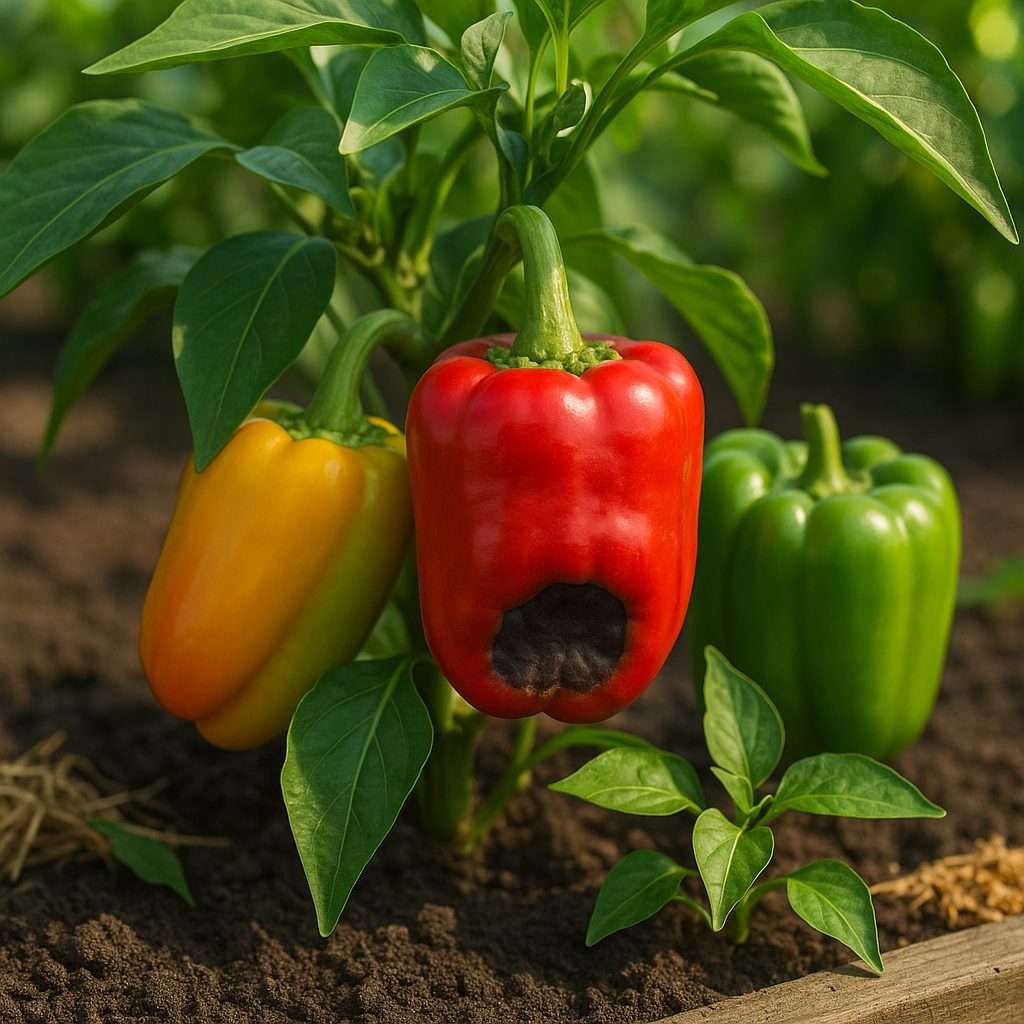
If you’ve ever noticed your bell peppers developing dark, sunken spots at their bottoms, you’ve likely encountered blossom end rot in bell peppers. This common and frustrating issue affects both home gardeners and commercial growers, often resulting in disappointing harvests and wasted fruit. Blossom end rot (BER) is a physiological disorder—not a disease—that frequently impacts tomatoes, peppers, and a variety of other fruiting vegetables. It occurs when developing fruit doesn’t receive enough calcium, causing dark, leathery patches—usually at the “blossom” end of the fruit, farthest from the stem.
Why does BER affect crops like tomatoes and bell peppers? Unlike other vegetables, these plants rely on consistent soil moisture and a steady supply of calcium during fruit development. Fluctuations in watering, sudden weather changes, or imbalanced fertilization can disrupt calcium uptake, making bell peppers especially vulnerable. The impact of blossom end rot isn’t just cosmetic—affected fruits are often unsalvageable, leading to reduced yield and lower crop quality. For gardeners hoping to enjoy colorful, healthy homegrown peppers, losing plants to BER can be deeply discouraging.
Because blossom end rot in bell peppers is such a widespread issue, understanding BER is crucial for anyone growing these tasty vegetables. Recognizing the early signs, knowing the root causes, and taking preventive measures are key steps toward successful gardening. With a bit of knowledge and a proactive approach, you can keep your peppers healthy—and your harvests bountiful—all season long.
Recognizing Symptoms of Blossom End Rot
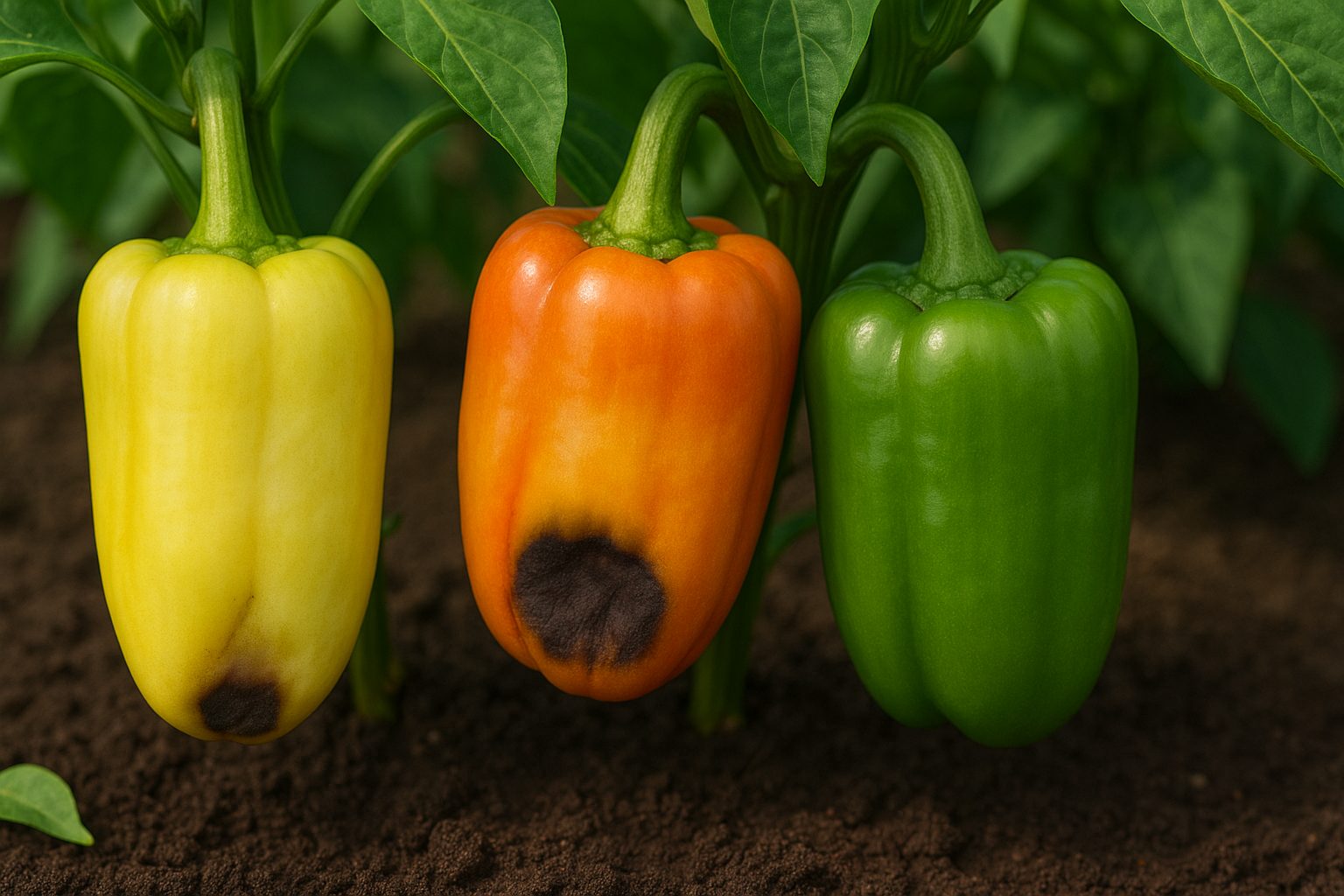
Blossom end rot appears as dark, sunken spots on the blossom end—the bottom—of fruits like tomatoes, peppers, and squash. Early on, you might notice a small, pale area that looks slightly water-soaked or translucent; at this stage, the rest of the fruit still looks healthy and firm.
As the disorder progresses, these spots enlarge, turning brown or black, becoming soft and mushy, and sometimes developing a tough, leathery texture. Unlike bruising caused by pests or handling, blossom end rot always starts at the end opposite the stem and spreads outward.
Tomatoes are especially vulnerable, but peppers and squash are also commonly affected, so keep a close eye on new fruit. Early detection is key: inspect the blossom end of every developing fruit a few times each week, especially during dry spells or periods of rapid growth.
Remove affected fruits as soon as you see symptoms—this won’t save the damaged ones, but it gives the plant more energy to invest in healthy fruit. Regular checks and even watering can help catch problems early, reduce crop loss, and make your harvest more plentiful.
What Causes Blossom End Rot?
Blossom end rot in tomatoes, peppers, and eggplants is mainly caused by a lack of calcium reaching the fruit as it develops—not necessarily a calcium deficiency in the soil itself. The problem occurs when plants can’t transport enough calcium to their fast-growing fruit, often due to irregular watering or root disturbance.
When soil becomes too dry, roots struggle to absorb nutrients, but sudden heavy rains can also overwhelm roots and reduce calcium uptake. Overfertilizing, especially with high-nitrogen fertilizers, can accelerate leafy growth at the expense of proper fruit development, making calcium transport even more difficult.
It’s a common myth that adding more calcium to the soil will solve the problem. The real challenge lies in ensuring steady calcium movement within the plant.
To help prevent blossom end rot, focus on consistent soil moisture—mulching and regular, even watering work wonders. Avoid aggressive root disturbance during weeding or transplanting, and be cautious with rapid-release fertilizers. By prioritizing stable conditions and gentle care, you’ll give your plants the best chance to get calcium where it’s needed most: into healthy, problem-free fruit.
Factors That Increase the Risk of BER
Several conditions can raise the risk of blossom end rot (BER) in fruits like tomatoes and peppers, but most come down to anything that disrupts calcium uptake during critical fruit development. Rapid growth spurts, often triggered by warm, wet weather, cause the plant to channel water and nutrients primarily to leaves, leaving developing fruit shortchanged.
Providing excess nitrogen fertilizer can make this worse by encouraging even more leafy growth at the expense of fruits. Root injury—whether from improper transplanting, cultivating too close, or pest damage—also hampers calcium absorption. Since calcium moves from roots to fruit via water flow, any root disturbance is a big concern.
Soil factors play a crucial role, too: heavy, compacted soils or those with poor structure limit roots’ ability to explore and absorb nutrients, while extremes in soil pH (outside the optimal 6.2–6.8 range) reduce calcium availability. Competition from other nutrients is another often-overlooked factor; high potassium or magnesium levels can outcompete calcium, making deficiencies more likely even when calcium is present in the soil.
Weather patterns, like sudden drought followed by heavy rain, also affect calcium allocation by causing moisture stress and uneven uptake. Finally, some plant varieties are simply more sensitive to these conditions and prone to BER. Ask local gardeners or extension agents for resilient recommendations, and if you’ve had problems before, opt for those varieties when possible.
Mulching to retain soil moisture and steady, deep watering are two real-world tips that can help smooth out moisture—and, in turn, calcium—uptake, lowering your risk of BER.
Preventing Blossom End Rot: Best Practices
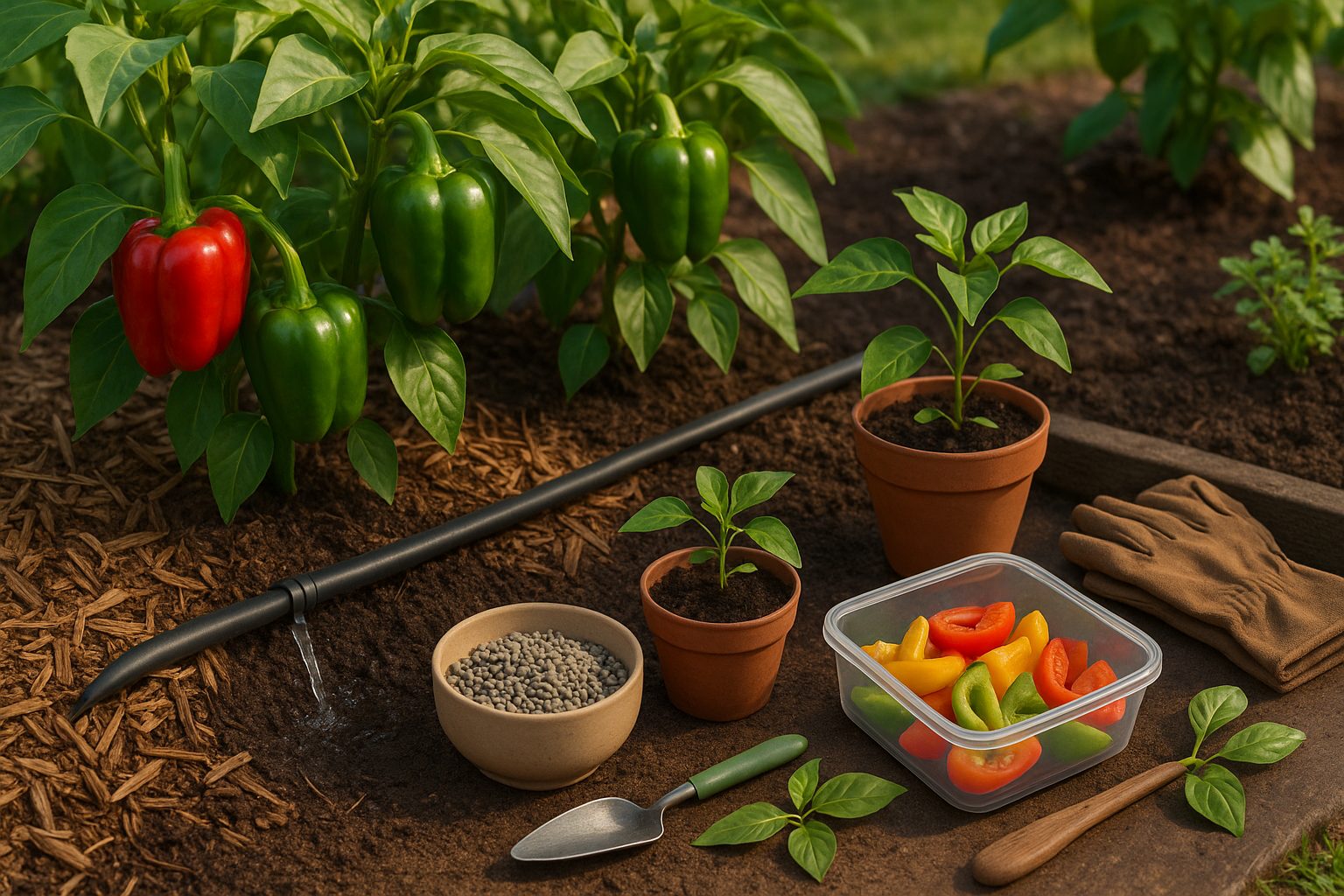
Preventing blossom end rot starts with maintaining a consistent watering schedule, as fluctuations between drought and soaking stress the plants and interfere with calcium uptake—the main culprit behind this frustrating condition. Installing a drip irrigation system or watering deeply early in the morning can help keep moisture levels steady.
Adding a layer of organic mulch, like straw or compost, not only conserves water in the soil but also prevents temperature swings that can stress plants.
Balanced fertilization is key—avoid high-nitrogen fertilizers, which can trigger rapid leaf growth at the expense of fruit development. Instead, opt for a slow-release, balanced fertilizer, and conduct a soil test before planting to check for calcium deficiencies or imbalances.
If the soil is low in calcium, adding agricultural lime or gypsum before planting can boost calcium availability; for sandy or acidic soils, crushed eggshells or bone meal can be helpful amendments.
Choosing tomato, pepper, or squash varieties labeled as resistant to blossom end rot can save a lot of frustration, especially for new gardeners.
When transplanting seedlings, handle the roots gently and avoid disturbing them, as root damage can limit the plant’s ability to absorb calcium.
Finally, steer clear of common mistakes like over-fertilizing, allowing the soil to dry out, or using excessive amounts of fresh manure—all of which can encourage blossom end rot to develop.
By following these practical steps, you can enjoy healthier plants and more beautiful, blemish-free fruits in your harvest.
Managing Existing Blossom End Rot in the Garden
When blossom end rot (BER) appears in your garden, the first step is to promptly remove any fruits showing symptoms. This prevents the plant from wasting energy on damaged produce and redirects resources toward healthy growth. Make sure to dispose of affected fruits away from your garden to minimize pest and disease attraction.
Adjusting your watering routine is crucial; BER often results from inconsistent moisture, so aim for even, deep watering instead of allowing soil to dry out completely between sessions. Mulching around the base of your plants can help maintain steady soil moisture and temperature.
While it might be tempting to reach for calcium sprays, research shows that foliar calcium isn’t very effective in fixing existing BER. The real issue is fruit-level calcium uptake linked to water movement—not a simple surface deficiency.
Instead, focus on reducing stress:
- Avoid over-fertilizing with nitrogen, which can encourage excessive foliage at the expense of fruit development.
- Support your plants with stakes or cages to prevent further physical stress and damage.
With patience, supportive care, and smart gardening practices, new fruits can develop without rot, allowing your plants to recover for a more productive season.
Conclusion: Keeping Your Crops BER-Free
Staying ahead of blossom end rot (BER) is all about early recognition, consistent prevention, and smart management. By learning to spot the dry, sunken spots on fruits early, you can act before the problem spreads.
Proactive steps like regularly checking soil moisture, using mulch to retain even moisture, and testing soil to ensure proper calcium levels make a big difference. Remember, simple habits such as watering deeply but less often and avoiding over-fertilizing with nitrogen help roots stay healthy and strong.
Healthy soil is the foundation—so add compost, rotate crops, and avoid planting the same plant family in the same spot each year. Don’t get discouraged if you see signs of BER; most gardeners experience it at some point, but those who stay attentive and flexible find that BER can be managed or even eliminated.
With a little extra care and regular monitoring, you’ll set your crops up for success and enjoy healthier, more plentiful harvests season after season.