Introduction
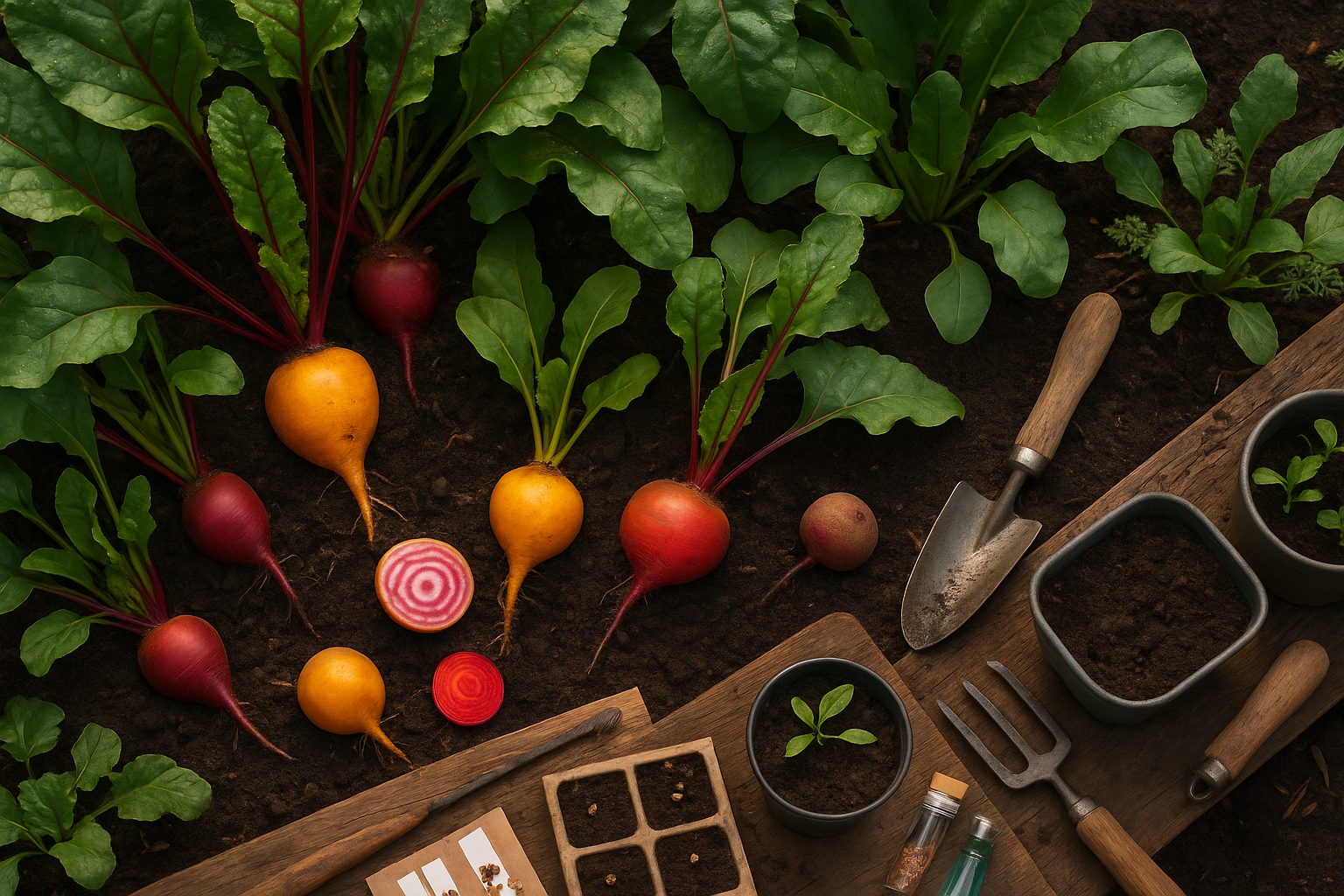
Knowing exactly when to harvest beets can make all the difference between crisp, sweet roots and tough, woody ones. Beets are a favorite among home gardeners for good reason: both their earthy, nutrient-packed roots and vibrant greens offer versatility in the kitchen, whether you’re roasting, pickling, or tossing beet leaves into a fresh salad. However, many gardeners wonder how to tell if their beets are ready to leave the soil.
This guide will walk you through the essential signs to spot when it’s harvest time, helping you pick beets at their flavorful peak and ensuring they store well for future meals. Proper timing is crucial; harvesting too early means small, underdeveloped roots, while waiting too long can turn beets fibrous or even cause them to split. By learning to recognize the right cues—such as the size of the beet shoulder peeking above the soil—you’ll maximize sweetness, preserve that tender texture, and extend your harvest’s shelf life.
Whether you’re a beginner or seasoned grower, knowing when to harvest beets not only impacts your enjoyment at the dinner table but also makes your gardening experience more rewarding.
Understanding Beet Growth and Varieties
Beets go through several distinct growth stages, each important for successful harvesting and use. After sowing seeds, beet plants first produce small leafy sprouts, known as the seedling stage, followed by vigorous leaf growth and the gradual swelling of their roots.
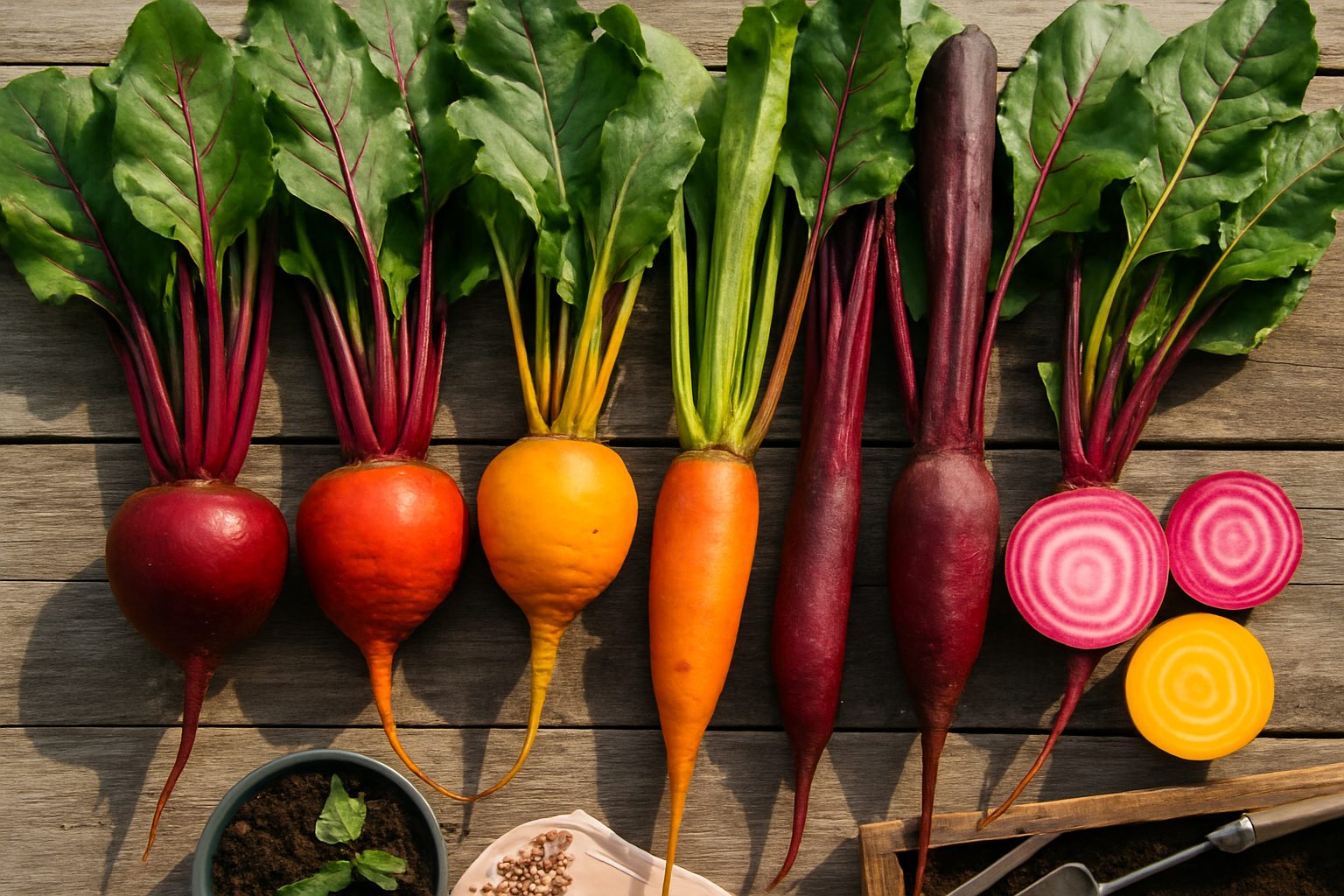
Table beets, the classic round red types like ‘Detroit Dark Red’ or ‘Red Ace,’ typically reach harvest size in about 50-70 days, though young greens can be snipped as early as three weeks for salads. Baby beets, like ‘Babybeat,’ are bred for harvesting when roots are tiny and tender, usually just 35-45 days after planting, making them ideal for early, sweet eating or gourmet dishes.
Specialty varieties—such as the candy-striped ‘Chioggia,’ golden ‘Burpee’s Golden,’ or even cylindrical ‘Cylindra’ types—each bring unique colors and shapes, and often mature at slightly different rates, with most ready to harvest anytime between 50 and 80 days depending on size preference and variety.
For home gardeners, variety choice often reflects intended use:
- Tender greens from any beet can be harvested repeatedly while roots mature.
- Specialty varieties might be chosen for colorful salads, pickling, or decorative platters.
Remember, baby beets and beet greens mature faster than full-sized roots, so stagger plantings or select a mixed-seed packet to enjoy multiple harvests over the season. To get the best flavor and texture, collect roots when they’re about the size of a golf ball to a tennis ball—oversized roots can become woody.
Regularly harvesting the leafy greens doesn’t harm the plant as long as you leave several leaves behind to support continued growth. This approach lets gardeners enjoy both beet roots and delicious greens from a single planting, no matter which variety they choose.
Signs Your Beets Are Ready to Harvest
Knowing when to harvest your beets is key to enjoying their best flavor and texture, whether you’re after tender beet greens or those classic, sweet roots.
For the roots, check the top of the beet where it pokes above the soil—when this visible crown reaches about 1.5 to 3 inches in diameter (about the size of a golf ball to a tennis ball), the beet is likely mature. Gently brush away a bit of soil to inspect the size if it’s not obvious. The feel of the root matters, too: mature beets are firm to the touch, while oversized ones can become tough and woody.
Leaf condition offers clues as well; vibrant, healthy-looking leaves are a sign of a happy, ready-to-harvest plant. If you’re growing for greens, you don’t need to wait—snip a few outer leaves when they’re about 4-6 inches long, making sure to leave enough behind for the plant to keep growing.
Seed packet “days to maturity” are a useful guideline but not foolproof, since factors like weather, watering habits, and local soil conditions can speed up or slow down growth substantially. Use those numbers as an estimate and rely on visual cues to confirm readiness.
For baby beets, harvest when the roots are just 1-2 inches across—young and sweet, they’re perfect for salads or quick sautés. For the best roasting or pickling beets, wait until they’re fully mature but not oversized to avoid toughness.
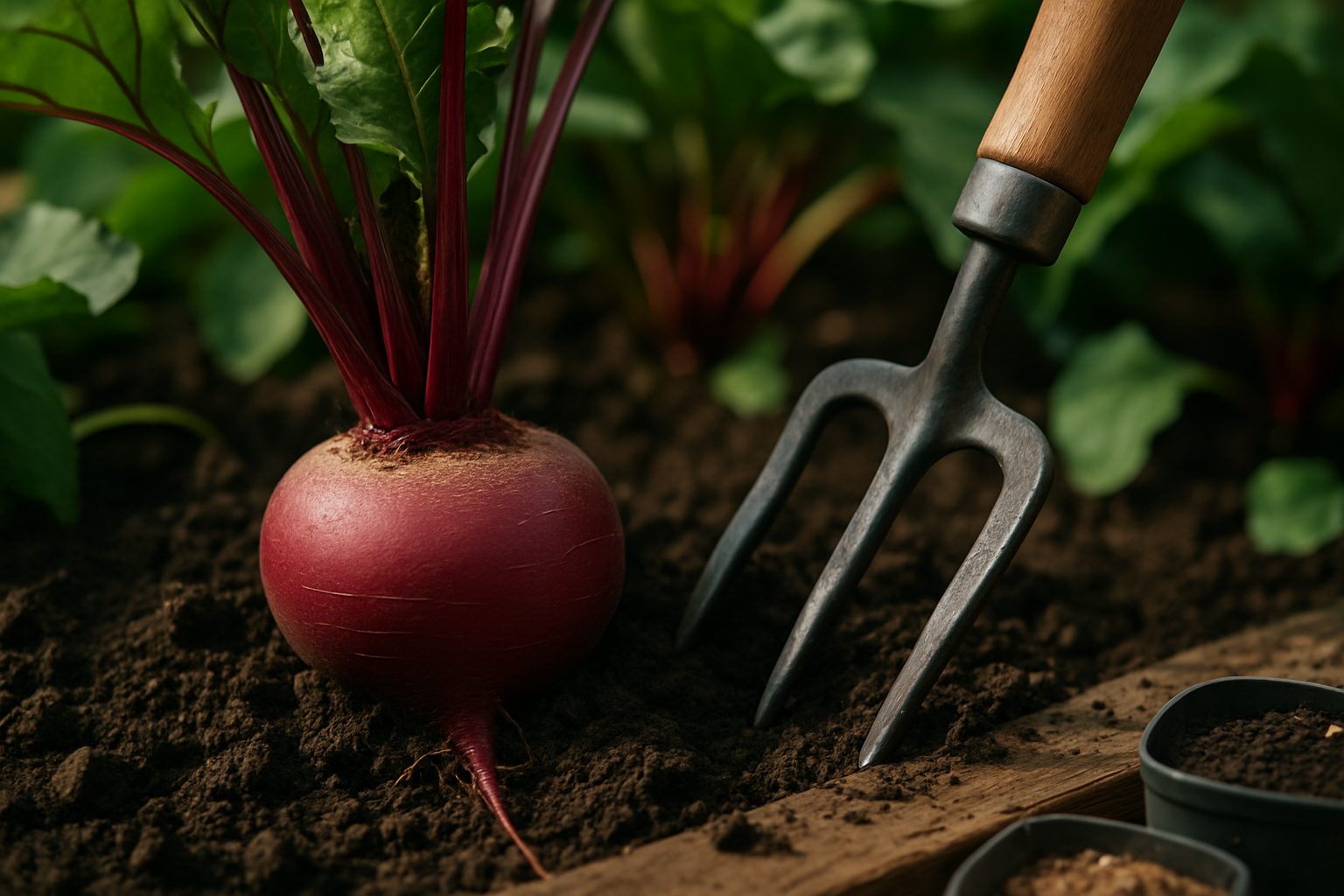
When harvesting, loosen the soil with a fork or trowel to avoid damaging the roots, gently lift from the base of the greens, and immediately trim the leaves to about an inch to keep the roots fresh.
By watching closely and harvesting at the right moment, you’ll enjoy beets at their peak, tailored for your favorite kitchen uses.
How to Properly Harvest Beets
Harvesting beets at the right time ensures you get tender, flavorful roots and crisp, edible greens. Start by checking your beets about 55 to 70 days after planting. The beet shoulders should be just peeking above the soil and measure about 1–3 inches in diameter for the best texture.
For small-scale or home gardens, water the bed lightly the day before harvesting to soften the earth—this makes for a gentler harvest. Grasp the beet greens close to the soil and pull steadily upward. If the ground is compacted or the roots resist, use a hand fork or trowel to loosen the soil a few inches from the beet. Slide the tool under the root before levering it up. Be gentle to avoid bruising or snapping the root.
Shake off loose dirt or gently brush soil away. Avoid washing the beets outdoors unless you have a clean water source; tap water from a clean hose is best to prevent contamination.
Once harvested, sort your beets by size:
- Small or misshapen roots are great for roasting whole or pickling.
- Large, evenly sized beets can be stored for later use.
Always discard any beets or greens showing signs of disease or significant rot. Remember to wash your hands, tools, and surfaces before and after working, and avoid harvesting if you have cuts or open wounds.
If you plan to eat the greens, separate them promptly and store the leafy tops and roots in separate containers to maximize freshness. Following these careful steps, you’ll enjoy fresh, safe, and high-quality beets from your home garden.
Post-Harvest Handling: Cleaning and Storing Beets
When it comes to post-harvest handling, beets need gentle care to keep them fresh and flavorful. For beets meant for immediate use, simply brush off excess dirt and rinse them under cool water, taking care not to damage the thin skin.
For long-term storage, skip washing entirely—moisture can encourage rot. Instead, gently rub off loose soil and trim the greens to about an inch above the root. Store the greens separately, as they spoil faster, but don’t toss them—they’re great in salads or sautés.
The ideal conditions for long-term beet storage are cool (32-40°F), humid (95%), and dark spaces. If you have a refrigerator, place beets in a perforated plastic bag or a loosely covered container in the crisper drawer for up to a few weeks.
For even longer preservation, a root cellar is best: pack unwashed beets in damp sand or sawdust in a wooden box, keeping them from touching each other to reduce mold risk. If you’re short on cellar space, freezing is an option—cook, peel, and chop the beets before sealing them in freezer bags.
Canning is another method, especially if you like pickled beets; just follow tested recipes to ensure safety.
To prevent spoilage, check stored beets regularly, removing any that show signs of softening or mold, and keep storage areas clean and well-ventilated. By following these steps and choosing the right method for your needs, you’ll enjoy sweet, earthy beets from your harvest for months to come.
Maximizing Beet Quality: Tips and Troubleshooting
To keep your beets sweet, tender, and vibrant, it’s all about timing and gentle handling during harvest. Beets should generally be harvested when they reach 1.5 to 3 inches in diameter—any bigger, and you risk woody, tough roots.
Check regularly and loosen soil gently around the beets to avoid damaging the skin, as cuts can invite rot during storage. If you notice cracks or odd shapes, it could be due to inconsistent watering or a sudden growth spurt after heavy rain; consistent moisture goes a long way in preventing these issues.
Keep an eye out for leaf spots or holes—signs of leaf miners or fungal disease—and remove affected tops immediately to stop problems from spreading.
When weather delays harvest and the soil turns soggy or frozen, try mulching with straw to insulate roots and buy a bit more time. However, leaving beets in the ground too long leads to over-maturity and lowers storage quality.
Once harvested, clip the greens to about an inch above the root, as leaving too much stem can cause the beets to bleed and lose moisture. Store beets unwashed in a perforated bag or box with damp sand in a cool, dark place—they’ll easily last for months this way.
If you end up with beets that are cracked, woody, or misshapen, don’t toss them! Imperfect beets are perfect for blended soups, savory stews, or shredded add-ins for veggie burgers and fritters.
Beet greens are packed with nutrients—sauté them with garlic for a delicious side or blend them into smoothies. Even less-than-pretty beets shine when pickled, transforming small or blemished roots into tangy snacks.
By using these practical tips, you can make the most of every beet harvest, no matter what curveballs the season throws your way.
FAQs and Common Beet Harvest Mistakes
When it comes to harvesting beets, both new and experienced gardeners often have similar questions and encounter common pitfalls. One frequent question is about staged harvesting—yes, you can absolutely pick beets as they mature instead of waiting for the entire batch to reach full size. In fact, staggered harvesting helps avoid overcrowding and provides a longer harvest window; simply pull up the largest roots first and let the smaller ones continue growing.
Another common concern is small beets. Often, tiny beets result from overcrowding, lack of thinning, or poor soil nutrition—so it’s important to space seeds properly and amend your soil with compost before planting.
A misconception worth addressing is the idea that all beets in a row should be uniform in size at harvest. Beets naturally grow at different rates depending on sunlight, soil, and spacing, so picking them at different stages is perfectly fine and even beneficial.
Also, don’t toss those beet greens! Beet tops are not only edible but also packed with nutrients; try sautéing them with garlic or adding them to salads for a nutritious boost.
For first-time growers frustrated by low yields or misshapen roots, remember that consistent watering and thinning seedlings to about 2–4 inches apart are key—crowded or dry conditions often produce spindly or woody beets.
Lastly, avoid leaving mature beets in the ground too long, as they can become tough and lose their sweetness. Checking your beets every week once they reach about the size of a golf ball will keep your harvest tasty and tender.
By addressing these common questions and steering clear of typical mistakes, you’ll enjoy a better, more flavorful beet harvest.
Conclusion
Successfully harvesting beets is truly rewarding, giving you crisp, colorful roots and tender greens to enjoy. Each harvest is a chance to learn—experiment with planting dates, soil amendments, and beet varieties to discover what works best in your garden. Keep a simple log of your methods and results; over time, these records will help you refine your approach for even better yields.
If you’re eager to continue growing your skills, check out beginner-friendly guides on companion planting, organic pest control, or succession planting. Gardening is a journey, and with every season, you grow along with your crops.