Introduction
For anyone growing beets, understanding the beet growth timeline is essential for a healthy and abundant harvest. Beets have become increasingly popular in home gardens and small-scale farms thanks to their earthy sweetness, quick maturation, and impressive nutritional value. But getting those plump, vibrant roots and lush greens takes more than just sowing seeds and waiting. Timing your care—like watering, fertilizing, and thinning—to each stage of development makes all the difference in both yield and plant health.
Knowing exactly when to expect germination, leaf growth, root development, and maturity helps you avoid common pitfalls such as stunted roots or bolting. For instance, missing the ideal window to thin seedlings can lead to crowded, undersized beets, while neglecting irrigation during root swelling may stunt growth. In this article, we’ll guide you through every key phase of the beet growth journey: from seed sprouting and establishment to leafy development, root bulking, and finally, the crucial harvest period. Whether you’re new to growing beets or looking to improve your approach, understanding this timeline will set you up for colorful, delicious success right from your garden.
Seed Germination and Early Sprout Stage
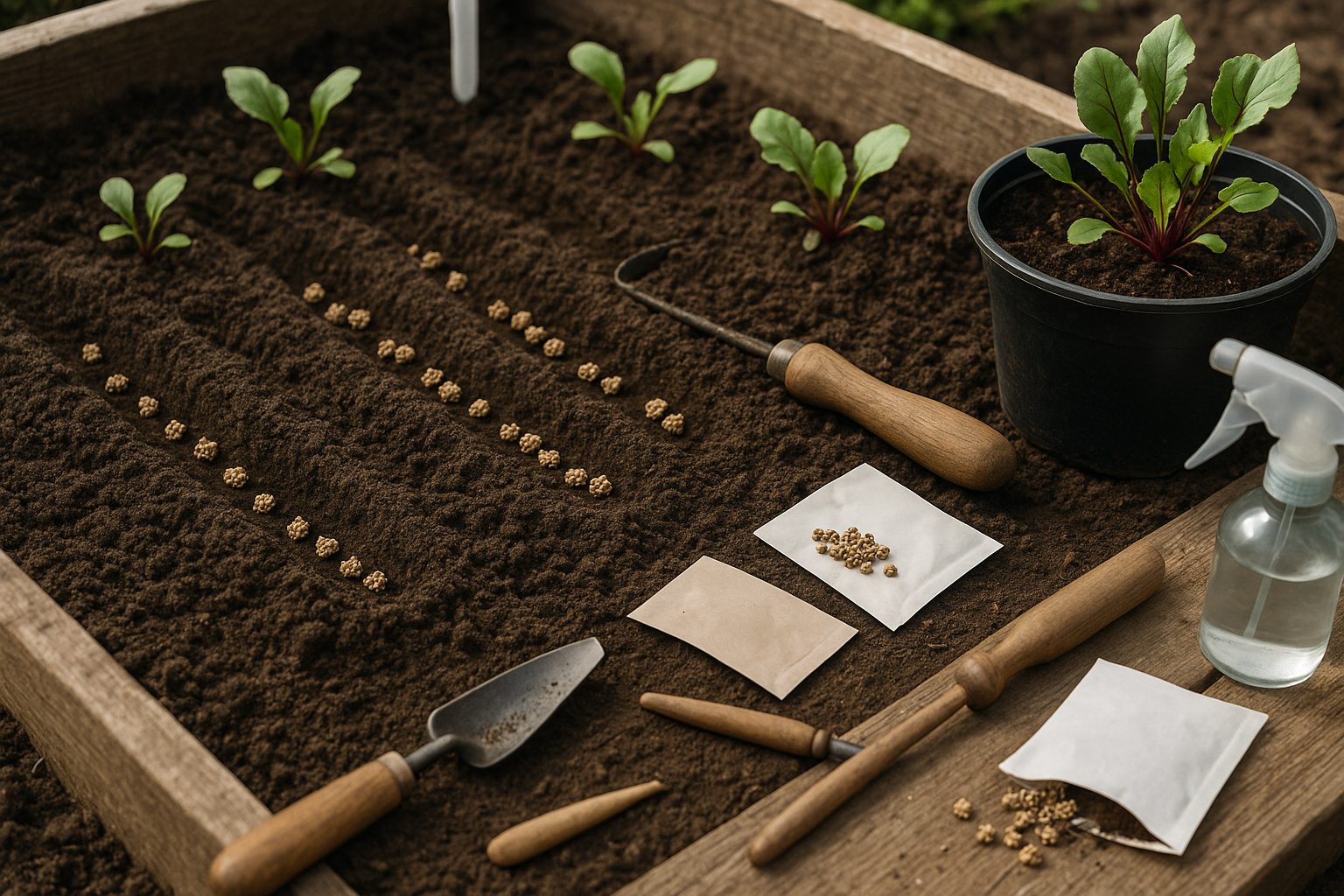
Beets begin their journey with seed germination, which typically takes 5 to 10 days after planting, depending largely on soil temperature and moisture. For the best results along the beet growth timeline, aim for a soil temperature between 50°F and 85°F (10°C–29°C), with the sweet spot closer to 60°F–70°F. Seeds will struggle or take much longer to sprout in cold or overly wet soils, so patience and a soil thermometer are your best friends.
Use well-drained, loose soil and sow the seeds about ½ inch deep, spacing them one to two inches apart. Keep the soil consistently moist (not soggy), watering gently so seeds aren’t washed away—aim for soil that feels damp to the touch but not muddy. As sprouts break through the surface, you’ll notice slender reddish stems and a pair of small, rounded, bright-green seed leaves (cotyledons) popping up first. Shortly after, the first set of true leaves will emerge, slightly elongated and often with a bit more texture.
Look for uniform sprout height and color, as yellowing or stunting could indicate issues. One of the most common early problems is damping-off disease, which causes seedlings to wilt and collapse; this can be minimized by not overwatering, ensuring good air circulation, and avoiding overcrowding. If your soil tends to retain water, consider mixing in a bit of sand or planting in raised beds.
By keeping a sharp eye on your emerging sprouts and maintaining steady, moderate moisture, you set the foundation for robust beets down the line.
Seedling Development (First True Leaves)
In the early beet growth timeline, the journey from seed to strong seedling is fascinating yet delicate. When beets first germinate, they push up two rounded, thick cotyledons—these are the plant’s initial leaves, serving as an energy source rather than true foliage. Soon after, the first true leaves appear; these are distinctively different, more elongated, with visible veins and a slightly crinkled texture, signaling active photosynthesis and root development.
At this seedling stage, one critical step is thinning. Since a single beet “seed” is actually a cluster, you’ll often get multiple seedlings growing close together. Carefully thin them when the first true leaves show, leaving about three inches between each plant. This spacing allows each beet to develop a robust, round root rather than crowding one another out. Gently snip extra sprouts at the soil line instead of pulling to avoid disturbing neighboring roots.
Regularly check your beet patch for problems like overcrowding—an all-too-common issue that leads to weak, spindly plants and misshapen roots. Adequate spacing and thinning are your best defenses. Pests such as leaf miners and flea beetles are frequent visitors at this stage, creating unsightly holes or tunnels in leaves and stunting early growth. Use floating row covers to keep adult insects out, and inspect the undersides of leaves for eggs; gently crush or remove these if found.
Water seedlings consistently but avoid pooling or soggy soil, which can cause damping-off disease. By paying close attention during this critical early stage of the beet growth timeline, you’ll set the foundation for vigorous plants and a rewarding harvest.
Vegetative Growth and Leaf Expansion
During the vegetative growth stage, beets shift into high gear, producing lush, leafy canopies that play a crucial role in the entire beet growth timeline. This dynamic period begins soon after seedlings emerge, as they establish a strong root system. You’ll notice beet leaves quickly expanding in number and size, reaching toward the sunlight to maximize photosynthesis. At this stage, it’s vital to provide consistent moisture—beets need evenly moist, not soggy, soil to support vigorous leaf and root growth. Nutrient needs also increase, with beets benefiting from a balanced fertilizer, especially one rich in nitrogen, to fuel their leafy expansion. However, over-fertilizing can lead to excess leaf growth at the expense of root development, so moderation is key.
As the leaves flourish, so do weeds, which easily outcompete young beets for light, water, and nutrients. Regular, gentle hand-weeding or shallow cultivation will keep the competition down without disturbing the fragile beet roots. Mulching with straw or grass clippings can also help suppress weeds and conserve soil moisture. Pests like leaf miners and aphids become a threat during this stage as they target the tender new foliage. Check leaves frequently for telltale signs—winding mines or sticky, misshapen growth—and remove affected leaves or use insecticidal soap if needed. Floating row covers can be a proactive defense, protecting plants from invading pests while allowing light and moisture in.
As vegetative growth peaks, you might notice the lower leaves losing some vibrancy or the canopy thickening while the tops slow their rapid expansion. These subtle shifts signal that beets are redirecting their stored energy downward, beginning the transition toward developing their sweet, swollen roots. Recognizing this cue is helpful; it’s time to adjust your care—reduce nitrogen, maintain steady moisture, and keep weeds in check—to support the best possible root formation in the next stage of the beet growth timeline.
Root Swelling and Maturation

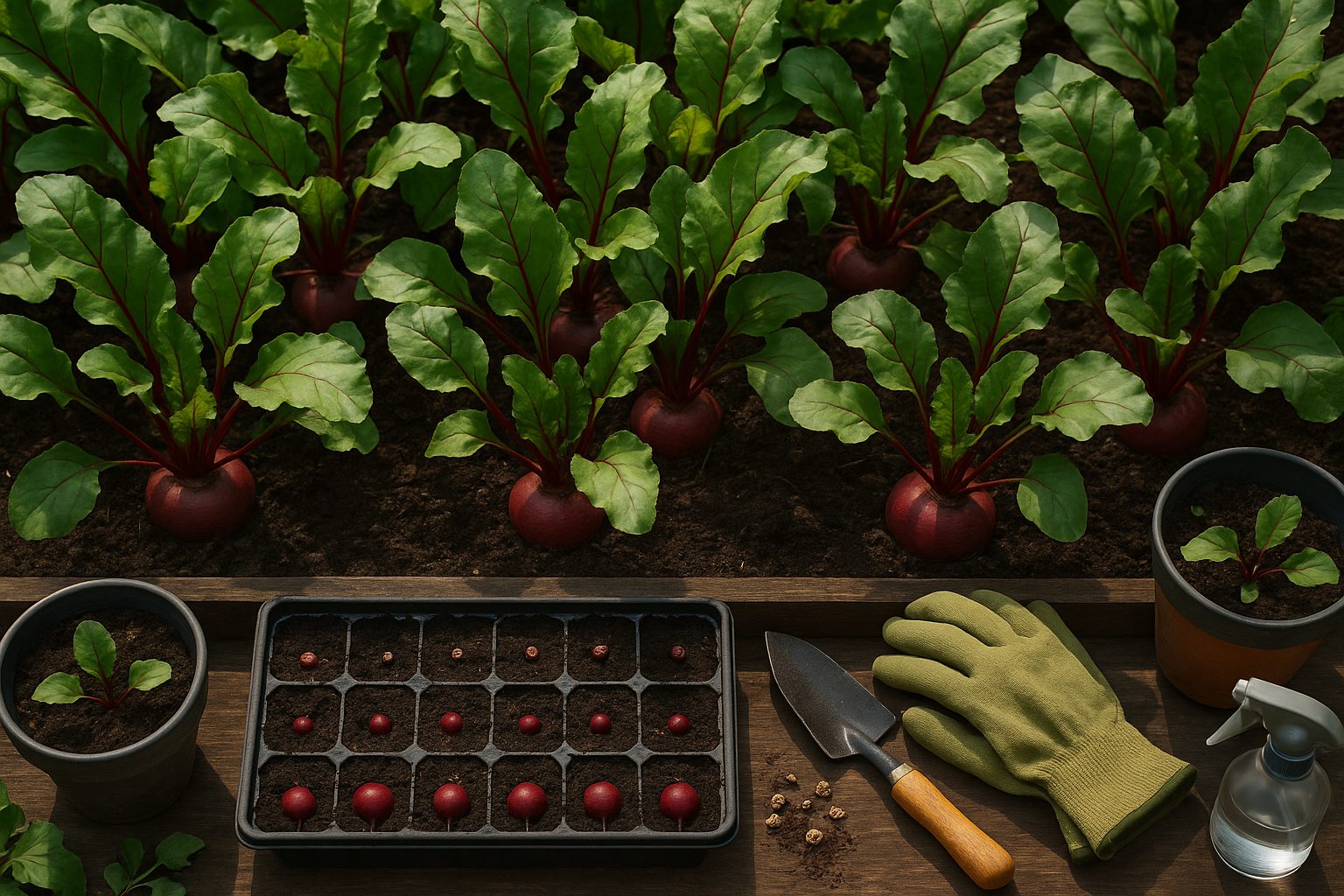
As beet plants move along the beet growth timeline, a key shift occurs: the plant redirects its energy from growing lush, leafy tops to developing its edible root. After establishing a healthy canopy of leaves—usually 3 to 5 weeks after sowing—photosynthesis converts sunlight into sugars, which are then transported underground. This sugar buildup triggers root swelling, the defining sign of beet maturation.
You’ll notice the beet’s shoulders pushing above the soil surface, expanding in diameter weekly. Depending on the variety and growing conditions, baby beets may be ready as early as 40 to 50 days after planting, while full-sized roots typically mature between 55 and 75 days. For example, varieties like ‘Detroit Dark Red’ tend to mature faster, whereas heirlooms such as ‘Chioggia’ often take longer.
To support healthy root development and avoid common issues, it’s important to manage mulch, irrigation, and soil conditions carefully. Applying a light layer of organic mulch—like straw or shredded leaves—helps retain soil moisture and keeps roots cool. This is crucial because inconsistent moisture can cause beets to split or become woody.
Beets need consistent watering—about one inch per week—adjusted for rainfall. Check that the top inch of soil remains moist but not waterlogged. Uneven moisture or allowing the soil to dry out between waterings increases the risk of cracking and tough, fibrous roots. Also, avoid excessive nitrogen fertilization at this stage, as it encourages leaf growth at the expense of root quality.
Harvest timing matters too; leaving beets in the ground too long after full swelling can speed up woodiness, especially in hot weather. By keeping an eye on the beet growth timeline and tailoring care to your chosen variety, you’ll ensure a harvest of tender, sweet, perfectly matured beets.
Signs of Readiness for Harvest
Knowing when your beets are ready to harvest is key to getting the best taste and texture. Along the beet growth timeline, look for roots about 1.5 to 3 inches in diameter, though some varieties mature at slightly different sizes. Mature beet tops often display rich, deep green leaves that stand tall and begin to show hints of red veining, especially in red beet varieties.
The shoulders of the beetroot—the part of the root that often pushes above the soil surface—will be visible and firm to the touch, with glossy, unblemished skin. The root’s color should be vibrant without spots or cracks, which can indicate over-maturity or inconsistent watering.
To check root size without pulling up the whole plant, gently brush away a bit of the topsoil around the base of the leaves to reveal part of the beet’s shoulder. If it looks plump and meets the desired diameter, it’s likely ready to harvest. Be as gentle as possible to avoid disturbing the root system.
If beets remain in the ground too long past their prime, they can become woody or fibrous, resulting in a tougher texture and less sweetness. Conversely, harvesting beets slightly before full maturity produces smaller, more tender, and sweeter roots.
For an ongoing harvest, try pulling the largest beets first and leaving smaller ones to develop further. This approach gives you a steady supply of perfectly ripe beets along the beet growth timeline.
Post-Harvest Care and Next Steps
After following the beet growth timeline and harvesting your crop, proper post-harvest care is essential to make the most of your hard work. Start by gently brushing off excess soil from the beets without washing them—moisture can encourage rot during storage. Trim the greens about an inch above the root, as leaving long stems can draw moisture away and cause the beets to shrivel.
Store the roots in a cool, dark place with good ventilation; a refrigerator crisper drawer or a box of damp sand in a basement works well. The greens, which are highly nutritious, can be stored separately and used within a few days—wrap them loosely in a damp towel and refrigerate.
Beyond storage, caring for your soil is key to supporting future beet crops. Remove any remaining plant debris, then consider adding compost or well-rotted manure to replenish nutrients. Rotate beets with crops from different families—such as legumes or brassicas—next season to prevent disease and maintain soil health.
Finally, keep a simple garden journal to track your beet growth timeline, yields, pest issues, and which amendments worked best. These notes provide valuable insights, helping you refine your approach and enjoy even better beet harvests year after year.
Conclusion
Understanding the beet growth timeline is essential for a successful harvest, from the moment seeds sprout through leaf development, root formation, and finally, full maturity. Each stage—germination, seedling, leaf expansion, root bulking, and harvest—plays a crucial role, whether it’s maintaining even moisture for seedlings or thinning young plants to encourage strong roots.
Careful observation at every step helps you catch issues early, such as pests or nutrient deficiencies, allowing you to adjust your care routine for healthier, sweeter beets. Since no two gardens are exactly alike, it’s important to pay attention to the specific signals your beets give you. Consistent weeding, watering, and gentle thinning can make all the difference.
Have you tried growing beets at home? What challenges or surprises did you encounter along the way? Feel free to share your experiences or questions in the comments below—we’d love to hear from fellow beet enthusiasts!