Introduction
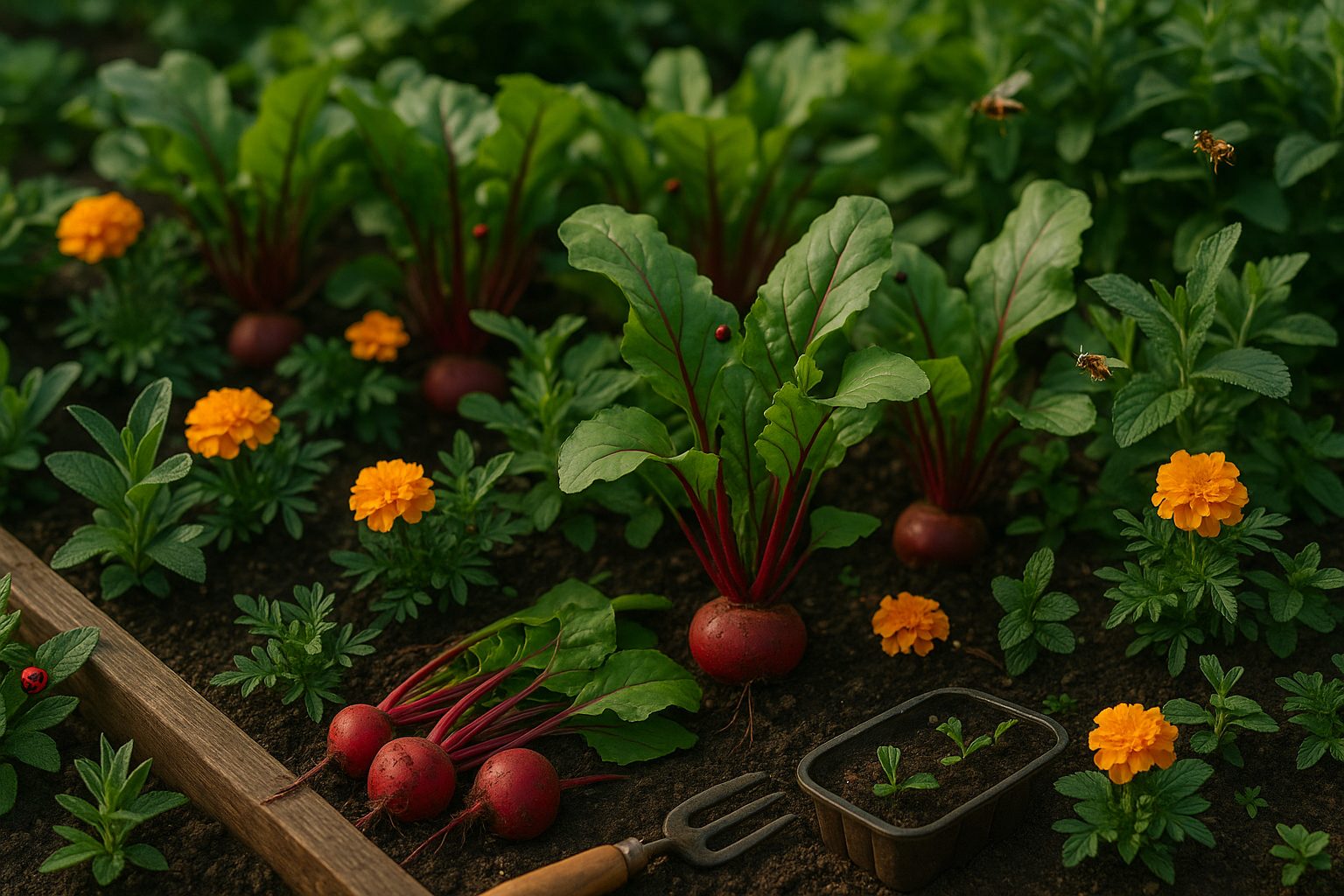
If you’re curious about planting flowers with beets, you’re already on the path to smarter gardening. Companion planting—growing different plants together for mutual benefit—can make a noticeable difference in your beet patch. For beets, choosing the right flowers as companions means harnessing natural methods to boost growth, deter pests, and improve soil health.
For example, certain flowers attract beneficial insects like ladybugs that feast on aphids, while others, such as marigolds, help repel nematodes and leaf-eating insects. This creates a balanced environment where beets can thrive with less need for chemicals or extra intervention. Furthermore, companion flowers can enhance soil fertility by promoting beneficial microbes or even fixing nitrogen—something beets love.
In this article, you’ll discover which flowers best complement beets, specific tips for layout and planting, and practical examples of flower-beet pairings that actually work in home gardens. Whether you want to maximize your harvest or simply enjoy a healthier, more vibrant vegetable patch, understanding these companion flower options can transform how—and how well—your beets grow.
Top Vegetables to Plant with Beets
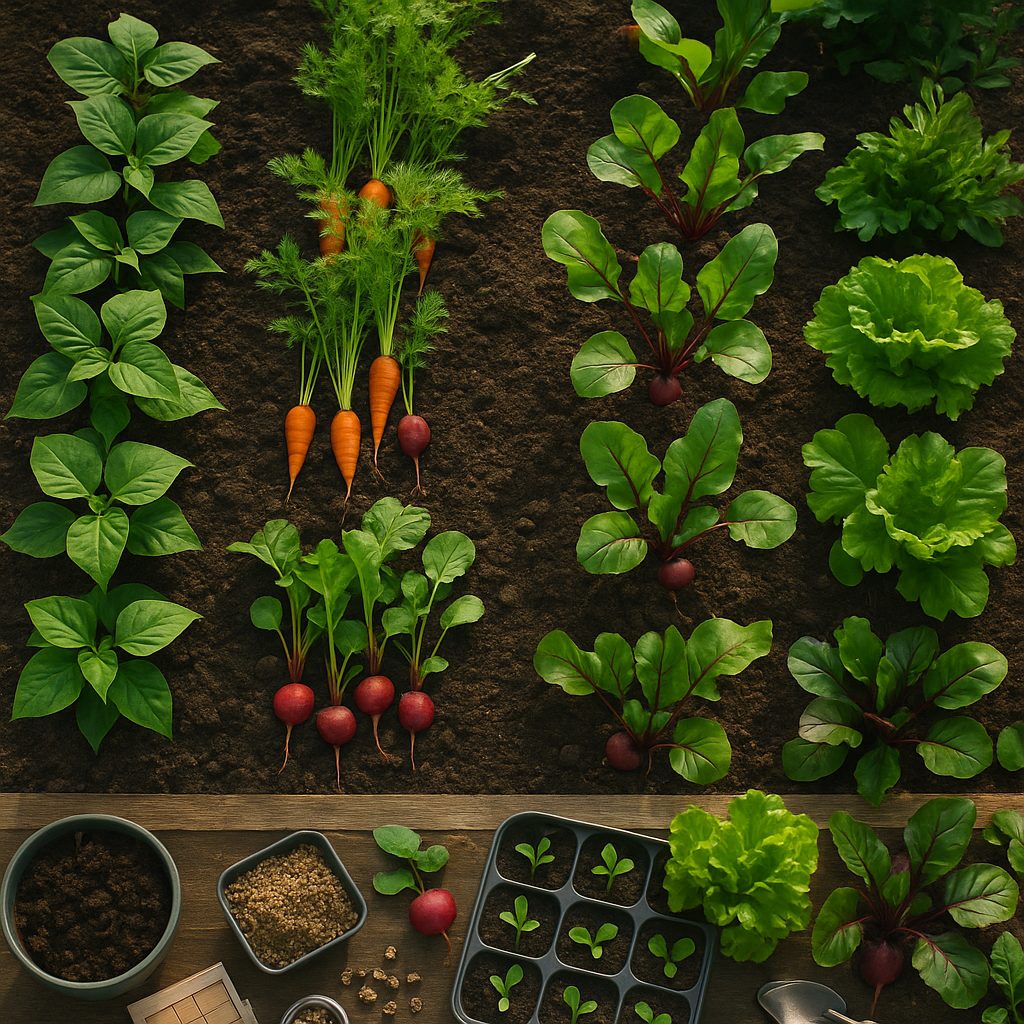
When planning your beet garden, pairing beets with the right companions can boost growth and naturally limit pests. Bush beans are a classic choice because they fix nitrogen in the soil, supplying beets with essential nutrients without the need for fertilizer. Lettuce is another smart partner; its low-growing leaves provide ground cover that helps keep the soil cool and moist—something beets love. Plus, you can tuck lettuce in the spaces between beet rows to maximize space.
Carrots can be sown alongside beets since they have similar light and water needs but different root depths, reducing competition and allowing you to harvest both at once. Radishes grow quickly and help break up compacted soil for beets. Because they mature faster, you’ll get an early harvest before your beets start bulking up.
Members of the brassica family, like cabbage, broccoli, kale, Brussels sprouts, and kohlrabi, make excellent beet neighbors because they deter common beet pests and don’t compete heavily for the same nutrients. For example, cabbage and broccoli are known to repel leaf miners that often target beets.
To incorporate these companions, plan for alternating rows or clusters in your garden:
- Try a row of bush beans alongside a row of beets.
- Interplant lettuce or carrots in beet beds.
- Locate brassicas on the borders of your plot for natural pest control.
This mixed planting not only helps your beets thrive but also adds variety to your garden and extends your harvest season.
Aromatic Herbs That Boost Beet Health
Planting aromatic herbs like catnip, sage, mint, and hyssop alongside your beets can give your vegetable patch a big boost. These herbs don’t just add variety—they help protect your beets naturally. For example, catnip and mint are well-known for repelling common beet pests like aphids and flea beetles, thanks to their strong scents.
Sage is also highly effective at keeping away beetles and carrot flies, making it a smart companion for beets. Hyssop plays a slightly different but equally important role: it attracts beneficial pollinators like bees and butterflies, supporting a healthy garden ecosystem and encouraging better beet growth.
For the best results, try planting mint and catnip in containers near your beet rows, as both herbs can spread rapidly if not contained. Sage and hyssop can be grown directly in the ground beside or between your beets, where their aromatic leaves act as a natural protective barrier. Leaving small gaps between the herbs and the beets ensures good air circulation, which helps prevent fungal issues.
Mixing these herbs into your beet bed not only minimizes pest damage but also promotes more vigorous beets thanks to increased pollinator visits and a healthier overall growing environment. Adding these easy-to-grow companions lets you enjoy a more robust harvest—with less reliance on chemicals and more support from nature.
Why Alliums and Flowers Belong in Your Beet Bed
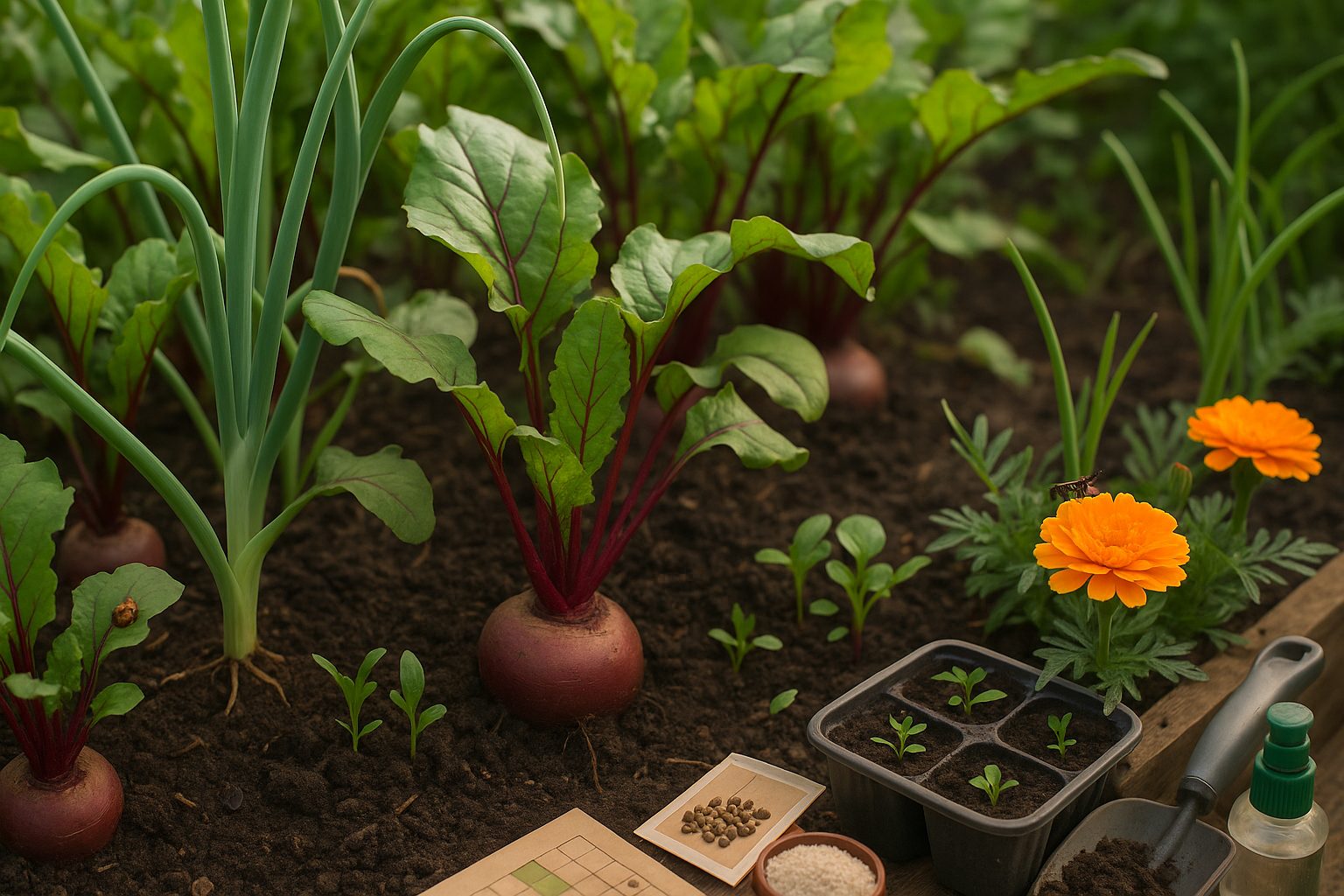
Mixing alliums like garlic and onions into your beet bed is an easy way to protect your crops naturally—these pungent veggies release compounds that deter common beet pests like aphids and beet flies. Adding flowers, especially bright marigolds, brings extra benefits by attracting helpful insects like ladybugs and parasitic wasps that prey on harmful bugs, while their strong scent helps keep beetles away.
To set up a thriving mixed bed, plant beets in rows or clusters with onions or garlic nestled between them, spacing alliums about 4-6 inches apart to avoid crowding. Dot marigolds along the bed edges or tuck them into open spots to keep pests at bay and encourage pollinators.
Rotate where you plant alliums and flowers each year to reduce disease buildup, and be sure to water consistently—vegetables and flowers alike thrive in moist, well-drained soil. This companion planting approach not only makes your beet patch healthier but also brightens your garden and invites a richer diversity of beneficial life.
What Not to Plant with Beets: Common Mistakes to Avoid
When planning your beet patch, avoid planting them near pole beans and field mustard, as these combinations often lead to disappointing results. Pole beans compete aggressively for nutrients and can overshadow beets, stunting their root development and reducing yields. Similarly, field mustard and other brassicas like broccoli and cabbage are heavy feeders, battling beets for essential minerals and leaving both crops undernourished.
Alliums such as garlic and onions are also poor companions, as their strong root secretions can inhibit beet growth. Instead, opt for friendly neighbors like lettuce, which grows quickly and shades the soil, helping beets retain moisture. Radishes and bush beans also make excellent beet buddies, offering similar growing conditions without resource rivalry.
If your garden space is limited, try using vertical supports for climbing plants like beans to maximize air and root space, ensuring everyone gets their fair share of nutrients and sunlight. By matching your beets with compatible companions and keeping greedy or competitive plants at a distance, you’ll set the stage for a healthier, more bountiful harvest.
Practical Companion Planting Tips for Beets
For a thriving beet patch alongside companion plants, start by spacing beets about 3–4 inches apart within rows that are 12 inches apart. This gives their roots enough room to expand without crowding. To maximize your garden’s harvest, try succession planting—sow new beet seeds every two to three weeks through late spring, so you always have young beets coming up as you harvest mature ones.
Pair beets with companions like bush beans, onions, or lettuce, all of which share similar sunlight (at least 6 hours daily) and watering needs. Aim to keep the soil evenly moist but not soggy, since both beets and their companions dislike wet feet.
For a lush, productive bed, replenish soil with compost or well-rotted manure before planting, as beets and leafy companions thrive in rich, loose earth. When planting mixed beds, tuck lettuce or spinach between beets to shade the soil and retain moisture. Just avoid planting beets too close to pole beans or mustard family crops, as they can compete for nutrients.
If one crop starts to outgrow or overshadow the others, trim leaves or thin plants as needed to maintain good airflow and light. Keep an eye out for nutrient deficiencies—yellowed leaves often signal a need for more compost or a balanced organic fertilizer.
Rotate crops yearly to prevent disease buildup, and mulch your patch to keep weeds at bay. With a little planning and attentive care, you’ll enjoy plump beets and happy companions all season long!
Harvesting Beets and Maximizing the Companion Planting Payoff
When it’s time to harvest beets from a companion planting bed, start by gently loosening the soil around the roots—beets are ready once their shoulders poke above the ground and measure about 1 to 3 inches across. Pull them in the cool of morning when the soil is slightly moist; this keeps roots crisp and lessens disturbance to nearby companion plants like onions or bush beans.
Properly planned companion beds often yield tastier, larger beets thanks to the natural pest resistance and improved soil structure provided by neighboring crops. For example, planting beets alongside garlic deters root maggots, while leafy greens offer shade, keeping the soil cool and helping roots develop evenly.
Once beets are harvested, resist the urge to leave the space bare—rotate in crops from a different plant family, such as legumes, to replenish nitrogen and break pest cycles. Before you sow again, remove any lingering debris and mix in compost or well-rotted manure to restore lost nutrients.
With every planting cycle, keep track of what worked (and what didn’t) so you can fine-tune your companion combos and reap even greater rewards next season.
Conclusion: Crafting a Thriving Beet-Friendly Garden
Strategic companion planting can make a big difference in your beet harvest by boosting growth, repelling pests, and improving soil health organically. Pairing beets with friends like onions, bush beans, or lettuce can save space and support healthier plants.
Every garden is unique, so don’t be afraid to experiment with different combinations to see what works best in your space and climate. Learning through experience is part of the joy of gardening.
Have a companion planting tip or question? Share your thoughts or stories in the comments—we’d love to hear what’s thriving in your beet-friendly garden!