Introduction
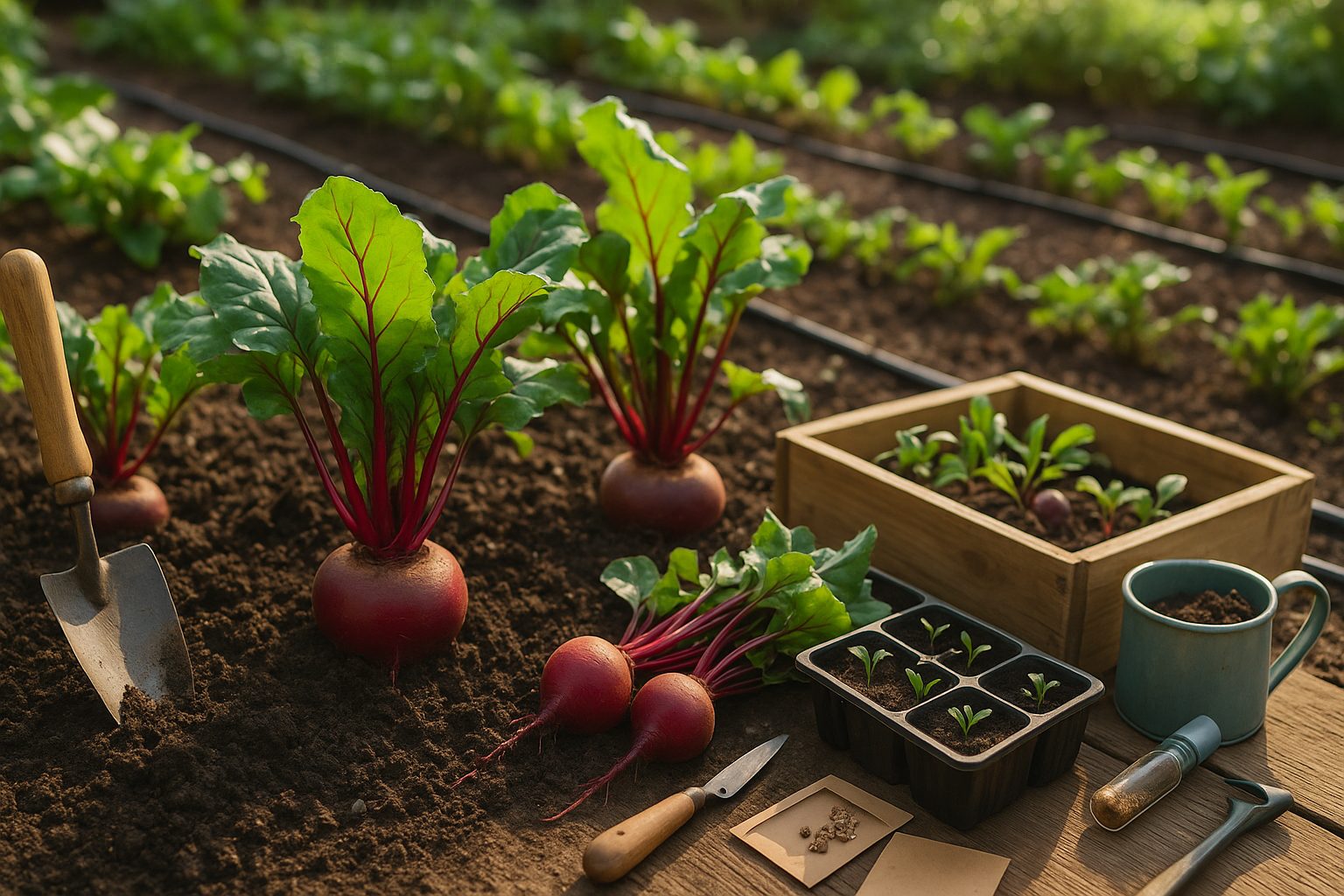
Beets are a powerhouse in the garden, prized not only for their earthy flavor but also for their impressive nutritional benefits. Many gardeners, especially beginners, wonder about beet sunlight needs: do these root veggies prefer basking in full sun, or do they thrive better with some shade? Understanding this simple yet crucial aspect can be the difference between spindly roots and a bountiful beet harvest.
In this article, we’ll break down everything you need to know in a step-by-step guide to growing healthy beets—from selecting the right spot and preparing your soil to addressing common problems like poor germination or pest damage. You’ll also learn when and how to harvest beets at their peak, plus get tips on using every part of the plant, from root to leafy greens, in the kitchen.
If you’re just starting out, take heart—beets are one of the easiest and most rewarding crops to grow, especially with a little know-how on sunlight and care. Whether you’re after fresh salads, hearty soups, or vibrant roasted sides, mastering the sunlight needs of your beets is the first step toward success. Let’s dig in and grow your confidence along with your garden!
Choosing and Preparing Your Planting Site
Selecting the right spot for your garden is essential for healthy, productive plants. Start by observing your yard throughout the day to find an area that receives at least six hours of direct sunlight—most vegetables and flowers thrive with plenty of light. If your space is shaded, consider crops like leafy greens or herbs, which tolerate lower light.
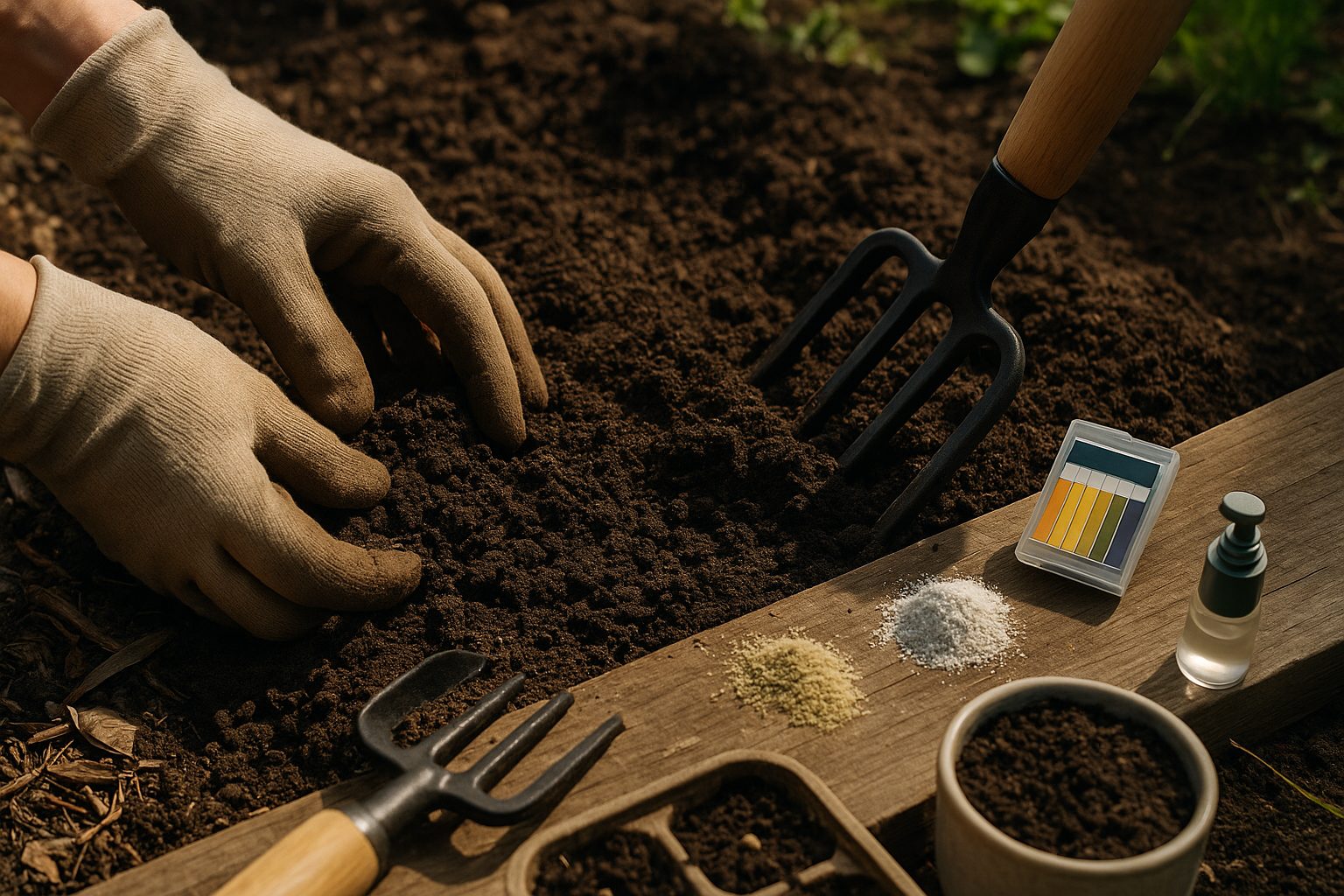
Next, dig into the soil to assess its texture. Ideal garden soil is loamy, holds moisture, but drains well without puddling. Sandy soils drain too quickly, while clay holds water and can suffocate roots; both can be improved with organic matter like compost or well-rotted manure. Test your soil’s pH using a home kit—most crops prefer a pH between 6 and 7. If your soil is too acidic (low pH), add lime; if too alkaline (high pH), work in elemental sulfur.
Clear the site of weeds, rocks, and debris, and loosen the soil 8–12 inches deep to encourage strong root growth. In tight spaces, try raised beds or container gardening to maximize what you have.
Adapt your approach to your region:
- In hot, dry climates, mulch heavily and consider drip irrigation to conserve water.
- In rainy or clay-soil areas, build mounds or raised beds to improve drainage.
- In colder regions, locate your plot near a south-facing wall to capture extra warmth.
Remember, great gardens start with smart site choices and thoughtful soil prep—taking these steps pays off all season long.
Selecting Beet Varieties and Planting Basics
When choosing beet varieties for your garden, consider what appeals to your taste and cooking style. Classic red beets like ‘Detroit Dark Red’ offer a deep crimson color and earthy sweetness, typically maturing in about 60 days. For something visually striking, try golden varieties such as ‘Touchstone Gold,’ which deliver a milder flavor with less staining, or the candy-striped ‘Chioggia,’ featuring pink-and-white rings and a faster growth habit, ready in 50-55 days.
To plant beets, begin by sowing seeds directly outdoors two to four weeks before your last expected spring frost. Beets thrive in cool soil and tolerate light frosts. Clear the bed of rocks and debris, then create shallow trenches about half an inch deep. Space seeds one to two inches apart, as each beet “seed” is actually a cluster that can yield multiple seedlings. Rows should be spaced at least 12 inches apart to allow for healthy root development and airflow.
After covering seeds lightly with soil, water gently but thoroughly. When seedlings emerge and reach about two inches tall, thin them to about three to four inches apart so each beet has room to mature. For a steady supply throughout the season, try succession planting—sow a new batch of seeds every two to three weeks until mid-summer. This simple routine means you’ll always have tender, sweet beets for salads, roasting, and pickling, instead of a glut all at once.
Remember, beet greens are also edible—harvest them young for a quick sauté or to toss into salads, making the most of your crop from root to leaf.
Care and Maintenance: Watering, Thinning, and Common Issues
Proper care and maintenance are key if you want a thriving garden, and it all starts with a watering routine tailored to your plants. Most vegetables and flowers do best with about one inch of water per week, either from rain or a deep, slow soak with a hose. Watering in the early morning helps prevent diseases by allowing leaves to dry throughout the day.
As your seeds grow, don’t forget to thin the seedlings—crowded plants compete for light and nutrients, leading to weak roots and stunted growth. Gently snip extra seedlings at the soil level once true leaves appear, giving about two to four inches of space (check your seed packet for specifics).
Feeding your plants is simple: use an all-purpose, balanced fertilizer every 3-4 weeks, but avoid overdoing it, as too much nitrogen can lead to lush leaves but few flowers or fruit.
For pest prevention, try companion planting, hand-picking larger insects, and keep an eye out for early signs of trouble.
Here are some common issues to watch for:
- Yellowing or spotted leaves might indicate fungal diseases. Prune off affected areas and avoid overhead watering.
- If you notice small holes or webbing, inspect for aphids or spider mites and use insecticidal soap as needed.
- Bolting, when plants like lettuce or spinach shoot up flowers prematurely, often happens due to warm temperatures. Keep plants cool with mulch and harvest early before hot weather sets in.
By sticking to these basics—consistent watering, thinning, smart feeding, and quick action at the first sign of trouble—you’ll give your garden the best chance to flourish all season long.
When and How to Harvest Beets
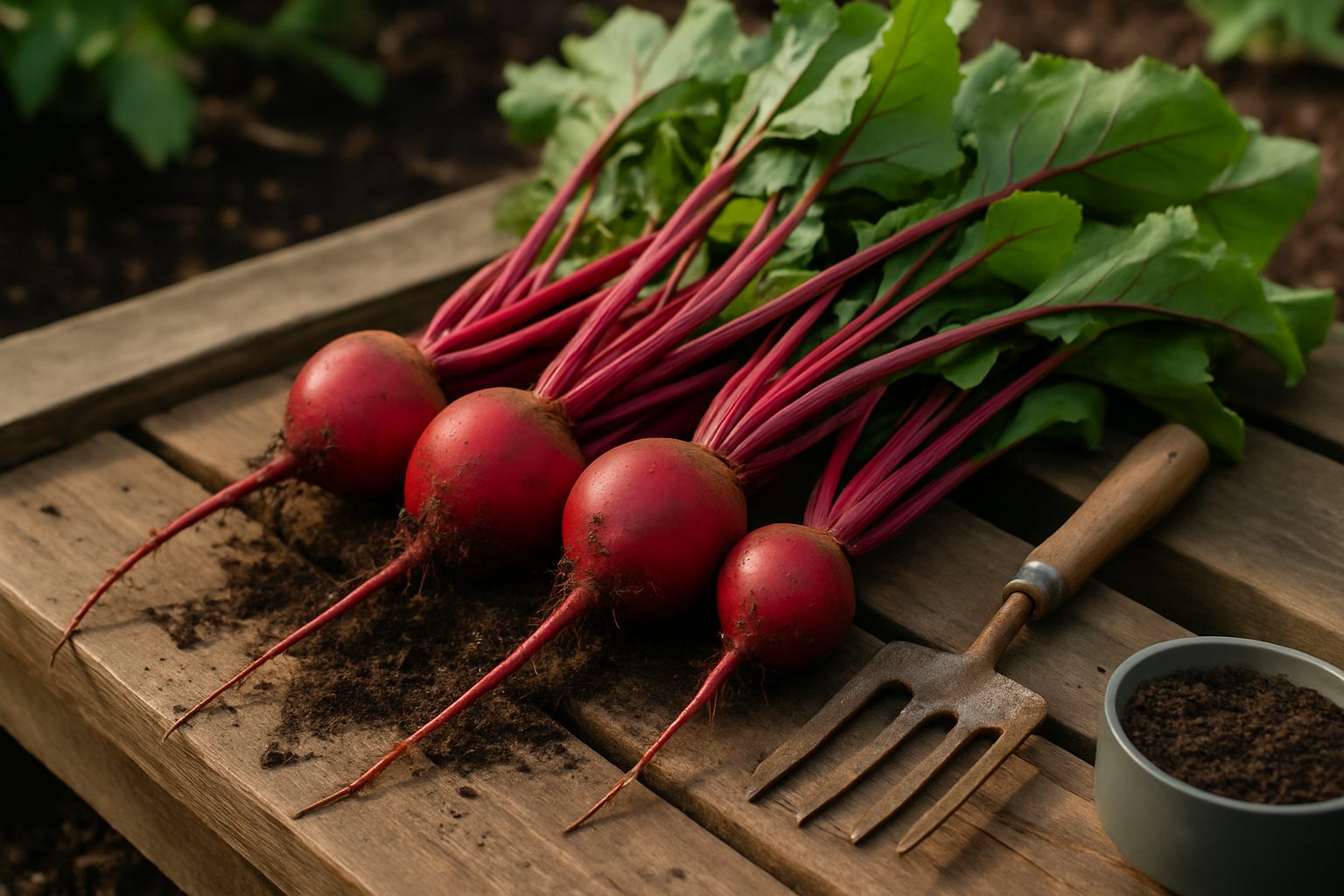
Knowing the right time to harvest beets can make all the difference in flavor and texture. Typically, beets are ready to pick when the roots reach 1.5 to 3 inches in diameter—about the size of a golf ball to a tennis ball. Check the beet tops, too; healthy, vibrant green leaves are a good sign they’re mature, though you’ll want to harvest before the leaves begin to yellow or wilt.
To test, gently brush away a bit of soil to inspect the root size without pulling the plant out entirely. When you’re ready to harvest, use a garden fork or your hands to carefully loosen the soil around each beet—avoid tugging on the leaves directly, as this can break or bruise the roots. Grasp the base of the greens and gently wiggle and lift the beet from the ground.
Once harvested, trim the leaves, leaving about an inch of stalk to prevent bleeding and drying out. For storage, don’t wash your beets before storing—instead, brush off excess dirt and place them in a perforated plastic bag in the refrigerator crisper drawer, where they’ll stay fresh for up to three weeks. If you have a larger haul, beets also keep well in a cool cellar layered in damp sand.
Remember, freshly harvested beets taste sweeter and are more tender, making your garden-to-table meals even more satisfying.
Creative Ways to Use Beets (Roots and Greens)
Beets are incredibly versatile and offer so much more than the classic roast or canned cubes—every part of the plant is edible and delicious in different ways.
Roasting beet roots brings out their natural sweetness; just peel, chop, toss in olive oil, and bake until tender. Once cooled, slice the roasted beets into salads alongside tangy goat cheese and crunchy walnuts for a vibrant lunch.
For a tangy twist, try pickling beets: simmer peeled slices in a mix of vinegar, sugar, and spices, then chill for a zesty condiment.
Don’t overlook the earthy beet greens! Rinse them well and sauté with a splash of olive oil, garlic, and a pinch of salt—they taste similar to Swiss chard and can be folded into omelets, pasta, or grain bowls.
Try adding both raw beet roots (peeled and chopped) and a handful of greens into fruit smoothies for a nutrient-packed boost—the earthy flavor pairs well with apple, orange, or berry.
To embrace zero-waste cooking, save beet peels and trimmings for homemade veggie broth, or finely chop the stems to add color and crunch to stir-fries.
If you’re new to beets, remember to wear gloves to avoid staining your hands, and balance their sweetness with acids like lemon juice or vinegar.
With a bit of creativity, it’s easy to make every part of the beet shine in your kitchen.
Frequently Asked Questions About Growing Beets
New to growing beets and have questions? You’re not alone! One common concern is slow or uneven seed germination. To boost results, soak beet seeds overnight before planting and keep the soil consistently moist until shoots appear—patience pays off, as beets can take 7–14 days to sprout.
If your beet seedlings look leggy or stretched, they likely need more light. Thin crowded plants so each has at least 3 inches of space, and move containers to a sunnier spot if possible.
Worried about limited space? Choose compact varieties like Babybeat or Detroit Dark Red, which thrive in pots and raised beds just as well as in garden plots.
Also remember to thin young beets for better root growth, and use those nutrient-packed greens in salads.
Starting beets may seem daunting, but with these simple steps, anyone can enjoy crisp roots and tender leaves from their own garden—even on a balcony. Give beets a try this season and experience just how satisfying homegrown harvests can be!