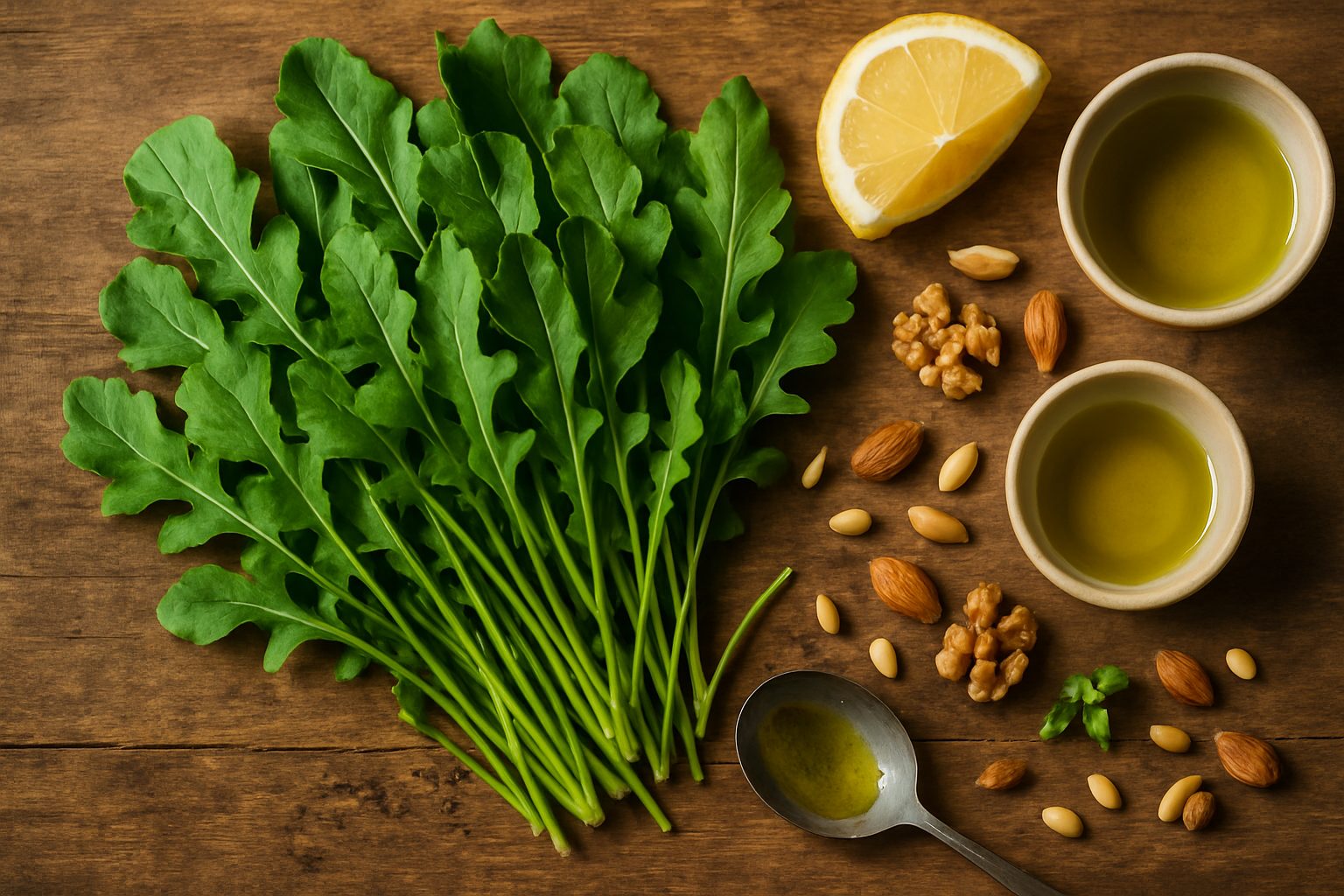
What is Arugula?
If you’re searching for the best arugula recipes for gardeners, understanding what arugula is—and why it’s loved—is the perfect place to start. Arugula, also known as rocket or rucola, is a leafy green vegetable classified under the Brassicaceae family, which includes familiar relatives like kale, broccoli, and mustard greens. Unlike the mild flavors of baby spinach or the crispness of romaine, arugula’s personality is unmistakably bold. Its tender, dark green leaves deliver a peppery, slightly nutty bite that can add instant flavor to any dish, whether raw in salads or gently wilted into warm preparations.
Arugula stands out in the garden with its deeply lobed, elongated leaves, which are sometimes mistaken for wild dandelions, but it’s the spicy aroma that sets it apart as soon as you brush a finger across it. This distinctive taste profile has made arugula a staple in Mediterranean cuisine, where it features prominently atop pizzas, in pasta dishes, or as a piquant contrast to sweet fruits and creamy cheeses. Its roots in the region date back centuries, but today, arugula is thriving in farmers’ markets and home gardens worldwide due to its quick-growing, cool-season nature and resilience against pests.
Because it can be harvested just a few weeks after sowing, gardeners find arugula especially rewarding—ideal for repeated cut-and-come-again harvests all through the growing season. Whether tossed simply with olive oil and lemon, layered in sandwiches, or blended into pesto, arugula’s robust, slightly bitter greens are both nutritious and versatile. Its growing popularity means you’re likely to find it from spring through fall, ready to inspire countless creative arugula recipes that celebrate everything this spirited green has to offer.
Nutritional Profile of Arugula
Arugula is a powerhouse of essential nutrients packed into a surprisingly low-calorie package, making it an excellent choice for health-conscious eaters. One cup of raw arugula contains only about five calories, less than 1 gram of carbohydrates, and virtually no fat or sugar, so you can add plenty to salads or sandwiches without worrying about excess calories.
Despite its lightness, arugula is rich in vitamin K, with just one serving offering over 25% of your daily requirement—this vitamin plays a huge role in bone health and proper blood clotting. It’s also a good source of vitamin C, an antioxidant that supports immune function and helps fight inflammation, as well as folate, a B-vitamin important for cell growth and especially beneficial for expecting mothers.
Alongside these, arugula delivers small but meaningful amounts of calcium, which aids bone strength, plus potassium and magnesium for heart and muscle health. Its fiber content, though modest at about 0.3 grams per cup, helps with digestion when eaten in combination with other vegetables.
What truly sets arugula apart is its array of antioxidants, such as glucosinolates and carotenoids, which help defend cells from damage caused by everyday stress and toxins. Eating arugula regularly can be especially helpful for those looking to boost their nutrient intake while keeping calories low—try tossing a generous handful into omelets, wraps, or grain bowls to give any meal a nutritional lift.
Health Benefits of Arugula
Arugula, often praised for its peppery flavor, also packs a powerful punch of health benefits that go far beyond taste. This leafy green is a remarkable source of vitamin K, which studies show is essential for bone health by aiding in calcium absorption and reducing the risk of fractures—just two cups of arugula deliver nearly 40% of your daily vitamin K needs.
Arugula is also brimming with heart-healthy nutrients like folate and potassium, both linked to improved blood pressure and reduced cardiovascular risk. One of arugula’s standout features is its rich antioxidant content, especially vitamin C, beta-carotene, and polyphenols, which help protect cells from damage and reduce inflammation throughout the body.
This anti-inflammatory property not only supports heart health but also strengthens your immune system—a real benefit during cold and flu season. Research has drawn connections between regular arugula consumption and lower cancer risk, thanks to natural compounds known as glucosinolates.
When you chew arugula, these compounds break down into bioactive substances like indoles and isothiocyanates, which help detoxify the body by activating liver enzymes that neutralize potential carcinogens. Some studies suggest this may provide extra protection against cancers such as lung, breast, and prostate.
These benefits make arugula a natural fit for heart-healthy diets like the Mediterranean or DASH diet, and it’s an effortless addition to anti-inflammatory eating patterns. Toss a handful into salads, blend it into smoothies, or use it as a fresh topping for pizzas and sandwiches to easily boost both flavor and nutrition.
With its nutritional profile, arugula isn’t just a leafy green—it’s a simple, delicious way to support long-term wellness every day.
Culinary Uses of Arugula
Arugula isn’t just limited to salads—it’s an incredibly versatile green that can elevate a variety of dishes both in taste and nutritional punch. Beyond tossing it into salads, try layering fresh arugula on sandwiches or wraps for a peppery bite that pairs especially well with turkey, roasted vegetables, or creamy cheeses like goat or feta.
For pizza night, sprinkle a handful of arugula over your pie just after baking; the residual heat wilts the leaves slightly, creating a vibrant contrast with rich toppings like prosciutto, mushrooms, or mozzarella.
If you’re making pesto, swap out some or all of the traditional basil for arugula to create a bold, slightly nutty sauce perfect for pasta, drizzling over roasted veggies, or spreading on toast.
Cooking arugula mellows its sharpness—lightly sauté it with olive oil and garlic for a quick side, or stir it into scrambled eggs, risottos, and soups just before serving for a mineral-rich boost.
Arugula’s peppery notes shine when combined with citrus, berries, apples, walnuts, or Parmesan, making it easy to find inspiration in whatever’s on hand. For a speedy nutrition upgrade, toss a handful into breakfast smoothies—the flavor is easily masked by banana or pineapple.
Use arugula as an eye-catching garnish for everything from grain bowls to grilled meats; it not only looks appealing but adds vitamins A, C, and K, as well as beneficial plant compounds.
To make the most of arugula, enjoy it raw when you want a bright, spicy kick and cook it for a more delicate, mellow flavor—either way, you’ll be adding depth to your dishes while boosting their nutritional value.
With so many simple ways to include arugula in everyday meals, it’s easy to turn ordinary recipes into something extraordinary and healthful.
How to Select, Store, and Prepare Arugula
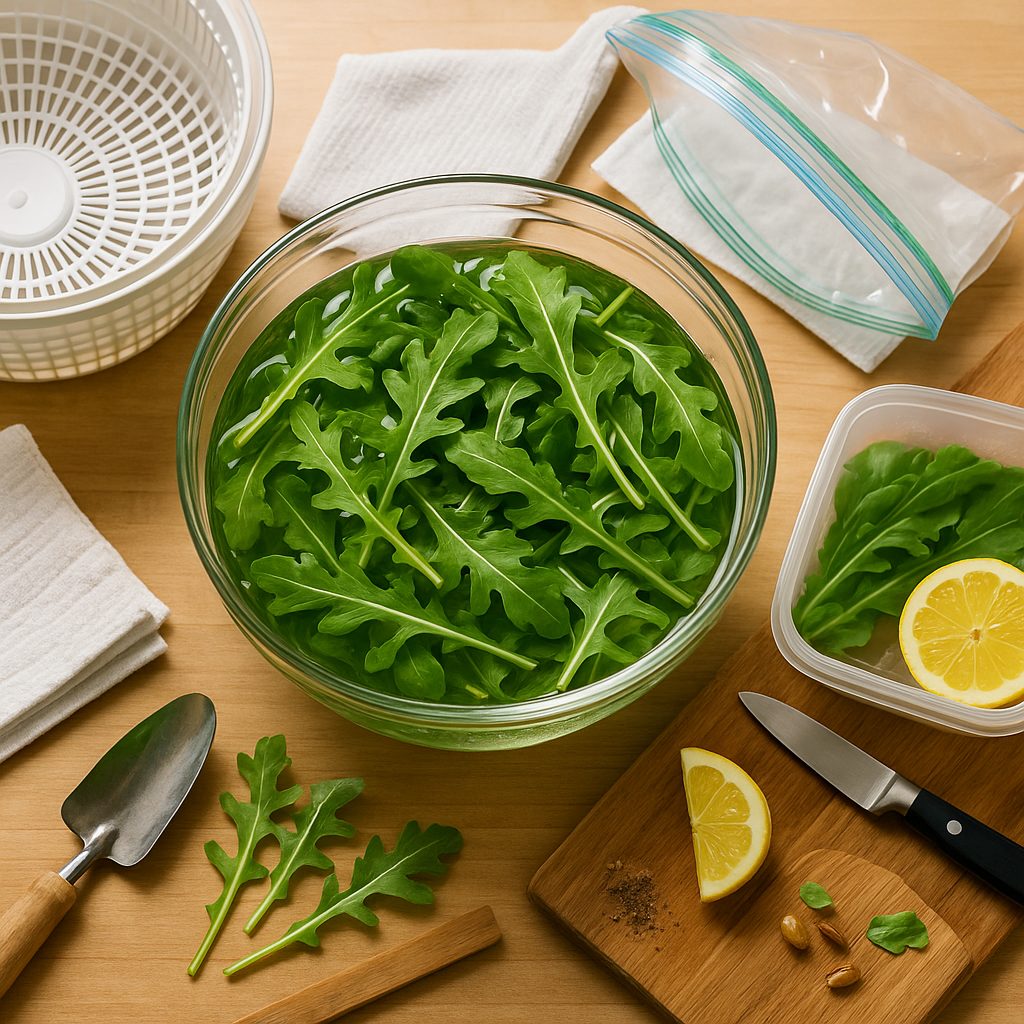
When selecting arugula at the store or farmers market, look for crisp, vibrant green leaves with no yellowing or wilting. The leaves should be perky and free from soggy spots or dark blemishes. Smaller baby arugula leaves tend to be milder and more tender, making them ideal for salads, while mature arugula has a peppery kick perfect for sautés and pestos.
Once home, proper washing is key—give the leaves a cool water bath and gently swish them around to release dirt and grit, then drain and spin dry with a salad spinner or pat softly with a towel. To extend its shelf life, wrap the dry arugula loosely in a paper towel and place it inside a zip-top bag or airtight container, storing it in the crisper drawer of your fridge; it should stay fresh for up to a week. For best flavor, use arugula within a few days and wait to wash it until you’re ready to eat.
Preparing arugula is simple: toss it into salads, blend into sauces, or layer on sandwiches for a burst of flavor.
Growing Your Own Arugula
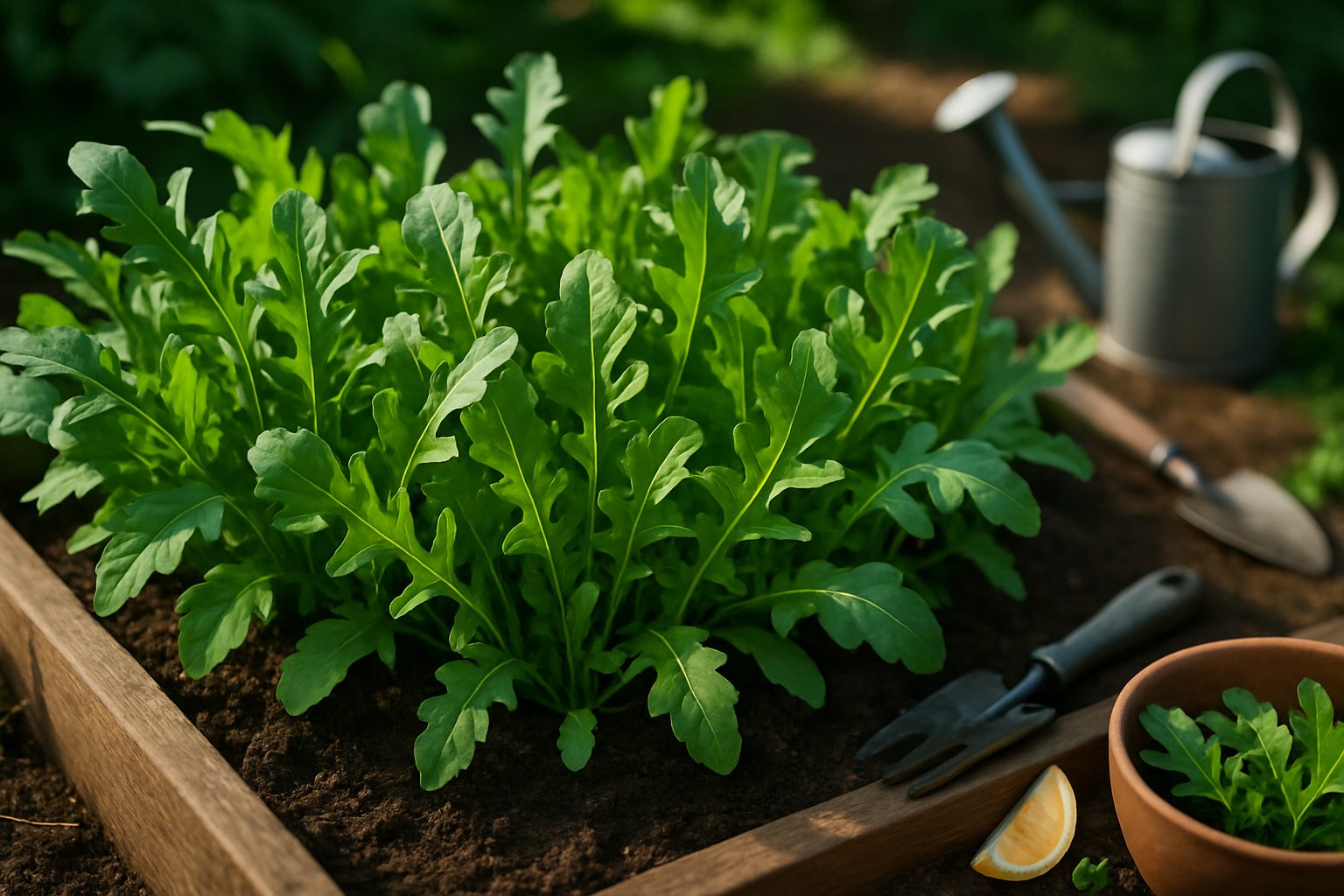
If you’d like a steady supply, consider growing arugula at home—this leafy green thrives in pots or garden beds with well-draining soil and partial sunlight. Sow seeds directly and keep the soil lightly moist; arugula usually germinates within a week and can be harvested as soon as the leaves reach three inches. Snip leaves frequently to encourage new growth, and reseed every few weeks for a continuous harvest.
Whether you buy or grow it, arugula’s spicy, fresh character makes it a versatile staple for any kitchen.
Potential Side Effects & Allergies
While arugula is generally safe and nutritious for most people, it’s important to be aware of potential side effects or allergic reactions.
Allergic Reactions
Some individuals may experience allergic symptoms such as itching, swelling, hives, or difficulty breathing, especially if they have existing allergies to cruciferous vegetables like broccoli, kale, or cabbage.
Digestive Discomfort
Digestive issues, including bloating or gas, may occur in those with sensitive stomachs when introducing arugula for the first time. It’s best to start with small amounts and gradually increase your intake.
Interaction with Blood Thinners
Arugula contains vitamin K, which can affect how blood-thinning medications like warfarin work. If you’re on such medication, monitor your intake and consult with your healthcare provider before making significant changes to your diet.
Tips for New Users
For anyone new to arugula or with known sensitivities, try adding a few leaves to salads or sandwiches first, then slowly incorporate more as your body adapts.
When to Seek Medical Attention
Always watch for unusual symptoms, and if you notice difficulty breathing or severe reactions after eating arugula, seek medical attention immediately.
Fun Recipes and Serving Ideas
If you love the bright, peppery bite of arugula, you’ll be happy to know this green is an easy upgrade for many meals, both raw and cooked.
For a refreshing start, try a citrus arugula salad: toss fresh arugula with orange or grapefruit segments, a drizzle of olive oil, salt, and a sprinkle of toasted almonds. The sweetness of the citrus nicely balances arugula’s spicy notes.
Arugula pesto is another crowd-pleaser—simply blend arugula with garlic, Parmesan, lemon juice, olive oil, and a handful of nuts like walnuts or pine nuts. This pesto is perfect tossed with pasta, drizzled over roasted veggies, or spread on grilled sandwiches.
Sautéed arugula offers a quick fix for weeknight dinners: cook it just until wilted with a splash of olive oil and minced garlic, then finish with a squeeze of lemon to cut through the bitterness.
Arugula also shines as a pizza topping; scatter fresh leaves over your pizza right after baking for a peppery, vibrant touch that pairs especially well with prosciutto, goat cheese, or roasted cherry tomatoes.
When prepping arugula, wash and dry thoroughly to avoid soggy salads. If the flavor is too strong, mix it with milder greens like spinach.
Arugula slides easily into wraps, omelets, and grain bowls, and it’s a fantastic garnish for Middle Eastern mezze, Italian pasta, or Mediterranean seafood dishes.
Try adding a handful to tacos for a crisp bite or use it as a base for grilled fish.
No matter how you serve it, arugula brings color, crunch, and flavor—just remember to taste as you go and adjust acidity or sweetness to your liking for the perfect flavor balance every time.