Introduction
If you love crisp, fresh salads, chances are you’ve thought about growing arugula, lettuce, and kale right in your backyard. These leafy greens are not only easy to grow but are also favorites among home gardeners due to their quick harvest times and versatility in the kitchen. When it comes to arugula and greens planting, many gardeners wonder if it’s possible—and beneficial—to grow these varieties side by side. Can these different greens share a garden bed without competing or hindering each other’s growth?
In this article, we’ll explore the ins and outs of planting arugula, lettuce, and kale together. You’ll learn practical tips on space-saving techniques, ideal soil conditions, and how to avoid common pitfalls. Whether you’re working with a large vegetable patch or a few containers on your patio, we’ll help you decide if companion planting these greens is right for your garden—and set you up for a flourishing, salad-ready harvest.
Benefits of Growing Arugula with Lettuce or Kale
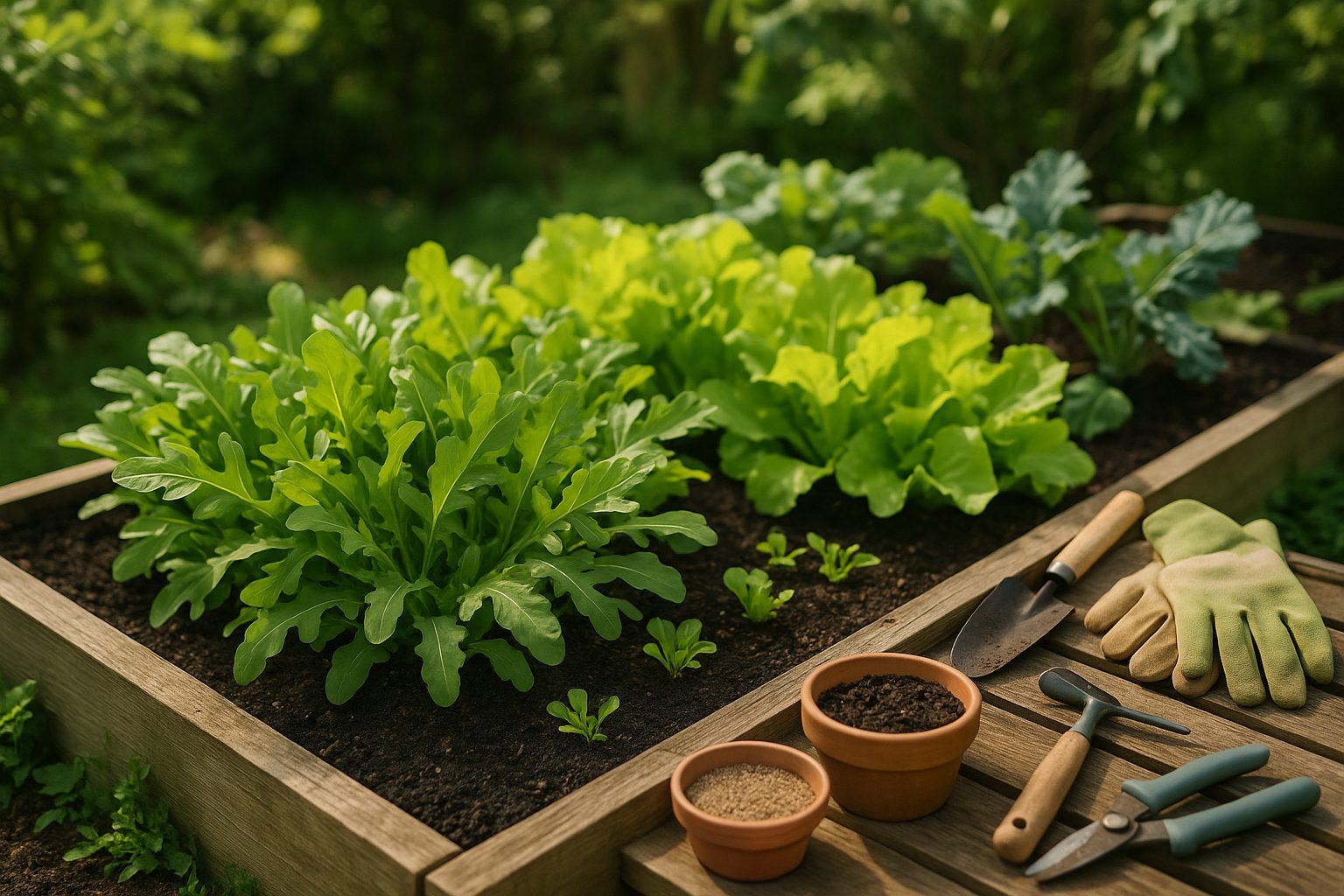
Companion planting arugula and greens like lettuce or kale offers many advantages for gardeners looking to maximize both their space and harvest. Growing these leafy vegetables together lets you make the most of your garden bed by filling gaps and providing continuous ground cover, which helps suppress weeds and retain soil moisture. Arugula’s upright yet compact growth habit pairs perfectly with the broader leaves of lettuce or the tall, leafy stalks of kale, allowing each plant to access sunlight without crowding its neighbors. Beyond optimizing space, these greens share similar care needs—like cool weather, consistent watering, and partial sun—making their side-by-side cultivation simple and efficient.
One key benefit of arugula and greens planting is the extended harvest period. These crops mature at different rates: arugula grows quickly, often ready to pick in 20-30 days, while many lettuce varieties take a bit longer, and kale can be harvested young or left to mature over months. This staggered timing means you’ll always have fresh leafy greens—start by harvesting arugula early, then move on to lettuce, and enjoy hearty kale well into the cooler months. Sequential harvesting also lets you replant or intersow seeds as space opens up, ensuring a continuous supply of fresh greens all season long.
Plus, planting these greens together adds a great mix of flavors and textures to your meals—from arugula’s peppery bite to the mild crispness of lettuce and the hearty earthiness of kale. You can pick young leaves for delicate salads or let them grow for heartier dishes like sautés and smoothies. This natural diversity not only keeps your meals interesting but also helps protect your garden: if one crop faces pests or tough growing conditions, the others are more likely to thrive, maintaining steady productivity. In short, arugula and greens planting fosters a resilient, abundant, and delicious kitchen garden.
Similarities and Differences in Growing Requirements
Arugula, lettuce, and kale are popular cool-season greens with similar yet distinct growing preferences, making them great candidates for mixed planting if you pay attention to their needs. All three thrive in well-draining, fertile soil rich in organic matter and benefit from consistent watering to keep the soil lightly moist but never soggy. Their sunlight requirements are also closely aligned—arugula and lettuce tolerate some partial shade, especially in warmer climates, while kale prefers full sun but also appreciates some protection from intense heat as summer approaches.
The biggest difference lies in temperature tolerance. Kale is especially hardy, suitable for late fall or even mild winter growing, while arugula and lettuce tend to bolt and become bitter if exposed to prolonged heat. Soil pH isn’t a major concern; all three perform best in slightly acidic to neutral soil (pH 6.0-7.0), making their nutrient needs compatible. However, plant spacing varies: lettuce and arugula can be planted closer together (4–8 inches for lettuce, about 4 inches for arugula), whereas kale needs more room to spread—typically 12–18 inches per plant.
When planning your arugula and greens planting, consider placing kale at the edge or back of your bed. Its taller leaves can provide dappled shade to the more heat-sensitive arugula and lettuce. Be sure to water consistently and mulch well to keep roots cool and moisture steady. In summary, the best way to harmonize growing conditions is by choosing well-drained, rich soil, watering regularly, and offering some afternoon shade—this keeps all three crops happy and productive when grown side by side.
Best Practices for Planting Arugula and Greens Together
Successful arugula and greens planting alongside lettuce or kale starts with choosing the right methods to accommodate their varied growth habits while maximizing your garden’s productivity. One traditional approach is planting in parallel rows: dedicate one row to arugula and alternate it with rows of lettuce or kale. This layout simplifies watering and harvesting, while ensuring each crop receives adequate sunlight and airflow.
For gardens with limited space, interplanting—mixing arugula seeds with lettuce or kale across a bed—is another effective strategy. Since arugula matures quickly and grows compactly, it can fill gaps between slower-growing crops. Harvesting early arugula leaves creates more room for lettuces and kale to expand.
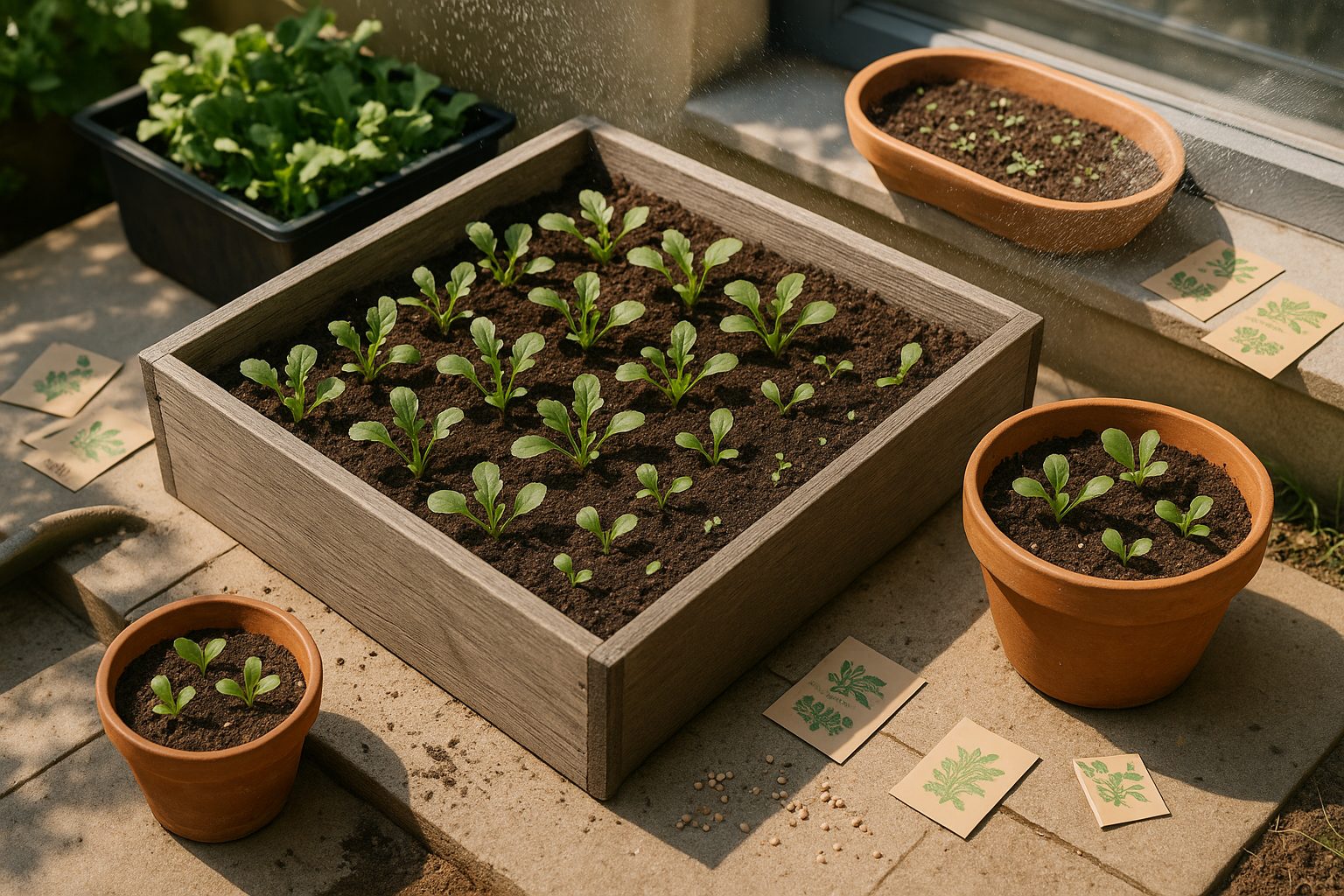
Container gardening also works well for mixed greens; use a wide, shallow container and group plants by their water and light needs to avoid overcrowding. Staggered planting is especially useful for continuous harvests: sow arugula seeds every two weeks among larger lettuce or kale seedlings. This rotation ensures a steady supply of fresh, tender leaves and helps confuse pests that target crops when all plants are at the same stage.
Seed spacing is another key factor in arugula and greens planting for garden health and yield. Sow arugula about 1 inch apart, lettuce transplants 6–8 inches apart, and kale 8–12 inches apart to give each species enough light and root space. If interplanting in small beds, alternate single seeds with at least 4–6 inches between arugula and each leafier green. Timing your plantings so arugula—usually the fastest grower—germinates about a week before lettuce or kale helps it establish before shading begins. Keeping soil consistently moist and using fine mulch supports even growth among all greens.
By following these tried-and-true layout and timing strategies, you’ll enjoy a continuous harvest of vibrant salad greens, naturally deter pests, and make the most of your gardening space.
Common Challenges and How to Avoid Them
When practicing arugula and greens planting together—like combining arugula, lettuce, and kale in one bed—you might face several challenges that affect crop health and yield. One common issue is pest infestations, as these leafy greens attract aphids, flea beetles, and slugs. To prevent outbreaks, regularly inspect leaves for tiny holes or sticky residue, which signal pest activity. Using floating row covers or introducing beneficial insects like ladybugs can also help control pests.
Diseases such as downy mildew or powdery mildew can spread quickly in densely planted greens. Symptoms include fuzzy, discolored patches on the undersides of leaves or white powdery spots on surfaces. Practicing crop rotation and ensuring good airflow between plants will help reduce these risks.
Nutrient competition is another concern because arugula grows quickly and can overshadow slower-growing lettuce or kale, causing stunted growth or yellowing leaves—signs your greens are stressed. Avoid this by spacing your plants generously: arugula should have at least 6 inches, lettuce 8 inches, and kale 12–18 inches apart, so each plant gets enough sunlight and nutrients.
Though these challenges may seem daunting, they are manageable. mulching helps prevent weed competition and retains moisture, while watering at the base of the plants reduces humidity and disease risk. Watch for signs of stress—yellowing or overly spicy leaves in arugula, limp or browning edges in lettuce, and puckered or curled foliage in kale. Quick action based on these clues will keep all your greens thriving together.
Harvesting and Maintenance Tips for Arugula and Greens Planting
For successful arugula and greens planting, especially when mixing arugula with lettuce or kale in the same bed, harvesting and maintenance require a thoughtful approach. Begin harvesting arugula when its leaves are tender and reach 2–3 inches, usually 3–4 weeks after sowing. Use sharp scissors or garden snips to cut the outer leaves, leaving the inner rosette intact so it continues producing new growth.
Lettuce, whether leaf or head varieties, can be harvested similarly: pick outer leaves for cut-and-come-again salads or harvest entire heads at maturity. Kale leaves are best picked once they reach about the size of your hand; always snip from the bottom up, leaving young top leaves to grow.
Stagger harvesting among the crops so that removing large lettuce or kale leaves opens up light and airflow for heat-sensitive arugula, which benefits from a bit of shade. For ongoing bed maintenance, keep the soil consistently moist but not soggy—this typically means watering early in the morning two to three times a week, adjusting for heat or rainfall.
Mulch lightly with straw or leaf mold to regulate temperature and retain moisture, but be careful not to crowd the bases of the plants, as this can trap moisture and invite disease. Regular, gentle harvesting prevents overcrowding, minimizes bolting (especially in arugula), and helps each crop thrive by reducing competition for resources.
Finally, rotate the crops you harvest most aggressively to avoid stressing any one area of the bed. Keep an eye out for signs of pest pressure or nutrient deficiency, since closely packed greens can attract both if not properly tended.
Conclusion
Growing arugula and greens planting alongside lettuce or kale is not only possible but also highly beneficial for home gardeners. These leafy greens share similar growing requirements—cool temperatures, ample sunlight, and consistent watering—making them ideal companions in shared beds or containers. Companion planting these greens can help maximize garden space, increase harvest variety, and even deter some pests through enhanced biodiversity.
However, it’s important to watch spacing and avoid overcrowding, which can cause competition for nutrients and raise the risk of disease. Since every garden’s microclimate and soil health vary, don’t hesitate to experiment with different planting arrangements and timing to find what works best for your environment. Starting with small patches of mixed greens and observing their growth together is a great way to begin, adjusting your approach based on your observations.
For those eager to explore mixed greens gardening further, consider resources like local extension services, reputable gardening books, or online forums such as the National Gardening Association and university agriculture sites. These sources offer tailored advice to help you develop strategies for a thriving, diverse greens patch season after season.