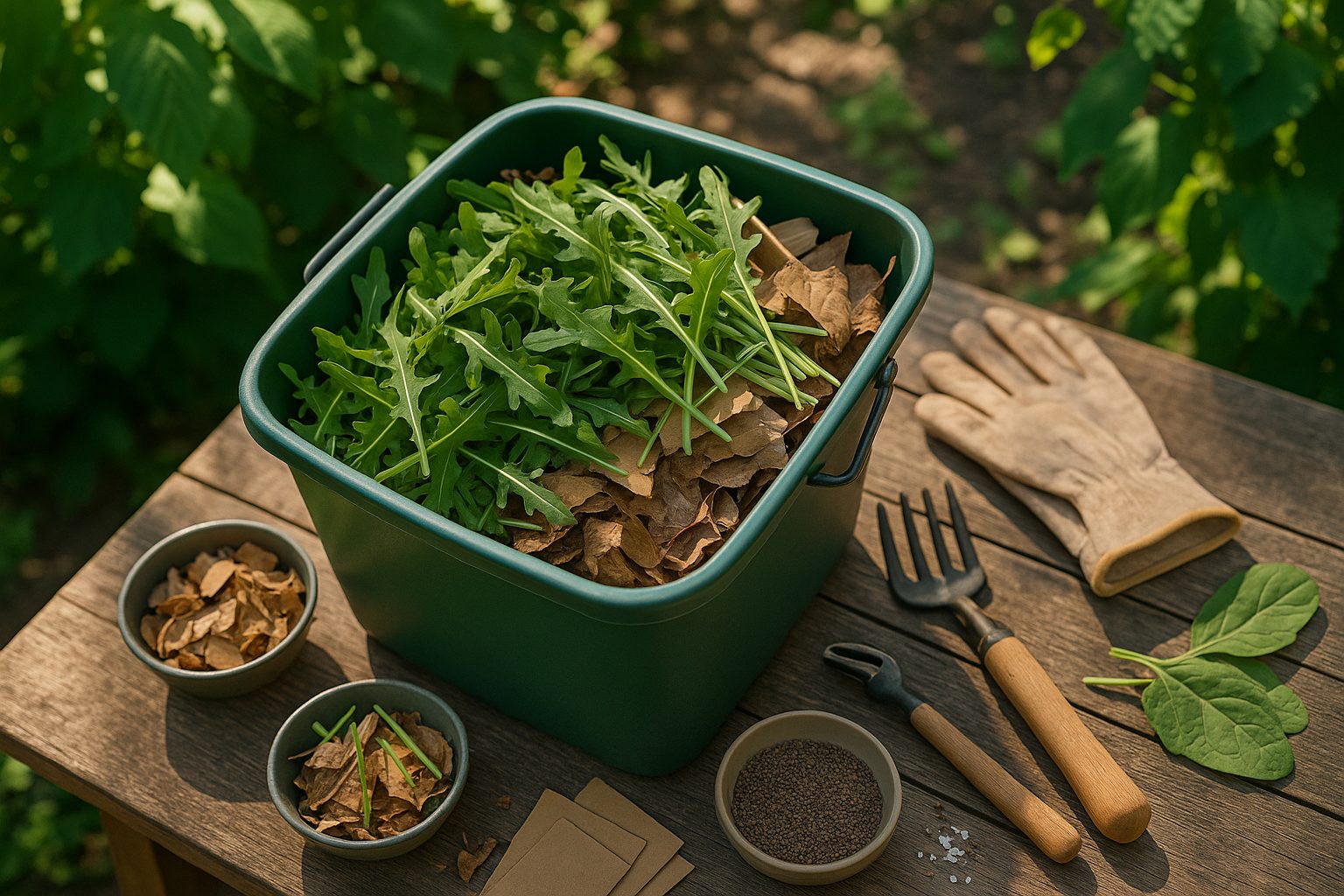
Why Compost Arugula?
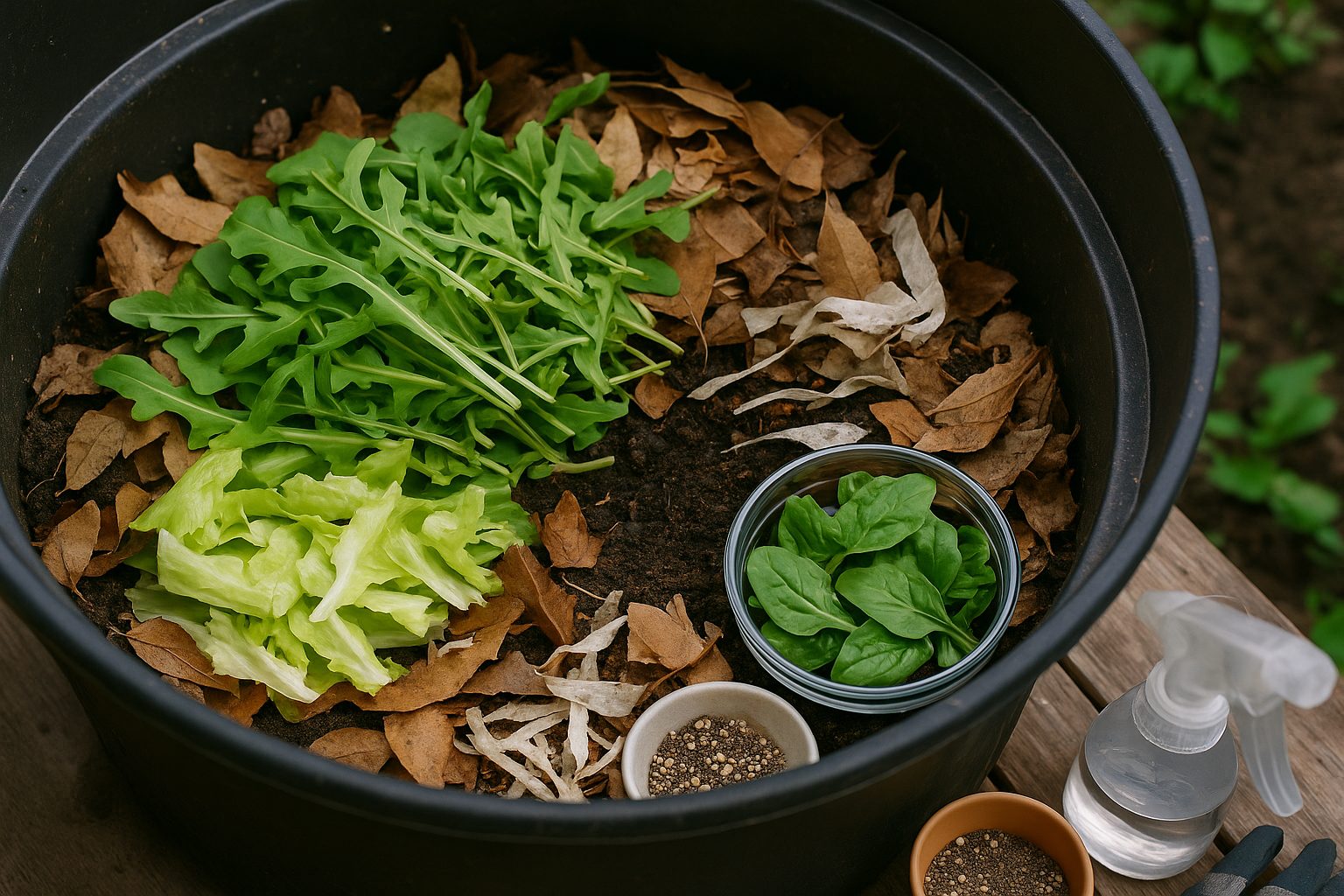
If you’re wondering about composting arugula, the answer is yes—and there are plenty of great reasons to start tossing those arugula scraps into your compost bin. Whether you’ve grown a bumper crop in your garden, find yourself with wilted leaves in the fridge, or just need to get rid of arugula stems after salad prep, composting arugula helps turn what might be waste into valuable garden gold.
For home gardeners, surplus arugula harvests can be hard to keep up with, and buying fresh bunches often means dealing with leftover bits that get limp before you have a chance to use them all. Instead of tossing them in the trash, composting keeps these nutrient-rich greens in the natural cycle, helping to reduce landfill waste and your household’s overall environmental footprint.
Fast Decomposition and Nutrient Release
Arugula, with its soft leaves and high water content, actually breaks down even more quickly than many other leafy greens—think of it like spinach or lettuce, only faster. This rapid decomposition means nutrients like nitrogen are released to your compost pile sooner, helping to speed up the process and support healthy microbial life in your bin.
Compared to thicker, waxier greens like kale, arugula’s tender texture is perfect for creating a lush, rich soil amendment in less time.
The Benefits of Returning Compost to Your Garden
When you return that finished compost to your garden, you’re recycling those nutrients directly back into your soil, promoting plant health, strong root growth, and bigger, better harvests in seasons to come.
Composting arugula is a simple, everyday way to keep waste out of landfills, close the loop in your kitchen and garden, and get the most out of every leafy green. It’s a small step toward a healthier, more sustainable home—proof that even humble arugula scraps can have a big impact.
Composting Basics: Greens vs. Browns
In composting, “greens” are materials rich in nitrogen, while “browns” are high in carbon. Greens include things like vegetable scraps, coffee grounds, and fresh yard waste—think arugula, spinach, or grass clippings. These break down quickly and provide essential nitrogen that helps microorganisms thrive.
Browns, on the other hand, include dry leaves, straw, cardboard, and paper. These break down more slowly and supply carbon, which provides energy for decomposers and helps prevent your compost from becoming soggy or smelly.
Getting the right balance between greens and browns is key—a good rule of thumb is to aim for about three parts brown to one part green by volume. This balance ensures your compost heats up properly, doesn’t get too wet or stinky, and transforms efficiently into rich soil.
If your compost bin has a lot of arugula or other leafy greens, don’t worry. Try layering the pile, always adding a generous amount of shredded paper, dried leaves, or old straw on top of each batch of greens. This helps balance moisture and keeps unpleasant odors in check.
If you run out of typical browns, torn-up cardboard boxes, paper egg cartons, or even used napkins (as long as they aren’t greasy) can work as alternatives. Remember to turn your pile every week or so to mix and aerate the materials, which helps everything break down evenly.
By paying attention to your mix of greens like arugula and plenty of browns, you’ll keep your compost pile healthy, fast, and odor-free.
How to Compost Arugula: Step-by-Step Guide
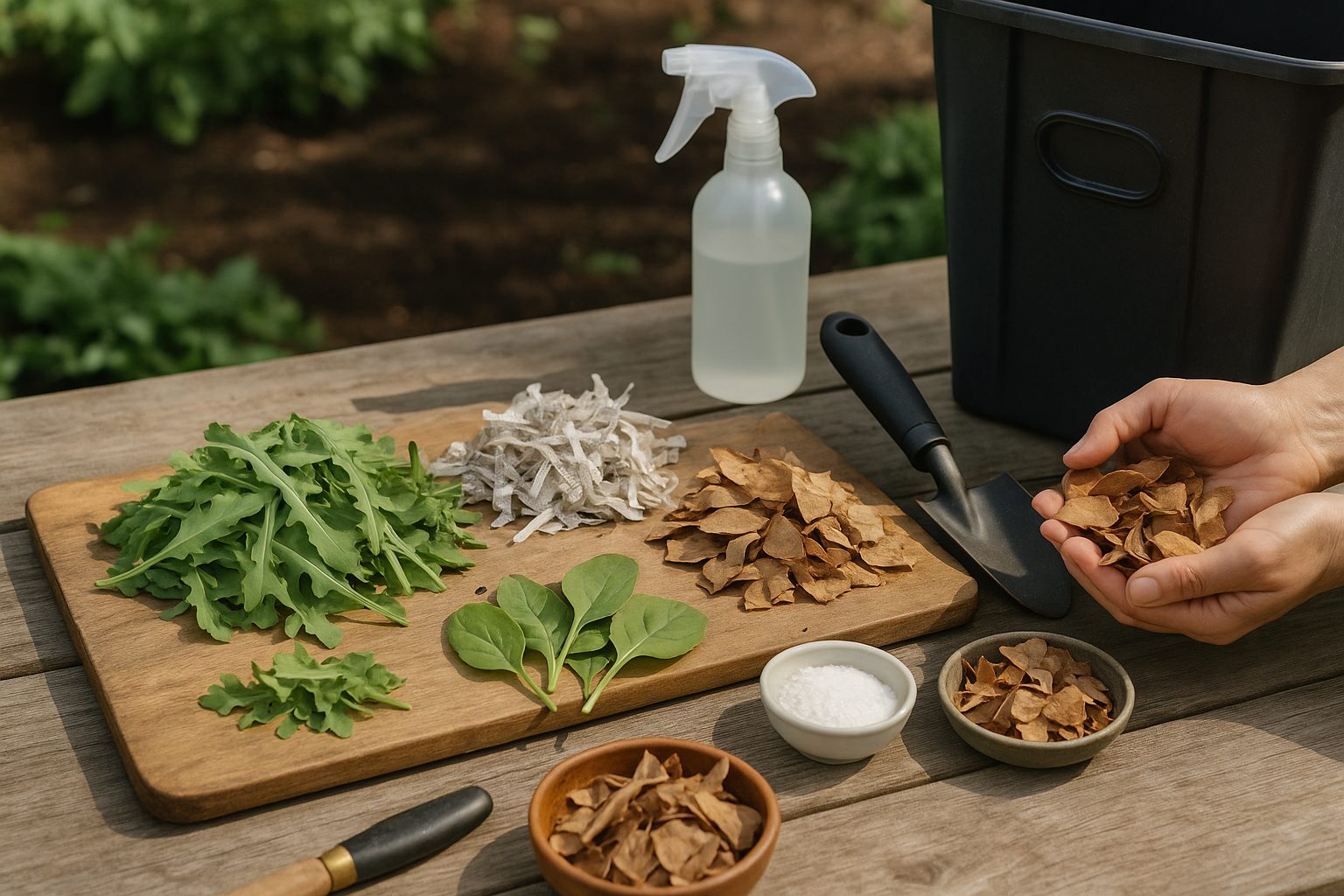
Composting arugula is an easy way to reduce kitchen waste and enrich your garden soil. You can compost it whether you have a backyard pile, a tumbler, or even a small indoor compost bin.
Start by chopping up your arugula leaves and stems into smaller pieces. This helps them break down faster and prevents clumping. Since arugula is a “green” or nitrogen-rich material, it’s important to balance it with “browns” such as dry leaves, shredded newspaper, or cardboard.
For every handful of chopped arugula, add about two handfuls of browns to maintain the right carbon-to-nitrogen ratio and avoid your pile becoming slimy or smelly.
Whether you’re adding arugula to a backyard compost pile, a freestanding tumbler, or a compact bin under your sink, always mix the new material in well with the existing compost. This promotes airflow and speeds up the breakdown process.
Keep an eye on moisture levels—your pile should feel like a damp sponge. If it’s too wet, add more browns; if it’s too dry, sprinkle a little water.
For backyard or tumbler setups, add arugula in small batches of up to a quart at a time to avoid overwhelming your pile with too much green material. In apartments or smaller bins, limit additions to a cup or less each time.
By following these steps and maintaining balance, you’ll turn arugula scraps into rich compost in just a few months.
Managing Seeds, Smells, and Speed: Troubleshooting Arugula Compost
If you’re composting arugula, it’s important to keep an eye on both seeds and the overall health of your pile. arugula seeds can survive if your compost doesn’t get hot enough, which means you might see sprouts popping up where you don’t want them later. To prevent this, make sure your compost pile heats up to at least 140°F (60°C) for several days or avoid adding mature seed heads altogether.
If you’re noticing bad smells, the usual culprit is too much “green” material (like arugula leaves) or not enough air. Mix in more dry, brown material such as shredded newspaper or dry leaves, and give your pile a good stir to boost airflow.
Slow decomposition is often caused by a lack of nitrogen or moisture. If your pile feels dry and sluggish, lightly water it and add more fresh greens.
Dealing with pests? Bury food scraps and greens deeper in the pile, and avoid adding items like oily salad dressing or cooked foods that attract rodents.
For a faster breakdown of leafy greens like arugula, chop them up before composting and maintain a balanced mix of greens and browns. Turning your pile every week and keeping it moist—like a wrung-out sponge—will help microbes break things down more quickly, leaving you with healthy, usable compost and no unwanted arugula volunteers.
Apartment & Small-Space Composting Methods
Composting in an apartment or small space is totally doable, even if your scraps include pungent greens like arugula. Vermicomposting, or worm composting, is a popular indoor method that uses a bin with special red wiggler worms. These bins are compact, can fit under a sink or on a balcony, and the worms happily consume arugula and other vegetable scraps.
To keep things fresh and avoid bad smells or fruit flies, always bury your arugula under a layer of bedding like shredded newspaper or coconut coir, and avoid overloading the bin—small, frequent additions work best.
Bokashi is another excellent option; this airtight bucket relies on fermentation rather than decomposition, so it won’t smell up your space. With Bokashi, you can even add cooked arugula or other leftovers—just sprinkle the provided bran after every addition and keep the lid sealed tightly.
Countertop compost bins with charcoal filters offer a third choice. While they don’t break down scraps themselves, they store food waste without odors until you can take it to a collection point or community garden.
With any indoor composting, be mindful of moisture—arugula is full of water, so mix in dry material like paper towels or cardboard to keep things balanced. Always wash your bins regularly, and if you notice fruit flies or a sour odor, adjust by adding more dry browns and cutting back on wet greens.
By mixing arugula with a variety of food scraps and paying attention to bin maintenance, you can safely compost even in the smallest apartment, turning kitchen waste into nutrient-rich soil for houseplants or local gardens.
Creative Ways to Use Arugula-Enriched Compost
Arugula-enriched compost is a powerhouse for boosting your garden’s soil health, thanks to its rich blend of nutrients and natural bioactive compounds. When you add this compost to your garden beds, it improves soil structure, drainage, and water retention, providing a strong foundation for your vegetables and flowers to grow.
For gardeners starting from scratch, mixing arugula compost into seed-starting mixes gives young plants a gentle yet steady supply of nutrients—especially beneficial for delicate seedlings that need a good start.
If you have potted plants or houseplants, simply sprinkle a thin layer on top of the soil or incorporate it during repotting. The compost gradually releases micronutrients, minimizing the need for synthetic fertilizers and keeping your indoor greenery vibrant.
For a less conventional approach, try brewing a “compost tea” using arugula-enriched compost: steep two cups in a five-gallon bucket of water for a day, then use the strained liquid to water your plants or spray leaves as a foliar feed. This can promote leaf health and even deter certain pests.
Finally, adding a handful of arugula compost around fruit trees or berry bushes can encourage lush foliage and better yields, thanks to the leafy greens’ calcium and trace mineral content.
By using these creative methods, you’ll maximize the benefits of arugula compost and enjoy healthier, more resilient plants throughout your garden and home.
Frequently Asked Questions & Final Tips
Composting arugula is straightforward, even if the leaves are wilted or past their prime. In fact, any arugula—fresh or slimy—can go straight into your compost bin, as long as it’s free from dressing or oil.
Many people worry about moisture levels when adding greens like arugula; to keep your compost from getting soggy or smelly, always balance wet kitchen scraps with a handful of dry materials like shredded newspaper, cardboard, or dry leaves.
Decomposition time varies, but most arugula breaks down in a few weeks, especially if you turn your pile regularly to provide oxygen. For faster breakdown, chop up larger stems or bunches before composting.
Remember to monitor your compost for any strong odors, which typically means it’s too wet or lacks enough “brown” material. The best practice is to build a diverse compost bin, mixing arugula with other kitchen scraps—think carrot tops, banana peels, or coffee grounds—along with plenty of carbon-rich browns.
Avoid adding cooked arugula leftovers that contain oils, dairy, or meat, as these can attract pests. Don’t be afraid to experiment with composting a wide range of kitchen waste; you’ll not only reduce landfill contributions but create richer, healthier soil for your garden.
Over time, you’ll get a feel for what works best in your compost bin, so stay curious and keep tweaking your process to suit your household waste and gardening needs.