Introduction to Zucchini Companion Planting
Wondering what not to plant near zucchini is a smart first step for any home gardener eager to get the most out of their summer squash harvest. Companion planting—an age-old technique where different crops are grown together based on how they interact—has seen a surge in popularity among both novice and seasoned gardeners.
The goal? Healthier plants, fewer pests, and a bigger, tastier yield. Zucchini, a favorite for its prolific growth and versatility in the kitchen, responds especially well to thoughtful companion planting.
But while pairing zucchini with the right neighbors can boost its productivity, planting it beside the wrong crops can invite disease, stunted growth, or unwanted bugs. For example, many gardeners have learned the hard way that putting potatoes or certain aromatic herbs next to zucchini can cause more harm than good, crowding the roots or attracting pests like squash bugs.
By understanding what not to plant near zucchini—and why—you can use your garden space more efficiently, promote healthy squash vines, and enjoy a bountiful summer harvest. This guide will help you avoid the common pitfalls of poor companion planting and set your zucchini up for success.
How Companion Planting Benefits Zucchini
Companion planting is a gardener’s secret weapon for healthier, more productive zucchini. By strategically pairing zucchini with certain plants, you can naturally reduce pests like squash bugs and aphids that often threaten your crop.
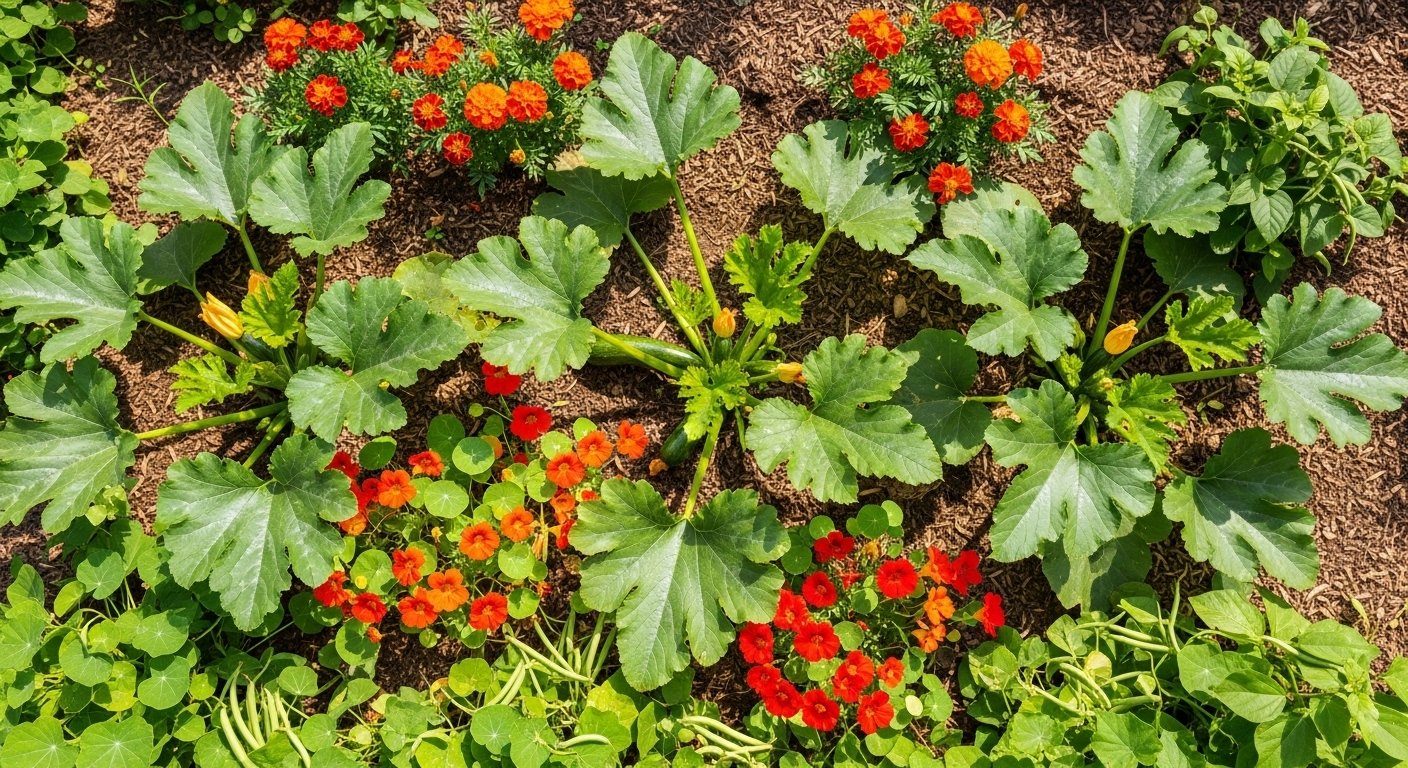
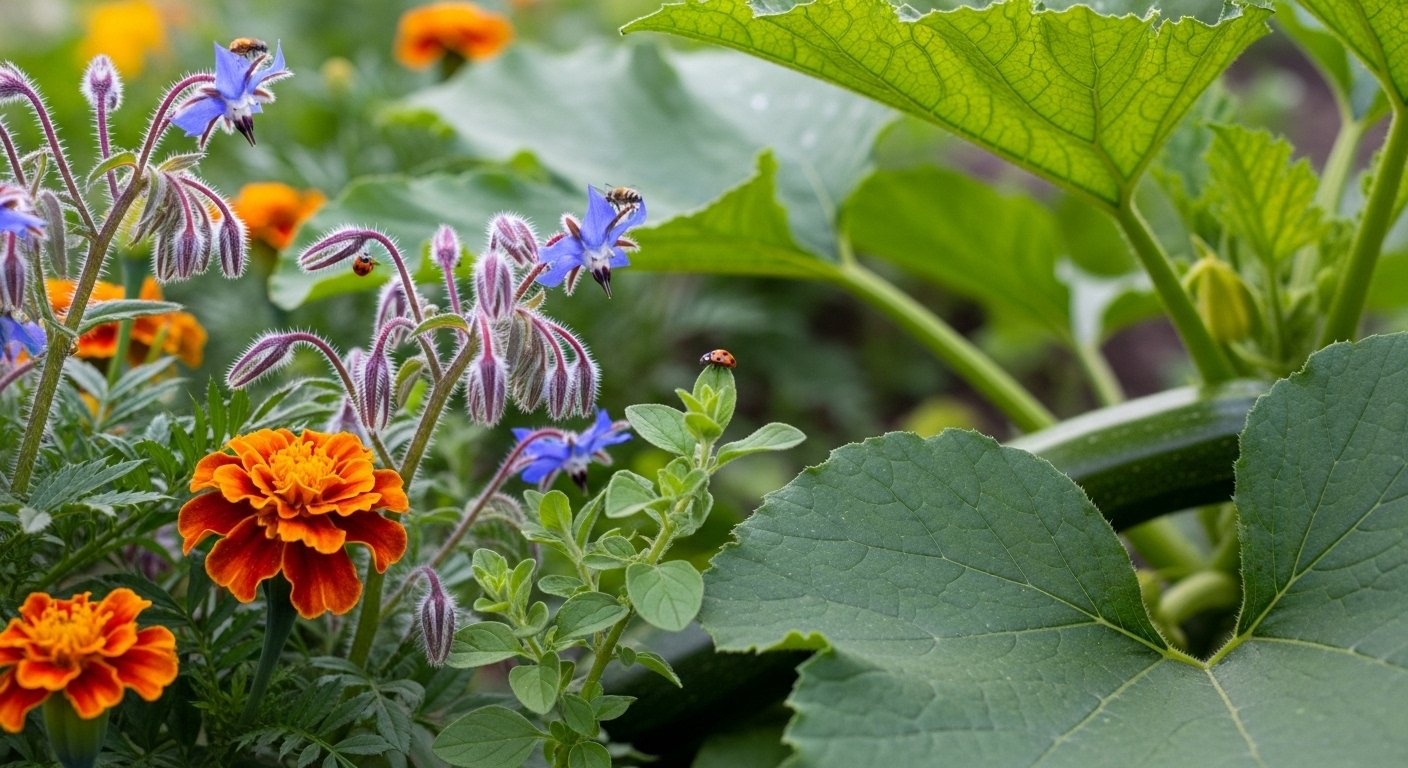
For example, planting nasturtiums or marigolds nearby gives off scents that confuse or repel pests, making your zucchini less of a target. Meanwhile, flowers like calendula and borage act as magnets for pollinators such as bees, resulting in more blossoms being pollinated and a bigger harvest.
Herbs like oregano and dill not only attract beneficial insects—think ladybugs and lacewings that feast on aphids—but also offer protection against fungi and mildews, thanks to their aromatic properties. If you plant legumes like bush beans near your zucchini, they’ll enrich the soil by fixing nitrogen, fueling robust zucchini growth and reducing the risk of nutrient depletion.
Some companions, like radishes, even act as sacrificial crops, luring pests away from your zucchini. This mix of pest reduction, pollinator attraction, and enhanced soil health makes companion planting an easy, low-cost way to protect your zucchini and boost your garden’s yield without relying heavily on chemicals.
Give it a try and you might notice not only healthier plants but also a lusher, more diverse garden ecosystem.
Top Companion Plants for Zucchini
When planning your zucchini patch, choosing the right companion plants can make a big difference in both the health of your crop and the productivity of your garden. Beans and peas are classic companions for zucchini because they fix nitrogen in the soil, providing a steady nutrient supply that helps your squash plants thrive. Plus, their vertical growth habit saves space, letting you maximize yield in small gardens.
Marigolds and nasturtiums are top picks for natural pest control; marigolds release chemicals that repel nematodes and beetles, while nasturtiums deter aphids, squash bugs, and even whiteflies with their strong scent. As an added bonus, both flowers attract a variety of pollinators, which is crucial for zucchini’s fruit development. Radishes can be interplanted with zucchini to act as a “trap crop,” luring pests like cucumber beetles away from your squash and maturing quickly so they don’t compete for long.
Corn offers a vertical structure that can provide zucchini with some afternoon shade in hot climates, preventing sun scorch on tender leaves. One classic planting combination is the “Three Sisters,” which pairs zucchini or other squash with beans and corn. In this method, corn provides a natural trellis for beans to climb, beans enrich the soil for both corn and squash, and sprawling zucchini foliage shades the soil, reducing weeds and conserving moisture.
These diverse plant groups not only help each other out but also make the most of available space in your garden. You might try planting a border of marigolds and nasturtiums around your zucchini bed, dropping a few radish seeds between hills, and sowing peas along a nearby fence. By mixing and matching these companions, you’ll promote a healthier, more resilient garden with fewer pests, better pollination, and improved harvests—all without resorting to chemicals.
Plants to Avoid Near Zucchini
When planning your zucchini garden, it’s important to know which neighbors to avoid. Potatoes, pumpkins, and fennel are some of the main plants you should keep away from your zucchini patch.
Potatoes compete fiercely for soil nutrients and water, which means your zucchini might not get enough resources to thrive. Both pumpkins and zucchini belong to the same family (Cucurbitaceae), making them susceptible to the same pests and diseases like cucumber beetles and powdery mildew—proximity can cause outbreaks to spread quickly between them. Fennel, on the other hand, tends to stunt the growth of most vegetable plants, including zucchini, due to allelopathy—meaning it releases chemicals that inhibit its neighbors’ growth.
To prevent these issues, give your zucchini plenty of space by planting it at least a few feet away from potatoes, pumpkins, and fennel. Use physical dividers such as raised beds or even a row of companion plants—like beans or nasturtiums—that are compatible with zucchini to create natural barriers. Rotating crops each year can also help minimize soil-borne diseases and keep nutrient levels balanced.
By being mindful of who shares space with your zucchini, you’ll give it the best chance to grow big, healthy, and productive all season long.
Planting and Spacing Tips for Success
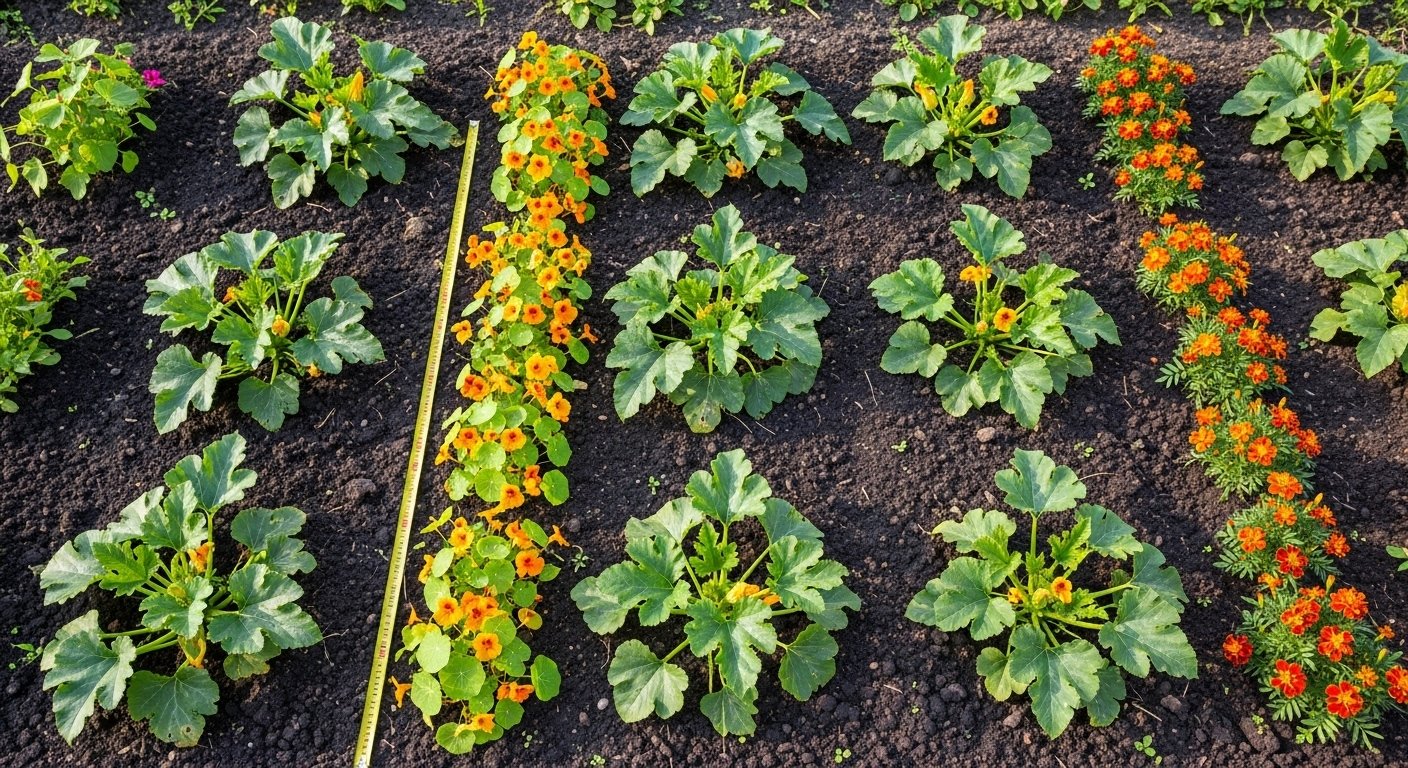
When planting zucchini and their companion plants, smart spacing is crucial to prevent overcrowding and promote healthy growth. Zucchini plants can grow large, spreading two to three feet wide, so it’s important to give each one plenty of room—plant zucchini at least 36 inches apart.
Companion plants like nasturtium, marigold, and radishes are more compact and can be tucked around the edges or between zucchini hills, but avoid clustering them too closely. Both overcrowding and poor airflow can lead to mildew or pest problems.
Think about mature plant sizes: give beans and corn—the taller companions—enough space so they don’t shade out your sun-loving zucchini. A staggered or zig-zag planting layout works well, allowing maximum sunlight to reach each plant while keeping air circulating.
One common mistake is underestimating how much space zucchini needs; planting too close together traps humidity and invites disease. Try using trellises or vertical supports for vining companions like beans to lift them off the ground and open up more garden real estate.
Regularly thin seedlings after sprouting to prevent accidental crowding as plants grow. If you’re gardening in a small space or raised bed, consider alternating rows of zucchini and companions, or interplant fast-growing companions like radishes which can be harvested early.
Mulch pathways between plantings to suppress weeds and retain moisture—healthy, unimpeded plants are less prone to stress and pest attacks. Ultimately, taking the time to space your plants carefully will reward you with bigger harvests and a more resilient, easy-to-manage garden.
Seasonal and Soil Considerations
For best results, plant zucchini and their companion plants—like beans, peas, nasturtiums, or marigolds—after your last spring frost, when soil temperatures consistently reach at least 60°F (16°C). This timing gives warm-season veggies a strong start and allows beneficial companions, such as legumes, to help fix nitrogen in the soil for zucchini’s heavy feeding needs.
Prepare your garden bed by mixing in 2-3 inches of well-rotted compost to enrich the soil, and ensure good drainage by loosening the dirt down 8-12 inches. Pairing cucurbit-friendly companions like bush beans can boost nutrients, while low-growing herbs such as oregano help deter pests.
Before planting in early spring, test your soil’s pH—it should fall between 6.0 and 7.5—and amend it if it’s too acidic or alkaline. Practice crop rotation by moving zucchini and close relatives (like cucumbers or pumpkin) to different beds each year, which helps prevent diseases like powdery mildew or squash vine borers and avoids nutrient depletion. A simple rotation is to follow zucchini with legumes (to replenish nitrogen) or leafy greens the next season.
Because not all companion plants thrive year-round, adjust your choices by season. For instance, plant cool-loving radishes or spinach alongside zucchini early on, then let heat-tolerant basil or nasturtium fill in gaps as summer peaks. Mulching with straw or chopped leaves helps retain moisture and regulate soil temperature throughout the changing months.
Stay observant: as the season progresses, remove plants that begin to fade, replant fast growers like bush beans, and monitor for pests or nutrient deficiencies. Adjust as you go for truly thriving, resilient zucchini and companions.
Common Mistakes and Troubleshooting Tips
One of the most common mistakes in zucchini companion planting is pairing them with crops that compete for similar nutrients, like potatoes or other heavy feeders, which leads to reduced growth and poor yields. Incorrect spacing is another frequent issue; overcrowded zucchini plants restrict air circulation, making it easier for diseases like powdery mildew to take hold, while also stunting growth due to limited root space. Planting zucchini too close to aggressive herbs such as fennel can inhibit their development, as some herbs secrete chemicals into the soil that stunt neighboring plants. These mistakes often result in weak, yellowed leaves, smaller zucchinis, or even total crop failure.
To troubleshoot, try amending the soil with compost to ensure adequate nutrition, especially if you notice pale or undersized fruit. Check your garden layout to make sure companion plants are at least 18–24 inches away, and regularly thin out seedlings to maintain proper airflow. If pests such as squash bugs or aphids appear, use floating row covers early in the season or introduce beneficial insects like ladybugs and lacewings to keep populations in check. For stunted growth, evaluate your watering schedule — zucchinis like consistent moisture but hate soggy soil, so aim for deep watering a couple of times a week. Low yields can often be traced to poor pollination, so encourage bees by planting flowers like nasturtiums or marigolds nearby. By watching for these common mistakes and making small adjustments — better spacing, careful crop selection, and attentive garden maintenance — you’ll give your zucchinis the best chance to thrive.
Quick FAQs About Zucchini Companion Planting
Zucchini is a fantastic addition to most vegetable gardens, but beginners often have questions about what can be planted alongside it and how to keep it healthy. A common concern is whether you can mix zucchini and cucumber in the same space.
While both belong to the squash family and have similar needs, it’s best to give them separate areas since they’re susceptible to the same pests and can compete for nutrients. Growing them close together may also increase the chance of cross-pollination, which can affect the flavor and productivity of your crops.
Identifying and Managing Pests
Keep an eye out for small gray or silver bugs like squash bugs, striped cucumber beetles, and fuzzy white eggs on the undersides of leaves. If you spot these pests early, you can pick them off by hand or use a gentle insecticidal soap.
Preventing Pests with Companion Planting
To help prevent bugs in the first place, try interplanting zucchini with fragrant herbs such as basil, dill, or oregano. These not only confuse pests but also attract helpful pollinators. Nasturtiums and marigolds are other excellent companions that naturally repel insects while adding a cheerful splash of color to your garden.
Remember, companion planting isn’t an exact science, so experiment and see what works best in your garden’s unique environment.
If you’re curious to learn even more tips, don’t hesitate to join a local gardening group or check out reputable gardening websites—there’s always something new to discover!