Introduction
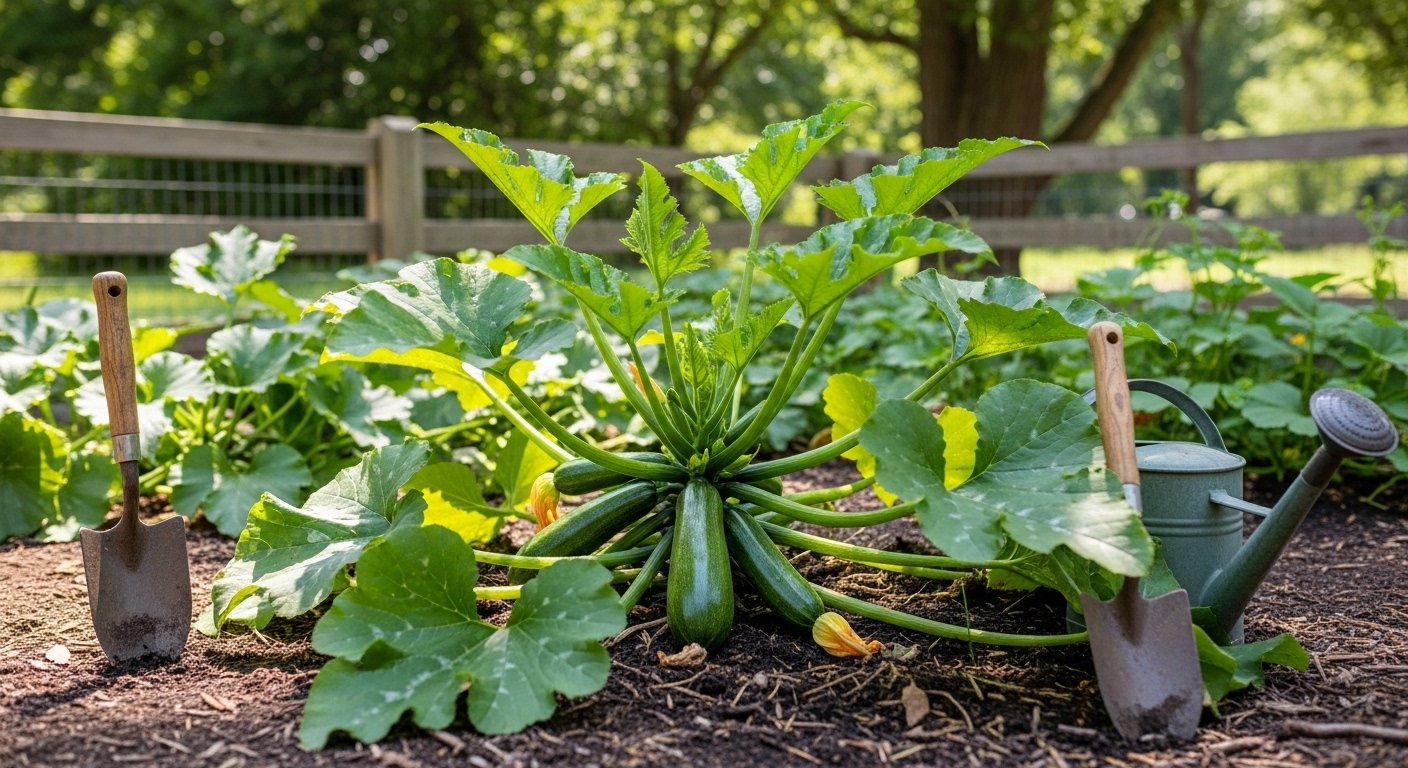
The zucchini school garden is quickly becoming a favorite project among educators and students, and it’s easy to see why. Zucchini is a popular, easy-to-grow summer vegetable that thrives in a variety of conditions, making it the perfect crop for budding gardeners. Its prolific yields mean even small garden beds can produce an abundance of crisp, nutritious squash—ideal for school cafeterias, science classes, or food pantries.
Teachers love how zucchini sparks student interest in science, sustainability, and healthy eating, while kids enjoy the excitement of watching these fast-growing plants stretch skyward almost overnight. In this guide, we’ll walk you through creative, classroom-ready ways to weave zucchini gardening into school curricula.
Whether you’re a green-thumbed teacher with years of horticulture experience or a total beginner looking for a project that’s hard to mess up, you’ll find practical tips, lesson plan ideas, and step-by-step instructions to make your zucchini school garden a thriving success. Get ready to transform your outdoor space into a living, learning laboratory—and discover how one humble vegetable can grow lasting lessons for every age group.
When and Where to Plant Zucchini
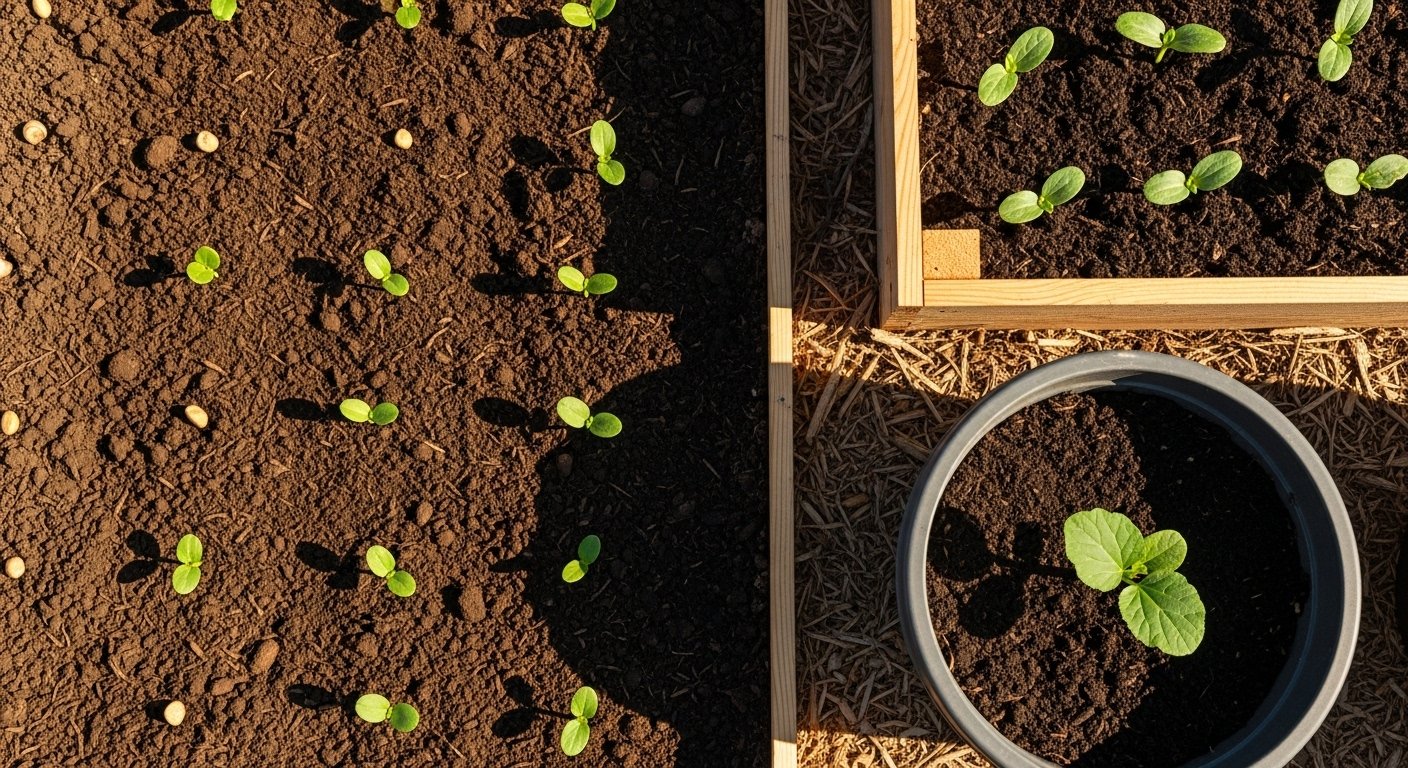
Planting zucchini at the right time and place is crucial for healthy growth and a bountiful harvest. Since zucchini thrives in warmth, wait to plant seeds or seedlings until all danger of frost has passed—typically once nighttime temperatures consistently stay above 50°F (10°C). In most regions, this means late spring to early summer; however, always check your local last frost date to be sure.
Soil temperature matters too; zucchini seeds germinate best when the soil is at least 60°F (15°C). For the perfect spot, choose an area that gets at least six to eight hours of direct sunlight each day. Shield your plants from strong wind, which can dry them out or cause broken stems; a spot near a fence or taller crops works well as a windbreak.
Zucchini plants also need space because their sprawling vines or bushy forms can spread out widely—allow at least 2–3 feet between each plant.
Planting Methods
Whether you’re planting in the ground, in raised beds, or in containers, each method has its perks:
- In-ground planting: Ideal if you have enough space and good soil.
- Raised beds: Offer better drainage and warm up faster in spring, which can lead to an earlier harvest.
- Containers: Perfect for small spaces or patios; choose containers at least 18 inches wide and deep. Use quality potting mix and water more frequently since containers dry out faster.
Whichever option you choose, proper timing, sunlight, and a wind-protected location will set your zucchini up for a season of steady growth and generous yields.
Preparing the Soil for Zucchini Success
Getting your soil in top shape is a crucial step for thriving zucchini plants, and it starts with understanding their specific needs. Zucchini prefers slightly acidic to neutral soil, with a pH ideally between 6.0 and 7.5. You can test your soil using a simple home kit from the garden center.
Good drainage is also key—zucchini roots can’t tolerate soggy conditions, which often lead to rot or disease. If your soil feels heavy and clay-like, work in plenty of organic matter such as finished compost or well-rotted manure. These amendments not only lighten the texture for better drainage but also supply essential nutrients for growth.
Before planting, loosen the soil to a depth of 12 to 18 inches with a garden fork or tiller, removing rocks and breaking up clumps. For poor or sandy soils, raised beds can be a game changer, allowing you to control both the soil mix and drainage.
Once your seeds or seedlings are in, add a 2-3 inch layer of mulch—straw, shredded leaves, or grass clippings work well—around your plants to help retain moisture, regulate temperature, and keep weeds at bay. Mulching also helps reduce the risk of soil-borne diseases by preventing dirt from splashing onto the leaves during rain or watering.
To avoid common issues like blossom end rot, make sure your soil’s calcium level is adequate, and water regularly but not excessively. Rotate where you plant zucchini each season to prevent soil-borne pests and diseases from building up. Also, avoid compacting the soil by stepping around, not on, your planting beds.
With just a bit of extra attention to soil preparation, you’ll set the stage for a generous zucchini harvest all season long.
Planting and Spacing Zucchini for Maximum Yield
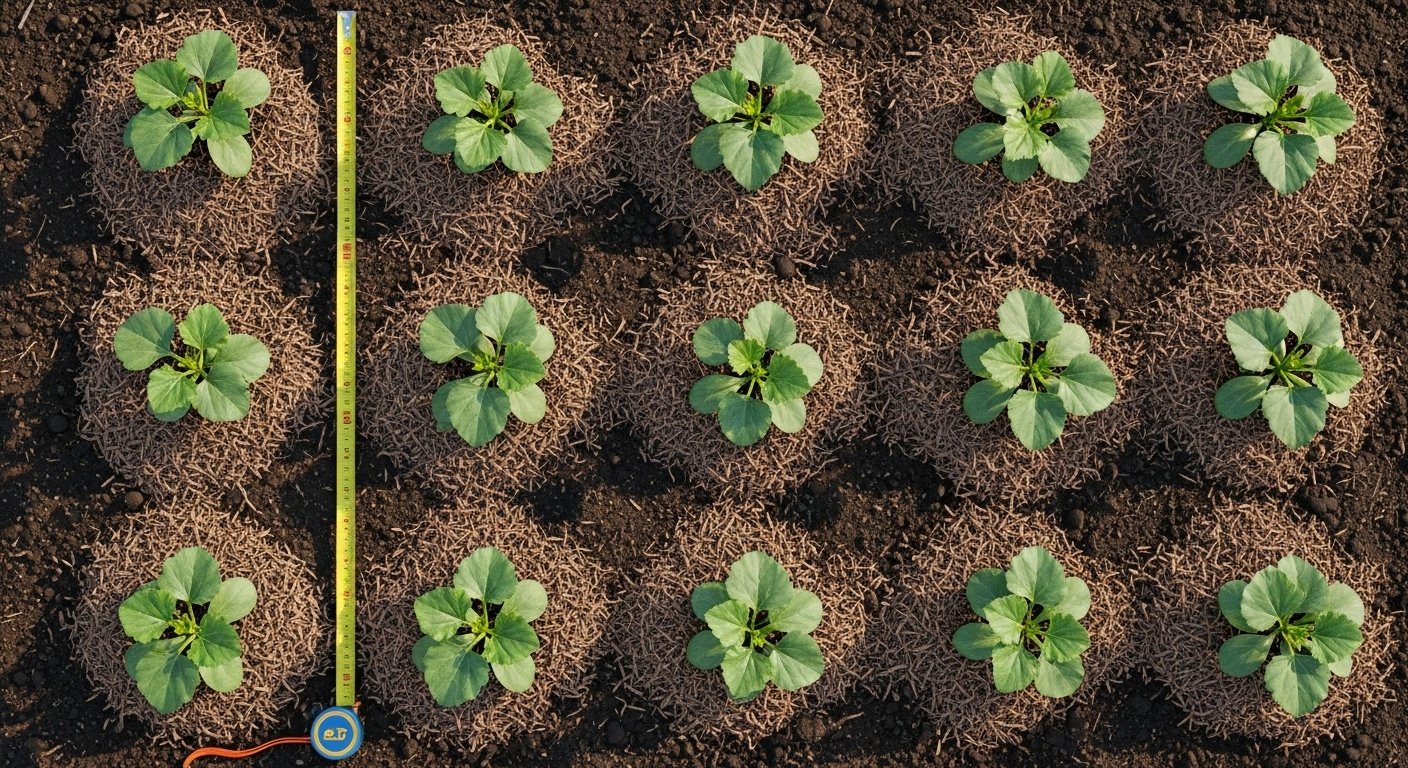
Growing zucchini successfully starts with choosing between direct seeding and transplanting seedlings. Both methods work well, but direct seeding is often the easiest—simply plant seeds about an inch deep in well-warmed soil, ideally a week or two after your last frost date. If you’re using seedlings, transplant them when they have two to three true leaves, being careful not to disturb the tender roots.
Proper spacing is key: zucchini plants need plenty of room to spread and breathe. A general rule is to plant seeds or seedlings 24–36 inches apart in rows about 3 feet apart; this boosts airflow, reduces disease risk, and helps each plant get enough sunlight.
To maximize yield throughout the growing season, try succession planting: sow a new batch of seeds every 2–3 weeks while the weather stays warm. This ensures a rolling harvest instead of having all your zucchini ready at once.
For smaller gardens or containers, choose bush varieties and stick to the same spacing recommendations, thinning seedlings early to prevent overcrowding. Remember to keep weeds in check and mulch around your plants—this conserves moisture and keeps foliage dry, further protecting against mildew.
Real gardeners know that planning and spacing make all the difference, so mark your rows clearly and resist the urge to tuck plants closer together. With these tips in mind, you’ll enjoy a steady supply of fresh zucchini all summer long.
Supporting, Watering, and Feeding Zucchini
Zucchini plants can either form bushy mounds or trail as vining varieties, so supporting them correctly helps boost yield and keeps fruit clean. Bush zucchini usually stand well on their own but benefit from a low stake or tomato cage to keep large leaves upright and fruits off the damp soil.
Vining types, more common in heirloom varieties, thrive when grown vertically on sturdy trellises, which saves garden space and improves air circulation—minimizing fungal issues.
Watering
Consistent moisture is the secret to happy zucchini. Aim for about 1 to 1.5 inches of water weekly, adjusting for rainfall and hot weather. Water early in the morning, directing the stream at the base of the plant to avoid wetting leaves—this reduces the risk of powdery mildew and other fungal diseases. A layer of mulch around the base will help retain moisture and control weeds.
Fertilizing
Fertilizing zucchini is straightforward: begin with a balanced, all-purpose fertilizer worked into the soil at planting time.
Once fruits set, side-dress every 3–4 weeks with a fertilizer higher in potassium and phosphorus to encourage steady production—look for numbers like 5-10-10 on the package. For a natural boost, feed your zucchini fish emulsion or compost tea every few weeks. Always water both before and after fertilizing to protect roots and prevent fertilizer burn.
By supporting your plants, watering them consistently at the soil level, and providing timely nutrients, you’ll keep your zucchini healthy and ensure a bumper crop all summer long.
Managing Pests and Diseases in Zucchini Plants
Zucchini plants tend to attract a few persistent pests, but with some proactive strategies, you can keep your crop healthy. Watch out for squash bugs—these flat, brown insects cluster on leaves and stems, sucking sap and causing wilting. To prevent them, check the undersides of leaves for tiny coppery eggs and squash or scrape them off before they hatch.
Vine borers are another threat; their larvae burrow into stems, causing plants to collapse. Protect your zucchini by wrapping stems near the soil with aluminum foil or floating row covers early in the season to block adult moths from laying eggs. Handpick visible pests in the morning and drop them into soapy water.
When it comes to diseases, powdery mildew appears as white, powdery spots on leaves and spreads quickly in humid conditions. Remove affected leaves promptly and avoid overhead watering, as wet foliage encourages mildew growth. Spraying plants with a homemade solution of one tablespoon of baking soda mixed with a gallon of water can help control the spread.
Mosaic virus, usually detected by mottled yellow and green patches and twisted leaves, is spread by aphids. Unfortunately, there’s no cure, so remove and destroy infected plants to prevent its spread.
As a safe, organic approach, introduce beneficial insects like ladybugs and lacewings to control aphids naturally. Neem oil and insecticidal soap are also effective against many pests and fungal issues and won’t harm pollinators if used according to label directions.
Crop rotation and good garden hygiene—like clearing away plant debris at the end of the season—are simple yet powerful ways to minimize pest and disease problems year after year. For home gardeners, a combination of vigilance, quick action, and organic remedies can keep zucchini plants thriving and productive.
Harvesting and Enjoying Your Zucchini
Knowing when to harvest zucchini can make all the difference in flavor and yield. For the best taste and texture, pick zucchinis when they are about 6 to 8 inches long—larger ones can become seedy and watery. Use a sharp knife or garden shears to cut the fruit cleanly from the stem, being careful not to damage the plant; leaving a short stem attached can help the zucchini stay fresh longer.
Harvesting every couple of days encourages the plant to keep producing, so check your plants often—zucchini can go from just right to oversized seemingly overnight! Don’t overlook the delicate zucchini blossoms either; these can be gently twisted or cut from the plant in the morning when they’re open. They’re delicious stuffed with goat cheese, battered and fried, or sliced into salads.
Homegrown zucchini is wonderfully versatile in the kitchen:
- Shred it into muffins or breads for moist results.
- Spiralize it for a low-carb pasta.
- Toss thick slices onto the grill with a brush of olive oil and fresh herbs.
By picking often and getting creative with both the fruits and blossoms, you’ll make the most of your zucchini harvest all summer long.
Conclusion
Growing your own zucchini is a rewarding experience that results in delicious harvests and a great sense of accomplishment. With just a bit of regular watering, sunlight, and occasional weeding, even beginners can enjoy bountiful crops all summer long. Don’t be afraid to give it a try—zucchini is surprisingly easy and forgiving, making it perfect for first-time gardeners.
If you have any questions or want to share your own zucchini-growing tips, we’d love to hear from you in the comments. Your stories and insights help everyone learn and grow together!