Understanding Zucchini and Its Growing Needs
Understanding zucchini growth stages is essential for any gardener aiming to cultivate healthy, productive plants from seed to harvest. Zucchini, a beloved member of the summer squash family, is a staple in home gardens worldwide for good reason: it’s fast-growing, highly productive, and incredibly versatile in the kitchen. Its mild flavor adapts to endless recipes, from sautéed slices to zoodles and even as a hidden veggie in baked treats. Yet, despite its popularity, many assume zucchini is virtually foolproof—just toss seeds in the ground and wait. In reality, nurturing robust zucchini requires more attention to detail, especially when it comes to supporting each growth stage.
One common misconception is that zucchini thrives in any spot with soil and sun, but ideal growing conditions can make or break your harvest. Zucchini prefers full sunlight, soaking up at least six to eight hours a day; insufficient light often leads to leggy plants and fewer fruits. The soil should be rich, well-draining, and amended with compost or organic matter to retain nutrients—a loamy texture is best. Spacing matters too: crowded plants can fall victim to mildew and pests. Reliable watering is another key—aim for even, deep irrigation at the base of the plant rather than overhead, to keep foliage dry and reduce disease risk. In hot climates, mulching helps conserve moisture and keep roots cool.
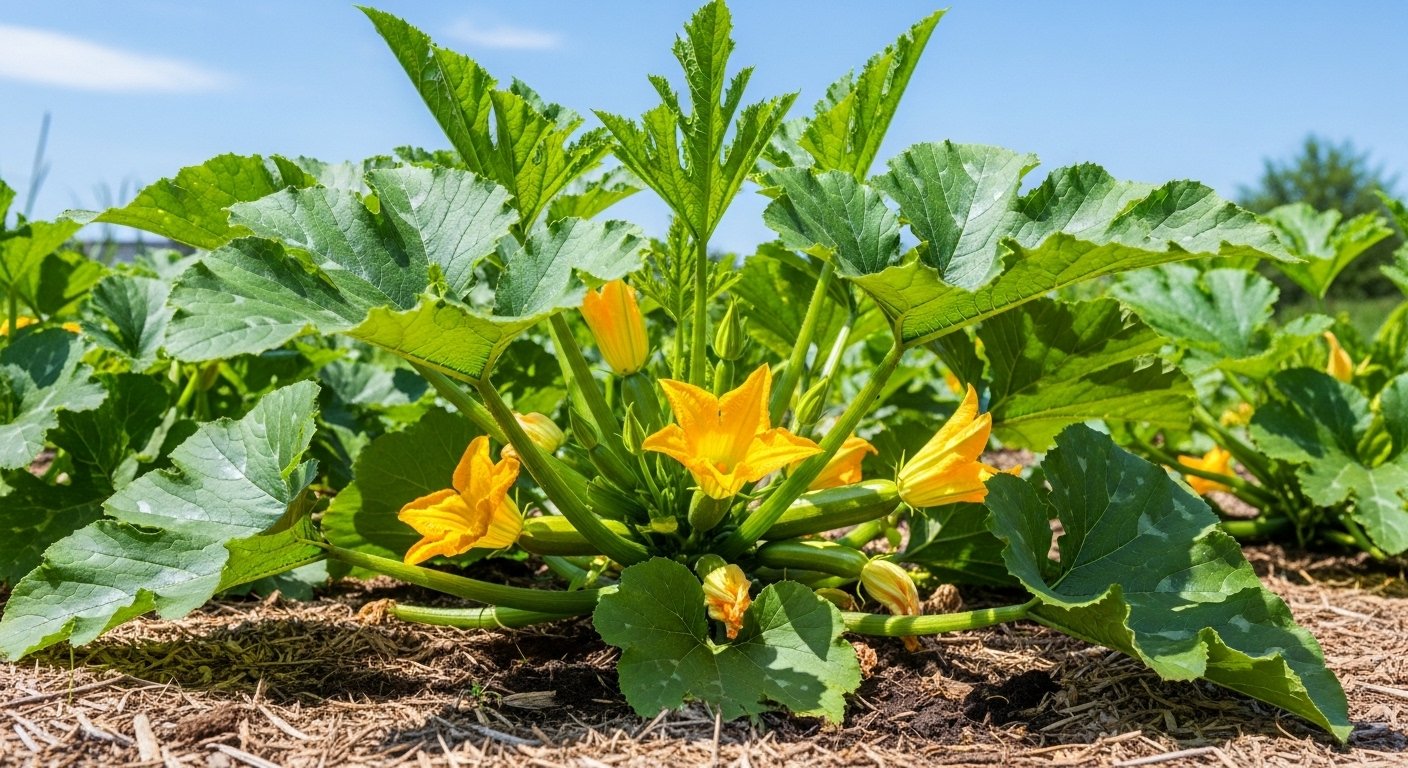
Appreciating zucchini’s growth stages—from tiny seed to vibrant green squash—means watching for quick germination, rapid leaf expansion, and the sudden burst of yellow blossoms signaling fruit on the way. This understanding helps you anticipate when to feed, water, and protect your plants for the biggest yields.
Homegrown zucchini isn’t just rewarding for its abundant harvests; it’s packed with nutritional benefits, boasting vitamin C, potassium, and fiber with few calories. Plus, nothing beats the flavor and texture of squash picked fresh from your backyard, still warm from the sun. Whether you’re grilling thick slices, tossing them into stir-fries, or baking chocolate-chip zucchini bread, you control exactly how your produce is grown—no mystery pesticides or flavorless, limp supermarket options here. Ultimately, mastering the zucchini growth stages gives you more than just a thriving garden; it brings healthy, delicious meals and a deeper connection to the food on your plate.
Getting Started: Selecting and Planting Zucchini Seeds
Choosing the right zucchini seeds is the first step toward a strong harvest. Look for reputable brands and check the packaging date to ensure freshness. Consider popular varieties like Black Beauty for classic flavor, Cocozelle for striped skin, or the compact Raven if you’re short on space.
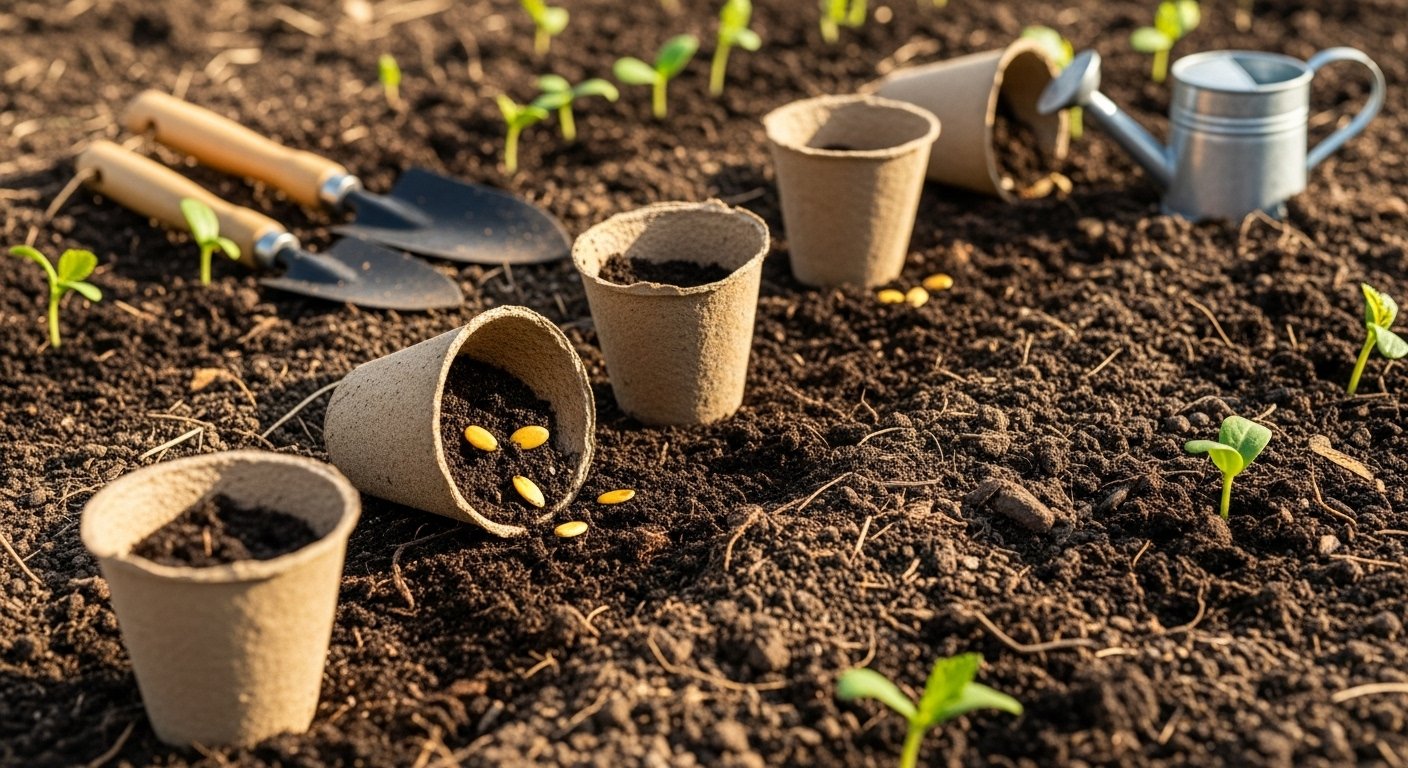
You can start zucchini seeds indoors 2–4 weeks before your last frost or sow them directly outdoors once the soil warms above 60°F—zucchini loves heat and sunlight. If starting indoors, use biodegradable pots so you can transplant seedlings without disturbing their roots.
For outdoor planting, sow seeds about an inch deep and space them 2–3 feet apart in rows or hills, as zucchini plants need room to spread. Good soil preparation is key:
- Work in compost or well-rotted manure to improve drainage and provide nutrients.
- If your garden soil is heavy clay, raise the beds or add sand for better aeration.
Fertilize lightly with a balanced starter fertilizer at planting, then side-dress with compost when the plants are about six inches tall. Water seedlings deeply once or twice a week, targeting the base rather than the leaves to prevent fungal issues. Mulch around young plants to retain moisture and minimize weeds.
By following these basics, you’ll set the stage for healthy plants that produce an abundance of tasty zucchinis throughout the season.
Essential Stages in the Zucchini Growth Cycle
Understanding the essential stages in the zucchini growth cycle helps gardeners nurture healthy, high-yield plants from start to finish. It all begins with sowing, where you plant zucchini seeds directly in well-draining soil once the risk of frost has passed. Choose a sunny spot, plant seeds about an inch deep, and keep the soil moist—not soggy—for optimal sprouting.
Within a week or so, germination kicks in; you’ll spot tiny green shoots breaking through the soil. At this phase, gentle watering and consistent moisture are vital—avoid heavy overhead watering to prevent damping-off disease and let the soil dry slightly between waterings.
Early Leaf Growth
Early leaf growth follows, marked by the appearance of the plant’s first true leaves, which are larger and have the classic zucchini leaf shape (unlike the rounded seed leaves). At this point, thin out crowded seedlings, leaving the healthiest plants with 2-3 feet of space around each. This ensures air circulation, reduces disease risk, and supports strong development.
Keep an eye out for early signs of pests like flea beetles, and consider using lightweight row covers if needed.
Vegetative Stage
As plants transition to the vegetative stage, zucchini start to fill out with more leaves and thicker stems. Expect rapid growth as long as they receive steady water—about an inch per week—and get generous sun.
The plant’s big, lobed leaves may shade neighboring crops, so situate zucchini away from sun-loving vegetables. Mulching around the base can help retain soil moisture and ward off weeds. It’s also a good time to side-dress with a balanced fertilizer to fuel vigorous leaf and stem production.
Flowering
Flowering signals that your zucchini plant is ready to reproduce; large, bright yellow blossoms appear, sometimes almost overnight. You’ll see a mix of male and female flowers—males show up first, females follow and have a tiny fruit at the base.
To support pollination, attract bees with companion plants like marigolds or basil. If pollinator numbers are low, gently transfer pollen between flowers with a soft paintbrush. Maintain consistent moisture, but avoid waterlogged soil to prevent flower drop and fruit rot. Remove any dead or diseased foliage to keep airflow high.
Fruiting
The fruiting stage shortly follows, as successful pollination of female flowers leads to the swelling of tiny zucchinis. Fruits develop quickly—it can take just a few days for small zucchinis to reach harvestable size.
Watch carefully and harvest early, ideally when zucchinis are 6-8 inches long; picking often encourages more fruit production. Use garden scissors to snip fruits and avoid damaging the plant.
Regular checks also help catch signs of pests like squash bugs and powdery mildew—act quickly if you spot issues, removing faulty leaves or using organic treatments.
Harvesting
The harvesting stage can last several weeks, as zucchini are prolific producers if picked consistently. Overripe zucchinis left on the vine become oversized, tough, and may sap energy from the plant, so frequent harvesting is key.
After the first frosts or when production slows, remove old plants and compost them, tidying the garden for the next season. With these clear stages and practical care tips, you’ll set your zucchini up for a bountiful, healthy harvest year after year.
Optimizing Growth: Soil, Spacing, and Companion Planting
Healthy zucchini plants start with the right soil—aim for a loamy texture that’s well-draining yet retains moisture, since soggy roots can lead to rot while bone-dry soil stresses the plants. A slightly acidic to neutral pH, around 6.0 to 7.0, is ideal, so consider testing your soil and adjusting with lime (to raise pH) or sulfur (to lower it) as needed. Work in compost or well-rotted manure before planting; these amendments boost organic matter, supply slow-release nutrients, and encourage beneficial microbes that help roots absorb nutrients. For container growers, choose a high-quality vegetable potting mix that drains well but doesn’t dry out too quickly.
Spacing for Healthy Growth
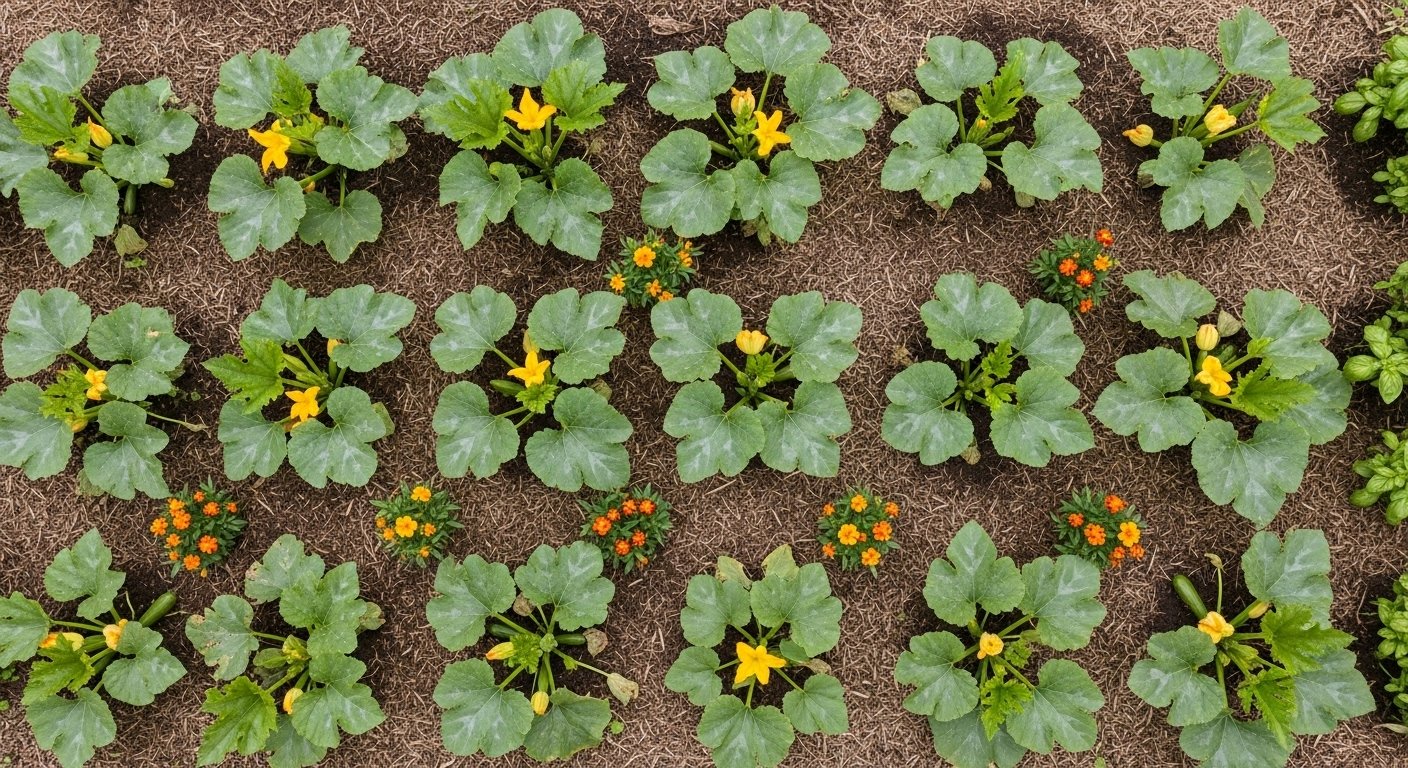
When it’s time to plant, proper spacing matters more than you might think. Place zucchini hills or plants about three feet apart—crowding leads to poor air circulation, which invites diseases like powdery mildew and can result in smaller yields. Wider spacing gives leaves room to breathe and sunlight to reach all sides, helping prevent fungal issues and making it easier to spot pests early. If you’re using raised beds, a grid layout can maximize space while still allowing two to three feet between each plant—just resist the urge to cram in extras, as overcrowding leads to more problems than it solves.
Companion Planting for Better Yields
Companion planting can further boost zucchini success. Beans and peas are excellent partners; as legumes, they fix nitrogen in the soil, feeding zucchini for lush, leafy growth. Nasturtiums and marigolds attract beneficial insects and deter common pests like aphids and squash bugs—plant them near your zucchini for natural pest control. Herbs like oregano and basil can also help repel pests while enhancing diversity. Avoid planting zucchini near potatoes, which compete for nutrients and can increase the risk of root diseases, and keep away from other vining squashes or pumpkins to minimize the spread of pests or diseases that target the same family.
Extending Your Harvest with Succession Planting and Crop Rotation
Extend your harvest and keep soil healthy with succession planting and crop rotation. Instead of sowing all your zucchini seeds at once, plant new seeds every two to three weeks for a longer season of tender fruits. Once you’ve finished growing zucchini, rotate the planting area each year—avoid placing squash-family crops in the same bed more than once every three years. This reduces soil-borne disease buildup and pest pressure while letting the soil recover. Add a different crop—like peas or beans—to that bed the next year to restore nutrients.
By focusing on soil quality, smart spacing, thoughtful companion choices, and rotating crops, you can set your zucchini up for a successful, bountiful season.
Caring for Zucchini Through the Season
Proper care throughout the growing season is essential for healthy, productive zucchini plants. Start by establishing a consistent watering routine—zucchini thrive on about one inch of water per week, best delivered in deep soakings rather than frequent, shallow sprinkles. Water early in the day and aim for the soil, not the leaves, to prevent fungal diseases.
Mulching around the base of your plants with straw or wood chips helps lock in soil moisture, keeps weeds down, and maintains a more stable soil temperature. Since zucchini are heavy feeders, side-dress with compost or apply a balanced fertilizer every few weeks, especially once flowering begins.
Watch for yellowing leaves, which can signal a nitrogen deficiency; pale or stunted growth may indicate a lack of other nutrients or overwatering, which suffocates roots and encourages root rot. Supporting your zucchini can also make a big difference—bush varieties usually don’t need support, but vining types benefit from staking or a sturdy trellis to maximize airflow and reduce disease risk.
Regularly inspect the undersides of leaves for common threats like squash bugs, powdery mildew, and cucumber beetles. At the first sign of pests, remove them by hand or use an organic spray such as neem oil, and keep your garden tidy to deter disease. Practice crop rotation and remove overly wet or diseased foliage to keep plants strong.
By staying attentive and responding quickly, you’ll give your zucchini the best chance to grow vigorously and avoid most seasonal pitfalls.
Harvesting and Using Your Zucchini
Knowing when to pick your zucchini is key to getting the best flavor and texture—most varieties are at their peak when they’re four to eight inches long, with glossy skin and a firm feel. If you let them grow too large, they often become seedy and watery, so check your plants daily during peak season.
To harvest, use sharp garden scissors or a knife to snip the stem about an inch above the squash, being gentle to avoid damaging the vine; twisting or tearing can harm the plant and slow future growth.
Once harvested, keep zucchini unwashed in the fridge’s crisper drawer, ideally wrapped in a paper towel inside a perforated bag—this helps it last up to a week. For longer storage, blanch sliced zucchini in boiling water for two to three minutes, cool quickly in ice water, pat dry, then freeze in single layers on a tray before transferring to an airtight bag.
Pickling is another fantastic preservation method: slice your zucchini, pack it with fresh herbs and spices, pour over a hot vinegar brine, and refrigerate for tangy, crisp results.
Creative Ways to Use a Bumper Crop
- Grate zucchini into muffins and quick breads for added moisture.
- Spiralize for a low-carb pasta substitute.
- Sauté with olive oil and garlic as a simple side.
- Sneak finely chopped zucchini into chili or frittatas.
It’s a versatile vegetable that blends seamlessly into sweet or savory dishes, helping you make the most of every harvest.
Answers to Common Questions About Zucchini Growing
If your zucchini plants are flowering but not producing fruit, don’t worry—it’s a common issue usually caused by poor pollination. Zucchini have both male and female flowers, and if bees or insects aren’t transferring pollen, the fruit won’t set. Try hand-pollinating by gently brushing the inside of a male flower (which has a thin stem) and then touching a female flower (which has a tiny, swollen fruit behind the blossom).
Stunted growth is another frustration, often linked to overcrowding, lack of sunlight, or poor soil. Make sure each plant has plenty of room—at least two feet apart—and gets at least six hours of direct sunlight per day. Amending your garden bed with rich compost also helps boost growth.
Powdery mildew, recognizable by a white powdery coating on leaves, thrives in humid conditions. To combat this, water your zucchini at the base (not overhead), space plants to encourage airflow, and remove severely affected leaves. Neem oil or a baking soda spray (1 tablespoon baking soda in 1 gallon of water) is a gentle organic fix if the issue persists.
Blossom-end rot, where the end of the fruit turns brown and mushy, usually means your plant isn’t getting enough calcium or the soil is too dry. Keep watering steady—zucchinis like consistent moisture—and add some crushed eggshells or a sprinkle of garden lime when you plant.
Remember, gardening success rarely happens all at once. Even experienced gardeners face setbacks, but with a few tweaks, you’ll be harvesting plenty in no time.
For more in-depth troubleshooting, local extension offices and trusted gardening websites like The Old Farmer’s Almanac and the Cooperative Extension Service offer excellent region-specific advice. Don’t hesitate to reach out or join online gardening communities for support and tips tailored to your area.