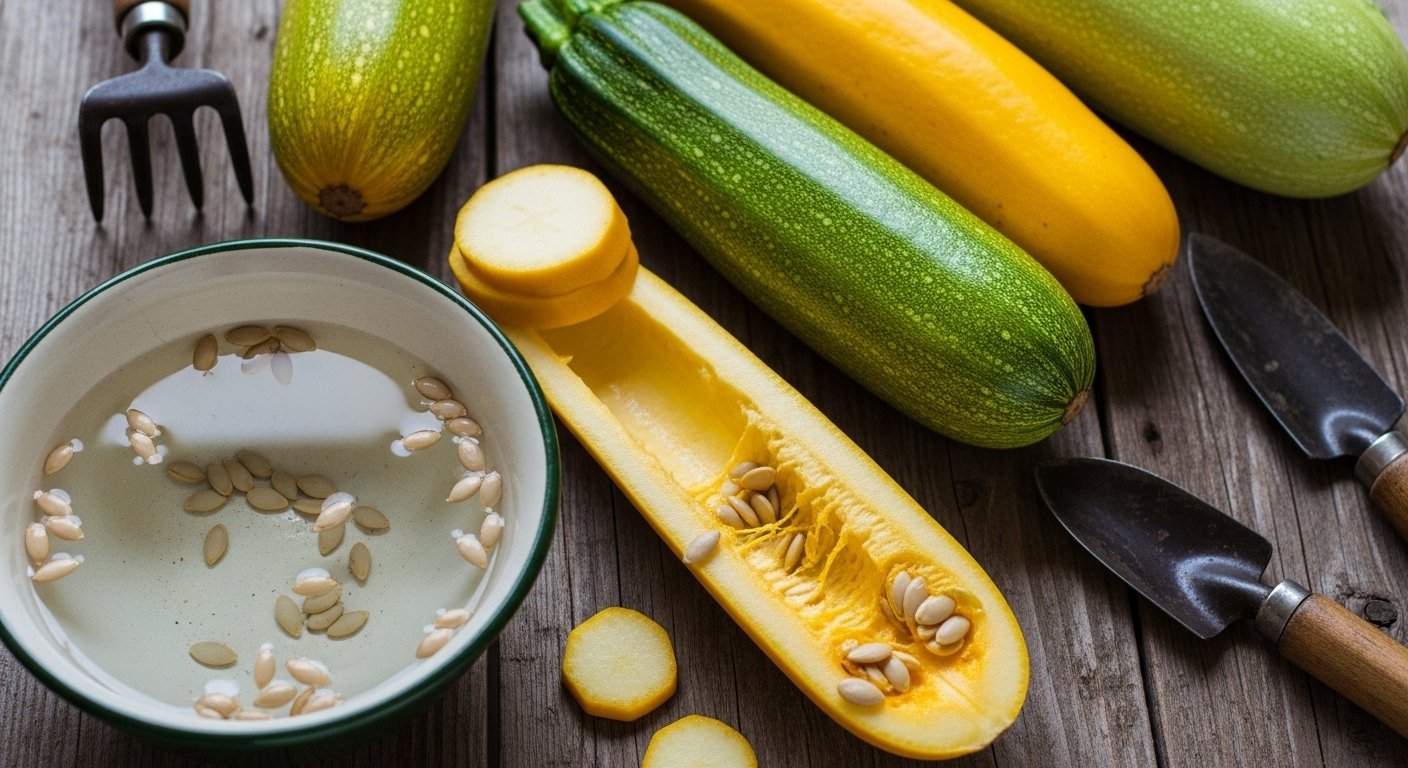
Introduction to Harvesting Zucchini Seeds
Saving zucchini seeds isn’t just a thrifty move—it’s a savvy gardening strategy that empowers you to grow your favorite varieties year after year, share with friends, and preserve heirloom lines. Many home gardeners discover that harvesting seeds from their healthiest zucchini plants pays off in more ways than one. Not only do you avoid buying new seed packets every spring, but you also gain control over your crops’ traits, ensuring robust plants that thrive in your unique garden environment.
Zucchini follows an annual life cycle: seeds sprout in the spring, grow into sprawling vines during the summer, and finally set fruit that matures throughout the season. As zucchinis ripen, their seeds undergo a transformation—from soft and pale to hard and mature, ready for collection. But knowing exactly when and how to save them makes all the difference between a flourishing patch next year and seeds that won’t sprout.
In this post, you’ll learn the practical steps of saving zucchini seeds, from choosing the right fruit to fermentation and drying. We’ll also share must-know tips for success—like preventing accidental cross-pollination with other squashes—and highlight common pitfalls, such as harvesting too early or skipping proper cleaning. Whether you’re a new gardener curious about seed-saving or an experienced grower aiming to fine-tune your process, you’ll find clear guidance here to help you reap the full rewards of your zucchini patch.
When and How to Select the Right Zucchini for Seeds
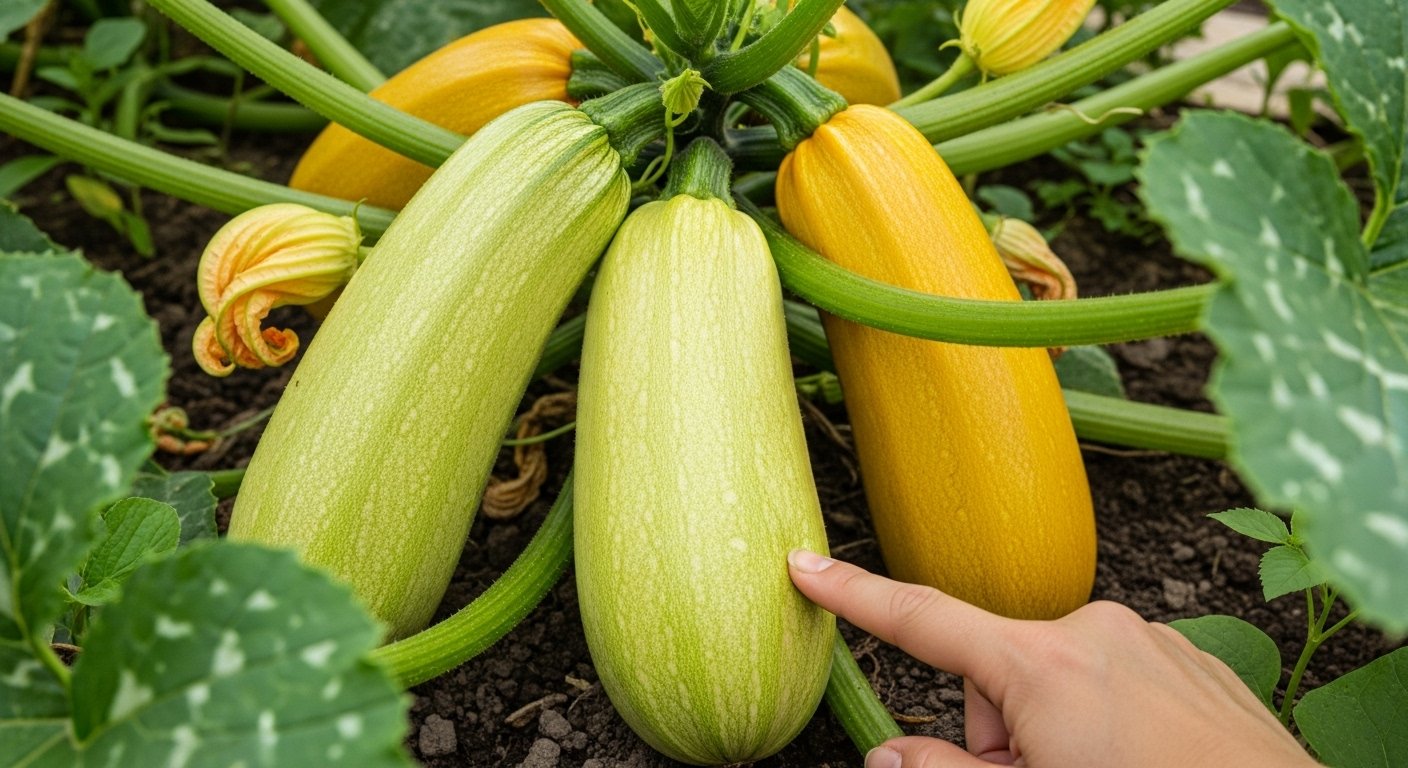
Selecting the right zucchini for seed collection is crucial if you want strong, productive plants next season. Always choose fruits that are fully mature and in excellent health—immature or diseased zucchinis can lead to weak seeds and disappointing future harvests.
Mature zucchini will be much larger and thicker-skinned than the tender fruits we typically eat. Instead of soft, glossy skin, look for a hard, matte exterior that resists pressure when pressed with your thumbnail. Often, the skin changes from deep green to a pale yellowish or even slightly orange hue as the fruit matures. This is a natural part of the ripening process—don’t worry if the zucchini appears oversized or a bit tough, as these are ideal qualities for seed saving.
Make sure to avoid zucchinis with visible blemishes, shriveled spots, or signs of rot, as these can transmit diseases to your next crop.
Choosing the Right Variety
For the best results and to ensure your seeds grow true-to-type, stick with open-pollinated or heirloom varieties rather than hybrids. Hybrids typically won’t produce fruits identical to the parent plant, so sourcing seeds from traditional varieties helps keep your future zucchini consistent in taste, texture, and growth habit. If you’re not sure which zucchini in your garden is open-pollinated, check the seed packet label or ask your local nursery.
Patience Pays Off
Let a few healthy fruits mature fully on the vine, even if they become too big for the kitchen. This patience will reward you with a reliable source of seeds ready for next season’s planting.
Step-by-Step Guide: Harvesting Zucchini Seeds
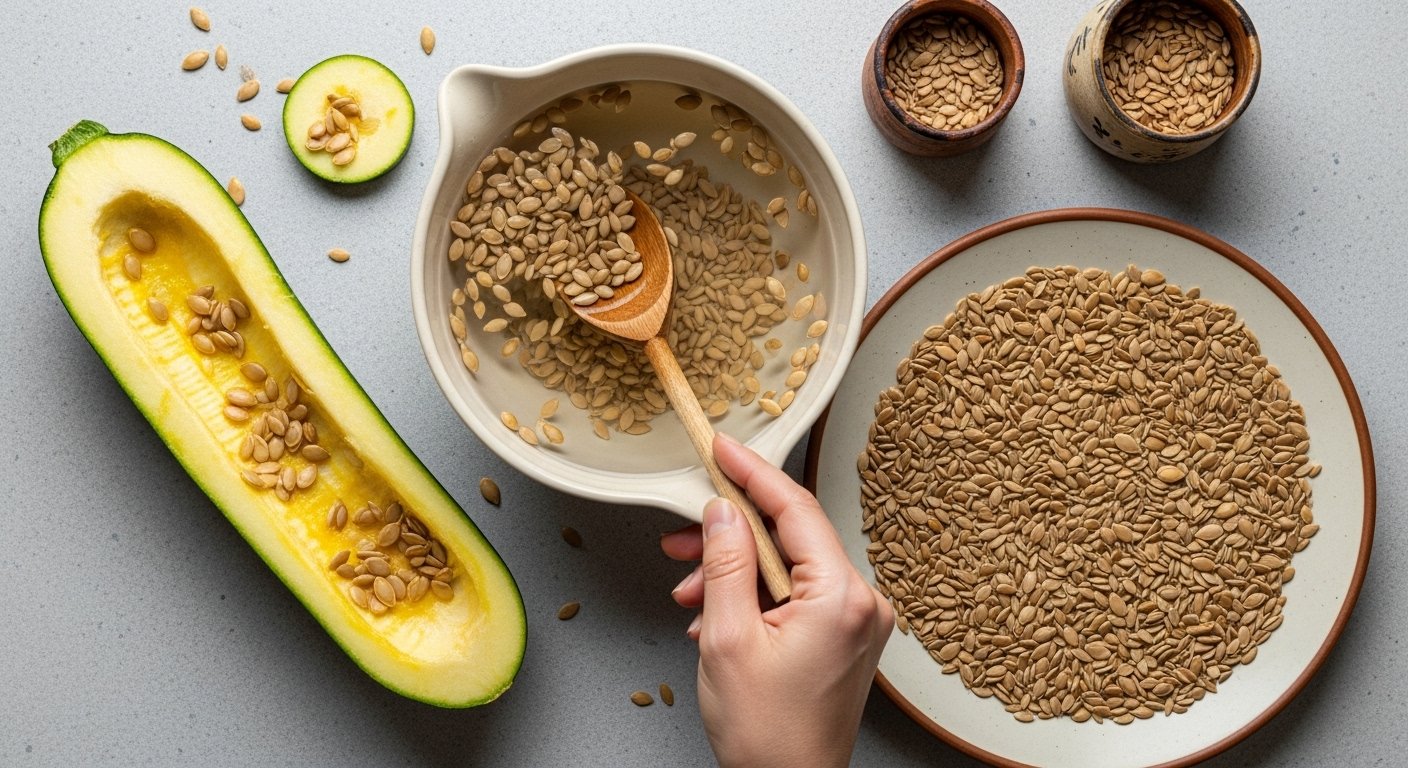
Harvesting zucchini seeds is a rewarding process that makes your gardening efforts more sustainable. With a few straightforward steps, you can ensure a successful seed harvest for next season.
Start by leaving a healthy, disease-free zucchini on the vine much longer than you would for eating. It should grow large, develop a hard skin, and begin to yellow. This signals that the seeds inside are mature.
Once picked, cut the zucchini lengthwise and scoop out the pulp with the seeds. Place the pulp and seeds in a bowl of water and gently squeeze or rub the pulp to separate the seeds. Viable seeds generally sink, while empty hulls float and can be discarded.
Fermentation Process
For better germination rates and to avoid disease, ferment the seeds by leaving them covered with a little water in a bowl at room temperature for two or three days, stirring daily. This helps break down the gel coating around each seed, which inhibits germination and can carry disease. However, don’t let the fermentation extend too long, as prolonged fermentation promotes mold that can damage the seeds. Once you notice a slight film and a mild smell, the seeds are ready.
Rinse the seeds well with clean water and spread them out in a single layer on a non-stick surface like a ceramic plate or wax paper. Place them in a cool, dry spot out of direct sunlight. Stir the seeds occasionally as they dry; this usually takes about one week.
Storage and Common Mistakes
To maximize germination, make sure the seeds are completely dry before storing them in a labeled envelope or a glass jar with a silica packet. Keep them in a cool, dark spot. A simple way to test dryness is to try snapping a seed in half—if it breaks cleanly, it’s ready for storage.
Common mistakes include harvesting seeds from immature fruits, skipping the fermentation process (especially if the fruits are very pulpy), or storing seeds before they’re fully dry. These errors can lead to poor germination or mold issues.
With these tips, you can confidently save vigorous, healthy zucchini seeds that will thrive in your next growing season.
How to Store and Test Zucchini Seeds for Viability
Storing zucchini seeds properly is key to keeping them viable for next season’s planting. Start by choosing airtight containers, such as glass jars with tight-fitting lids, resealable plastic bags, or dedicated seed envelopes. Whatever you pick, make sure it guards against moisture.
Store these containers in a cool, dry, and dark place like a basement shelf, closet, or a drawer. Avoid places that experience big temperature swings or humidity, as both can shorten a seed’s shelf life.
Before tucking them away, always label each container with the seed type and collection date. Consider organizing your seeds in a small box or filing system so you can quickly grab what you need and keep older seeds at the front to use first.
How to Test Zucchini Seed Viability
To check if your zucchini seeds are still good before planting, try a simple germination test:
- Place about ten seeds on a damp paper towel.
- Fold it up and seal it inside a plastic bag.
- Leave it in a warm spot (around 70°F/21°C) for a week.
- Check how many seeds sprout.
If 7 out of 10 have tiny roots, you have a 70% viability rate. Plant extra seeds if the percentage is lower.
Regularly testing and rotating your stored seeds keeps your garden productive and saves you the disappointment of poor germination come spring.
Common Issues and Troubleshooting Tips
When growing plants from seeds, gardeners often face a few recurring challenges like cross-pollination, mold, and poor germination.
Cross-pollination can lead to unpredictable results, especially with vegetables like squash or peppers, so it’s a good idea to plant different varieties at a distance or use row covers during flowering.
Mold is another common issue, especially in humid or rainy climates. To prevent this, make sure your seeds are started in well-drained soil, avoid overwatering, and provide good airflow around seedlings—using a small fan indoors can help.
If your seeds aren’t sprouting well, check their age (old seeds lose viability) and follow the recommended planting depth and temperature on the packet. Sometimes, a simple overnight soak can jump-start stubborn seeds.
Local climate challenges, such as late frosts or unusually hot weather, can also affect germination and growth. Seed starting indoors or using cold frames extends your growing season and protects vulnerable sprouts from harsh weather.
For pest problems, such as aphids or cutworms, try introducing beneficial insects like ladybugs or using row covers for physical protection.
Always keep an eye out for trouble spots and react quickly—healthy, well-spaced plants in clean soil are your best defense against both pests and disease. Proactive care and a few small adjustments to your technique can make a big difference in overcoming these common gardening hurdles.
FAQs About Zucchini Seed Harvesting
Many beginner gardeners wonder when the best time is to sow harvested zucchini seeds. The ideal time is spring, after the last risk of frost has passed and soil temperatures consistently reach around 60°F (16°C). Plant the seeds about 1 inch deep in well-draining soil, keeping them moist but not soggy.
Regarding seed longevity, zucchini seeds can remain viable for up to 3–5 years if stored properly. To maximize shelf life, store your seeds in a cool, dry place, such as a tightly sealed jar in the refrigerator. Be sure to label seeds with harvest dates so you can track their viability over time.
Common Issues with Zucchini Seed Harvesting
One common mistake is premature seed collection. If you harvest seeds from a fruit that isn’t fully mature, they’re less likely to sprout well. Wait until zucchinis are oversized and starting to turn yellow or orange before collecting seeds. Then, rinse and dry them thoroughly before storage.
Also, seeds saved from store-bought or hybrid zucchinis may not grow true to type, meaning the resulting plants could be different from the parent. For the best results, save seeds from open-pollinated or heirloom varieties.
Troubleshooting and Advanced Tips
If you notice poor germination, soaking your seeds in warm water for a few hours before planting can help. For those interested in diving deeper into seed saving, the Seed Savers Exchange and local extension offices are excellent resources to learn advanced techniques like fermenting seeds or avoiding cross-pollination.
Books such as The Complete Guide to Saving Seeds also offer detailed advice for enthusiasts ready to take their skills to the next level.
Conclusion & Next Steps
Harvesting your own seeds is a rewarding and practical step for any gardener, regardless of experience level. Not only does it save money and promote sustainability, but it also helps you preserve your favorite plant varieties season after season.
Remember to select healthy plants, allow seeds to fully mature, and store them in a cool, dry place for the best results. Once you’ve built up a collection, you can experiment by growing plants from your saved seeds next year or even swap them with friends to try entirely new varieties you haven’t grown before.
It’s a simple habit that opens up a world of gardening possibilities. Are you already saving seeds, or thinking about starting? Share your experiences in the comments below, and feel free to ask any questions—we’d love to hear about your favorite plants and seed-saving successes!