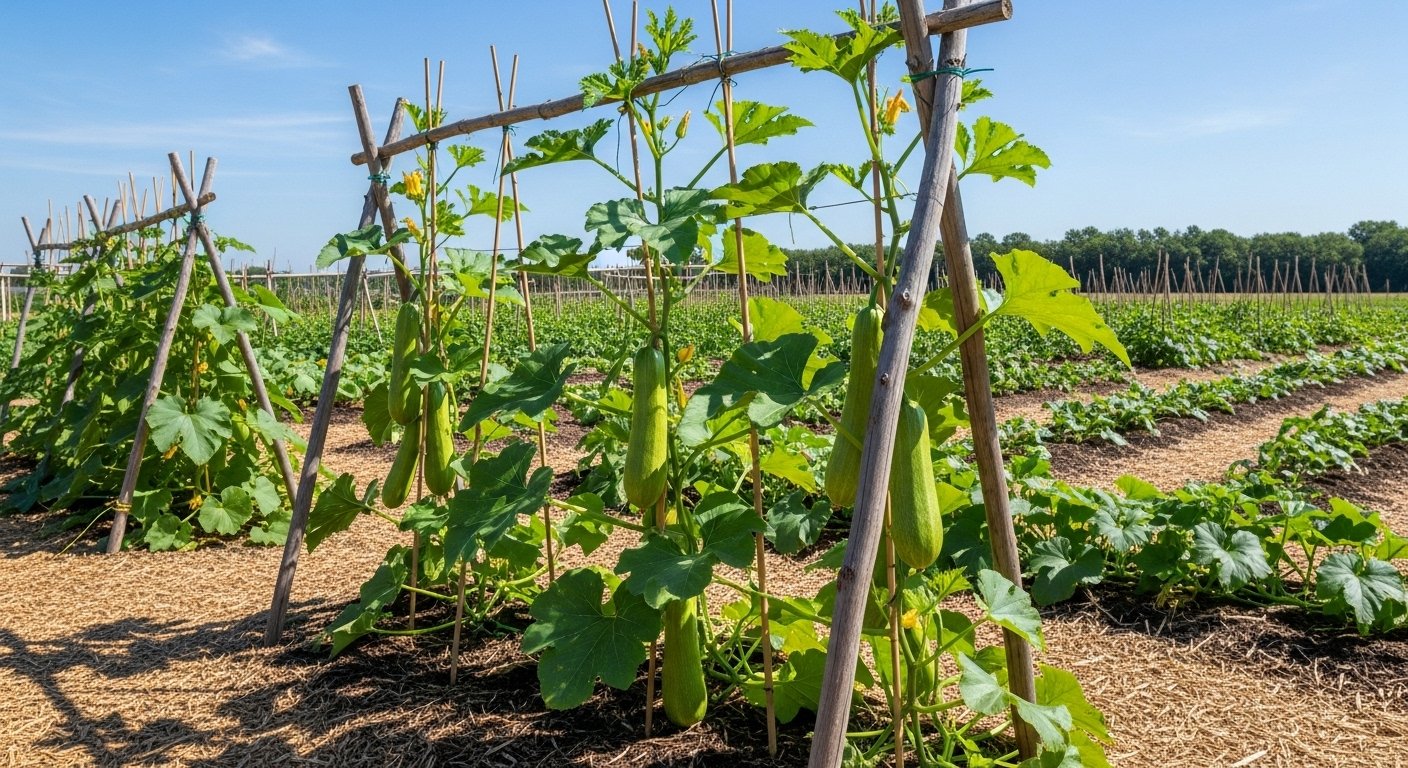
Why Grow Zucchini Vertically?
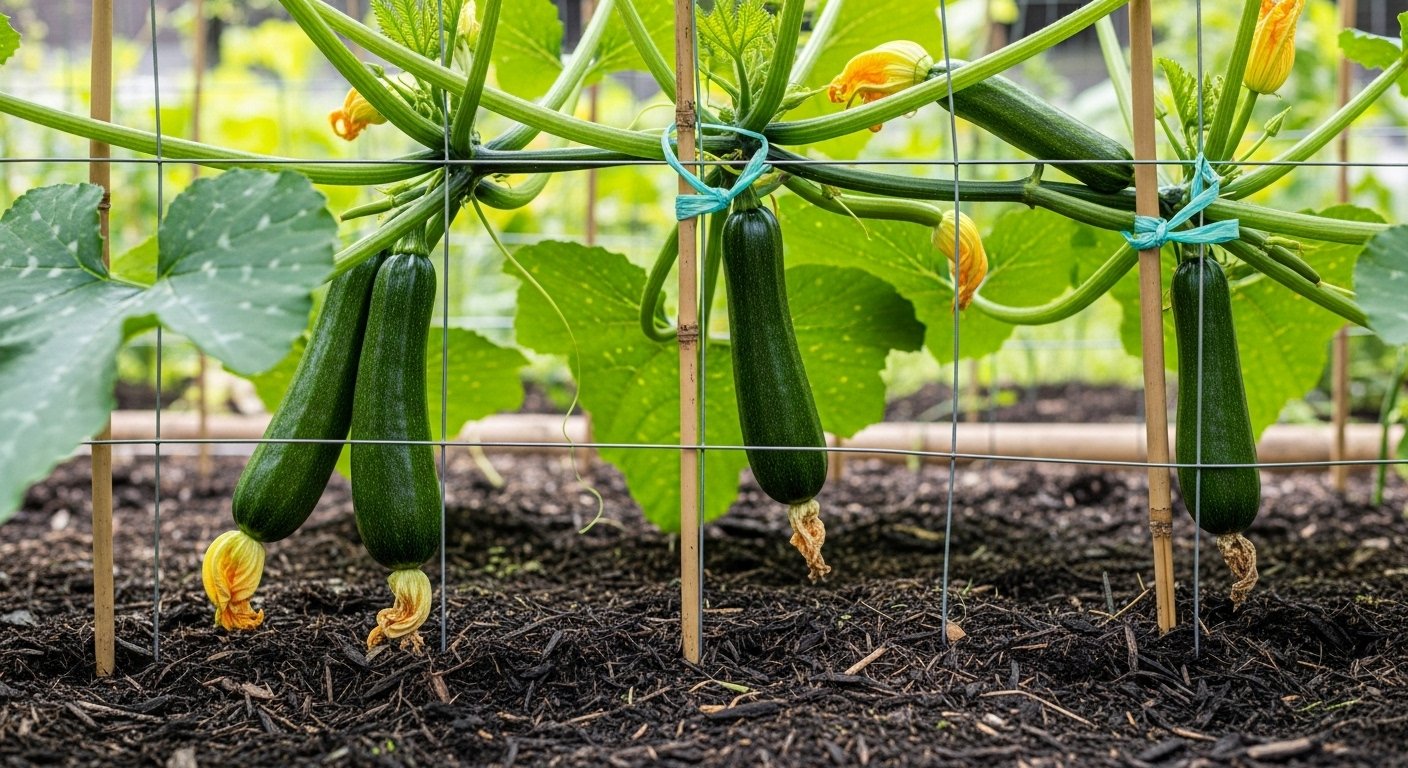
If you’ve ever grown zucchini, you know that supporting the fruits isn’t just a nice extra—it’s essential, especially when you’re short on space or tired of seeing your prized squash rot on damp soil. Growing zucchinis vertically offers a game-changing solution, particularly for those with small gardens, balconies, or raised beds.
By training the plants upward using simple trellises, cages, or sturdy stakes, you not only save precious ground space but also greatly reduce the risk of fungal diseases that thrive in the tangled, crowded leaves of traditional sprawling zucchini.
Your harvest becomes easier, too: no more hunting through scratchy foliage for hidden fruits or accidentally stepping on baby zucchinis. Vertical supports keep the fruits clean and off the ground, protecting them from pests and rot.
For urban gardeners or anyone with limited space, this can make the difference between a productive patch and a tangled mess that takes over your tomatoes and herbs. Traditional zucchini plants can quickly sprawl over several feet, crowding out nearby crops and making maintenance a headache.
With a little planning and the right support for zucchini fruits, you’ll enjoy healthier plants, bigger yields, and a more beautiful, manageable garden. Whether your goal is to maximize a tiny raised bed or make harvesting easier for busy families, vertical gardening brings both practical and aesthetic benefits to your zucchini patch.
Choosing the Right Zucchini Variety
When it comes to growing zucchini, choosing the right variety makes all the difference—especially if you’re short on space or want to try vertical gardening. Zucchini plants generally fall into two main categories: bush and vining types.
Bush varieties, like Black Beauty or Raven, tend to grow in compact mounds. They’re perfect for raised beds or containers but aren’t naturally suited for climbing. On the other hand, vining zucchinis, including varieties like Tromboncino and Italian Romanesco, develop long, trailing stems that can easily be trained up trellises or stakes.
Vining types are ideal for saving ground space and improving air circulation, which helps prevent powdery mildew. If you’re looking to grow vertically, choose cultivars such as Tromboncino—a favorite among gardeners for its vigorous vine, tender fruit, and adaptability to upright supports.
Another excellent option is Climbing Zucchini, sometimes marketed under names like Zucca Rampicante. It offers elongated, mild-flavored fruits and has a natural tendency to climb when provided with a sturdy trellis or fence.
For the best results:
- Install your support system early.
- Gently guide the vines as they grow using soft ties to avoid damaging the stems.
Remember, bush types can be encouraged upward with cages or stakes, but true vining varieties will give you the highest yield and the most manageable plants when grown vertically. Starting with the right type not only maximizes your harvest but also keeps your garden tidy and easier to manage throughout the season.
Setting Up Vertical Supports and Trellising Options
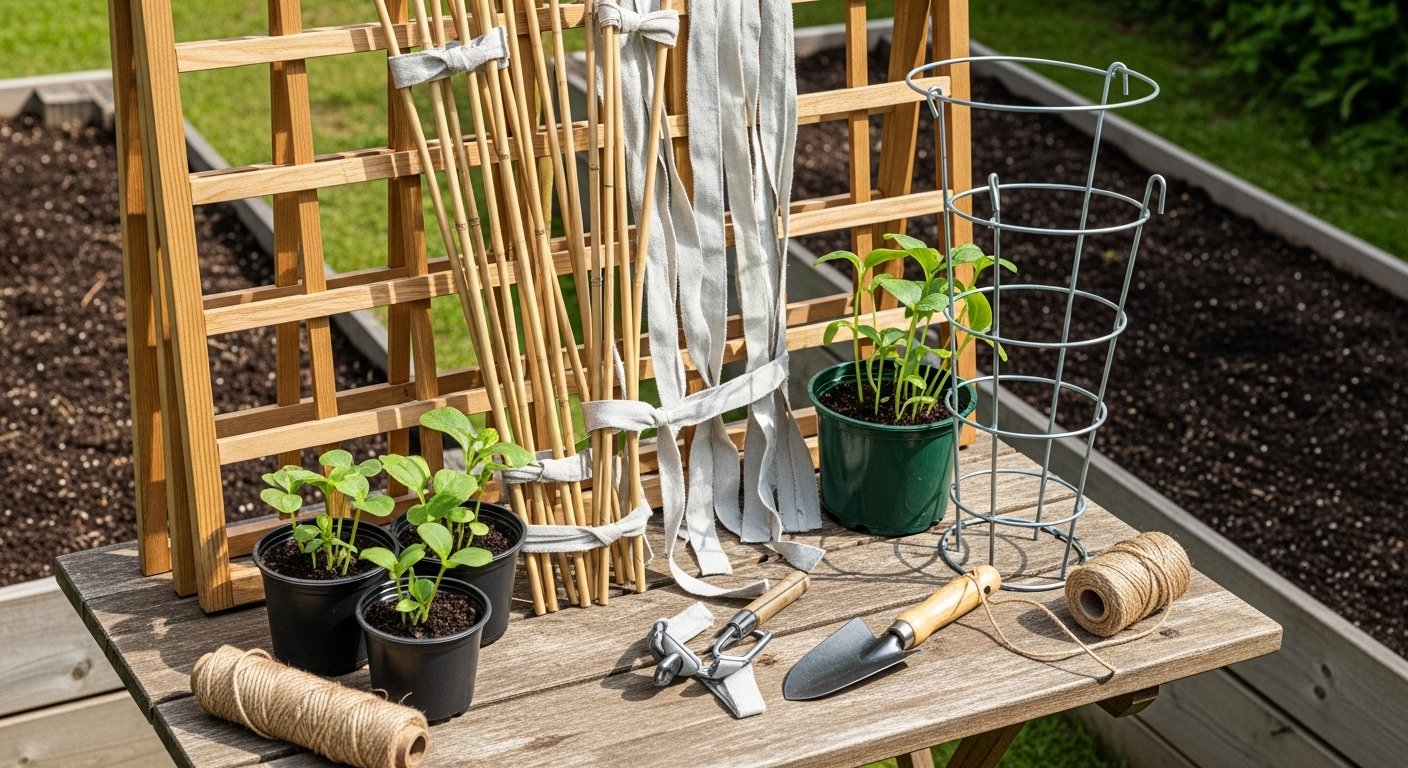
When it comes to supporting climbing plants like tomatoes, cucumbers, or beans, you have a range of options—each suited to different setups and garden sizes.
Classic trellises, made of wood or metal, are sturdy and ideal for large raised beds or garden plots, providing ample space for vines to climb and air to circulate. Tomato cages offer an easy, ready-made solution for individual plants, fitting well into containers or compact raised beds. Bamboo stakes are a budget-friendly and versatile choice; you can sink one stake per plant and tie stems loosely as they grow, or create a teepee shape for peas and pole beans.
For small spaces like balconies, consider wall-mounted grid trellises, or repurpose household items such as old ladders or wire shelving for a DIY vertical garden.
No matter which support you choose, install them at planting time or just before. This gives young roots time to settle without disturbance and is much less disruptive than adding supports to established plants. To install, press the stake or cage at least 8–12 inches into the soil for stability. For trellises, anchor both ends firmly and check that they can withstand wind.
As plants grow, use soft ties—like strips of old t-shirts or commercial plant tape—to gently secure stems to the structure. Avoid tying too tightly since stems expand and need room to move without being pinched. Train vines gently along upward or outward paths, checking weekly to add new ties as growth accelerates.
These simple strategies help prevent stem breakage, ensure good air circulation, and make harvesting much easier—all keys to a healthier, more productive garden, no matter your available space.
Planting and Caring for Vertical Zucchini
Vertical zucchini planting is a smart way to maximize small garden spaces and encourage healthy yields, but it takes a little planning to get it right. Start by choosing a sunny spot with well-draining, fertile soil—work in compost or aged manure to boost nutrients.
Install sturdy stakes, a trellis, or a vertical frame before sowing seeds or transplanting young zucchini so you don’t disturb roots later. Plant seeds or seedlings about 18–24 inches apart to give vines room to climb; tight spacing may lead to disease and poor air circulation.
Keep soil consistently moist but not soggy by watering at the base early in the day, avoiding wetting the leaves, which helps prevent mildew. Feed your zucchini every few weeks with a balanced, vegetable-friendly fertilizer—a liquid or granular type both work well.
Adding a two-inch mulch layer of straw or shredded leaves around the base conserves moisture, discourages weeds, and keeps the soil cool during hot spells.
As your zucchini vines grow, gently tie them to your chosen support with soft plant ties or strips of old fabric, spacing ties every 8–10 inches to hold each main stem securely without damaging it. Check vines weekly—redirect wandering shoots and prune any damaged leaves to keep plants tidy and sunlight accessible.
With regular care and guidance, your vertical zucchini will flourish, saving garden space and making harvests much easier since fruits are easier to spot and pick.
Pollination, Flowers, and Fruit Set
Zucchini plants produce both male and female flowers, each playing a distinct role in pollination and fruit set. Male flowers, which typically appear first, provide pollen, while female flowers—identified by a small swelling at the base—develop into fruit once pollinated.
For successful zucchini harvests, pollen from male flowers must be transferred to female flowers, often by bees or other pollinators. When you grow zucchini vertically, flowers can be more exposed and easier for pollinators to spot, but sometimes flowers might grow close to supports or get missed if pollinator activity is low.
In such cases, hand-pollination comes to the rescue: just pick a freshly opened male flower, remove the petals, and gently brush the pollen onto the stigma in the center of a female flower, or use a small paintbrush for precision.
If you notice poor fruit set or frequent blossom drop, possible causes include insufficient pollination, temperature extremes, or plant stress from inconsistent watering. Make sure your plants get plenty of morning sun and keep the soil evenly moist. Also, avoid excessive fertilizer that promotes leafy growth at the expense of flowers.
Removing spent or crowded flowers can encourage new blooms and improve airflow, reducing the risk of fungal diseases. With a bit of attention to flower roles and some simple, hands-on techniques, you can enjoy a productive and healthy zucchini crop—even when growing vertically in a small garden space.
Common Problems and How to Solve Them
Growing healthy plants often comes with a few common challenges, but most issues can be managed with prompt attention.
If your plants are falling over or have weak stems, they might need extra support, especially when they start bearing heavy fruits like tomatoes or cucumbers. Simple solutions include using stakes, cages, or trellises to help keep plants upright and reduce stress on the stems.
Overcrowding is another frequent problem. When plants are too close together, they compete for sunlight and nutrients, making them more susceptible to diseases and pests. Thin out seedlings early and follow proper spacing guidelines to improve air circulation.
Powdery mildew, a common fungal disease, appears as white spots on leaves and spreads quickly in humid conditions. To prevent it, water at the base of the plant rather than overhead, and remove affected leaves promptly.
For effective pest management, regularly inspect your garden for chewed leaves or insects. Pick off pests by hand, use insecticidal soap, or introduce beneficial insects like ladybugs.
The key to dealing with these issues is regular monitoring—walk through your garden daily to spot early signs of trouble. Timely intervention is crucial; acting quickly on small problems prevents them from becoming major setbacks, so your plants stay healthy and productive all season long.
Harvesting and Maximizing Your Space
Recognizing the perfect time to harvest zucchini is key to enjoying its best flavor and getting the most from your plants. Pick zucchini when they’re about six to eight inches long—at this size, the skin is tender and the seeds are small, resulting in sweeter, tastier veggies. If left on the vine too long, zucchini can become tough and seedy.
To avoid a glut of zucchini and maximize your garden space, try succession planting by sowing new seeds every couple of weeks during the growing season. This keeps your harvests steady rather than overwhelming. Pair zucchini with companion plants like beans or nasturtiums, which help deter pests and optimize your garden bed.
Once harvested, use zucchini in a variety of ways:
- Grill it
- Shred into salads
- Bake into muffins or fritters
- Freeze grated zucchini for winter recipes
Finally, keep picking zucchinis regularly, ideally every couple of days. Frequent harvesting not only gives you the best-tasting vegetables but also encourages your plants to produce more, leading to a longer and more productive season.