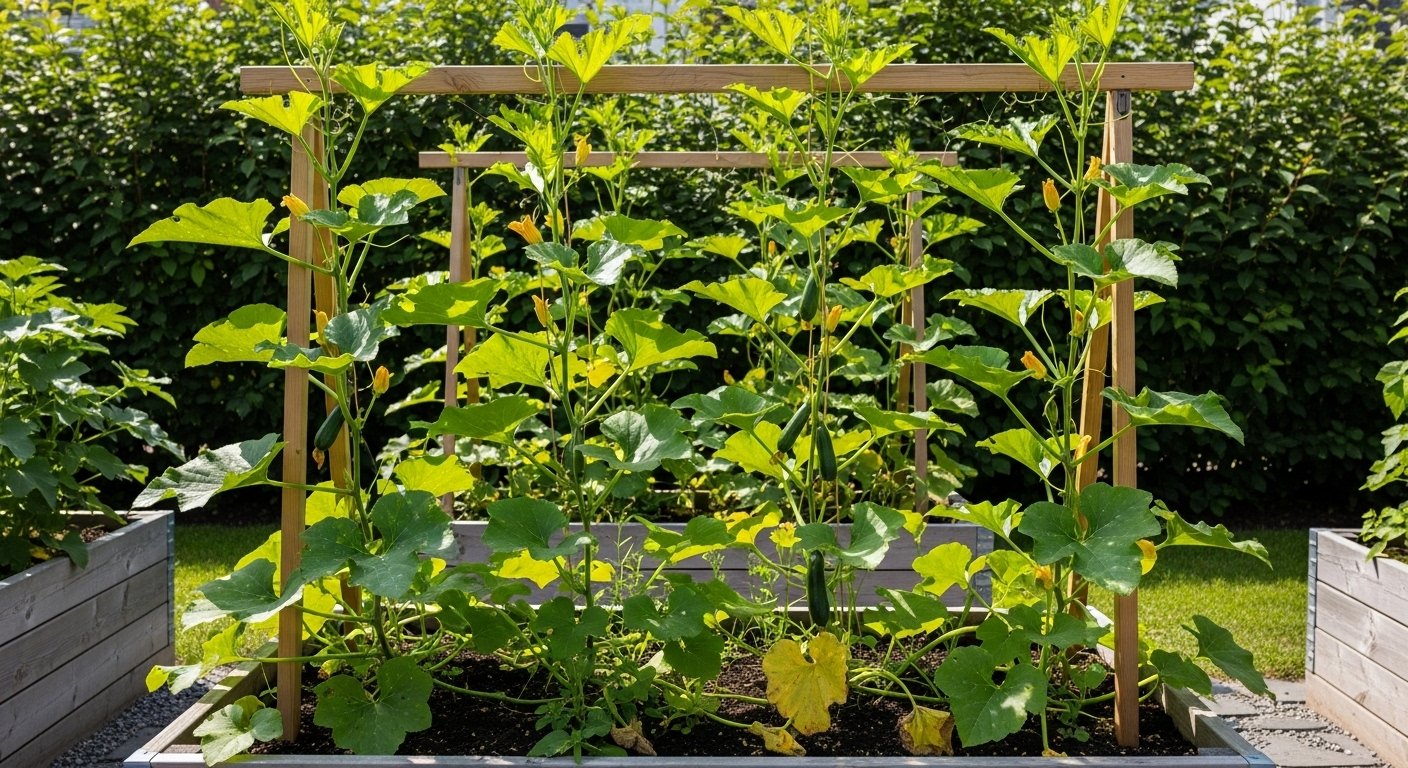
Introduction to Growing Zucchini Vertically
Growing zucchini in raised beds is quickly becoming a favorite method among urban gardeners—and for good reason. By training zucchini to grow vertically, you can transform a sprawling, space-hungry plant into a tidy, productive feature, perfect even for the smallest gardens.
Vertical gardening uses trellises, stakes, or simple supports to encourage zucchini vines to climb upward rather than creep along the ground. This approach not only saves valuable ground space in raised beds or on patios but also improves airflow around the plants, reducing the risk of powdery mildew and other diseases that thrive in damp, crowded conditions.
Plus, vertical growth keeps fruits cleaner and easier to harvest. Compared to traditional ground planting—which often results in tangled vines and hard-to-reach produce—vertical zucchini cultivation is more practical and visually appealing. It’s especially ideal for gardeners working within limited square footage, such as those with small yard plots, raised beds, or even large containers.
Imagine stepping onto your balcony or into your tiny backyard and harvesting plump, healthy zucchini right at eye level. With a few simple supports and some regular tie-ups, anyone can master this efficient, productive approach to homegrown zucchini.
Choosing the Right Zucchini Variety
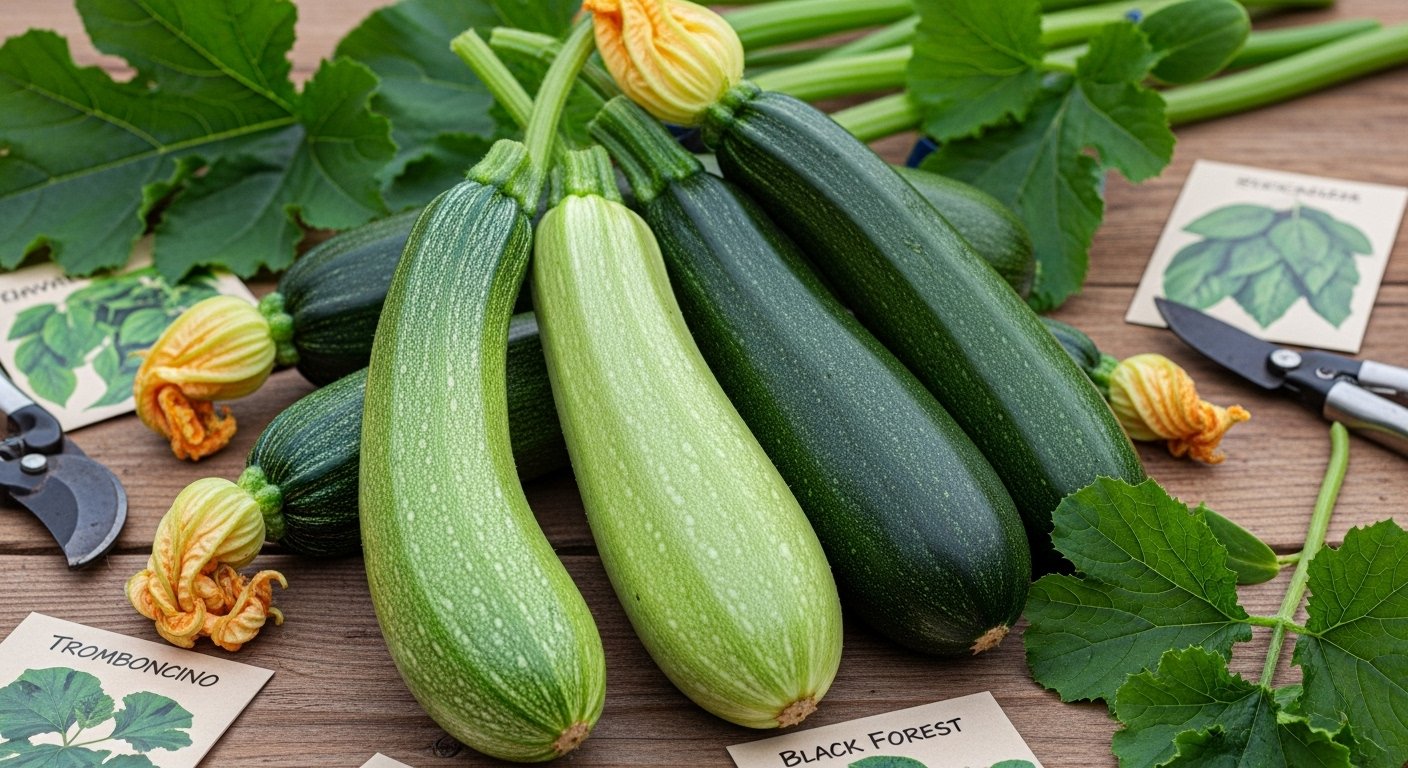
When planning a vertical zucchini garden, it’s important to select varieties bred for vining or climbing rather than the traditional bush types. Look for clues like “vining,” “climbing,” or “indeterminate” on seed packets or plant labels—these indicate the plant will send out longer stems that are ideal for training up a trellis or support structure.
Some excellent vining varieties include ‘Zucca Rampicante’, ‘Tromboncino’, and ‘Black Forest.’ ‘Tromboncino’ is especially popular because of its sprawling vines and unique elongated fruit, while ‘Black Forest’ produces classic green zucchinis with good yields and is specifically marketed for vertical growing.
Always check for varieties described as “open-pollinated” vining squash, since many zucchini types for sale are compact bush forms not suited for upright growth. Whichever variety you choose, start with healthy seeds or robust seedlings from a reputable nursery to reduce the risk of disease. Inspect seedlings for strong, green leaves with no wilting, spots, or discoloration.
Growing vertically can improve airflow and reduce common zucchini ailments like powdery mildew, but only if your plants are healthy from the start. Investing a bit of time in choosing the right variety and starting with disease-free plants will pay off with healthier vines and bigger harvests throughout the growing season.
Preparing Your Planting Site and Soil
Choosing the perfect spot for your zucchini starts with sunlight—zucchini plants crave at least six to eight hours of direct sunlight daily, so look for an area that avoids shade from trees or buildings.
Good airflow is also crucial, as it helps keep leaves dry and reduces the risk of disease; spaces that aren’t boxed in by fences or thick shrubs work best. Think about how you’ll access your plants for watering and harvesting, too—you don’t want to trample your garden or squeeze through tight corners each time you visit.
When preparing your soil, focus on a loose, well-draining blend; compact or soggy soil can quickly lead to problems like root rot. Mix in compost or aged manure to enrich the soil with nutrients and improve its texture—zucchini thrives in slightly acidic to neutral pH, around 6.0 to 7.5.
If you’re planting in the ground or a raised bed, consider double digging or using a garden fork to loosen soil at least a foot deep and incorporate organic matter throughout. For containers, use a high-quality potting mix and ensure your pots have drainage holes, as standing water is especially risky in confined spaces.
Warming your soil before planting is key for healthy zucchini; black plastic mulch or row covers can help soil temperatures reach the ideal 65°F (18°C) or above. By setting the stage with the right location and well-prepared soil, you’ll set your zucchini up for a healthy, productive season.
Setting Up Supports and Trellises
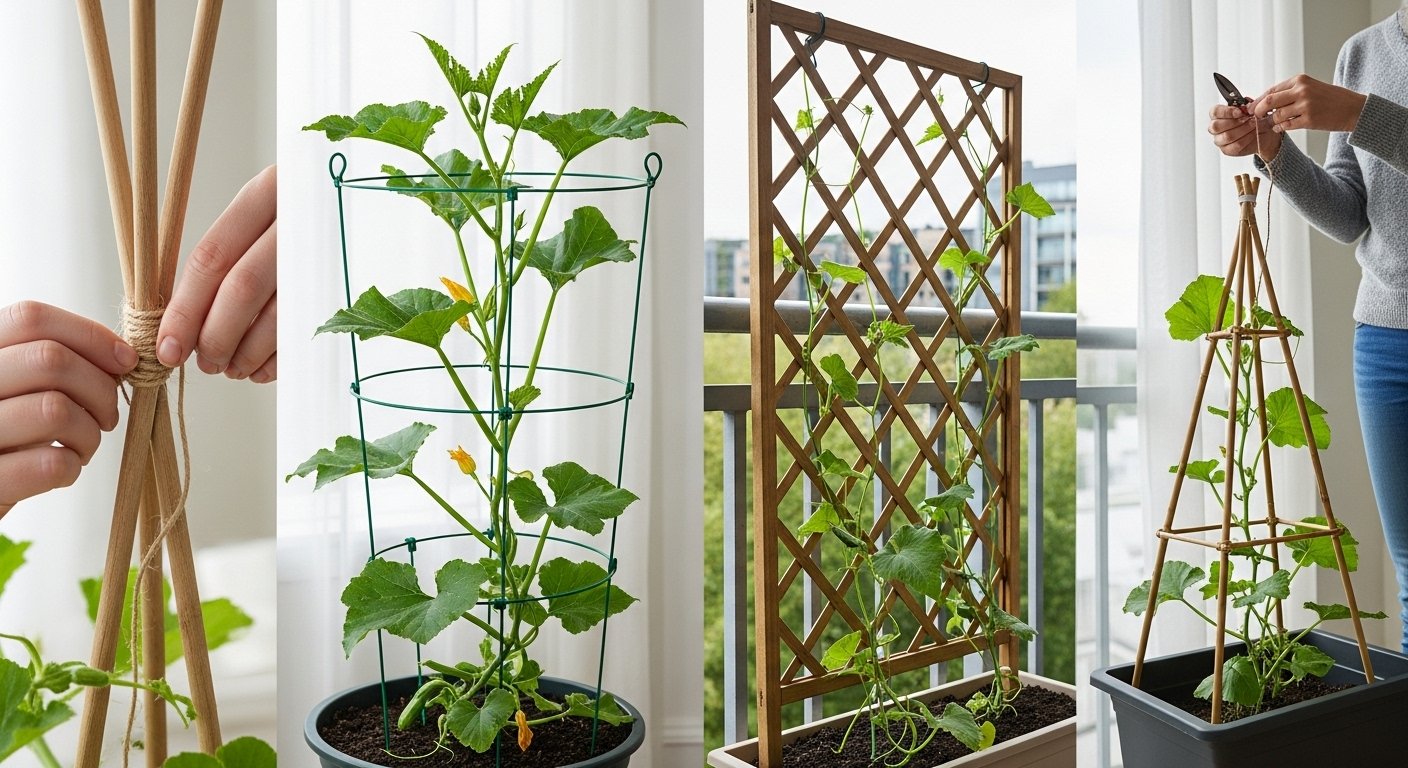
When growing zucchini vertically, choosing the right support makes a world of difference. For sturdy options, wooden or metal stakes work well in both garden beds and larger pots—just insert one per plant and use soft ties or garden twine to gently secure the main stem every 8–12 inches as it grows.
Tomato cages are another easy solution for medium-sized raised beds and containers, since their circular shape supports both upward growth and side branches.
Garden netting or lattice trellises are great for balconies or small spaces; attach the net securely to a railing, wall, or sturdy frame, then guide new vines through the openings as they stretch.
If using a smaller pot on a balcony, try a compact A-frame trellis or even a bamboo teepee to maximize vertical space.
For all setups, regularly check ties to prevent them from cutting into stems—switch to looser or wider ties if stems thicken. As zucchini plants grow, gently weave young vines through supports or fasten them with twine, being careful not to damage the soft stems.
Inspect your trellis or cages every week, tightening loose elements and removing any debris or leaves blocking sunlight. Keeping support structures stable and adjusting as the plant grows not only boosts air circulation and sun exposure but also makes harvesting much easier.
This simple investment helps prevent diseases and saves precious ground space, especially in urban or small-space gardens.
Planting and Caring for Vertical Zucchini
When starting vertical zucchini, you can use seeds or young seedlings. Seeds are often more cost-effective and adapt well from the outset. Plant seeds about one inch deep in large containers or raised beds fitted beneath a trellis, leaving at least 24 inches between each plant to give roots and foliage enough space. If using seedlings, gently transplant them at the same depth as in their starter pots, being careful not to disturb the roots.
Water zucchini consistently, but avoid soggy soil—vertical setups drain quickly, so check moisture levels often and aim to keep the soil just damp. Feed your plants every 2-3 weeks with a balanced liquid fertilizer, slightly diluted to avoid nutrient burn, since nutrients may leach more rapidly in upright containers or towers.
As vines grow upward, tie the main stems loosely to your trellis or support structure using soft garden ties, retying and guiding growth every week as needed. Regularly prune off lower leaves and any overly dense clusters to improve airflow and light penetration, which helps prevent diseases common in crowded, ground-level gardens.
One of the main threats to zucchini is overcrowding, which leads to powdery mildew and poor fruit formation—vertical gardening minimizes this by separating foliage and reducing humidity among leaves. Another frequent issue is blossom end rot, usually caused by inconsistent watering and calcium deficiency; vertical systems make it easier to monitor soil moisture and supplement nutrients, so the risks are often lower.
A final tip: check your plants daily for signs of pests or stress, since problems can spread quickly in the confined spaces typical of vertical setups. By following these steps, you’ll encourage healthier, more productive zucchini plants that make the most of limited space.
Managing Pests and Diseases
Zucchini plants are favorites in many gardens, but they’re also magnets for a few stubborn pests and diseases. Squash bugs, for example, suck juices from leaves and stems, leaving behind yellow-spotted, wilting foliage. Look for clusters of coppery-brown eggs on the undersides of leaves and crush them as soon as you spot them.
Another common invader is the squash vine borer, whose larvae tunnel into stems, causing sudden wilting. To manage this, slice open damaged stems to remove the culprit, then bury the wounded area with soil to encourage new root growth.
Powdery mildew—a fungus that coats leaves in a white, dusty film—thrives in humid conditions and spreads quickly if plants are overcrowded.
Integrated Pest Management
To fight back, integrated pest management combines several safe tactics:
- Hand-picking bugs and eggs is especially effective in small gardens.
- Companion planting with nasturtiums or marigolds can help deter insects.
- Encouraging beneficial insects like ladybugs and lacewings naturally controls pest populations.
Growing zucchini vertically on sturdy trellises boosts airflow, making it harder for mildew to settle in and for ground-loving bugs to find a foothold.
Organic Treatments
If problems persist despite these measures, try organic treatments like a baking soda spray (one tablespoon baking soda plus a few drops of mild soap in a gallon of water) to combat mildew, or neem oil for more persistent bug infestations. Always apply sparingly in the early morning or late evening to protect pollinators.
By combining prevention and gentle interventions, you can keep zucchini plants healthy with minimal use of chemicals.
Harvesting and Enjoying Your Zucchini
Zucchini are best harvested when they’re young and tender—about 6 to 8 inches long, with glossy, firm skin. Picking at this stage not only ensures the sweetest, most delicate flavor but also encourages the plant to keep producing new fruit throughout the summer.
Use a sharp knife or garden shears to carefully cut the stem about an inch above the zucchini, avoiding any twisting, which can damage the plant. To maximize your yield, check your plants every day; zucchini can go from just right to oversized in only a day or two, and oversized fruits tend to be watery and less tasty.
Frequent picking also signals the plant to put its energy into making more zucchini rather than maturing the seeds in larger ones.
Ways to Enjoy Fresh Zucchini
- Slice and sauté with garlic and olive oil for a quick side dish.
- Grill thick rounds with a sprinkle of salt and pepper.
- Spiralize into noodles for a light “zoodle” pasta.
- Shred and hide in muffins or quick breads for extra moisture and nutrition.
The key to a prolific harvest is regular attention—pick often, and you’ll have a steady supply of fresh, homegrown zucchini all season long.