Introduction to Growing Zucchini in a Greenhouse
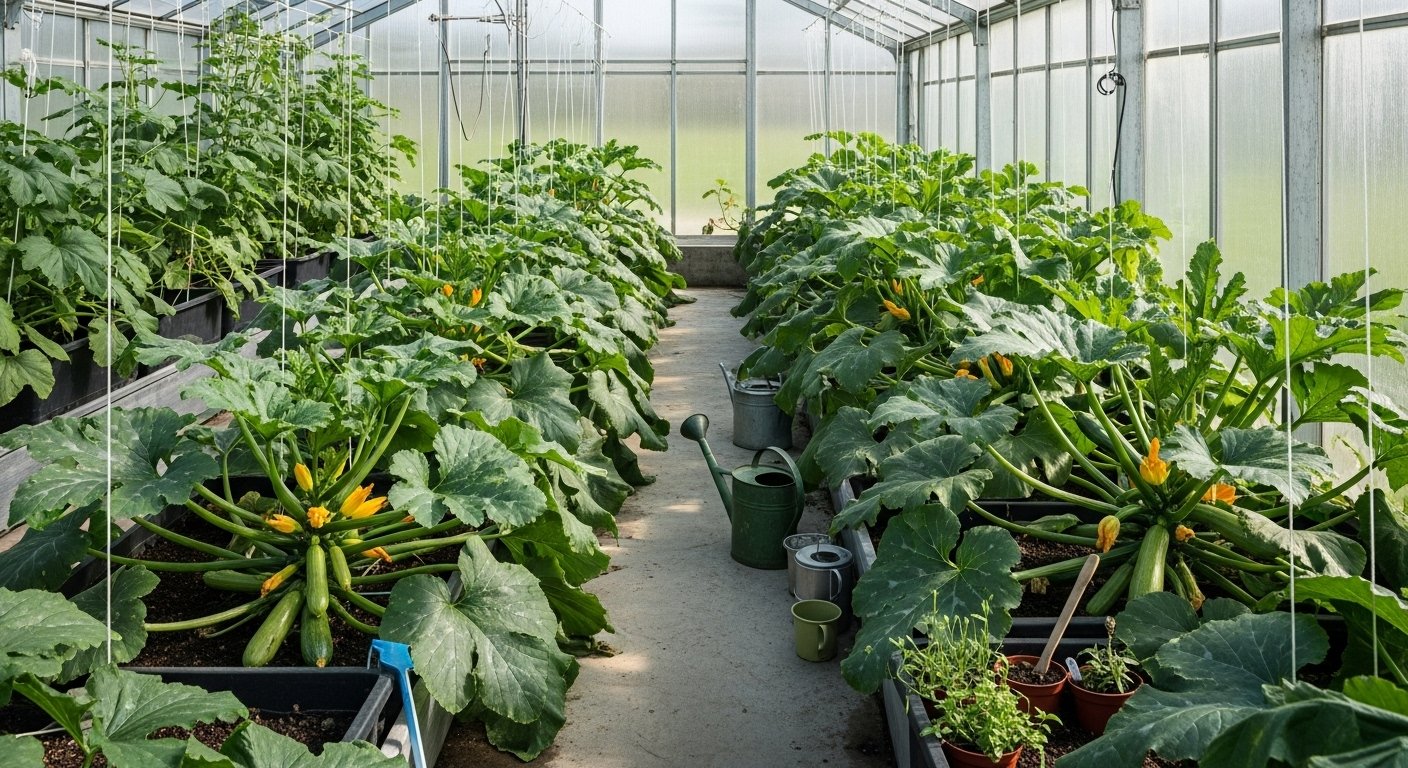
Growing zucchini in a greenhouse year-round isn’t just possible—it’s a rewarding project for home gardeners, small-scale growers, and beginners who want a steady, reliable harvest. Greenhouse zucchini cultivation offers benefits that outdoor gardens can’t always match. For one, you’ll enjoy an extended growing season, meaning you’re not at the mercy of your local climate or sudden weather changes. Imagine picking fresh zucchini for your meals regardless of the winter chill outside or the unpredictability of spring frosts.
Inside a greenhouse, you have far more control over the growing environment. Temperature and humidity can be managed to suit zucchini perfectly, ensuring healthier plants and, often, higher yields than those grown outdoors. You’ll also face fewer challenges from pests like squash vine borers or powdery mildew, thanks to the physical barrier and the ability to tweak conditions that discourage these problems. For example, you can ventilate your greenhouse to lower humidity if mildew appears or use screens to keep insects out.
Unlike outdoor beds, where rainstorms, cold snaps, or heatwaves dictate the pace of your crop, a greenhouse puts you in the driver’s seat. You can plant at your convenience, start seedlings early, and even stagger plantings for a continual supply. Whether you’re new to gardening or seeking to scale up your homegrown produce, learning to nurture zucchini in a greenhouse year-round opens the door to fresher, more abundant harvests—right from your own indoor patch.
Choosing the Best Zucchini Varieties for Greenhouse Growing
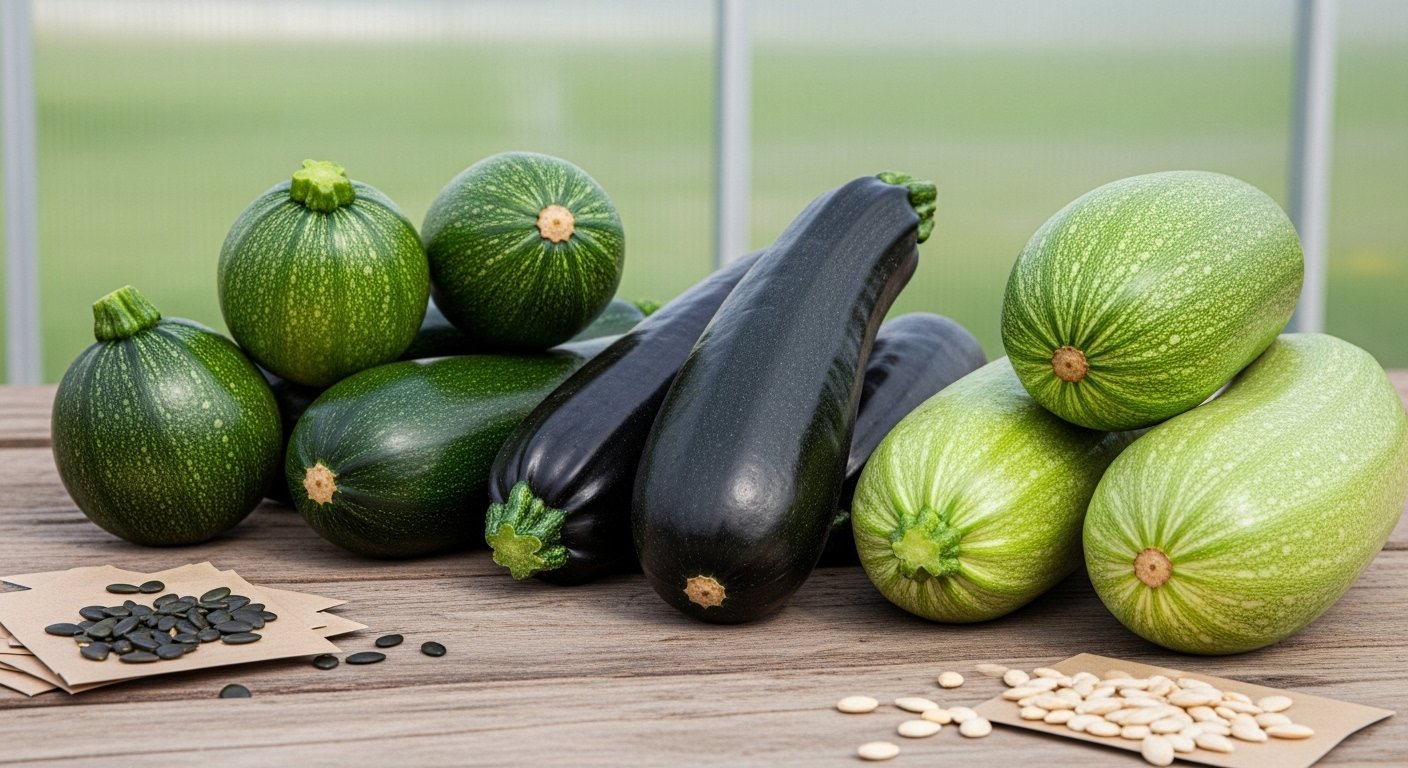
When selecting zucchini varieties for greenhouse growing, look for compact, high-yielding types with strong resistance to pests and diseases. Popular choices include ‘Eight Ball’, a round, bush-type zucchini that thrives in containers, and ‘Cocozelle’, an Italian heirloom prized for its delicate flavor and vigor in protected environments.
Hybrids like ‘Partenon’ and ‘Dunja’ are standouts for greenhouses—these are parthenocarpic (they set fruit without pollination), yielding well even with limited pollinator access, and are bred for resistance to powdery mildew and viruses.
Heirlooms such as ‘Black Beauty’ and ‘Costata Romanesco’ offer exceptional taste and open-pollinated reliability but may be less compact and more prone to certain pests, making them a bit more demanding under glass.
Hybrids, while sometimes less flavorful, tend to be more uniform, compact, and productive in close spaces, and their disease resistance means less chemical intervention.
For sourcing seeds, always opt for non-GMO and untreated options from reputable suppliers—look for businesses that specialize in greenhouse or compact varieties, such as Johnny’s Selected Seeds, Baker Creek Heirloom Seeds, or Seed Savers Exchange.
Don’t hesitate to read reviews or contact the supplier for advice on specific greenhouse conditions. Starting with the highest-quality seeds will maximize your plants’ performance and reduce headaches later in the season.
Starting Zucchini Seeds and Managing Young Plants Indoors
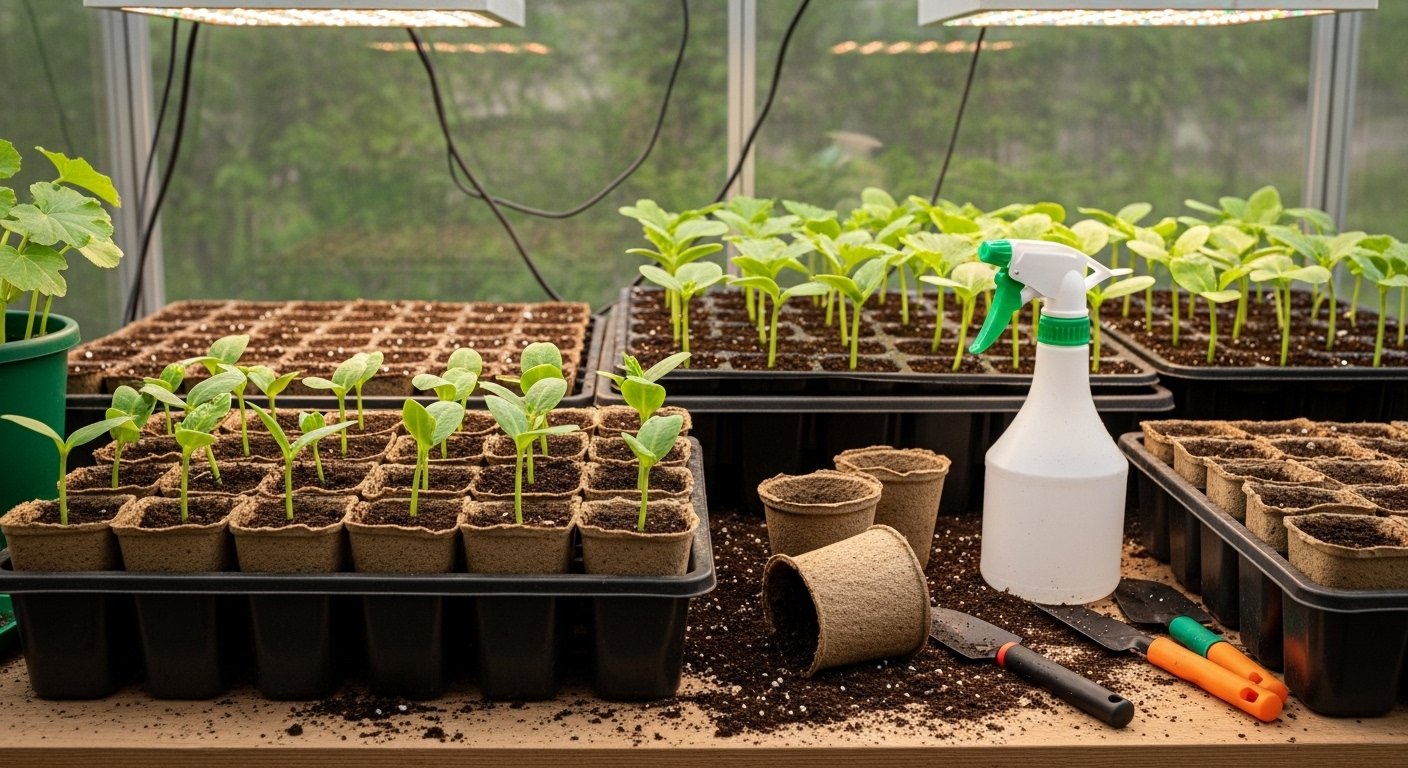
Starting zucchini seeds indoors is an easy way to get a head start on the growing season, especially in cooler climates. Begin by sowing seeds about 3 to 4 weeks before your last expected frost date—check local guidelines for accuracy. Use seed trays or biodegradable pots filled with a light, well-draining potting mix.
Plant seeds about an inch deep and keep the soil consistently moist—but not soggy—by misting with a spray bottle. Zucchini thrives in warmth, so keep trays in a spot where temperatures stay between 70-80°F (21-27°C). Since light is crucial to prevent spindly, weak seedlings, place trays under a grow light or in a very sunny window for at least 14-16 hours per day. Rotate trays for even growth if using natural light.
Once seedlings develop their first true leaves, thin to one plant per pot or cell by snipping off the weaker seedlings to avoid disturbing roots. To prevent legginess, keep lights just a few inches above the seedlings and raise them as the plants grow. Water at the base of the plants and avoid wetting the leaves to help fend off mold and mildew.
When seedlings outgrow their containers—usually when they have two sets of true leaves and roots start to peek from the bottom—it’s time to transplant. Move them into larger pots or a sheltered greenhouse bed, planting at the same soil depth as before. Harden off the plants by gradually exposing them to outdoor conditions over a week before moving them into the garden full-time. This helps prevent shock from changes in temperature or wind.
With these steps, your zucchini seedlings will be healthy and strong, ready for a productive season.
Optimal Greenhouse Conditions for Zucchini
Growing zucchini in a greenhouse lets you control conditions to boost both yield and quality, but it pays to tailor care to each growth stage.
During germination, keep the temperature between 22–27°C (72–80°F) and relative humidity at 70–80% to encourage strong, quick sprouting. Placing seed trays under gentle grow lights or near south-facing windows helps ensure seedlings don’t stretch for light.
As plants move into their vegetative phase, maintain daytime temperatures around 21–26°C (70–78°F) and reduce humidity to 60–70% to create a healthier, less disease-prone environment. Consistent supplemental lighting (14–16 hours/day) keeps plants compact and bushy, especially during cloudy weeks.
When zucchini begin flowering and fruiting, adjust temperatures to 18–24°C (65–75°F), decrease humidity further to 55–65%, and keep lights strong to maximize yields and promote fruit set. Proper air circulation from oscillating fans ensures leaves dry quickly, helping to avoid fungal problems.
For best results, space plants about 60–90 cm (2–3 feet) apart in rows with at least 90 cm (3 feet) between them, using raised beds or grow bags. This spacing lets sunlight reach all leaves and helps airflow, naturally reducing disease.
In a closed greenhouse, natural pollinators might not visit, so encourage bees with flowering herbs nearby or crack open the greenhouse on warm days. For full control, try hand pollination: gently brush a soft paintbrush or cotton swab across the inside of male flowers (those with thin stems), then transfer pollen to the sticky stigma inside female flowers (which have a tiny baby zucchini at the base). Doing this every morning during peak bloom sets a reliable fruit crop, ensuring your greenhouse zucchini production thrives season after season.
Watering, Fertilizing, and Routine Zucchini Care
Proper watering, fertilizing, and routine care are the backbone of healthy greenhouse-grown zucchini. Aim to water your zucchini deeply 2–3 times a week, allowing the soil to dry slightly between waterings. Early morning is ideal to reduce evaporation and discourage fungal growth.
Ensure each plant receives about an inch of water per week, adjusting as needed during hot weather or if you notice wilting. Well-balanced, fertile soil is key, so feed plants every 3–4 weeks with an organic, all-purpose fertilizer high in nitrogen, phosphorus, and potassium. Fish emulsion and compost tea are both great options, while amendments like well-rotted manure boost long-term soil health.
Watch for signs like pale leaves, which can suggest nitrogen deficiency, and top-dress with compost during the season to ensure steady nutrition.
Pest Management
Greenhouse zucchinis are susceptible to pests such as aphids, whiteflies, and spider mites. Regularly check the undersides of leaves, introduce beneficial insects like ladybugs, and use insecticidal soap as needed.
Disease Prevention
Fungal diseases, including powdery mildew and downy mildew, can take hold in humid environments. Keep plants well-spaced, prune lower leaves for better airflow, and avoid overhead watering. If you spot signs of disease, promptly remove affected leaves.
Good Greenhouse Hygiene
Practicing good greenhouse hygiene—removing plant debris, disinfecting tools, and rotating crops—will help prevent problems and keep your zucchini harvest abundant and healthy.
Harvesting Zucchini and Keeping Plants Productive
Knowing when to harvest zucchini is key to both great flavor and keeping the plants productive all season. Look for zucchinis that are 6–8 inches long with glossy, firm skins—overgrown fruits can become seedy and tough, and picking small encourages more blooms.
Use garden scissors or a sharp knife to snip the stem about an inch above the fruit, rather than twisting or pulling, which can damage both the fruit and the plant.
To keep plants flowering and producing, harvest every couple of days—zucchini mature quickly! Frequent picking signals the plant to keep making new fruit, while letting a few get oversized slows production.
Water plants deeply at the base and feed regularly with balanced fertilizer, especially when plants are fruiting. Remove any shriveled or yellowing fruits promptly, as these can drain energy and stunt further growth.
After harvest, wipe zucchinis clean and store them unwashed in perforated plastic bags in the refrigerator’s crisper drawer, where they stay fresh for up to a week. Avoid washing before storage, since extra moisture speeds spoilage.
By following these practices, you’ll enjoy a long, abundant zucchini season and fresher veggies in every meal.
Troubleshooting Common Greenhouse Zucchini Problems
Greenhouse zucchini can thrive with the right approach, but issues like yellowing leaves, poor fruit set, and stunted growth are common hurdles.
Yellowing leaves often signal nutrient deficiencies, especially low magnesium, overwatering, or fungal diseases. Test the soil first, reduce watering if the soil feels soggy, and consider applying a balanced fertilizer or Epsom salt spray.
If you’re dealing with poor fruit set, the likely culprits are lack of pollination or inconsistent temperatures. Greenhouses sometimes limit natural pollinators, so hand-pollinate flowers with a small paintbrush or gently tap the flowers to release pollen. Also, keep temperatures between 20–28°C (68–82°F) for optimal fruit development.
Stunted growth may result from cool nights, cramped roots, or high humidity, which fosters fungal problems. Open vents or use fans to boost air circulation, and check if plants are root-bound, repotting if needed. Maintain relative humidity around 60–70% and try to keep temperatures stable to minimize shock.
If problems persist, especially after multiple seasons, consider rotating your crops or replanting in fresh soil. This helps break pest and disease cycles and rejuvenates nutrients. Ideally, wait two to three years before returning zucchini or other cucurbits to the same spot.
Conclusion & Next Steps for Year-Round Zucchini Growing
To enjoy year-round zucchini harvests in your greenhouse, focus on consistent moisture, balanced nutrition, and reliable temperature control—these are the foundations for healthy plants and plentiful yields.
Once you’ve mastered the basics, consider experimenting with advanced methods like succession planting, where you start new zucchini seedlings every few weeks to keep production steady. You can also try companion planting by pairing zucchini with herbs like basil or nasturtiums to naturally ward off pests.
Growing healthy zucchini isn’t just about following a set routine; it’s about paying close attention to your plants, noting what works (and what doesn’t), and being willing to adjust your approach as you go. Every greenhouse, climate, and season brings new challenges, so keep experimenting and learning—a curious mindset is your most valuable gardening tool for stretching your zucchini season and improving your harvest each year.