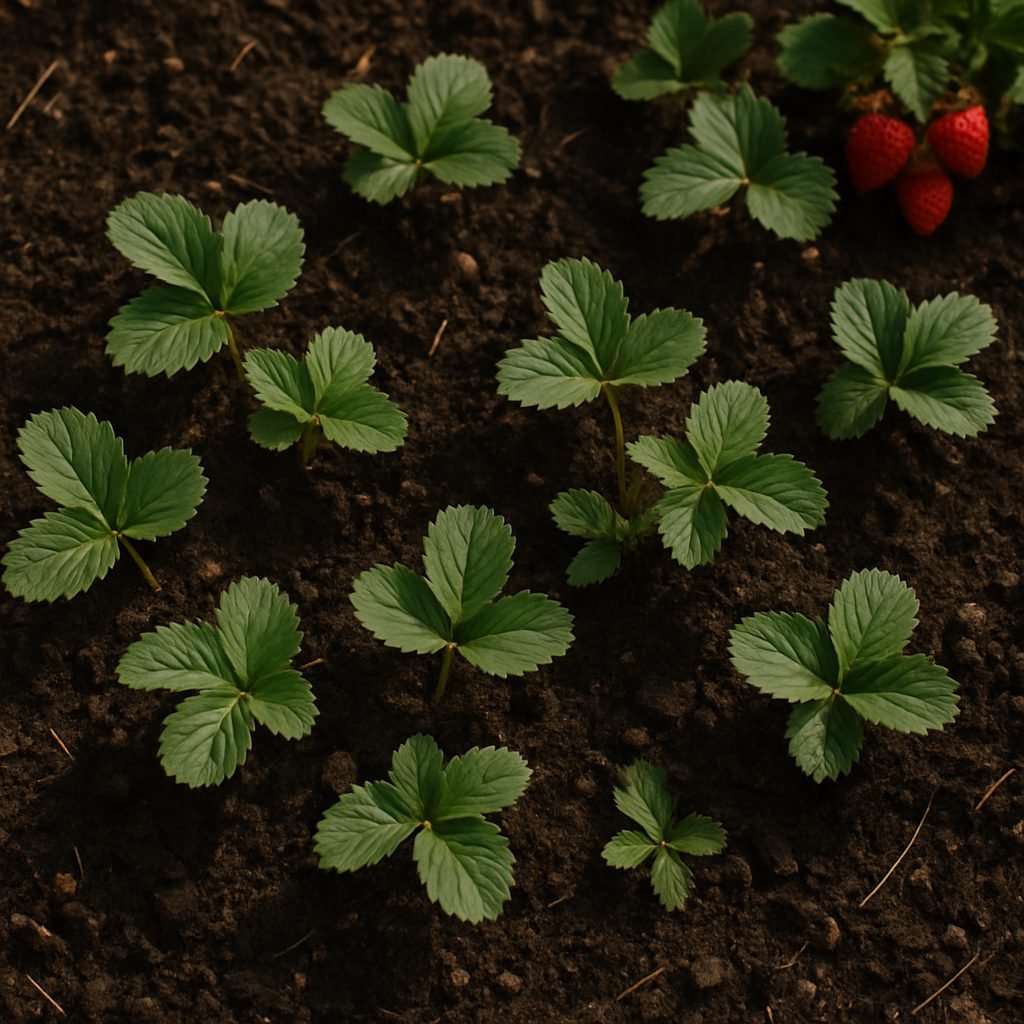
Understanding Strawberry Nutrient Needs
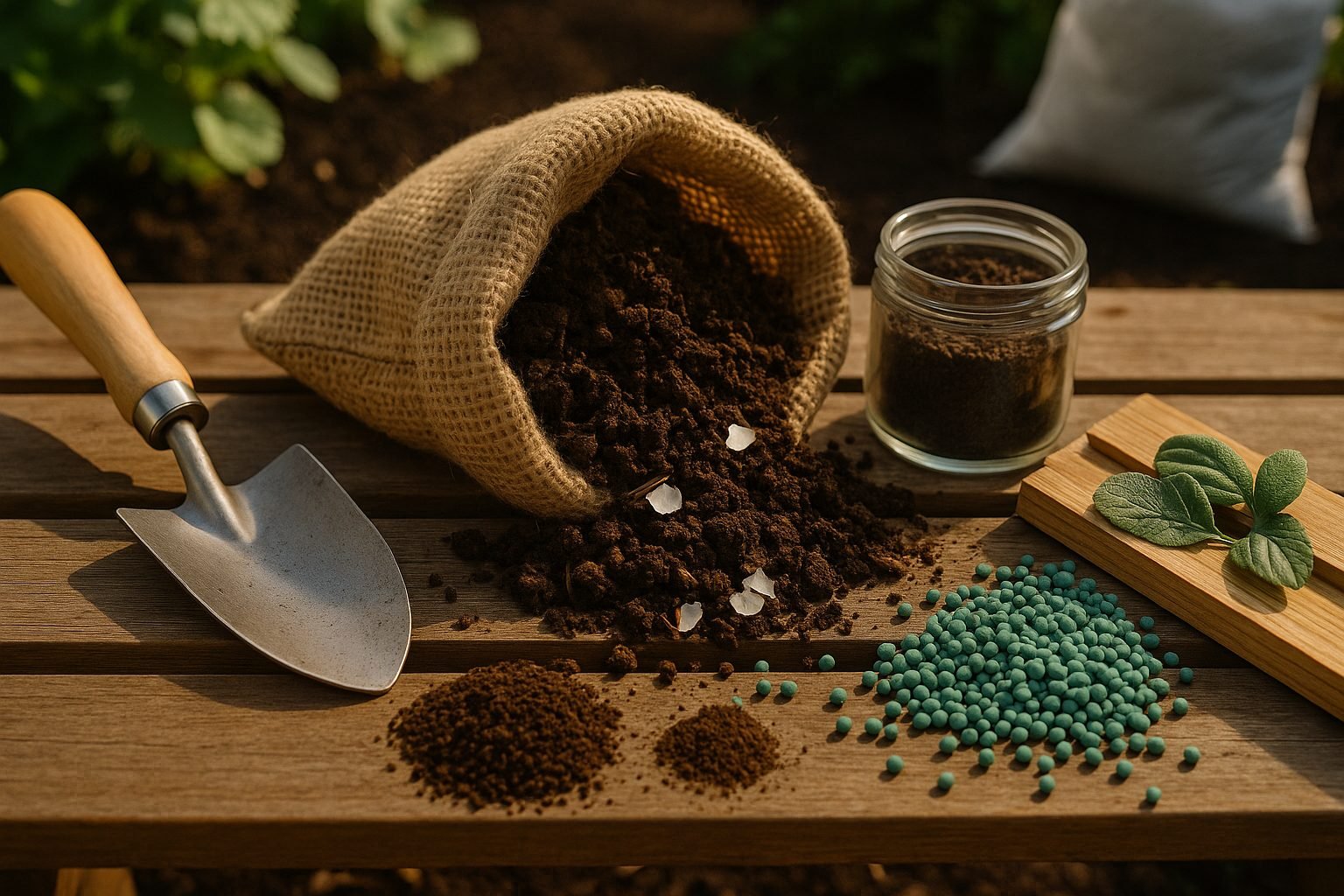
When it comes to growing juicy, flavorful strawberries, choosing the right compost can make all the difference. Strawberries have unique nutrient needs to thrive—most notably nitrogen, phosphorus, potassium, and essential micronutrients like calcium, magnesium, and iron. Nitrogen fuels leafy growth, ensuring your plants have lush foliage to support fruit production. Phosphorus aids healthy root development and blossom formation, directly impacting the quantity and quality of berries. Potassium is critical for sweet, well-developed fruits and helps plants resist disease, while micronutrients support overall plant health.
But the story doesn’t end with nutrients alone. Soil quality and pH greatly affect how well your strawberry plants absorb these essentials. Strawberries prefer slightly acidic soil, with a pH between 5.5 and 6.5. If your soil is too alkaline or too acidic, plants may struggle to take up nutrients, even if they’re abundant. Simple soil tests from your local garden center can provide a quick snapshot—if your soil needs tweaking, balancing the pH before planting will set your strawberries up for success.
Organic matter is another secret weapon for robust strawberry crops. Rich compost not only adds slow-release nutrients but also improves soil structure, increases moisture retention, and encourages healthy soil microbes. A well-composted mix—combining kitchen scraps, well-rotted manure, or leaf mold—can transform your strawberry bed, providing a steady buffet of nutrients while keeping soil loose and airy. This helps roots spread out easily and access both water and nutrition, especially during the crucial fruiting stage.
Ultimately, understanding and addressing these key factors—nutrients, soil quality, pH, and organic matter—will help your strawberry plants flourish and reward your efforts with baskets of delicious berries.
Choosing the Best Compost for Strawberries
Selecting the ideal compost for strawberries can make all the difference in your harvest, both in yield and flavor. The best compost should be rich yet crumbly, allowing roots to breathe while retaining just enough moisture—imagine the feel of moist chocolate cake crumbs between your fingers.
Key ingredients to look for include well-rotted plant matter, animal manure (like chicken or cow), and natural amendments such as eggshells or coffee grounds, all thoroughly broken down to avoid burning sensitive strawberry roots. Maturity is crucial; you want compost that’s dark, earthy-smelling, and no longer hot to the touch—a sign that all organic matter has fully decomposed.
When weighing homemade compost against commercial options, each has its benefits:
- Homemade compost lets you control the ingredients and reduce waste but requires patience and careful attention to prevent pests or incomplete decomposition.
- Commercial compost is convenient and usually sterilized, but some brands may include fillers or synthetic additives that don’t benefit your strawberries.
For the best results, check compost labels for OMRI (Organic Materials Review Institute) certification, look for a loose, fibrous texture, and beware of sour or ammonia-like odors, which indicate immaturity. Avoid composts filled with large, recognizable chunks, visible glass or plastic, or excessive wood pieces, as these can rob nitrogen from the soil.
If you choose homemade compost, always let your pile age for several months and turn it regularly to speed up decomposition. Taking these steps ensures your strawberries grow in a nutrient-rich, safe, and supportive environment, setting the stage for sweet success in your garden beds or containers.
Planting Strawberries in Compost: Dos and Don’ts
Planting strawberries directly in pure compost might seem like a quick way to boost your harvest, but it’s rarely the best approach. While compost is rich in nutrients and organic matter, it can retain too much moisture and sometimes lacks the structure strawberries need for healthy root development.
Pure compost can also get too hot as it continues decomposing, which may harm delicate strawberry roots. Instead, use compost to enrich your existing garden soil or container mix. Aim to blend compost and soil at a ratio of about one part compost to two or three parts soil—this encourages good drainage while providing a steady nutrient supply.
Before planting, loosen the soil to at least 8 inches deep and work in the compost mixture thoroughly; this helps roots spread easily and access nutrients as they grow.
If you plant in containers, choose a potting mix with compost already blended in, or combine bagged compost with quality potting soil. Avoid overloading containers with too much compost, as this can lead to waterlogged roots and disease.
Finally, keep an eye on moisture levels—strawberries like damp soil, but not soggy feet. With these steps, you’ll give your strawberry plants the support they need for vigorous growth and juicy, flavorful fruit.
Creating a Strawberry Composting Schedule
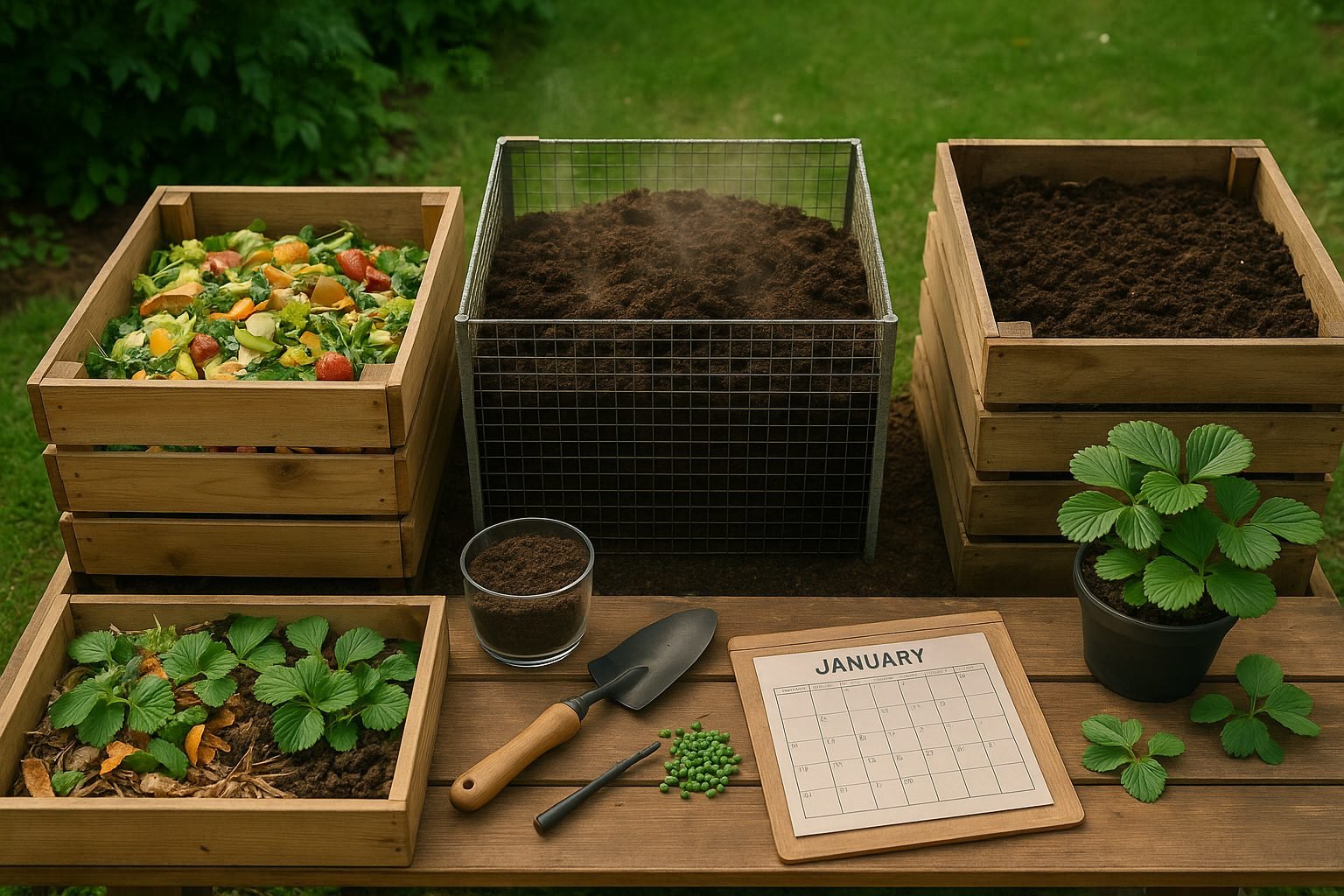
Timing your compost applications throughout the year is key to keeping strawberry plants healthy and productive. Start by mixing compost into the soil at planting—ideally a few weeks before your strawberry crowns go in—so nutrients have time to become available and the soil structure improves. Aim for about 2–3 inches of well-rotted compost, blended 6–8 inches deep into the topsoil.
As the growing season begins, apply a thin layer—about half an inch—of compost as mulch around the plants just as the first leaves emerge. This replenishes nutrients and helps retain moisture. During fruiting, you can repeat this light compost top-dressing if your plants look pale or yields dip, but be careful not to overdo it; too much nitrogen at this stage can promote leaf growth over fruit production.
After harvest, apply another inch of compost to replenish the soil for next year and help strawberries recover from the stress of fruiting. Always water after compost applications to help nutrients seep into the root zone.
If you notice yellowing leaves or stunted growth, it could be a sign of nutrient burn from applying compost too thickly. Gently rake off excess compost and water thoroughly to dilute salts. For plants that appear weak between applications, a homemade compost tea can give a quick nutrient boost without overwhelming roots.
Above all, watch your plants—every garden is unique. Adjust timing and amounts as needed for your conditions, always erring on the side of less compost rather than more to avoid buildup issues.
Final Tips for Healthy, Productive Strawberries
To keep your strawberry patch thriving and fruitful, consistently enrich the soil with well-aged compost throughout the growing season. Compost provides a steady release of nutrients and improves soil texture, helping retain moisture and promoting healthy root growth.
Spread a layer of compost around the base of the plants in early spring and gently mix it into the soil, taking care not to damage shallow roots. Complement this with organic mulching—straw, pine needles, or shredded leaves work well—to preserve soil moisture, suppress weeds, and keep fruit clean.
Water strawberries consistently, aiming for about an inch per week. Always water at the base to prevent fungal issues; if possible, consider installing a drip irrigation system.
Crop rotation is another key to long-term plant vitality—avoid planting strawberries in the same spot for more than three years, and never follow solanaceous crops like tomatoes or peppers, which share common pests and diseases.
Encourage pollinators by avoiding synthetic chemicals and planting bee-friendly flowers nearby. Keep an eye out for pests like slugs or signs of disease, promptly removing affected leaves and rotating mulch to discourage infestations.
Sustainable practices—such as making your own compost from kitchen scraps or fallen leaves—reduce waste and boost your garden’s resilience. By monitoring your plants regularly and responding quickly to changes in foliage or fruiting patterns, you’ll maintain a healthy, productive strawberry bed that delivers sweet harvests year after year.