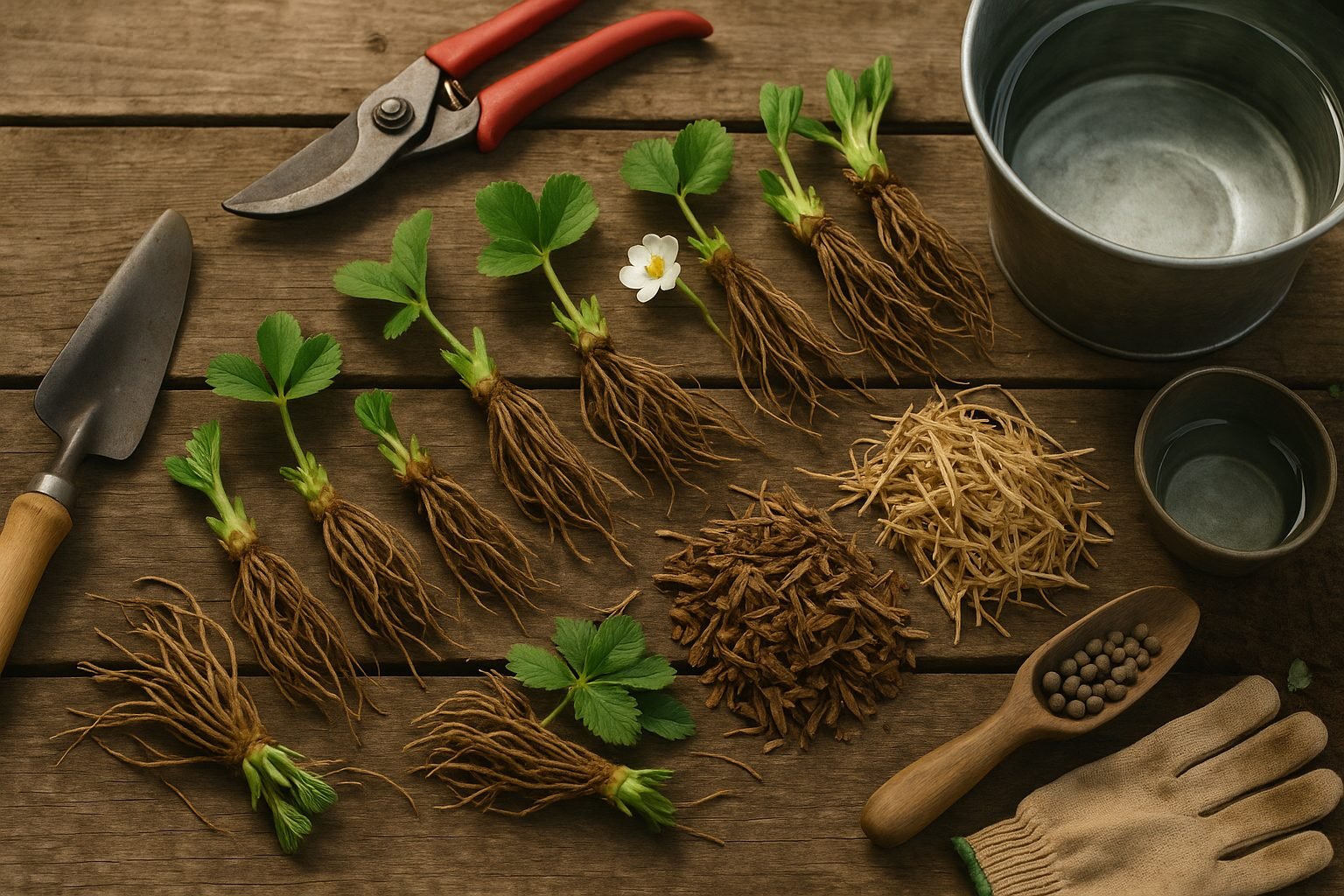
What Are Bare Root Strawberry Plants?
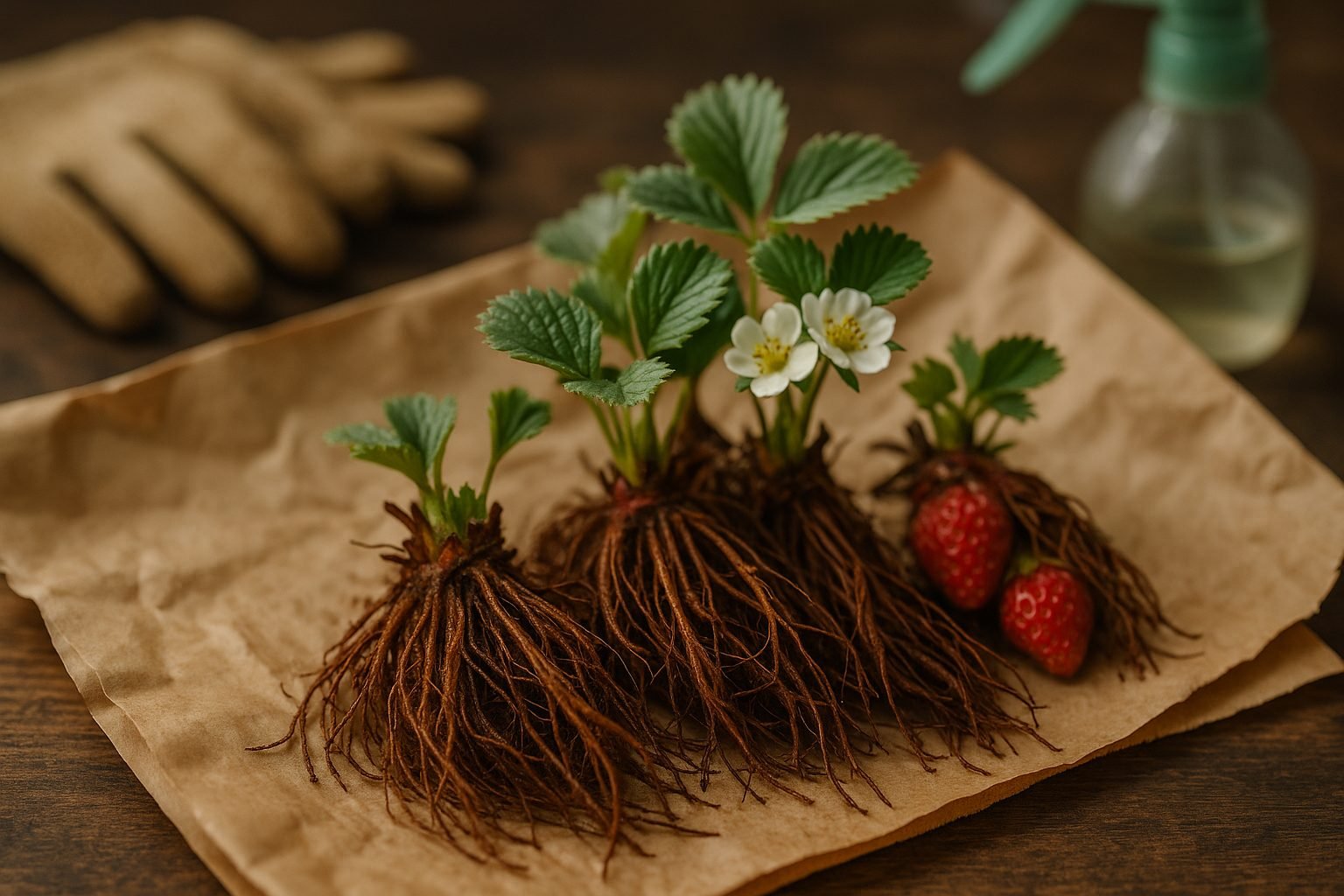
Starting your own patch of bare root strawberries is a smart way to enjoy a bountiful, homegrown harvest without breaking the bank. But what exactly are bare root strawberry plants, and why do so many gardeners prefer them over the potted plants you might see at your local nursery?
“Bare root” means the strawberries arrive as dormant, soil-free crowns and roots, rather than as leafy, growing plants nestled in pots. This unique packaging might look a bit intimidating at first—just tangled roots and a small crown—but don’t let their appearance fool you. Bare root strawberries are ready to wake up as soon as you plant them in soil, making them both cost-effective and easy to ship in large quantities.
Advantages of Bare Root Strawberry Plants
One of the key advantages of bare root strawberry plants is the sheer variety available. Nurseries are able to offer a much wider selection of cultivars as bare roots, from juicy June-bearing favorites to everbearing varieties for continuous snacking. Because they’re shipped without soil, they’re less expensive—often just a fraction of the cost of potted strawberries—and you can order bundles of them to quickly fill a raised bed, strawberry tower, or a row in your vegetable garden. The roots establish quickly when planted early in spring, giving you a jumpstart on delicious fruit compared to waiting for potted strawberries to catch up.
Care Tips for Bare Root Strawberries
However, bare root strawberries do require a bit more attention right from the start. Since they’re dormant, timing is key: plant them immediately upon arrival, and keep their roots moist but not soggy. If you wait too long or plant them in cold, soggy ground, you might risk losing some crowns. Despite these small challenges, many gardeners prefer bare root strawberries for their unbeatable combination of selection, affordability, and the satisfaction of building a thriving patch from the ground up.
If you’re hungry for a garden experiment with big rewards, bare root strawberries are a fantastic place to start.
Why Choose Bare Root Strawberries?
Bare root strawberries are a top pick for both beginner and experienced gardeners looking to get the most from their berry patch. One of their biggest advantages is cost—bare root plants are usually less expensive per plant compared to potted starts, allowing you to fill a larger area without breaking your budget. They’re also easier and cheaper to ship since you don’t have to pay for heavy pots or soil.
Beyond savings, bare root strawberries often settle into their new home faster and more vigorously. Because these dormant plants are dug and packaged without soil, their roots quickly adapt to new soil conditions, minimizing transplant shock. In fact, many gardeners find bare root strawberries develop stronger root systems, resulting in healthier plants and bigger harvests down the road.
On the other hand, potted strawberries may look lush at first but can suffer from root binding or difficulty adjusting when moved to the garden. Bare root plants, started during their dormancy, wake up ready to establish themselves directly in your garden bed, quickly taking advantage of spring conditions.
If you’re aiming for a thriving, productive strawberry patch that performs well over several seasons, choosing bare root strawberries is a tried-and-true approach for better adaptation, stronger growth, and ultimately a more bountiful crop.
When and Where to Plant Bare Root Strawberries
The best time to plant bare root strawberries is in early spring, just as the ground can be worked and before new growth starts. In colder climate zones (USDA zones 3–5), this usually means planting in March or April, while gardeners in milder areas (zones 6–8) can start as early as late winter or very early spring.
Choose a site that receives at least six hours of full sunlight each day, as strawberries thrive in bright, direct light. Well-draining soil is essential—aim for loose, sandy loam rich in organic matter. Avoid spots where water collects after rain, as soggy soil encourages root rot. Raised beds are a great solution for areas with drainage problems.
Space plants about 18 inches apart in rows 3–4 feet apart to ensure good air circulation and easy harvesting.
Variety Care Tips
- June-bearing varieties: These produce a heavy crop once per season. Pinch off blooms in the first year to help roots establish.
- Everbearing and day-neutral varieties: These yield smaller flushes several times a year. Light bloom removal early on is advisable, and they thrive with consistent soil moisture.
Avoid planting strawberries in beds where tomatoes, peppers, or potatoes recently grew, as these plants can harbor soil-borne diseases harmful to strawberries.
Finally, don’t rush planting—make sure the soil is neither soggy nor frozen, and don’t let the roots dry out before planting. By timing your planting carefully and choosing a sunny, well-drained site, you’ll set the stage for healthy, productive strawberry plants.
How to Store Bare Root Strawberry Plants Before Planting
If you can’t plant your bare root strawberry plants right away, proper storage makes all the difference in maintaining healthy roots. Keep the roots cool and moist, but never soggy—think of it like treating them as living, dormant things rather than simply bulbs or seeds.
One easy method is to wrap the roots in damp (not wet) paper towels or sphagnum moss, then place them in a perforated plastic bag or container in your refrigerator. The temperature should stay between 32-40°F (0-4°C).
If refrigeration isn’t possible, “heeling in” is a safe alternative—temporarily bury the roots outdoors in a shaded, well-drained spot, either in soil or damp sand. Cover the roots but leave the crowns exposed.
No matter which method you choose, check the roots every couple of days. They should remain firm, plump, and beige or white in color—not shriveled, mushy, or dark. If you notice roots starting to dry out or turn brittle, lightly mist them with water to restore some moisture. On the other hand, discard any roots that smell sour, are clearly rotting, or feel slimy.
At most, strawberry plants can be safely stored for up to a week or two, with fresher being better. The longer they’re stored, the higher the risk of drying out or disease, so aim to plant them as soon as possible for the best results.
Remember: well-cared-for bare roots give your strawberries a strong start, leading to healthier plants and better harvests down the road.
Preparing and Planting Bare Root Strawberries
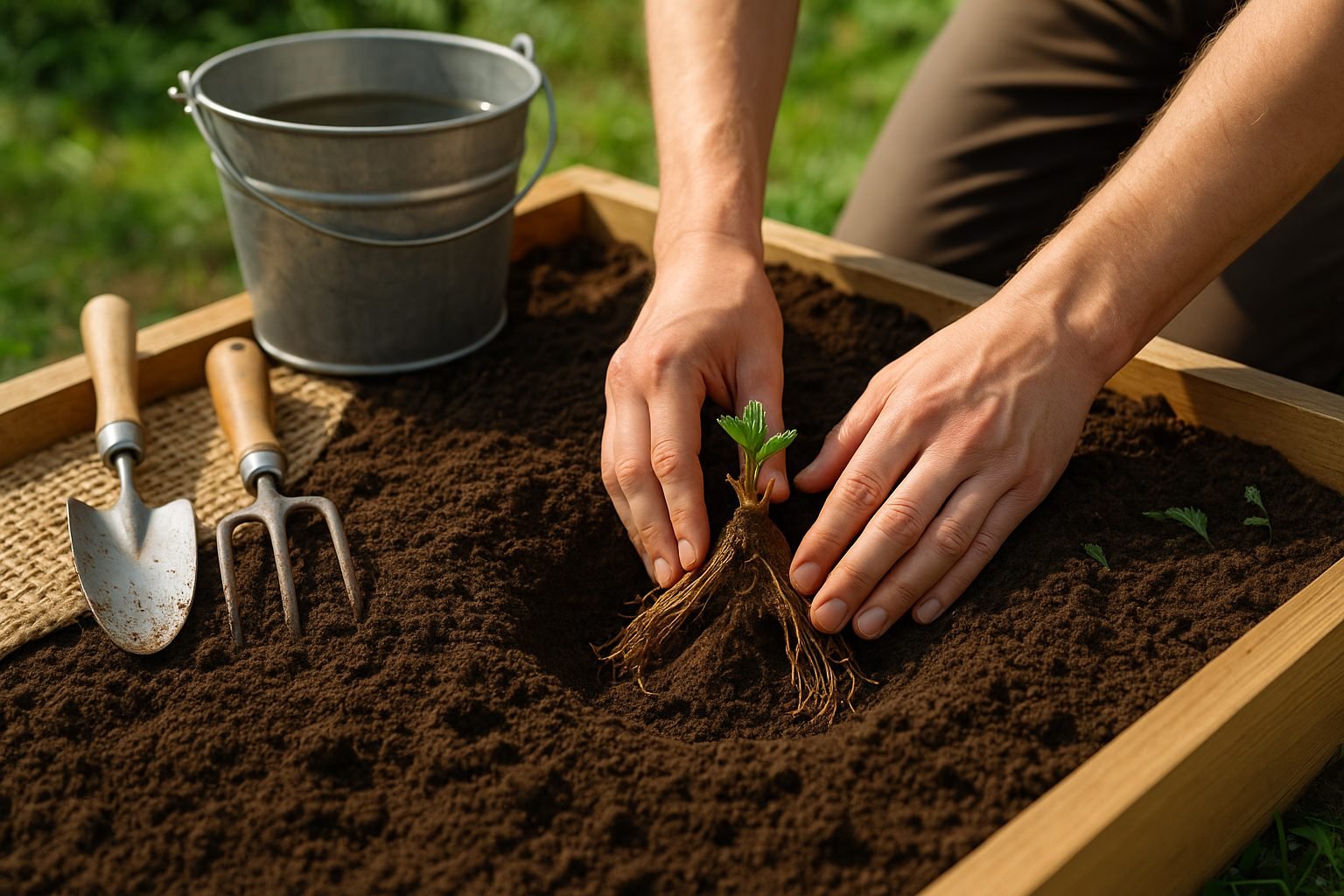
Preparing and planting bare root strawberries is a straightforward process that can lead to a healthy, productive patch if done correctly. Begin by unboxing the bare root plants as soon as they arrive, and inspect the roots, trimming off any damaged or overly long pieces. Before planting, soak the roots in a bucket of lukewarm water for 30 to 60 minutes—this rehydrates the plants and helps reduce transplant shock.
While the roots are soaking, prepare your strawberry bed by choosing a sunny location with well-draining, slightly acidic soil. Use a garden fork or tiller to loosen the soil to about 8 inches deep, mixing in compost or well-rotted manure to boost fertility. Create shallow trenches about 4 inches deep and space them 18 to 24 inches apart, as strawberries need good airflow to prevent disease. Within the row, set plants 12 to 18 inches apart—closer for smaller varieties, wider for vigorous types.
When planting, use a hand trowel to form a cone of soil at the bottom of each hole or trench; spread the roots evenly around this cone so they’re not bent or crowded. Ensure that the crown—the brownish base where roots meet stems—sits just above the soil line, not buried, as covering it can lead to rot. For good root-to-soil contact, gently tamp down the earth around each plant, eliminating air pockets. This helps the roots establish quickly.
After planting, water the bed thoroughly with a gentle shower setting on your garden hose or use a watering can to avoid washing soil away from the plants. Mulching with straw can help conserve moisture and keep berries clean later on, but save this step until the plants have settled in and the weather warms a bit.
Helpful Tools
- Trowel
- Garden fork or tiller
- Pruners for trimming roots
- Bucket for soaking
- Watering can or gentle hose nozzle
- Gardening gloves
Taking the time to plant your bare root strawberries with care will give them the best start—and set you up for a summer filled with sweet rewards.
Caring for Bare Root Strawberries after Planting
After planting bare root strawberries, consistent care during the first few weeks is key to strong establishment. Water the plants thoroughly right after planting, then keep the soil consistently moist—but not soggy—especially during dry spells. Use a gentle spray to avoid washing away soil, and watch for signs of drying out, like drooping leaves. Aim to water early in the morning so the foliage dries quickly, reducing the risk of disease.
Mulching is essential. Spread a two- to three-inch layer of clean straw or pine needles around the plants to help retain moisture, suppress weeds, and keep ripening fruit clean. Avoid heavy mulches that trap excess moisture and could promote rot.
During the first season, it’s crucial to remove the first blooms as they appear. This might seem counterintuitive, but allowing the plants to focus energy on root and leaf growth rather than fruiting will result in stronger plants and better harvests the following year.
When it comes to feeding your strawberries, avoid fertilizing right at planting. Instead, wait until new growth appears—usually three to four weeks in—before applying a balanced, all-purpose fertilizer, following the package instructions. Over-fertilizing can cause lush foliage but poor fruiting, so use a light hand.
Throughout the growing season, stay vigilant for pests such as slugs and aphids, and diseases like powdery mildew or leaf spot. Handpick visible pests, use organic slug traps, and promptly remove affected leaves.
To keep plants healthy and maximize fruit size, limit the number of runners—those long, skinny shoots that develop new baby plants. Allowing too many runners leads to overcrowding, reduced yield, and decreased airflow, which increases disease risk. Pinch runners off regularly, keeping just a few if you want to expand your patch.
For season-long maintenance, keep the bed well-weeded and maintain your mulch layer, checking periodically for signs of pests or disease. After harvest, trim back old leaves to encourage new, healthy growth and apply mulch for winter protection.
By staying attentive to your plants’ watering, feeding, pruning, and pest management needs, you’ll set your bare root strawberries up for a bountiful harvest year after year.
Harvesting and Maximizing Your Strawberry Yield
To get the sweetest, juiciest strawberries, it’s best to harvest in the cool of the morning when the berries are fully red and firm but before they become overripe or mushy. Gently twist or snip the stem just above the cap instead of pulling, as tugging can bruise the fruit or damage the plant.
For the biggest harvests, focus on plant health early in the season: remove the first flush of flowers on newly planted strawberries to encourage robust root growth, leading to larger yields later on. Keep an eye on runners—the long stems that try to set down new plants. Limit these to just a few per plant, or pinch them off so the mother plant packs its energy into producing more fruit.
Feed your strawberries with a balanced fertilizer rich in potassium right before they flower and again after the first fruits set; compost tea or a commercial berry feed work well. After harvesting, check your bed frequently for any damaged or overripe berries, as these can attract pests and disease. Mulch under the plants with straw to keep berries clean and soil moist.
When the season winds down, snip off old leaves, thin out crowded crowns, and tidy up runners to prep your patch for next year. By redirecting energy and reducing disease pressure now, you’ll set your strawberries up to come back even stronger and more productive next season.
Frequently Asked Questions About Bare Root Strawberries
Bare root strawberries are a great choice for both beginner and seasoned gardeners, but they often bring up a few common questions. If you’re wondering whether you can plant bare root strawberries in containers, the answer is yes—just make sure your pot is at least 6-8 inches deep, has good drainage, and is filled with quality soil. Plant the roots so the crown sits right at soil level.
Another frequent issue is poor establishment or slow growth. If your plants aren’t waking up after planting, check that you kept the roots moist (but not waterlogged) before planting and didn’t bury the crown too deep. Sometimes strawberries just take a couple of weeks to show signs of life, especially if the weather is cool, so a little patience goes a long way.
If leaves turn yellow or look stunted, try using a balanced liquid fertilizer, but don’t overdo it—too much fertilizer can damage young roots. Also, ensure your strawberries get six or more hours of sunlight daily.
Watch for soggy soil, which can cause rot, and try to maintain consistent watering by letting the soil dry on the surface between waterings. Finally, don’t worry if the top growth looks small at first; the roots are hard at work establishing below ground.
Trust the process, and most bare root strawberries will reward you with healthy growth and sweet berries by early summer! If something goes wrong, don’t be discouraged—experimenting and learning from each season is half the fun of gardening.