Introduction to Growing Zucchini
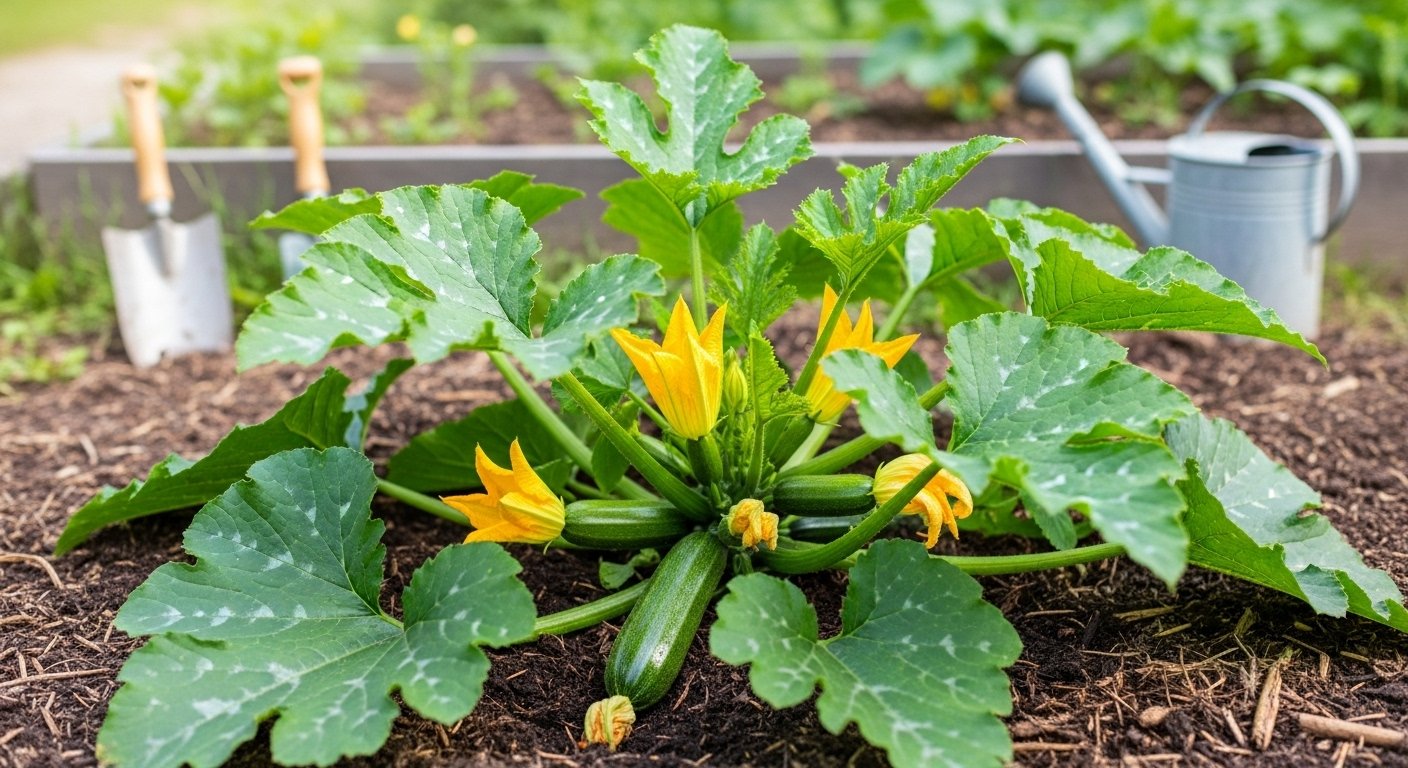
If you’re interested in organic zucchini growing, you’re about to discover one of the most rewarding experiences in home gardening. Zucchini is a favorite among gardeners across the globe—not just because it’s easy to grow, but because a single plant can produce an abundant harvest all season long.
Freshly picked homegrown zucchini has a tender texture and robust flavor that’s hard to find in grocery store varieties, which are often harvested before peak ripeness and shipped long distances. Growing your own means no chemical residues and the satisfaction of eating what you’ve nurtured from seed to harvest.
In this practical guide, we’ll walk you through each step of the organic zucchini growing process—from preparing your soil and choosing the right seeds to planting, watering, managing pests the natural way, and harvesting your bounty. We’ll also share real-world tips for troubleshooting common issues and making the most of your crop.
Whether you’re a beginner or looking to improve your yield, you’ll soon see why zucchini is a staple for anyone wanting to enjoy delicious, healthy, and sustainable food straight from their own backyard.
When and Where to Plant Zucchini
Zucchini thrives when planted after the last spring frost, once soil temperatures reach at least 60°F (16°C)—usually from late spring to early summer, depending on your region. These sun-loving vegetables do best in full sun, which means at least 6 to 8 hours of direct sunlight daily.
For garden beds, pick a spot with loose, rich, and well-draining soil; sandy loam is ideal, but any garden soil amended with compost will help boost fertility and drainage. If your yard tends to have soggy patches after rain, choose a raised bed or container to minimize the risk of root rot.
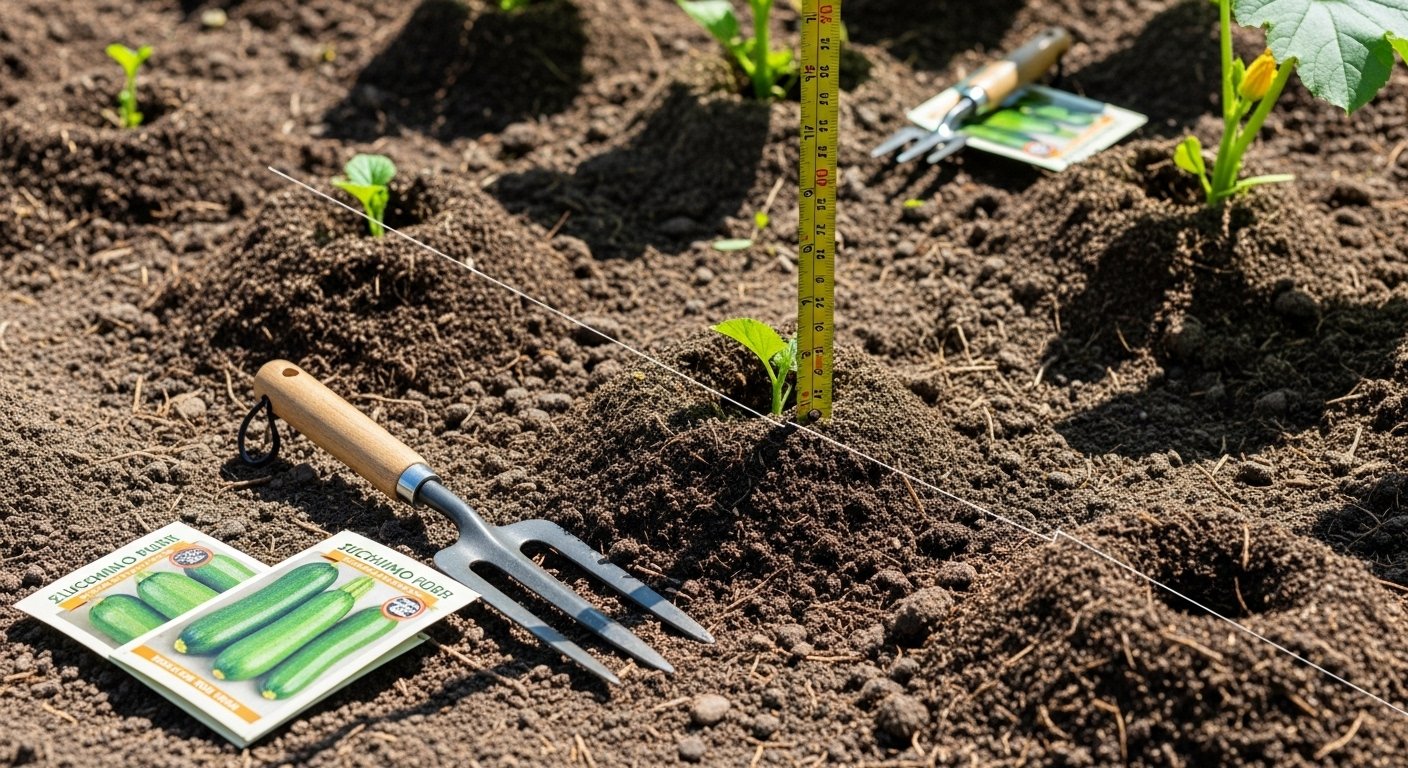
Zucchini plants need space to spread—plant seeds or seedlings about 2 to 3 feet apart, either in rows or hills, to ensure good airflow and reduce disease problems. This spacing also makes harvesting easier.
For containers, pick pots at least 18 inches (46 cm) wide and deep, and use high-quality potting mix. Varieties labeled “compact” or “bush” are especially suitable for smaller spaces. Make sure containers have drainage holes, and set them in the sunniest area available.
Remember to water deeply but avoid soggy soil—especially in containers and raised beds, since they dry out faster than in-ground gardens. By selecting the right time, spot, and planting method, you’ll give your zucchini the best start for a productive season.
How to Plant Zucchini (Seeds or Seedlings)
When it comes to planting zucchini, you have two main options: direct seeding or transplanting seedlings. Direct seeding is generally easier and helps zucchini plants develop strong, deep roots. Transplanting seedlings is great if you want a head start indoors—just be careful, as zucchini roots don’t like being disturbed.
To direct seed, wait until your soil is consistently warm (at least 60°F/16°C). Choose a sunny spot and prepare the soil by mixing in plenty of compost or well-rotted manure to improve nutrition and drainage. Aim for a slightly acidic to neutral pH (6.0–7.0) and loosen the soil to about a foot deep.
Plant zucchini seeds about an inch (2.5 cm) deep, dropping two to three seeds in small hills or mounds spaced 2–3 feet (60–90 cm) apart, with rows about 3–4 feet (90–120 cm) apart. Once seedlings have two sets of leaves, thin to the strongest plant per mound.
If you’re using seedlings, gently transplant them after the last frost, keeping the root ball intact and spacing them as above.
Common Mistakes to Avoid
- Planting too early
- Failing to space plants adequately (crowded plants attract pests and suffer from mildew)
- Overwatering, which can cause seeds to rot before sprouting
Give your zucchini consistent moisture—about an inch per week—but allow the soil to dry slightly between waterings. With good soil preparation, proper timing, and gentle handling, you’ll set your zucchini up for a productive summer harvest.
Caring for Zucchini Plants
Zucchini plants thrive when their soil is kept consistently moist but not soggy. Aim to water deeply at the base of the plant about once or twice a week, adjusting the frequency during heat waves or heavy rain.
Mulching around your zucchinis is a great idea; it helps retain soil moisture, keeps roots cool, and reduces weeds.
For lush growth and plenty of fruit, feed your zucchini every 3-4 weeks with a balanced, all-purpose fertilizer or a vegetable-specific mix, following the package directions for proper dilution. Early in the growth stage, a fertilizer with a bit more nitrogen encourages leaf growth, but once flowers appear, switch to one slightly higher in phosphorus and potassium to support fruiting. Both liquid feeds and slow-release granules work well.
Don’t forget optional care—staking your plants prevents sprawling, especially if space is tight or you’re growing vertically. Gently tie stems to supports as they grow, and remove damaged or overcrowded leaves with clean scissors to improve airflow and reduce the risk of disease.
If leaves turn yellow, check for overwatering, underwatering, or nutrient deficiencies. A soil test or adding a balanced liquid feed can help.
Stunted growth may result from poor soil, pests, or crowding, so keep plants spaced at least two feet apart and inspect them regularly for squash bugs or powdery mildew.
With a little attention and prompt problem-solving, your zucchini will reward you with a bountiful harvest all summer long.
Dealing with Zucchini Pests and Diseases
Zucchini can attract a variety of pests and diseases, but catching problems early makes all the difference. Keep an eye out for tiny holes and ragged edges on leaves—these are signs of cucumber beetles or squash bugs. These pests also leave behind black specks (their droppings) and can quickly stunt young plants.
Aphids may cluster under leaves, causing curling or yellowing as they suck the plant’s juices. As for diseases, powdery mildew appears as white, powdery spots on leaves, while bacterial wilt leads to sudden wilting and collapse.
Preventing and Managing Problems
To reduce issues, avoid overhead watering, clear debris from around plants, and rotate crops each season to prevent soil-borne disease buildup. Try these practical, natural solutions:
- Hand-pick adult bugs.
- Use row covers early in the season to block pests.
- Introduce beneficial insects like ladybugs to control aphid populations.
Neem oil or insecticidal soap can be sprayed sparingly on affected areas to help with both pests and fungal control. Always follow label directions and avoid spraying during the midday sun.
Tips for Disease Prevention
Ensure good air circulation by spacing plants adequately and pruning overcrowded leaves. Mulching with organic straw helps suppress soil-borne pathogens and keeps fruits off wet ground.
If plants do get infected, remove seriously affected leaves and dispose of them (never compost!). Water early in the day so foliage dries quickly, and consider applying a baking soda spray as a gentle homemade fungicide.
Healthier plants are naturally more resilient, so feed your zucchinis with compost or balanced fertilizer. Check them each morning—catching issues fast means you can enjoy an abundant harvest despite pests and diseases.
Harvesting Zucchini and Maximizing Your Yield
Knowing when and how to harvest zucchini makes all the difference in both flavor and productivity. The best time to pick zucchinis is when they’re still small and tender—usually between six to eight inches long, about the size of a slender flashlight. At this stage, their flesh is firmer, and the seeds haven’t grown large, so they taste sweeter and are less watery.
Use a sharp knife or garden shears to cut the stem about an inch above the fruit to avoid damaging the plant. Check your plants every day or two—zucchini can seem to double in size overnight! Harvesting frequently not only gives you the best-tasting vegetables but also signals the plant to produce more. On average, a healthy zucchini plant yields between six and ten pounds of fruit over the season, but with diligent picking, some gardeners see even higher numbers.
Once you have a bumper crop, don’t let those zucchinis go to waste. Fresh zucchini can be enjoyed raw in salads, cooked into stir-fries, or baked into everything from casseroles to muffins. If you find yourself with more zucchini than you can immediately use, consider shredding and freezing it in recipe-ready portions for later.
Zucchini also pickles well, and you can dehydrate slices for snacks or chips. Sharing with friends, neighbors, or local food banks is another great way to make use of your bounty. With the right harvesting habits and a little creativity, you’ll maximize both your zucchini yield and enjoyment all season long.
Conclusion & Quick Tips
Growing healthy, productive zucchini starts with choosing a sunny location, giving plants plenty of space, and keeping the soil consistently moist but not waterlogged. Regular harvesting encourages more fruit to develop, so check your plants daily during peak season.
To avoid common issues like powdery mildew, water at the base of the plants and avoid wetting the leaves. For an extra boost, mix compost into the soil at planting time and use mulch to retain moisture.
If you notice yellowing leaves or poor fruit set, try adding a balanced fertilizer or hand-pollinating the flowers. Zucchini is one of the easiest vegetables for beginners and rewards you quickly—so grab some seeds, get planting, and enjoy fresh, homegrown harvests all summer long!