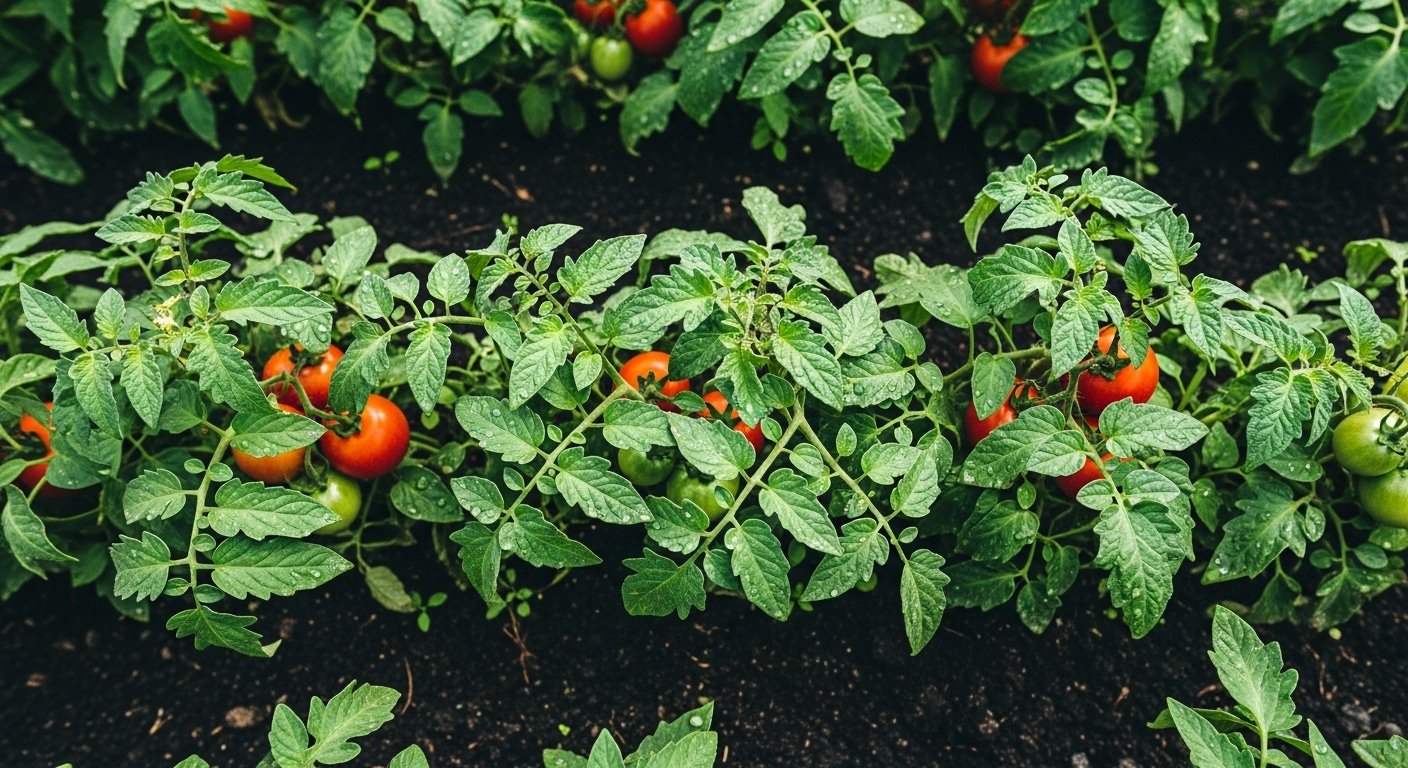
Introduction to Tomato Plant Diseases
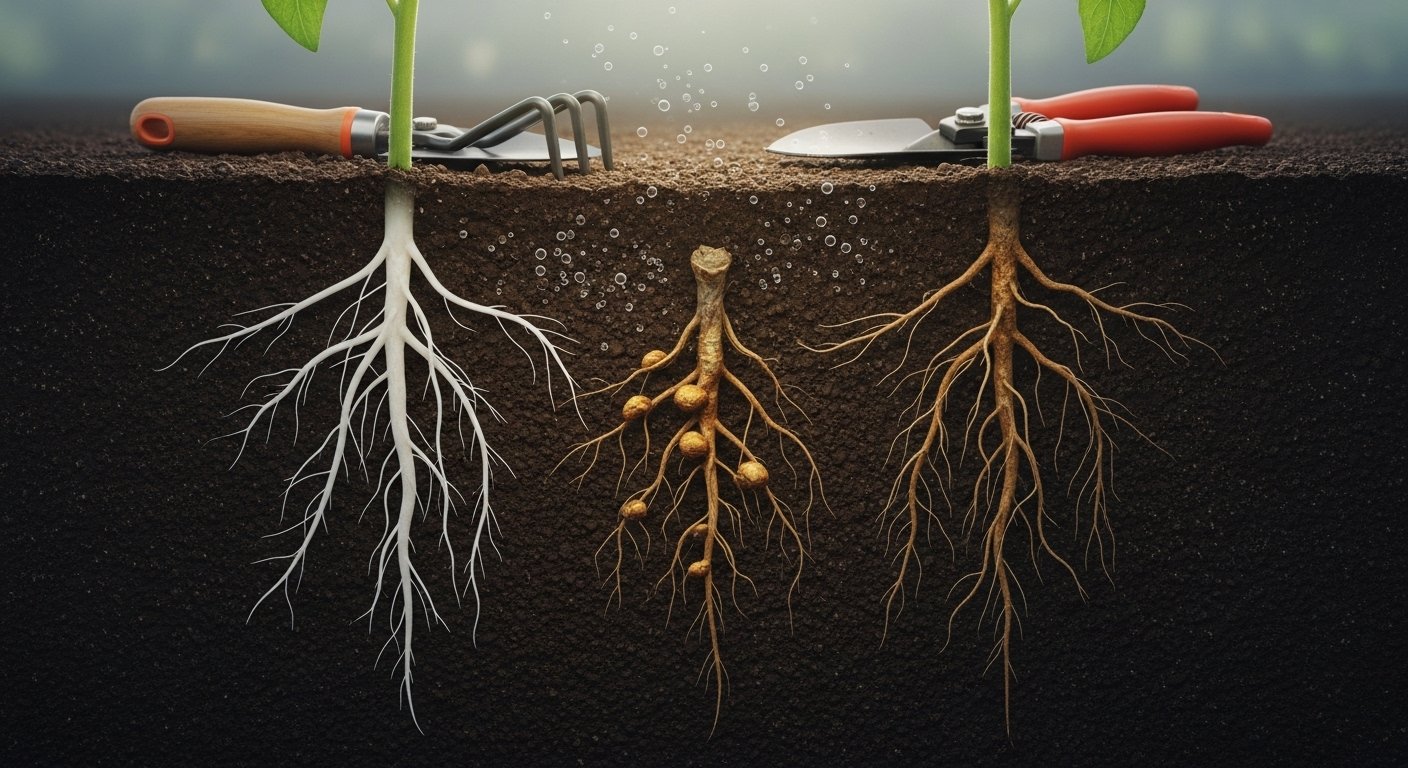
Understanding tomato root issues is essential for gardeners and growers who want to cultivate healthy, productive plants. Whether you’re growing a handful of tomato vines on your balcony or managing acres of commercial crops, knowing how to recognize and address tomato plant diseases can make the difference between robust harvests and disappointing losses. Root-related problems like root rot and girdling are among the most serious threats to tomato health. These issues can quietly undermine your plants, sometimes going unnoticed until the damage is severe—by that point, the plant may already be struggling, yields can be drastically reduced, and the fruit may suffer in both quality and quantity.
Tomato root issues are often the hidden enemy beneath the soil. Diseases that affect the roots impair the plant’s ability to absorb water and nutrients, weakening the entire system. For example, root rot can develop quickly in wet or poorly draining soils, turning the roots soft and brown while stunting growth above ground. Girdling, caused by constrictions or root deformities, cuts off vital transport of water and can kill a plant before it’s even had a chance to fruit. Besides these, there are other root diseases, each with unique symptoms and triggers. Left unchecked, even a single problem can spread rapidly, affecting not just the infected plant but neighboring tomatoes as well.
Recognizing the symptoms early—such as wilting, yellowing leaves, or poor fruit development—can help you intervene before a minor issue becomes a major outbreak. Throughout this blog post, we’ll explore the most common tomato plant diseases that begin at the roots, discuss what causes them, and offer practical strategies for prevention and treatment. Each disease has its own telltale signs and solutions, which we’ll break down in detail to help you keep your tomato plants healthy and thriving all season long.
Common Leaf Symptoms and What They Mean
When you spot unusual changes on your plant’s leaves, each symptom can reveal a lot about its health. Leaf spots—small, brown, black, or yellow dots—often suggest fungal or bacterial diseases. Look for concentric rings or a halo around the spots to indicate a fungal source, while water-soaked, irregular spots may point to bacteria.
Blotches, which are larger, uneven patches of discolored tissue, can signal infections or the damage caused by pests like aphids and leafhoppers sucking the sap. Yellowing (chlorosis) usually starts at the tips or edges and may indicate nutrient deficiencies—such as a lack of nitrogen or iron—but can also result from root rot, compacted soil, or overwatering.
Purple discoloration sometimes comes from a lack of phosphorus, especially in young plants, but can also serve as an early warning for certain viral infections. If leaves are curling or misshapen, check for pests hiding underneath, like aphids or thrips. Also consider if the plant has experienced drought, too much fertilizer, or exposure to herbicides.
Holes or ragged edges typically indicate chewing insects, such as caterpillars or beetles, while smooth-edged holes might be caused by slugs or snails feeding at night. To distinguish between diseases and non-infectious problems, observe the pattern: diseases often appear in random spots and can spread from leaf to leaf or plant to plant, whereas environmental and nutrient issues usually show a symmetrical or uniform pattern across many leaves.
Always inspect both sides of the leaves and the stem, and consider recent weather events or changes in care. By combining keen observations with an understanding of common symptoms, you’ll be better equipped to pinpoint problems and act quickly to help your plants recover.
Disease Symptoms on Stems and Fruits
When it comes to spotting plant diseases, stems and fruits offer some of the most obvious warning signs. On stems, keep an eye out for small sunken lesions or dark spots—these are often the earliest signals of trouble. As diseases progress, lesions can expand to form elongated cankers or splits, which sometimes ooze sap or become covered with spores, making the stem appear discolored and weakened.
Infected stems frequently wilt or collapse entirely, especially in diseases like bacterial wilt or fungal infections, where blockages prevent water from moving up the plant.
Fruit symptoms are just as telling: look for blotches that range from water-soaked spots to dry, scabby patches, as well as discoloration that may turn the fruit brown, black, or show concentric rings of color. Cracks and splits are common, particularly when infections interfere with the fruit’s outer skin, while some diseases cause fruit to become misshapen or fail to develop at all.
For example, blossom end rot in tomatoes causes sunken brown patches, while powdery mildew leaves a fuzzy white coating. When both stems and fruits show widespread symptoms simultaneously, this usually points to a severe, systemic infection—meaning the pathogen is moving throughout the plant’s vascular system. This can happen with soil-borne fungi, aggressive bacteria, or fast-spreading viruses.
If you notice stem cankers along with fruit blotches and wilting, it’s a sign the issue is advanced and urgent action is necessary.
A practical tip is to regularly inspect your plants—catching problems early can be the difference between a manageable outbreak and losing the entire crop. Removing affected stems and fruits, practicing good garden hygiene, and choosing resistant plant varieties are all smart steps to minimize disease impact.
Root and Whole Plant Problems
When your plant starts wilting even though the soil is moist, shows stunted growth, or seems to collapse from the base upward, root and whole plant issues like root rot or vascular diseases might be the cause. These symptoms often begin subtly—a few yellowing leaves, slumped stems—but can quickly escalate to the entire plant failing.
One major culprit is root rot, usually caused by waterlogged soil and pathogens such as Phytophthora, which thrive in damp conditions. Phytophthora attacks roots, turning them brown, soft, and mushy instead of firm and white. Infected plants may appear dry and wilted even though their roots are saturated, which can be confusing for gardeners. Sometimes, you’ll also notice an unpleasant smell coming from the soil, or the roots pull apart easily when touched.
Whole-plant collapse or sudden, widespread symptoms are big red flags; by the time these signs are obvious above the soil, the disease is often advanced and urgent action is needed.
It’s crucial to:
- Stop watering immediately.
- Gently remove the plant to inspect the roots.
- Trim away all affected areas.
- For valuable plants, repot into clean soil and sterilize pots.
- Always avoid overwatering to prevent these serious problems.
Environmental and Biological Factors Affecting Tomato Health
Tomatoes are sensitive to a variety of environmental and biological factors that greatly impact their health and susceptibility to disease. High humidity, for example, creates the perfect environment for fungal diseases like early blight and powdery mildew to thrive and quickly spread within a garden. Warm, moist conditions also help bacteria multiply rapidly, increasing the risk of bacterial spots or wilts.
Temperature swings can stress tomato plants, making them less able to defend against infections. Poor soil drainage is another key risk factor; when water stagnates around roots, it encourages root rot and allows pathogens such as Fusarium and Pythium to survive in the soil, waiting to infect new plants.
Many common tomato pathogens, like the fungi that cause late blight, produce spores that linger in plant debris or even on gardening tools, easily spreading when conditions favor their growth. Wind, rain, and splashing water can move these spores from plant to plant, especially in crowded beds where air circulation is poor.
Pests compound these problems by actively injuring plants as they feed. Tiny insects like aphids, whiteflies, and thrips not only damage leaves and stems but also act as carriers for viral diseases by picking up pathogens from infected plants and depositing them on healthy ones. For example, tomato yellow leaf curl virus spreads in large part thanks to whiteflies, while hornworms create openings in fruit and stems that invite secondary fungal infections.
To reduce risks, it helps to:
- Space plants for better airflow
- Water early in the day to let leaves dry
- Consistently remove plant debris
- Use row covers to keep pests away
- Rotate crops annually to prevent soil-borne disease build-up
By watching environmental conditions and controlling pests, you can drastically minimize disease outbreaks and keep your tomato crop healthy.
Prevention and Control Strategies

Taking simple biosecurity measures can significantly reduce the risk of plant diseases in your garden or on your farm. Start with tool sanitation: always clean pruning shears, shovels, and gloves with a disinfectant (like a diluted bleach solution) between working on different plants or sections of your garden.
Crop rotation is also highly effective; change the type of crop you grow in the same spot each season to disrupt disease cycles and give the soil time to recover. Whenever possible, select and plant disease-resistant varieties suited to your area, which can dramatically cut down on infections from the start.
In addition to these preventative steps, proactive control is essential. As soon as you spot a sickly plant—yellowing leaves, wilt, strange spots—remove and dispose of it well away from the rest of your crops. Don’t compost infected material unless you’re sure your compost gets hot enough to kill pathogens.
If chemical control is warranted, always follow recommended guidelines for fungicides or pesticides. Overuse can harm beneficial insects and the environment, while underuse can be ineffective.
To catch problems early, make it a habit to regularly walk through your garden and inspect plants individually, especially after rain or periods of humidity when diseases tend to thrive. Early intervention often means the difference between a manageable problem and a full-blown outbreak.
Finally, if you notice unusual symptoms that you can’t identify—a sudden wilting, an odd growth, or a disease that’s spreading rapidly—don’t hesitate to contact your local agricultural extension office or plant clinic. They can help diagnose issues and recommend region-specific solutions, ensuring your efforts to protect your plants are as effective as possible.
Quick Reference Guide: Tomato Plant Problems and Solutions
Tomato plants are prone to a variety of problems, but quick identification leads to fast solutions.
Yellowing leaves often signal overwatering or nutrient deficiencies; try cutting back on watering and feed with a balanced fertilizer.
Wilted plants can mean root rot or pests like nematodes—remove affected plants and rotate crops to discourage future infestations.
Brown spots or black lesions usually point to fungal diseases like blight; prune affected leaves and apply an appropriate fungicide.
Holes in leaves often result from caterpillars or beetles—inspect your plants regularly and remove pests by hand or use organic insecticides.
If you notice curled or distorted leaves, suspect viral diseases or aphids; remove infected areas and spray with insecticidal soap for pests.
Blossom end rot, seen as dark, sunken spots on fruit bottoms, is usually caused by calcium deficiency or inconsistent watering—adjust your watering habits and add calcium to the soil as needed.
For small, unripe, dropping fruits, temperature swings or insufficient pollination are likely at fault; protect plants from extreme weather and gently shake stems during flowering to aid pollination.
Use this quick-reference guide to spot issues early, take corrective action swiftly, and keep your tomato crop healthy all season long.