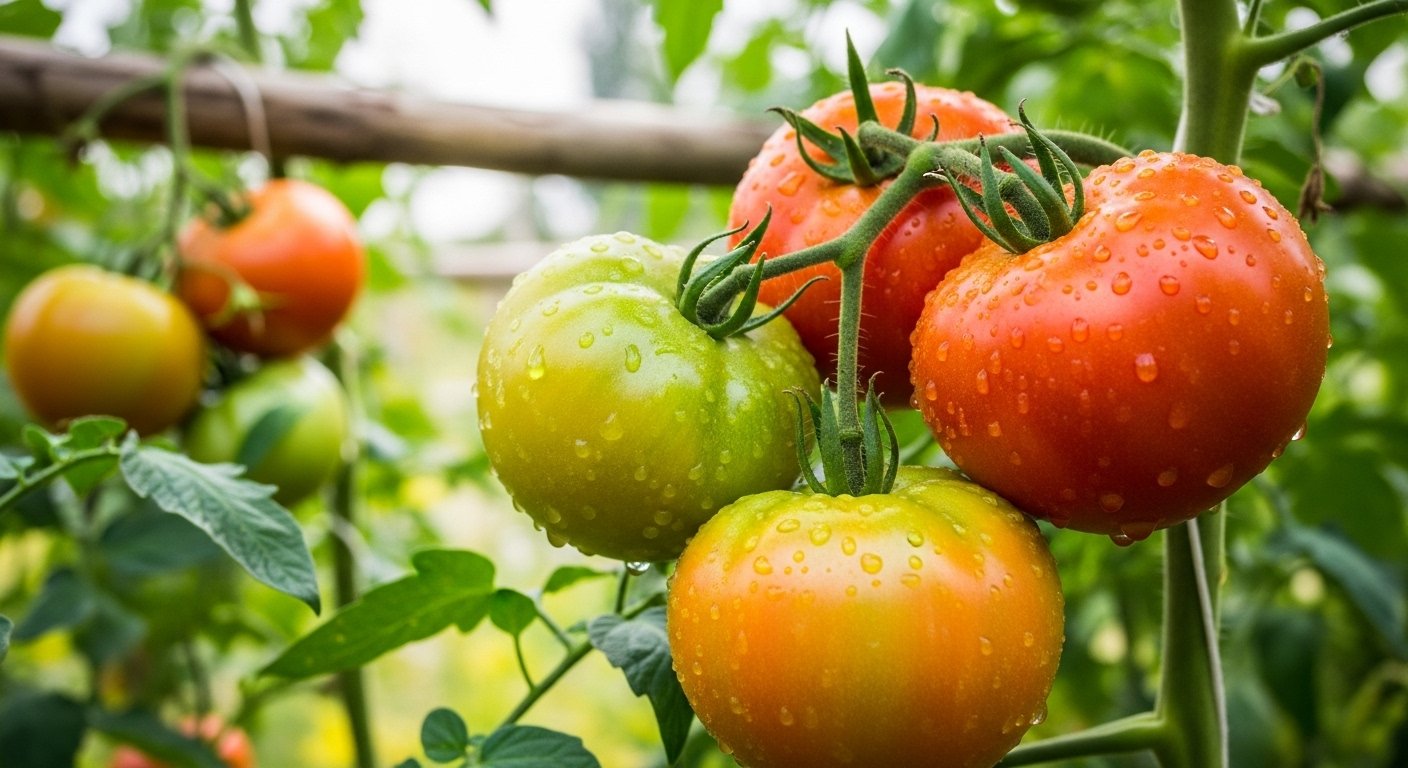
Why Tomatoes Take Time to Ripen
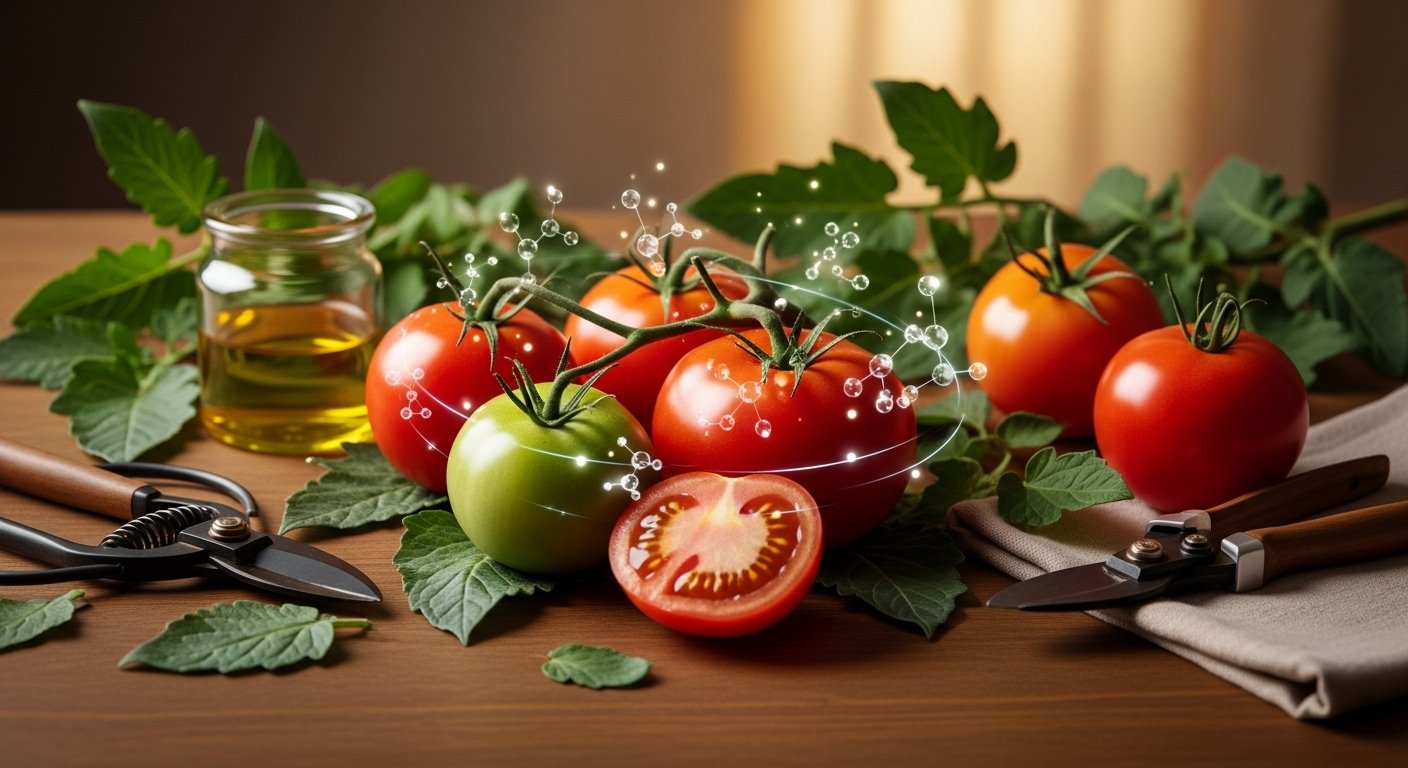
If you’re searching for quick-ripening tomatoes, you’re probably eager to bring that fresh homegrown flavor to your table sooner rather than later. Understanding why tomatoes take the time they do to ripen can help you make informed choices about varieties and growing techniques.
At the heart of the ripening process is ethylene gas, a natural plant hormone. When a tomato fruit reaches a certain stage of growth, it begins to emit ethylene, which triggers a series of chemical changes: chlorophyll breaks down (turning the fruit from green to red or yellow), sugars accumulate, and acids mellow—all making your tomato flavorful and ready to eat.
Factors Affecting Ripening Speed
Several factors can speed up or slow down this process. Temperature is one of the biggest influences:
- Tomatoes typically ripen best between 68°F and 77°F (20°C to 25°C).
- Cooler weather can stall ripening, while extreme heat above 85°F (29°C) may inhibit color change.
- Humidity, sunlight, and airflow each play a role, too.
The genetic makeup of your chosen tomato variety is just as important. Quick-ripening tomatoes, such as ‘Early Girl,’ ‘Stupice,’ or ‘Fourth of July,’ are bred to flower, set fruit, and ripen earlier than traditional types. These varieties can reach readiness in as little as 50 to 60 days after transplanting, meaning you could pick your first ripe fruits before the season hits its peak.
By contrast, larger heirloom or beefsteak tomatoes might take upwards of 80 days from planting to harvest. Most tomatoes, regardless of type, will begin to change color about 40 to 50 days after flowering, with full ripening following about a week after that initial blush.
Tips for Faster Homegrown Flavor
For gardeners craving homegrown flavor with minimal wait, choosing quick-ripening tomatoes and optimizing your climate conditions can truly make all the difference.
Tomato Ripening Stages: What to Watch For
Understanding tomato ripening stages can help you pick your fruit at the perfect moment. Tomatoes start in the “green” stage, when they’re firm and fully grown but the entire fruit is bright green—at this point, they aren’t ready to eat yet.
Next comes the “breaker” stage, where a blush of pink or yellow appears at the base, signaling the first signs of ripening. If pests are a concern, you can pick tomatoes at this stage and finish ripening them indoors.
The “turning” stage happens when 10-30% of the surface shows color—often shades of pink or orange—while the rest of the tomato’s skin remains green.
“Pink” tomatoes show even more development, with 30-60% of their skin in a rosy shade and just a bit of green near the stem.
By the “light red” stage, 60-90% of the skin is red or deep pink, but the fruit is still a little firm.
Finally, the “red” stage means the entire tomato is an even, rich red, soft to the touch, and at peak sweetness and juiciness.
For most varieties, picking at the light red stage allows them to finish ripening off the vine without sacrificing flavor and helps avoid cracking from rain. Larger heirlooms and beefsteaks may need a touch more time on the vine to develop full flavor, while cherry and grape tomatoes can usually be picked once they show true color.
Monitor your plants often, noting that different varieties may reach ripeness at slightly different stages—Roma tomatoes, for instance, are best when slightly firm, while slicers can stand a little more softness.
Keep an eye out for consistent color, gentle give when pressed, and ease of detachment from the vine to help you harvest the perfect tomato for your table.
How to Ripen Tomatoes on the Vine
Ripening tomatoes on the vine can be incredibly rewarding—and the key is to give your plants just what they need at the right time. Make sure your tomatoes get plenty of direct sunlight, ideally six to eight hours a day, since sunlight fuels the ripening process.
Water deeply but less frequently, allowing the soil to dry slightly between waterings. Too much moisture can lead to watered-down flavor and may cause fruit to crack or rot.
Prune away excess foliage around the fruit to let in more sunlight and improve air circulation, but be careful not to remove too many leaves, as the plant still needs them for photosynthesis and protection.
If you notice uneven ripening, such as green shoulders, it’s usually because of inconsistent sunlight or nutrients. Try gently rotating the fruit so all sides get light, and ensure even feeding with a balanced fertilizer.
If your tomatoes stop ripening or mature fruit stays green, watch for cool temperatures (below 60°F) or sudden hot spells (above 85°F), both of which can slow or halt ripening. In cooler weather, use row covers or old bed sheets at night to trap warmth.
Too much rain or overwatering can also stress plants, so shield them from excessive moisture if possible.
For stubbornly slow fruit, pinch off the plant’s new flowers and tiny fruit late in the season so the bush can channel energy toward ripening what’s already growing.
With a little care—from regular pruning to mindful watering—you can encourage your tomatoes to reach their red, flavorful peak right on the vine.
How to Ripen Tomatoes Off the Vine
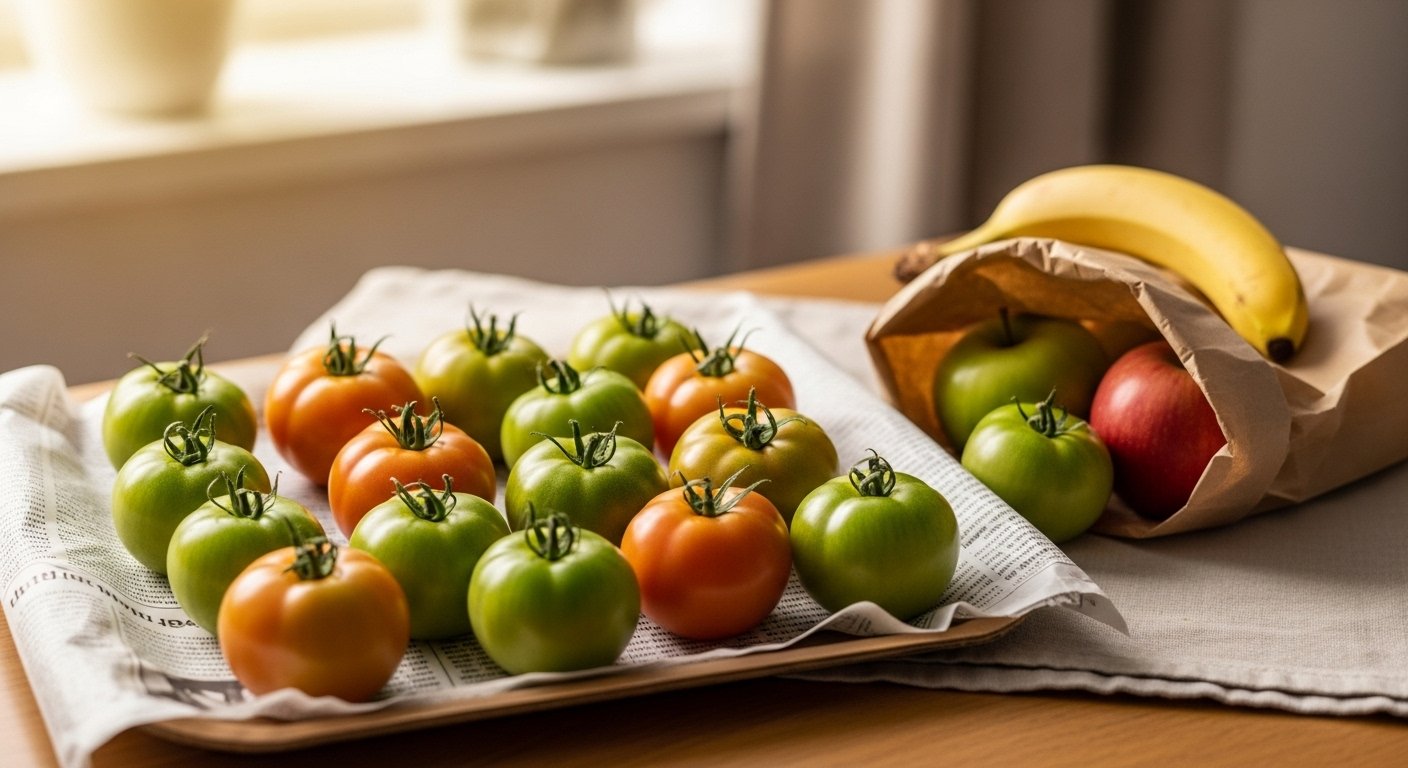
Ripening tomatoes off the vine is a handy trick when you need to harvest early—maybe bad weather is on the way, there’s a frost warning, or garden pests are moving in.
To ripen your green or slightly underripe tomatoes indoors, start by keeping them at room temperature (around 65–70°F) and away from direct sunlight, which can cause uneven color and tough skins.
One of the simplest methods is to place tomatoes in a paper bag; this traps ethylene gas—a natural plant hormone they produce—which speeds up ripening. For even faster results, add an ethylene-producing fruit like a banana or apple to the bag; these fruits emit extra ethylene and can encourage tomatoes to blush red more quickly.
Check the bag daily for ripeness and remove any overripe or moldy tomatoes to keep the rest fresh.
Alternatively, spread tomatoes out in a single layer in a cardboard box or shallow tray, separated so they don’t touch, and cover lightly with newspaper to retain some humidity while allowing airflow.
Wherever you ripen them, avoid putting tomatoes next to a sunny window, as heat and sunlight can make skins leathery or lead to spoilage.
By bringing tomatoes indoors at the right time and using these simple methods, you’ll outsmart the weather and wildlife while still enjoying garden-fresh flavor.
What to Do With Overripe and Green Tomatoes
Overripe and green tomatoes don’t have to go to waste—each offers unique flavors and uses in the kitchen. Overripe tomatoes, with their juicy softness, are perfect for blending into sauces, soups, and salsas. Try simmering them into a classic marinara, blitzing them into a refreshing gazpacho, or roasting them with garlic and olive oil for a concentrated, sweet topping for toast or pasta. If you have a large batch, freezing or canning homemade tomato sauce is a great way to preserve their flavor for later.
Green tomatoes, on the other hand, bring a firm texture and tart bite that shines in fried green tomato recipes—just slice, dip in cornmeal, and pan-fry until golden and crispy. They also work wonderfully when chopped into chutneys or relishes, adding zing to your sandwiches or grilled meats. Plus, they make delicious homemade pickles that will keep for months in the fridge.
Always inspect your tomatoes for mold, off smells, or slimy textures—overripe is fine as long as there’s no spoilage, while green tomatoes should be firm and blemish-free. By using tomatoes at different ripeness levels creatively, you’ll cut down on food waste and discover new flavors in your kitchen.
Troubleshooting Common Ripening Problems
It’s frustrating to wait for your tomatoes to turn red, only to see them stubbornly stay green or ripen with strange blotches. If your fruit refuses to ripen, start by checking the basics: tomatoes need warmth—ideally between 70 and 85°F—and plenty of light. Cool weather or prolonged cloudy days can stall ripening. If days are too hot (consistently above 90°F), tomatoes might also “pause” until temperatures drop.
Uneven ripening, such as yellow shoulders or green tops, can be caused by a lack of sunlight, potassium deficiency, or uneven watering. Try these steps:
- Prune excess foliage to increase airflow and light
- Use a balanced fertilizer
- Water deeply but consistently
Pests like aphids and diseases such as blight can also disrupt ripening. Look for sticky residue, distorted leaves, or dark spots, and if you spot any, treat plants quickly with organic sprays or remove damaged fruit.
If you regularly struggle with ripening despite your best efforts, try picking mature green tomatoes before frost and let them finish ripening indoors. Placing them in a paper bag with a ripe banana can speed this process up.
For persistent problems, your local agricultural extension office or a reputable gardening forum can offer advice tailored to your region’s challenges. Above all, keep experimenting, since each season can bring new surprises and opportunities to adapt your approach.