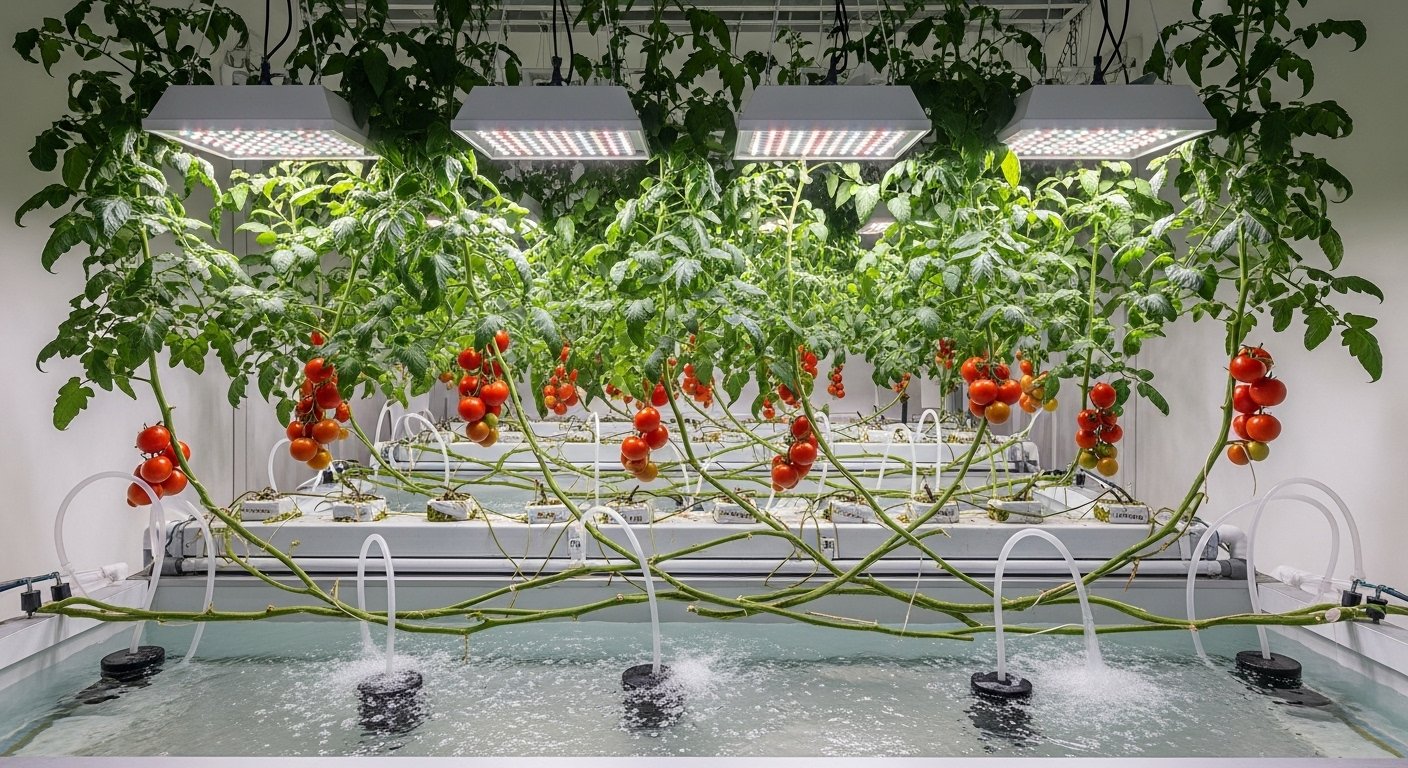
Hydroponic Tomatoes
Hydroponic tomatoes are quickly gaining popularity among urban gardeners and commercial growers who want fresh, flavorful produce year-round. Unlike traditional soil-grown tomatoes, hydroponic tomatoes thrive in nutrient-rich water, allowing them to be grown indoors or in areas with poor soil.
Curious about how this method works and whether it’s right for you? In this guide, you’ll learn how hydroponic tomato systems differ from soil-based setups, the pros and cons of going soil-less, and easy steps for beginners to get started.
Whether you’re a hobbyist looking to enjoy homegrown salads in winter or dreaming of bigger yields in less space, this article will give you the essentials to grow thriving hydroponic tomatoes from seed to harvest.
What Is Hydroponic Tomato Growing?
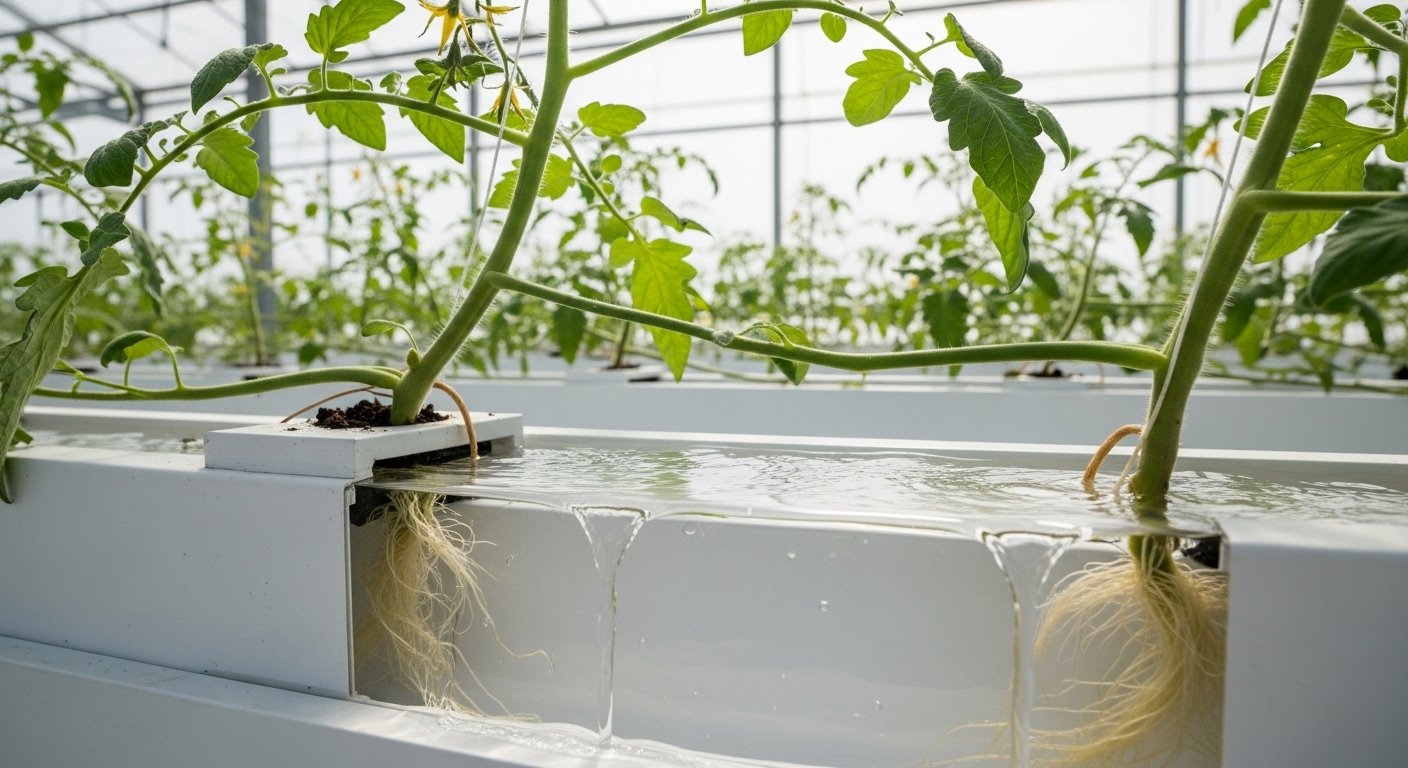
Hydroponic tomato growing is a method of cultivating tomatoes without using soil—instead, plants receive nutrients from a water-based solution. Unlike traditional gardening, where tomato roots must search for nutrients in the soil, hydroponic setups deliver a perfectly balanced mix of nutrients directly to the plant roots, often leading to faster growth and higher yields.
Among the popular hydroponic systems for tomatoes:
- Nutrient Film Technique (NFT): a thin nutrient solution flows continuously over the roots.
- Deep Water Culture (DWC): plant roots are suspended in oxygenated, nutrient-rich water.
- Drip Systems: gently feed each plant with drips of solution on a set schedule.
These systems are especially effective in greenhouses or indoor environments, giving growers control over light, humidity, and temperature. Hydroponic tomato growing offers the advantage of year-round cultivation, so you’re not limited by outdoor seasons. It also requires less space than soil gardening—making it ideal for urban balconies, rooftops, or homes with limited yard space.
Additionally, since there’s no soil, many pests and diseases are less of a concern, meaning fewer pesticides and cleaner produce. For beginners, starting small with a simple DWC bucket or countertop kit can be a fun and eye-opening way to discover just how efficiently tomatoes can thrive with only water, nutrients, and a little care.
Benefits of Growing Tomatoes Hydroponically
Growing tomatoes hydroponically offers a host of advantages that appeal to both home gardeners and commercial growers. First, hydroponic systems deliver water and nutrients directly to the plant roots, leading to faster growth compared to soil-based methods—many growers report harvesting ripe tomatoes weeks ahead of traditional timelines.
This direct feeding also translates to higher yields per plant and per square foot, making hydroponics a smart solution for those with limited space.
Pest and disease control is easier, as soil-borne problems are minimized and environments can be more tightly regulated. Simple actions like installing mesh screens or regularly cleaning equipment can significantly reduce potential issues.
Resource efficiency is another compelling benefit: hydroponics uses up to 90% less water than conventional agriculture since water cycles through closed systems and is absorbed more efficiently by the plants. Nutrients are similarly optimized, supplied in precise amounts, so there’s little waste or runoff—good for both your budget and the environment.
Since you don’t need to rotate soil or worry about depleting ground nutrients, hydroponics can be set up in places with poor land quality or indoors.
Many enthusiasts note that hydroponically grown tomatoes can be sweeter or more flavorful, likely due to fine control over nutrition and growing conditions. Some studies suggest these tomatoes may also be more nutrient-dense, packed with vitamins and antioxidants.
If taste, efficiency, and plant health are priorities for you, hydroponic tomato gardening is definitely worth considering.
Choosing the Right Hydroponic System for Tomatoes
When it comes to growing tomatoes hydroponically, the main systems to consider are Deep Water Culture (DWC), Nutrient Film Technique (NFT), drip systems, and ebb and flow setups.
DWC is beginner-friendly, affordable, and requires minimal equipment—just air stones and a reservoir—but can struggle with larger plants like tomatoes, which need support and plenty of oxygen.
NFT systems work best for lighter crops; tomatoes often outgrow their shallow channels and are prone to root blockages, making them less ideal unless custom-built for larger root zones.
Drip hydroponics is a favorite for tomatoes: it offers flexible plant spacing, handles big fruiting vines well, and scales easily from a few plants to a greenhouse. However, the setup is a bit pricier and involves regular cleaning to prevent clogs.
Ebb and flow systems suit tomatoes by flooding and draining the roots, promoting growth, but require more space and careful timer management.
For beginners on a budget, start small with a simple DWC or bucket drip system—many home growers enjoy success with just five-gallon buckets or storage totes. Just ensure you have enough vertical space, as tomatoes grow tall.
Commercial ambitions? Focus on drip or hybrid systems, which support hundreds of plants and automate watering.
Whichever system you choose, starting simple and scaling up as you gain experience is the best path to a thriving tomato harvest.
Step-by-Step Guide to Growing Hydroponic Tomatoes
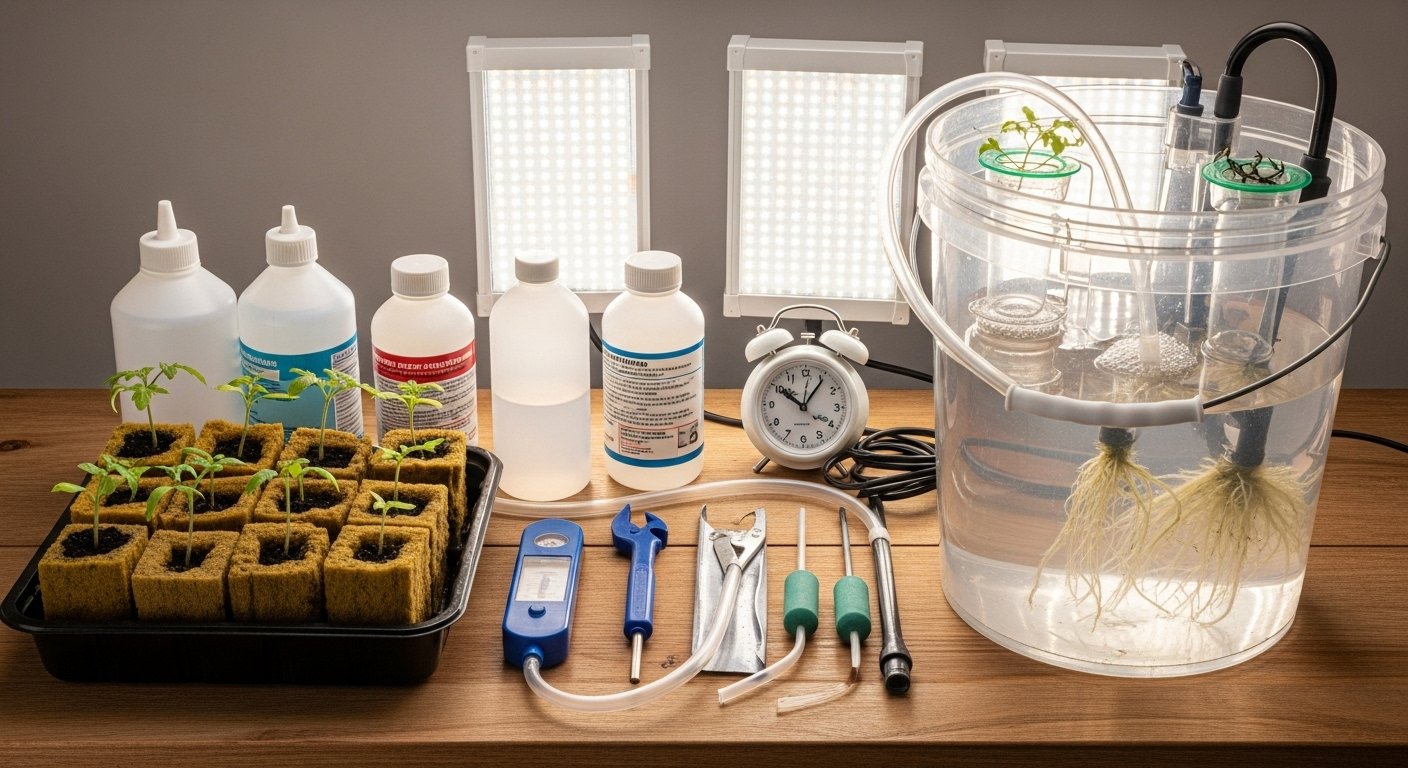
Starting your hydroponic tomato journey begins with choosing high-quality, disease-resistant seeds—look for varieties like ‘Celebrity’ or ‘Cherokee Purple’ known to thrive in controlled environments. Start seeds in rockwool cubes or coconut coir soaked in pH-balanced water (5.5–6.0). Keep them in a warm (70–75°F), well-lit spot using LED grow lights for 14–16 hours a day.
Once seedlings grow their first set of true leaves, move them into your hydroponic system. Deep water culture (DWC) and nutrient film technique (NFT) are popular choices. Ensure roots have plenty of oxygen and the water temperature stays between 65–70°F to prevent root rot.
Position your plants 18–24 inches below bright, full-spectrum LEDs, maintaining a temperature range of 65–80°F and 50–70% humidity. Tomatoes are heavy feeders, so invest in a hydroponic nutrient solution formulated for fruiting crops, rich in potassium and calcium. Regularly monitor electrical conductivity (EC) and pH levels—correct these as needed to prevent stunted growth or yellowing leaves.
Prune plants to improve airflow and remove suckers. Hand pollinate blossoms by gently shaking branches, especially if your system is indoors away from natural pollinators.
Watch for wilting, brown spots, or slimy roots, which may signal root rot. Combat this by improving oxygenation and changing the reservoir water more frequently. Leaf discoloration or poor growth usually signals a nutrient imbalance, easily fixed by adjusting your solution formula.
Keep a weekly checklist to monitor plant progress, nutrient concentrations, and signs of pests or disease. Regular, simple care—checking lights, trimming leaves, and keeping the system clean—leads to high yields and delicious, healthy hydroponic tomatoes year-round.
Hydroponic Tomatoes vs. Soil-Grown Tomatoes
When comparing hydroponic tomatoes to soil-grown tomatoes, several key differences stand out. Hydroponic systems typically promote faster growth rates because plants receive optimal water and nutrients directly at their roots, leading to higher yields—some growers report up to double the output per square foot compared to traditional soil gardens.
In terms of resource consumption, hydroponics often uses less water, recycling up to 90% through the system, while soil cultivation can be much more water-intensive and prone to runoff.
However, soil-grown tomatoes often earn praise for their richer, more complex flavor and firmer texture. Taste tests and consumer feedback frequently highlight the fuller, sun-ripened profile of tomatoes grown directly in the earth. Hydroponic varieties, while consistent in appearance and size, can sometimes taste milder, though advancements in nutrient formulas are closing that gap.
From an environmental standpoint, hydroponics reduces the need for pesticides and enables urban farming with less land, but it relies on synthetic nutrients and energy for pumps and lighting. This raises questions about long-term sustainability if powered by fossil fuels. Soil-based methods, when managed organically, support biodiversity and soil health but can require more land and natural resources.
Ultimately, the best choice depends on your priorities—efficiency and yield, flavor, or ecological footprint.
Tips for Success and Common Mistakes to Avoid
Achieving success in hydroponic gardening starts with staying on top of the basics. Regularly monitor your water’s pH level, aiming for a range between 5.5 and 6.5, since improper pH can block nutrient uptake and stunt your plants.
Pruning is another must; trimming excess leaves helps light and air reach all parts of your plants, leading to healthier growth and bigger yields.
Don’t fall into the common beginner trap of overcrowding your system—give each plant enough space so roots can breathe and leaves can get enough light.
When mixing nutrients, follow the manufacturer’s instructions precisely and resist the urge to “eyeball” amounts, as too much or too little can harm your plants.
It’s also easy to overlook equipment maintenance, but cleaning your system often prevents blockages and disease.
If things don’t go perfectly at first, don’t get discouraged—most hydroponic growers face setbacks in the beginning. The key is to be patient, learn from mistakes, and keep experimenting with different techniques to see what works in your space.
Over time, your confidence and results will grow, making each harvest more rewarding than the last.
Conclusion & Resources
Growing your own plants can be truly rewarding, whether you’re harvesting homegrown herbs or starting your first vegetable patch. Remember to begin with easy crops, use quality soil, and stay attentive to watering and sunlight needs. Don’t get discouraged by setbacks—they’re part of the learning process!
There are plenty of free resources online, like gardening forums and local extension websites, to help you troubleshoot and improve your skills. We’d love to hear how your growing journey is going. Share your experiences or questions in the comments below and connect with fellow new gardeners!