Introduction
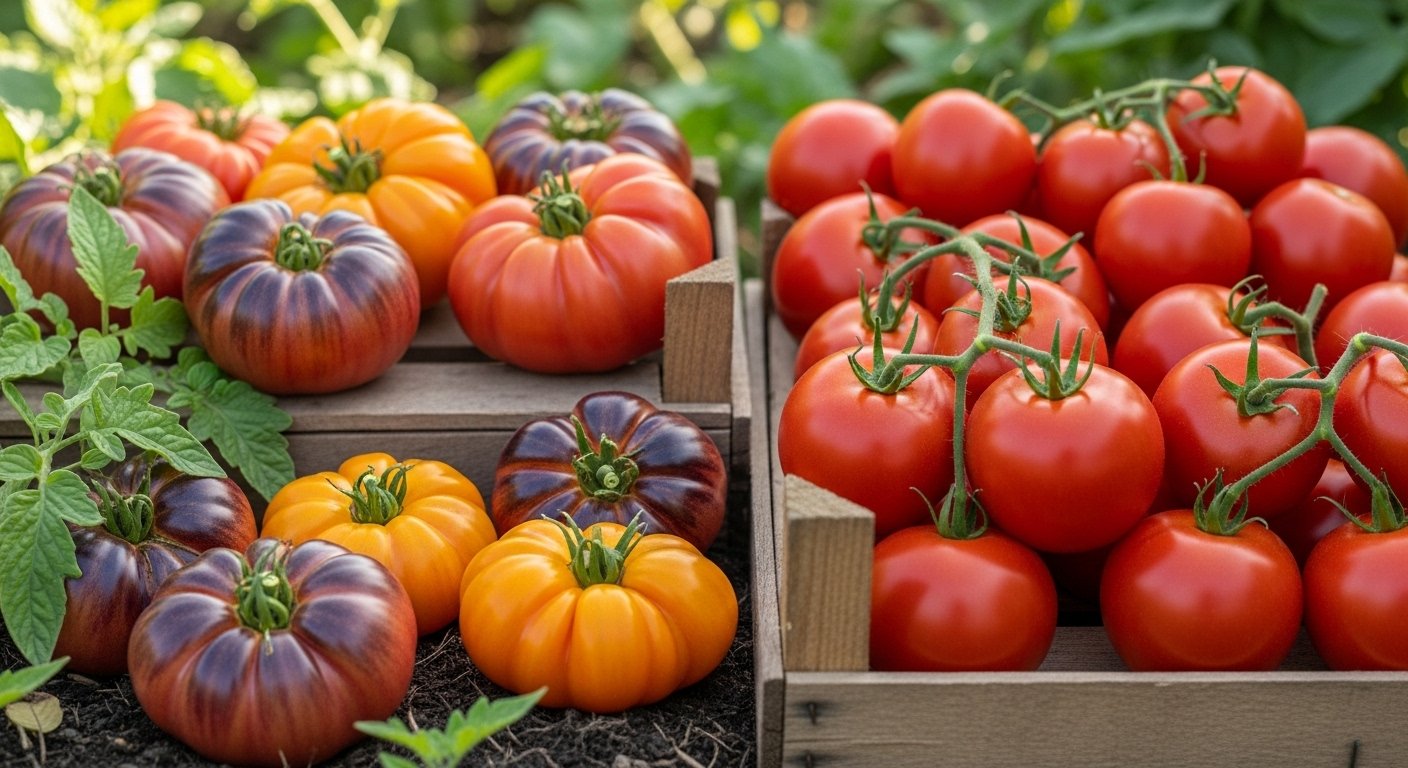
When it comes to planning your garden, the debate between heirloom and hybrid tomatoes often takes center stage. Heirloom seeds are open-pollinated varieties passed down through generations, prized for their diverse flavors, unique shapes, and deep ties to gardening history. In contrast, hybrid seeds are created by crossing two different tomato varieties to enhance specific traits like disease resistance, uniformity, or higher yields.
But why does this distinction matter? For home gardeners, heirlooms can offer exceptional taste and save-able seeds for next year, while hybrids provide reliability and vigor—especially important for those with limited space or challenging climates. Farmers may lean toward hybrids for consistent crop performance, while food enthusiasts often treasure the complex flavors and stories behind heirlooms.
In this article, we’ll break down the characteristics, pros, and cons of both heirloom and hybrid tomatoes, share tips for choosing based on your gardening goals and taste preferences, and offer real-world examples to guide your decision. Whether you’re growing for the first time or looking to expand your tomato collection, understanding heirloom versus hybrid tomatoes will help you get the most out of your garden and your plate.
What are Heirloom Seeds?
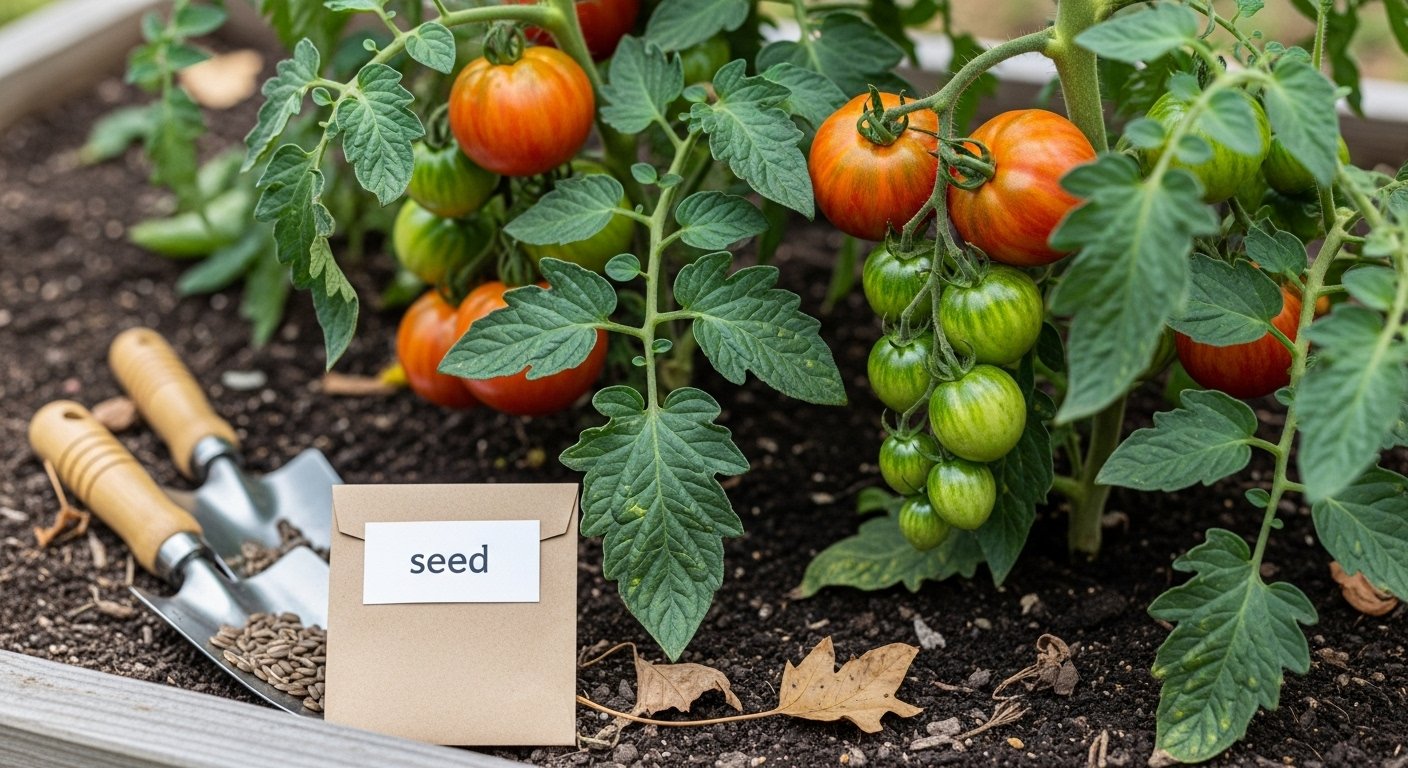
Heirloom seeds are cherished varieties of vegetables, fruits, and flowers that have been passed down through multiple generations, often within families or local communities. Their defining trait is that they are open-pollinated, meaning they are naturally pollinated by insects, birds, wind, or human hands. This natural pollination allows gardeners to save seeds from one year’s harvest and plant them again, preserving the exact genetic traits—flavor, color, and growing habits—of the original crop.
Unlike commercial hybrids, heirloom seeds have rich histories, sometimes traced back over a century. Many carry stories that accompany their names, reflecting their journeys from ancestral farms or distant lands.
Benefits of Growing Heirloom Seeds
- They typically boast tastier, more complex flavors than mass-market varieties.
- Offer a dazzling range of colors and shapes.
- Help maintain crucial genetic diversity in our food supply.
- Have adapted to specific local environments over generations, making them resilient to regional pests or climate conditions.
Potential Drawbacks
- Heirloom plants may produce crops that are less uniform in size and appearance—that quirky tomato shape or uneven carrot color is part of their charm but may not suit all gardeners or market growers.
- Yields can be lower compared to carefully bred hybrid varieties optimized for productivity and disease resistance.
Still, for home gardeners and small-scale growers, the chance to taste old-fashioned flavors and keep living history alive makes growing heirloom seeds a rewarding choice.
Getting Started
If you want to get started, local seed exchanges, farmers’ markets, and specialized catalogs are great sources for discovering rare and beloved heirloom varieties.
What are Hybrid Seeds?
Hybrid seeds are the product of a controlled process called hybridization, where two distinct parent plants are cross-bred to combine their best traits—such as high yield, disease resistance, or uniform appearance—into a single new variety. This process is not genetic modification (GMO); rather, it’s traditional plant breeding done with precision.
For example, a breeder might cross a tomato plant known for its juicy flavor with another that resists common diseases, hoping the resulting offspring inherit both qualities. The first generation from this cross is called an F1 hybrid, and it often shows what’s called hybrid vigor—meaning these plants grow faster, stronger, and sometimes handle pests and poor weather better than either parent.
Gardeners and commercial farmers appreciate hybrids for their reliability: when you plant hybrid seeds, you can count on nearly every plant looking and performing the same, making harvests more predictable and easier to manage.
However, a major downside is that you can’t reliably save seeds from hybrid plants. The next generation—grown from seeds of F1 hybrids—will split the parent’s traits in unpredictable ways, often losing those prized characteristics that made the hybrid special in the first place. This means growers must buy new hybrid seeds each season to maintain crop quality.
While hybrid seeds offer big benefits in terms of growth and resilience, they do tie growers to purchasing new seeds year after year rather than continuing a line from their own harvest. For home gardeners who enjoy experimenting, growing hybrids can be a fun way to try new plant types, but it’s important to plan ahead if you aim to save seeds for future use.
Key Differences Between Heirloom and Hybrid Seeds
When choosing between heirloom and hybrid seeds for your garden, it’s helpful to understand how they differ—starting with seed saving. Heirloom seeds are open-pollinated, which means you can reliably save seeds from your harvest and expect them to grow true to type year after year. This genetic stability makes heirlooms favorites among gardeners who want to cultivate plants uniquely adapted to their local conditions, as these varieties often evolve and improve through ongoing adaptation.
In contrast, hybrid seeds are bred from two different parent plants to produce very specific traits, like disease resistance or higher yields. However, seeds saved from hybrids are genetically unstable and rarely produce consistent results in future generations, forcing gardeners to buy fresh seed each season if they want the same characteristics.
In terms of plant traits, heirlooms often boast distinctive shapes, colors, and rich, authentic flavors—think of the deep, sweet taste of a Brandywine tomato—while hybrids are typically chosen for uniform appearance, extended shelf life, and productivity, making them popular in commercial agriculture. But this push for consistency can sometimes sacrifice taste or diversity.
The implications go beyond your garden: growing heirlooms helps sustain biodiversity and protect culturally important varieties that might otherwise disappear, supporting more resilient food systems.
If you value unique flavors, seed saving, and supporting ecological diversity, heirlooms are a rewarding choice. On the other hand, if you want maximum yield, disease resistance, and hassle-free results, hybrids may better suit your gardening style—especially for beginners or those with limited growing space.
Which Should You Choose?
Choosing between heirloom and hybrid seeds largely depends on your gardening situation and personal priorities. Urban gardeners with limited space might prefer hybrid varieties, engineered for compact growth and disease resistance, to maximize yield on balconies or small plots.
Backyard hobbyists seeking unique flavors and the joy of saving seeds year after year may lean toward heirlooms, appreciating their rich history and diverse tastes. Commercial farmers often favor hybrids since reliable yield, uniformity, and resilience to pests or weather are crucial for profit.
Meanwhile, seed savers value heirlooms for their open-pollinated traits, which allow them to harvest and store seeds for future seasons. Consider your main goal: are you aiming for that unique homegrown tomato taste, or do you need a dependable harvest?
Also, weigh factors like local disease challenges, climate, and your commitment to preserving plant diversity. Remember, you don’t have to choose just one—mixing both types can balance novelty with dependability.
Finally, always source seeds from reputable suppliers, whether local nurseries, trusted online shops, or established seed exchanges, to ensure quality and authenticity in your garden.
Tips for Growing Heirloom and Hybrid Seeds
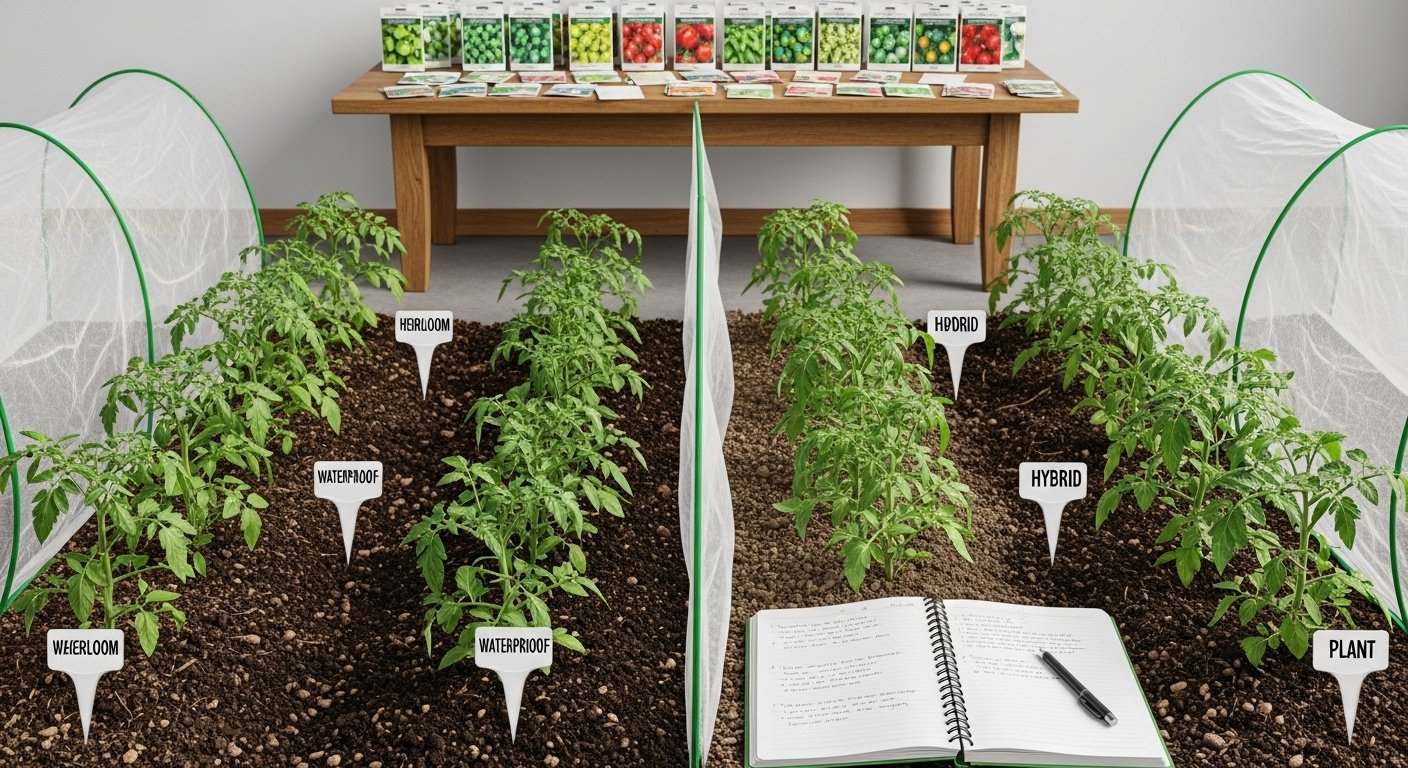
When growing heirloom and hybrid seeds, planning ahead is key. Start by mapping out your garden and spacing plant varieties carefully—especially if you want to save seeds from heirlooms without accidental cross-pollination.
For instance, plant heirloom tomatoes and hybrid varieties far apart, and consider using physical barriers like row covers or even hand-pollinating flowers before bagging them.
Label each plant with waterproof tags so you can easily track different varieties over the season, and keep a simple notebook or digital record for observations and harvest dates.
When it comes to harvesting heirloom seeds, let the fruit fully mature on the vine, then clean and dry seeds thoroughly before storing them in labeled envelopes in a cool, dry place. Saving seeds this way can help preserve unique flavors and traits for next season.
To deepen your knowledge and connect with fellow gardeners, check out local seed libraries, gardening clubs, or online groups like Seed Savers Exchange and Reddit’s gardening forums. These communities are great for swapping seeds, trading tips, and finding support as you experiment with both heirloom and hybrid varieties.
Conclusion
Ultimately, the core differences between these options come down to your specific needs, preferences, and goals—there’s no one-size-fits-all answer. The best approach is often to try each method with an open mind, noting which one fits your workflow and delivers the best results. Don’t be afraid to tweak, combine, or adapt ideas along the way. Everyone’s situation is unique, so what works well for one person may not work for another.
If you have experiences to share or questions to ask, drop them in the comments below—we’d love to hear from you and help everyone learn together.