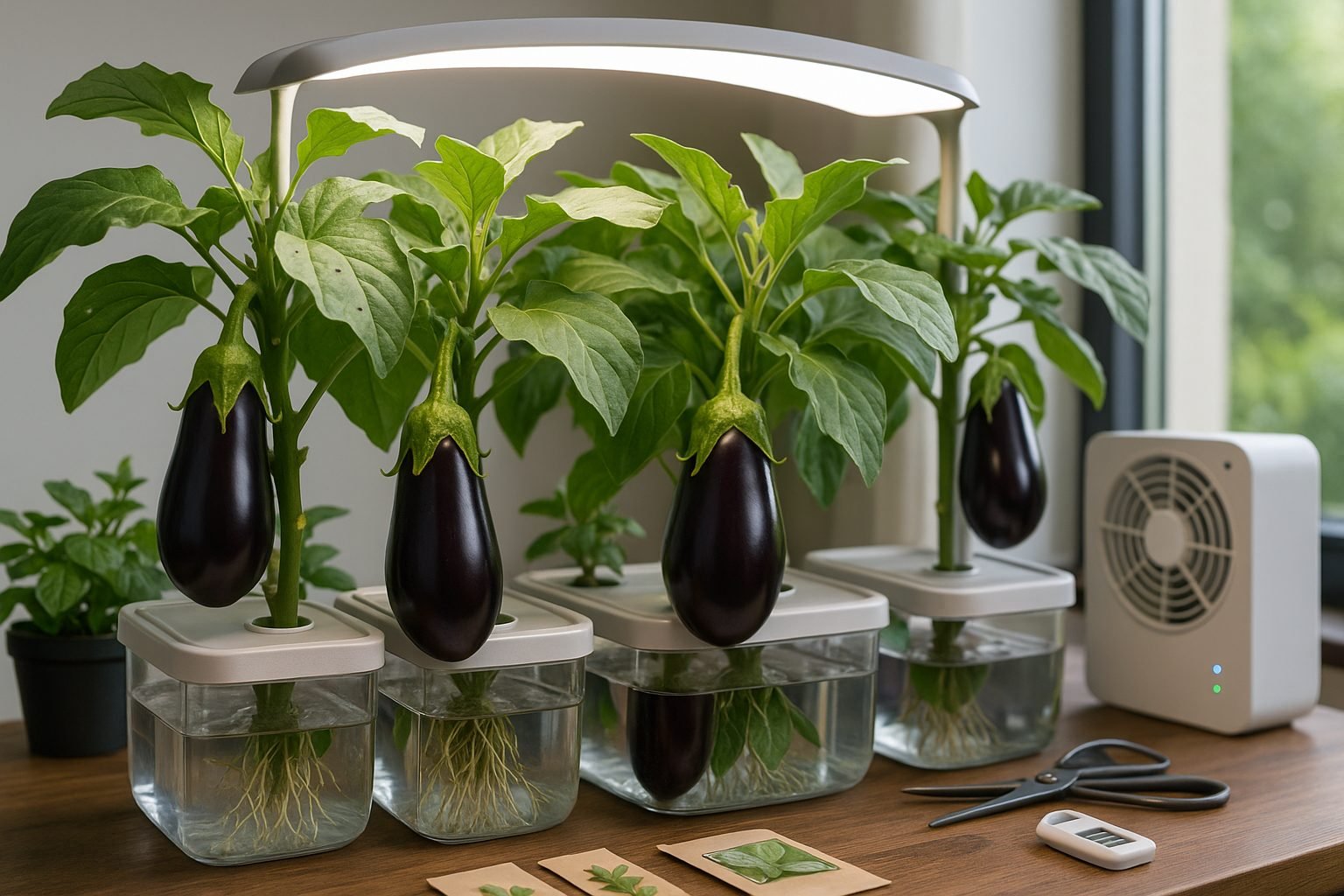
Why Choose Hydroponic Eggplant?
Choosing hydroponic eggplant over traditional soil-grown varieties can transform your gardening experience. It offers faster growth, impressive water efficiency, and the ability to maximize small spaces. When you grow eggplant hydroponically, you create a tailored environment where plants receive exactly the nutrients and moisture they need. This leads to robust growth rates—often cutting weeks off the usual harvest time.
For urban gardeners or anyone with limited outdoor space, hydroponics makes it possible to cultivate delicious eggplants on balconies, rooftops, or even indoors, using vertical racks or compact systems. Water conservation is another major advantage; hydroponic systems recirculate water and use up to 90% less than traditional soil methods, making them perfect for drought-prone areas or eco-conscious growers.
While some assume hydroponic eggplant is harder to grow or less flavorful, modern techniques ensure high yields and superb taste—provided you monitor factors like nutrients and pH. Newcomers might worry about startup costs or technical challenges, but many home-friendly kits and online community forums are available to help smooth the learning curve.
Whether you’re an apartment dweller longing for fresh produce, a hobbyist seeking year-round harvests, or someone wanting to reduce their water footprint, hydroponic eggplant offers a flexible and rewarding solution. In today’s shrinking urban landscapes, it can turn almost any small corner or sunny window into a bountiful garden, letting you enjoy glossy, healthy eggplants regardless of your space or soil situation.
What You Need to Get Started
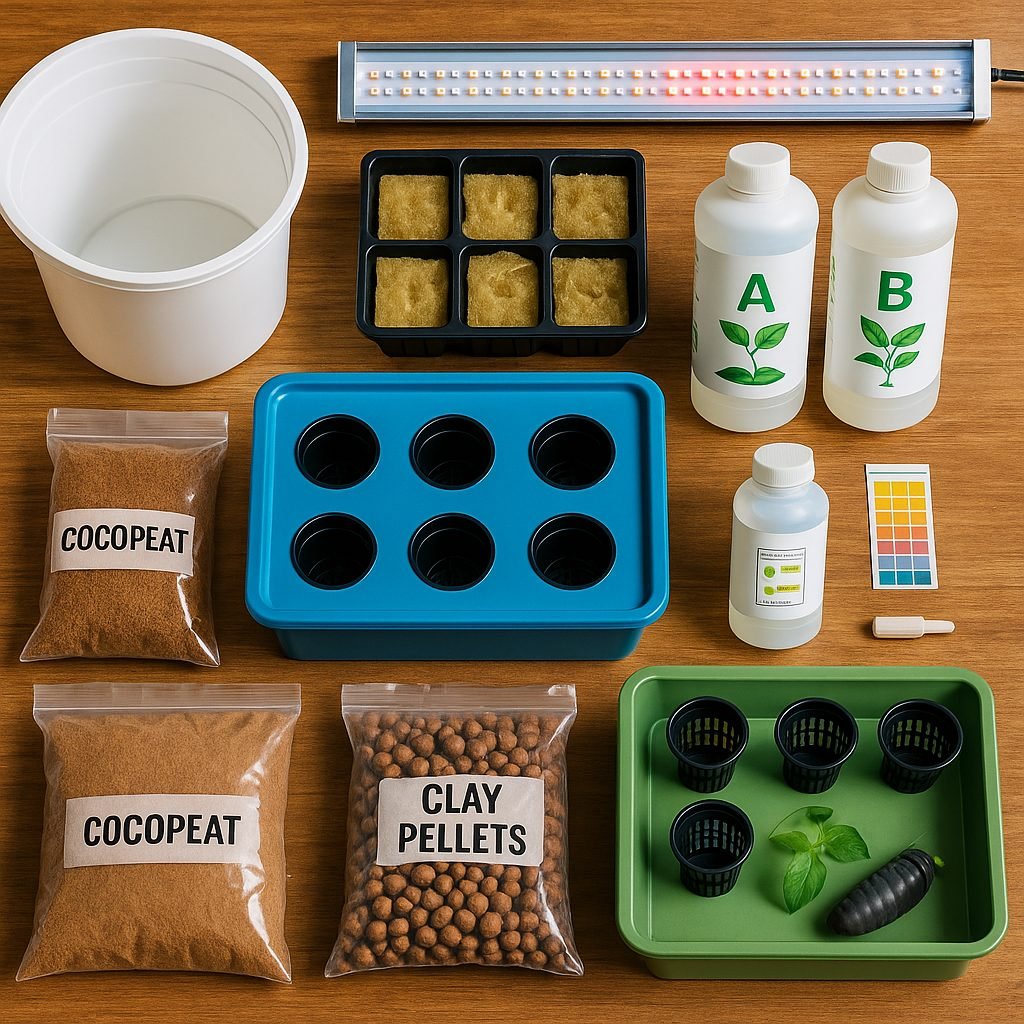
To begin hydroponic eggplant cultivation, you’ll need a few essential materials to ensure healthy, high-yield plants. First, choose sturdy grow containers that are large enough to support eggplant roots—buckets or food-grade totes work well.
For the hydroponic system, popular options include Deep Water Culture (DWC), Nutrient Film Technique (NFT), or drip systems. Beginners often find DWC easier to set up and maintain, while NFT and drip systems provide efficient water and nutrient delivery over time.
Adequate grow lights are crucial, especially if you’re growing indoors or in low-light areas. Opt for full-spectrum LED or fluorescent lights that supply the blue and red wavelengths your plants need for optimal growth.
As your growing media, cocopeat and perlite are reliable choices—they support roots, retain moisture, and allow for good drainage.
Invest in high-quality seeds of eggplant varieties known to perform well in hydroponic setups. Compact varieties like ‘Dusky’, ‘Black Beauty’, or Asia-specific types like ‘Thai Long Green’ are excellent because they produce well in limited spaces and show strong disease resistance.
Use a nutrient solution tailored for fruiting plants that contains essential macro- and micronutrients; commercial tomato or general-purpose hydroponic solutions work well.
Maintaining your nutrient reservoir’s pH between 5.5 and 6.5 helps ensure your plants can absorb nutrients effectively. Regularly checking and adjusting the pH is key.
With these essentials in place, you’re well on your way to successful hydroponic eggplant growing.
Starting Eggplant Seeds the Hydroponic Way
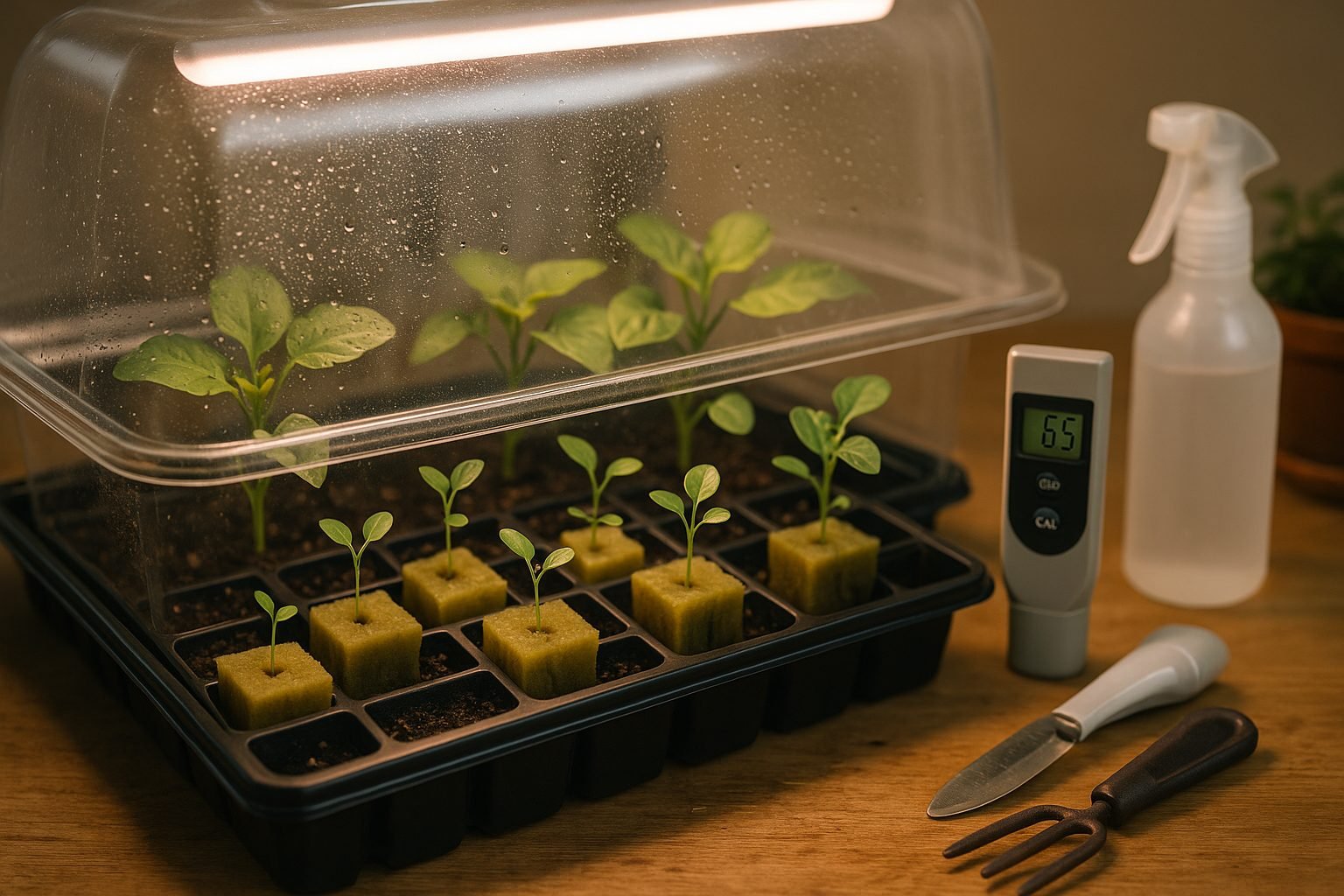
Starting eggplant seeds hydroponically is simple if you follow a few essential steps. Begin by soaking your seeds in lukewarm water for 6–12 hours; this softens the seed coat and speeds up germination.
Next, place each seed about ¼ inch deep in a sterile seedling tray filled with moistened, soilless starter plugs or cubes—rockwool or coco coir work well. Cover the tray with a humidity dome or plastic wrap to keep moisture high, and set it in a warm spot—eggplants sprout best at 75–85°F (24–29°C).
Check daily to ensure the media stays damp but not soggy, misting if needed. Once seedlings emerge, move them under grow lights or place near a bright window: aim for 14–16 hours of strong, indirect light per day to prevent leggy growth. Keep seedlings spaced apart so leaves don’t touch, which helps prevent mold and disease.
Plan to transplant your seedlings when they have at least two sets of true leaves and sturdy stems (typically after three to four weeks). Before moving them to your hydroponic system, gradually acclimate the seedlings to drier air and brighter light over a few days.
For healthy, robust plants, always use sanitized tools and fresh trays to avoid contamination, and handle young seedlings by their leaves—not delicate stems—to prevent shock or injury. With careful watering, sterile conditions, and good lighting, your eggplant seedlings will be strong and ready for a thriving hydroponic life.
Setting Up Your Hydroponic System
When growing eggplants hydroponically, choosing the right system is key to success. Deep Water Culture (DWC), drip systems, and Nutrient Film Technique (NFT) are all suitable options, each with its own strengths.
DWC submerges eggplant roots in an oxygenated nutrient solution, providing constant moisture and easy maintenance—ideal for beginners. Drip systems deliver nutrient solution directly to the root zone via emitters, offering precise control over hydration, especially useful when growing larger varieties. NFT continuously flows a thin stream of nutrients over roots, which works well for compact eggplant types but requires careful monitoring to prevent drying out.
After picking your system, select a sturdy growing medium such as expanded clay pellets, rockwool, or coco coir. These media provide necessary support and moisture retention while allowing good airflow to roots.
For eggplants, consider adding trellises, tomato cages, or plant clips early on, since they grow heavy and need vertical support to avoid stem breakage as fruits develop.
Fill your reservoir or channels with a balanced hydroponic nutrient solution formulated for fruiting crops, monitoring the electrical conductivity (EC) and pH regularly—aim for a pH between 5.8 and 6.2 for optimum nutrient uptake.
Eggplants thrive under bright conditions; provide at least 14–16 hours of strong artificial light (over 600 PPFD if using LEDs), or grow them in a sunny area with plenty of natural light. Keep temperatures between 22–28°C (72–82°F) during the day, dropping no lower than 18°C (64°F) at night.
Careful setup and attention to these details will help your hydroponic eggplants flourish.
Growth and Care: From Seedling to Harvest
Growing healthy, high-yield plants from seedling to harvest requires consistent care and attention to their changing needs. In the seedling stage, check your plants daily to ensure the soil remains moist but not soggy—overwatering can stunt growth or attract disease.
As the seedlings develop into vegetative growth, gradually increase watering and consider introducing a balanced, diluted fertilizer to provide nutrients like nitrogen for strong leafy development. During this period, watch for weekly signs of nutrient deficiencies, such as pale leaves (iron or nitrogen shortage) or purple stems (possible phosphorus deficiency), and adjust feeding schedules accordingly.
Use stakes, trellises, or cages early on to support plants as they grow taller, which prevents damage and improves air circulation around stems and leaves, reducing the risk of mold or pests.
For bushier growth and higher yields, incorporate pruning and training techniques:
- Regularly pinch back weaker side shoots.
- Trim away lower leaves to channel the plant’s energy into robust top growth.
- Try low-stress training (LST), like gently bending stems and securing them sideways, to expose more buds to light and create an even canopy.
Carefully space your plants—leave enough room between them so air can move freely, which helps prevent fungal diseases and ensures each plant gets enough sunlight.
Get into the habit of inspecting your plants every day: check the undersides of leaves for pests, watch for yellow or brown spots, and feel the soil’s texture to ensure moisture is consistent.
If you’re using containers, make sure they have adequate drainage holes and rotate them regularly for even light exposure.
By following these daily and weekly practices, you’ll promote vigorous, resilient growth and set yourself up for a rewarding, abundant harvest.
Managing Pests and Common Problems
Hydroponic eggplants are less prone to soil-borne pests, but common invaders like aphids and spider mites can still be a headache. These tiny insects suck plant sap, causing yellowing leaves and stunted growth. Combat them by spraying plants with a diluted soap-and-water solution or introducing beneficial insects like ladybugs, which feast on aphids. Sticky traps also work well for monitoring and catching flying pests.
Beyond bugs, diseases like powdery mildew and root rot occasionally pop up, especially in humid or poorly ventilated systems. To prevent these, maintain good airflow with fans and ensure your nutrient solution isn’t too warm or stagnant. Always sterilize tools and containers between grows to reduce the risk of cross-contamination.
Watch for physiological issues, too—blossom end rot and leaf tip burn often signal calcium imbalances or high salt levels in the solution. Frequent checks, ideally every couple of days, help you spot trouble early: look for curled leaves, discolored spots, or slow growth. At the first sign of a problem, compare your plant’s symptoms with reputable online guides or community forums to quickly diagnose and correct the issue before it spreads. Consistency in observation is your best defense against hydroponic hiccups.
Harvesting Your Hydroponic Eggplant
Knowing when to harvest your hydroponic eggplant can make all the difference in taste and texture. Look for glossy, vibrantly colored skin—a dull or faded appearance means the fruit is overripe. The eggplant should feel firm but yield slightly under gentle pressure.
To harvest, use clean, sharp scissors or pruning shears to cut the stem about an inch above the fruit, avoiding any twisting or pulling that could damage the plant. Check your plants every few days, as harvest frequency is often higher in hydroponic systems due to rapid growth. Regular picking encourages more blooms and fruit, so don’t hesitate to harvest as soon as eggplants reach the desired size—typically 6 to 8 inches for standard varieties or smaller for baby types.
After harvesting, remove any yellowing leaves and ensure your plants have enough nutrients and water to recover and set new fruit.
Enjoy your fresh hydroponic eggplant simply grilled with olive oil and herbs, roasted in the oven, or cubed into a quick stir-fry. Their mild, creamy flesh makes them perfect for dips like baba ganoush or as a meaty substitute in pasta and curries—making homegrown eggplants as versatile in the kitchen as they are in your garden.