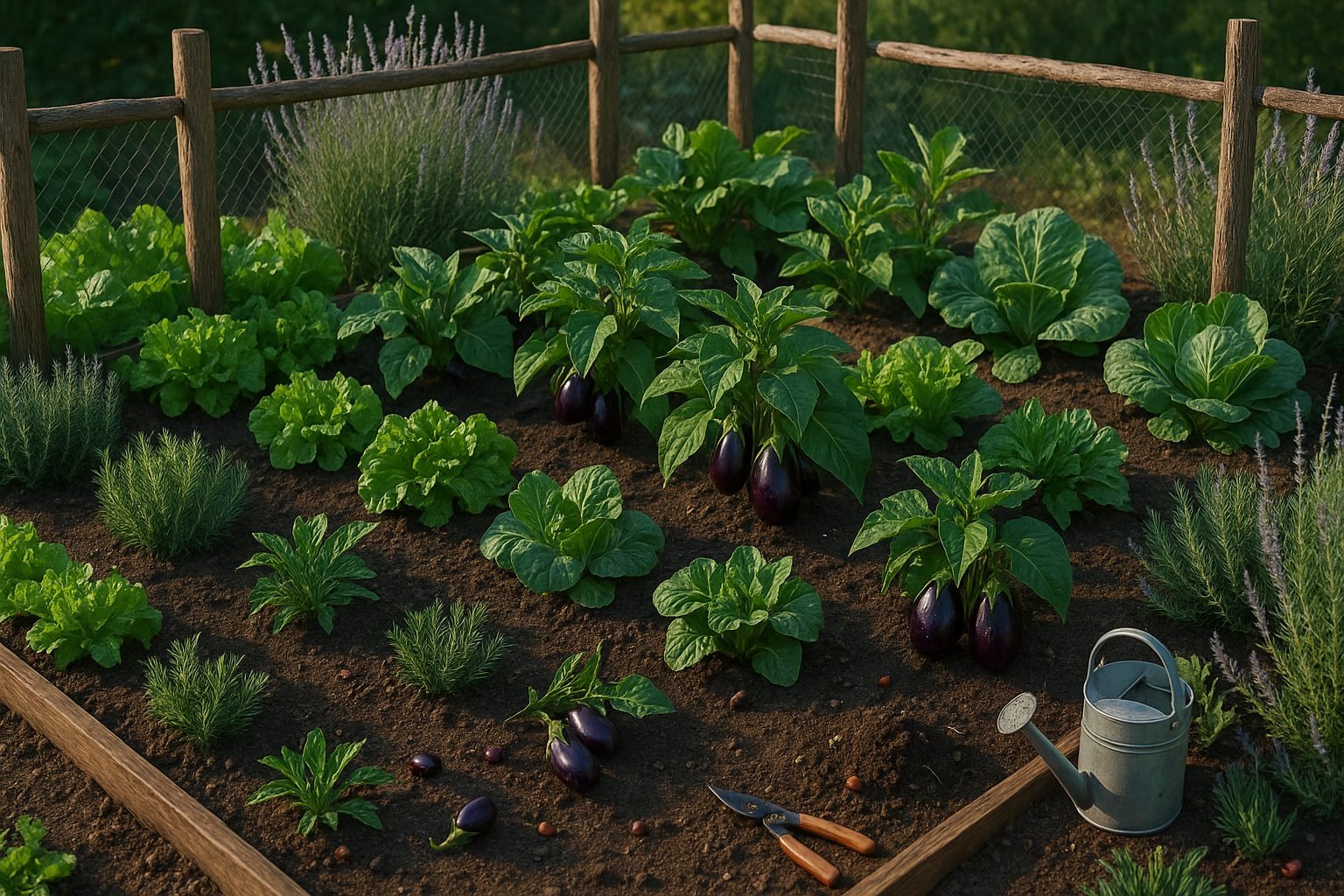
Understanding Deer Behavior Around Gardens
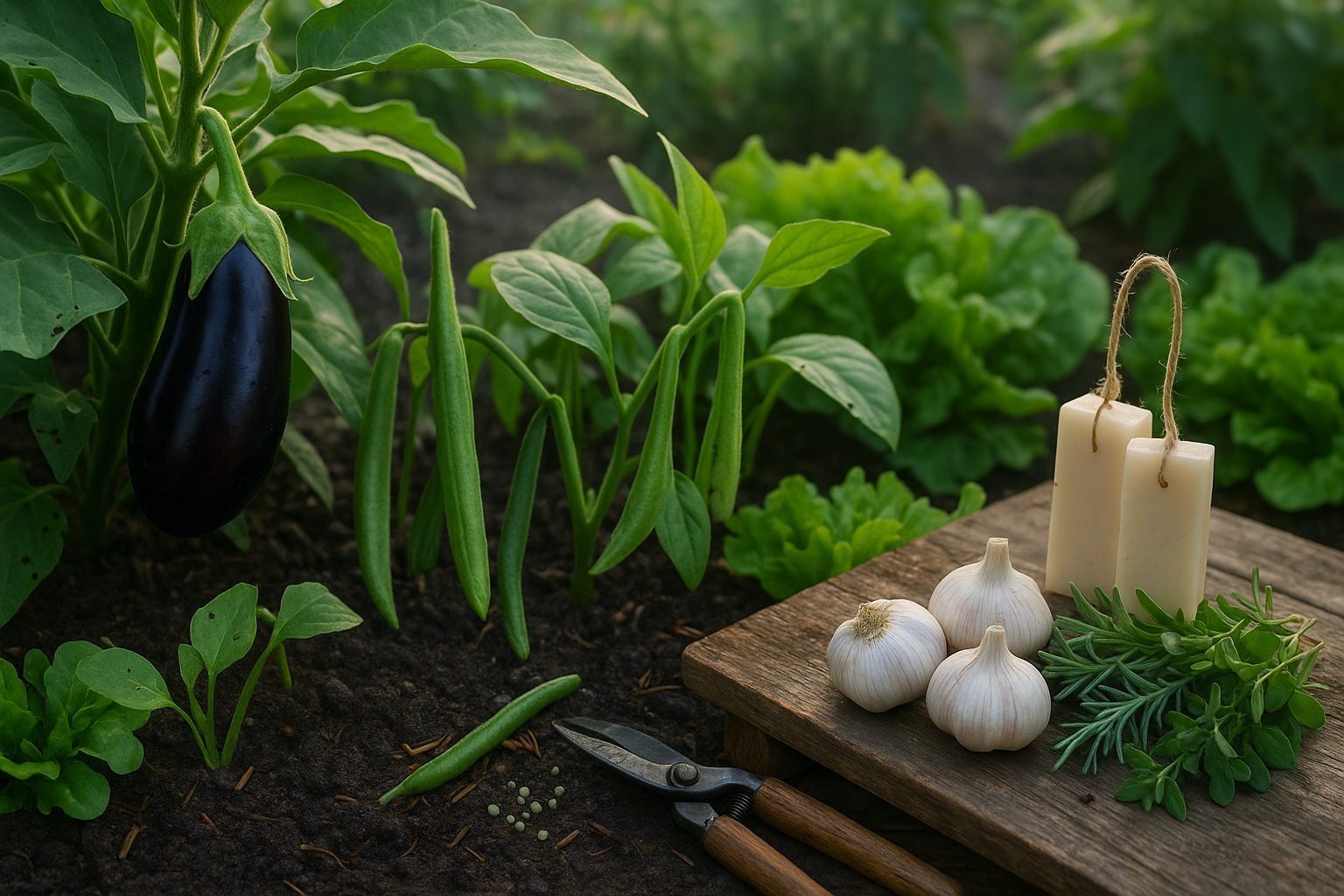
If you’ve ever wondered, “Do deer eat eggplant?” you’re not alone—gardeners across the country have noticed deer showing up just about everywhere, including near their prized vegetable plots. Deer are naturally attracted to gardens because they offer a buffet of tender, nutrient-rich plants that can be hard to resist, especially when wild food sources are scarce.
This creates a frustrating challenge for anyone trying to grow edibles or ornamentals, since deer can quickly undo weeks of hard work in a single evening. In general, deer are opportunistic foragers: they gravitate toward plants with soft leaves, juicy stems, and mild flavors. Favorites often include beans, lettuce, and fruiting vegetables, but when hungry, deer will sample a wide variety of plants—including some typically considered “deer-resistant,” like eggplant.
No plant is truly deer-proof; under the right circumstances, deer may munch on even those deemed unappealing. While eggplants might not be at the top of a deer’s menu, especially when other options are available, desperate deer might still take a bite, leaving gardeners with chewed leaves and broken stems.
Vegetables Deer Typically Avoid
When it comes to protecting your garden from hungry deer, choosing the right vegetables can make all the difference. Deer tend to avoid plants with strong scents, bitter flavors, or natural toxins, which is why veggies like onions, garlic, leeks, rhubarb, and asparagus often go untouched.
These vegetables emit pungent odors—especially from the sulfur compounds found in alliums like garlic and onions—that act as natural deterrents. Rhubarb leaves contain oxalic acid, which is toxic to deer, making them a safe bet. The tough, fibrous stalks of asparagus also have little appeal to browsing deer.
That said, it’s important to remember that no plant is completely deer-proof. If other food is scarce, desperate deer may nibble on even these less desirable crops.
Gardening Tips to Deter Deer
For gardeners aiming to optimize their harvest, consider these strategies:
- Plant deer-resistant vegetables near the perimeter of your garden as a first line of defense, or intermix them among more vulnerable crops.
- Combine scent deterrents, like hanging bars of soap or planting fragrant herbs nearby, to further discourage deer visits.
- Use fencing or protective netting around your most prized plants, especially in late winter or early spring when natural browse is limited.
By selecting and strategically placing these less palatable vegetables, you’ll have a better chance of enjoying a thriving, deer-resistant garden without resorting to harsh chemicals or constant vigilance.
Why Some Plants Repel Deer
Some plants have developed clever defenses to keep deer away, making them less likely to become a snack. For starters, certain plants, like lavender and rosemary, give off strong scents that deer find overwhelming or unpleasant. These intense smells act as natural repellents, sending deer in search of milder-tasting options.
Texture also matters: plants like lamb’s ear have fuzzy, hairy leaves that feel rough or irritating in a deer’s mouth, so deer often avoid eating them. Others, like daffodils, contain toxic compounds or taste especially bitter, providing a chemical deterrent that teaches deer to steer clear after just one bad bite.
However, these defenses aren’t foolproof. Deer will sometimes eat less-preferred plants if the weather is harsh, their population is booming, or their normal food sources are scarce. In a tough winter or drought, even the most deer-resistant plants might get nibbled as deer grow desperate.
This means that while physical and chemical traits help, some flexibility and extra protection—from fencing to repellents—are wise if deer are a frequent problem in your garden.
Complementary Strategies to Protect Your Garden
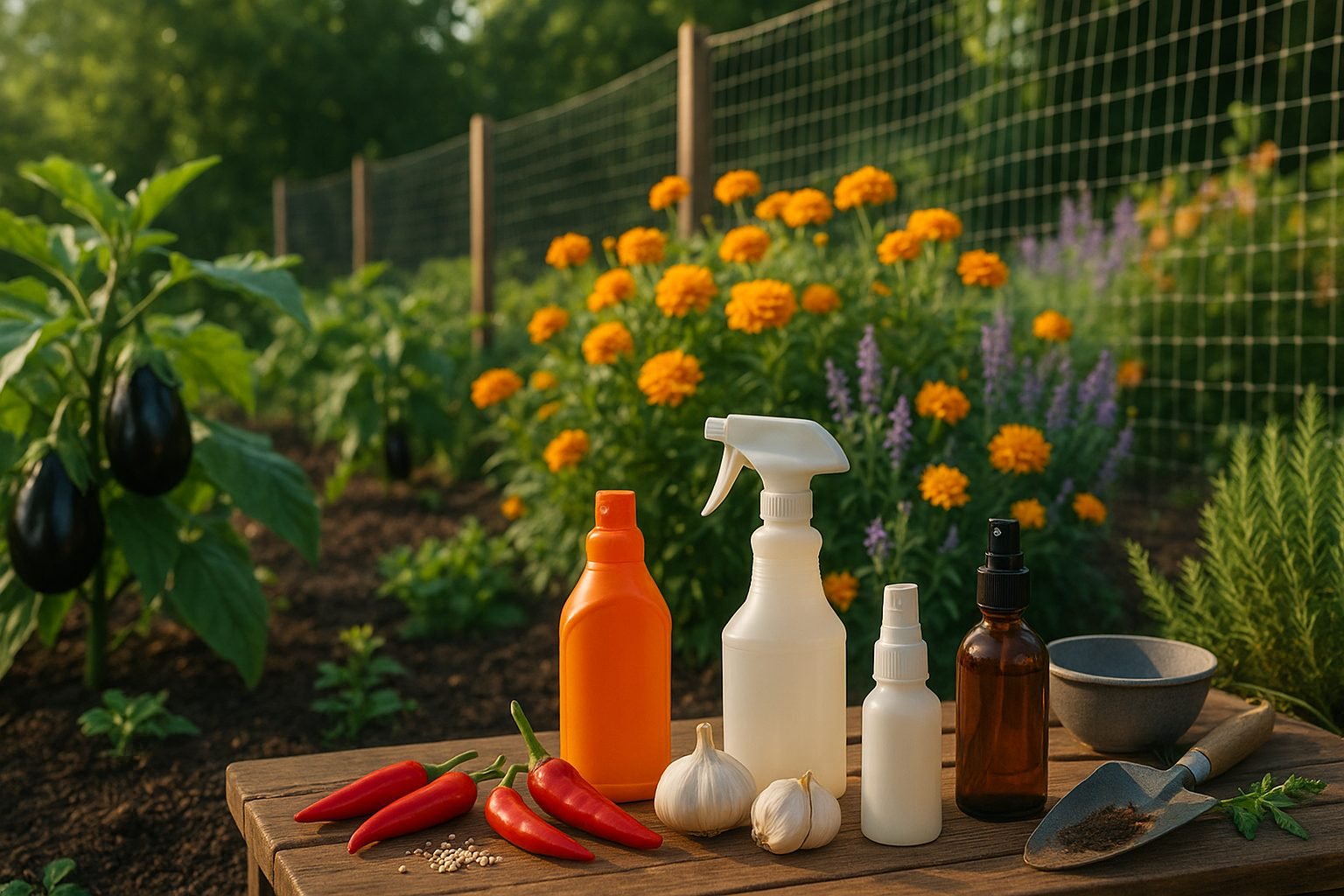
To safeguard your garden from deer, it’s smart to combine several protective strategies for the best results. Start by installing physical barriers such as sturdy fences at least 8 feet high, since deer are excellent jumpers, or use mesh netting around vulnerable plants to block access.
Many gardeners also turn to repellents, either homemade—like sprays made with garlic, eggs, or hot pepper—or commercial solutions that deter deer with unfamiliar scents or tastes; just remember to reapply these after rain.
Thoughtful garden planning offers additional layers of defense:
- Plant deer-resistant options like lavender, marigolds, or rosemary around your vegetable beds to create a buffer zone that’s less tempting for hungry visitors.
- Arrange plants in blocks rather than rows to make it harder for deer to navigate your space.
- Use crop rotation to change plant locations each season; this minimizes predictability and can discourage repeat visits.
Lastly, keep your garden tidy by promptly clearing fallen produce, excess foliage, and weeds—uncluttered gardens are less attractive and offer fewer hiding spots for deer. Using several of these strategies together keeps deer guessing and your garden thriving.
Frequently Asked Questions About Deer-Resistant Gardening
It’s natural to wonder if any vegetables are truly deer-proof, but the reality is that no plant is entirely safe if deer are hungry enough. However, some crops like onions, garlic, leeks, and hot peppers are much less appealing to deer due to their strong scents and flavors. Planting these in and around your garden can help deter browsing.
If deer have already discovered your plants, the best approach is to combine protective strategies:
- Use tall fencing or netting around vulnerable beds
- Try motion-activated sprinklers
- Remove easily accessible food sources like fallen fruit
Companion planting can also support your efforts, though it won’t make your garden completely deer-proof. Surrounding tender crops with aromatic herbs like rosemary, sage, and lavender can confuse deer’s sense of smell and sometimes discourage nibbling.
For the best results, layer these strategies instead of relying on just one—every garden is different, and deer can be unpredictable. Keep experimenting with barriers, repellents, and plant choices until you find a solution that works for your space.
Remember, you’re not alone—gardening with wildlife takes patience and flexibility, but protecting your hard work is possible with persistence.