Introduction
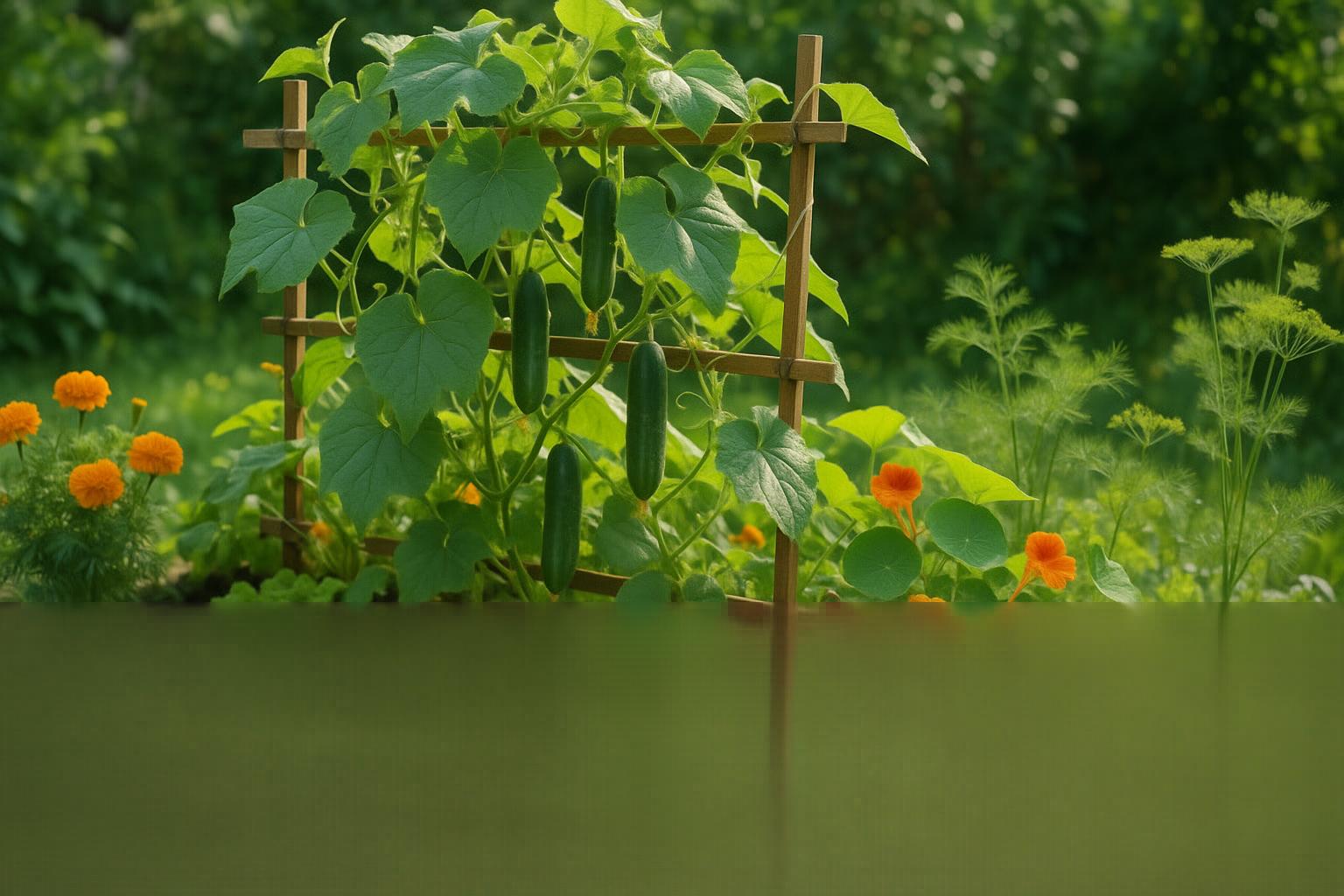
Interplanting cucumbers is a smart gardening technique that goes beyond simply maximizing limited garden space—it’s about creating a thriving ecosystem right in your backyard. Companion planting, especially with cucumbers, involves carefully choosing neighbor plants that support each other’s growth, ward off pests, and even improve the flavor and productivity of your crops. You might have heard about planting marigolds to deter harmful insects or growing basil near tomatoes for tastier fruit, but cucumbers have their own powerful allies—and a few foes—you’ll want to know about. Selecting the right companions is crucial; the wrong ones can stunt growth or attract disease, while strategic pairings can mean more cucumbers, fewer pests, and a healthier garden overall.
In this guide, we’ll walk you through the basics of interplanting cucumbers, starting with the science behind companion planting and why it works. We’ll highlight tried-and-true companion plants for cucumbers—like beans, radishes, nasturtiums, and dill—and key rivals you should avoid placing nearby, such as potatoes or aromatic herbs. You’ll discover practical planting layouts, tips for optimizing sunlight and soil health, and real-life examples from experienced gardeners who have boosted their cucumber harvests through interplanting. Whether you’re new to gardening or looking to level up your vegetable patch, this guide will help you make informed choices, reduce maintenance, and enjoy a more fruitful season. Ready to transform your cucumber patch? Let’s dig in!
The Benefits of Companion Planting with Cucumbers
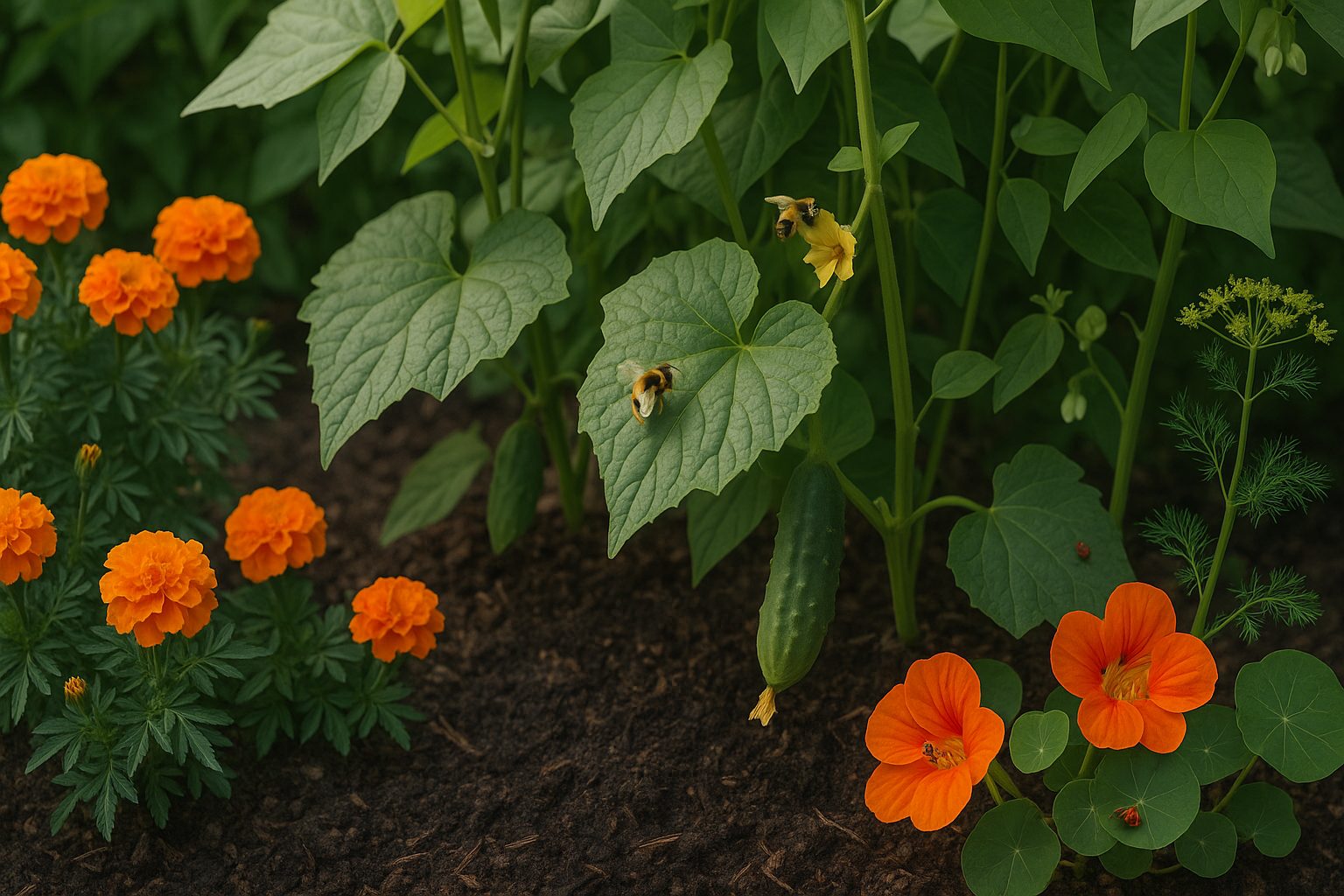
Companion planting is a smart, natural way to boost the health and yield of your cucumber patch. Growing certain plants near cucumbers can deter pests, reduce disease, and even help the plants produce more fruit.
For example, marigolds and nasturtiums are favorites among gardeners because their bright flowers attract pollinators and lure away pests like aphids and cucumber beetles, giving your cucumbers a better chance to thrive. Herbs such as dill and oregano also play double duty: they not only provide fragrant herbs for your kitchen but mask the scent of cucumbers to confuse insect pests.
Planting beans nearby makes good sense too, as they fix nitrogen in the soil, enriching it and helping your cucumbers grow big and strong with less need for extra fertilizer. Some gardeners swear by planting radishes alongside cucumbers in the early season, since radishes sprout quickly and can act as “trap crops” for pests like flea beetles, protecting your cucumber vines as they get established.
You’ll also benefit from improved pollination by integrating flowers into the cucumber bed, as a diverse mix of plants attracts more bees, which means more cucumbers set and ripen. It’s a win-win: healthier vines, juicier fruit, and a more welcoming garden space overall.
If you’ve ever struggled with wilting or yellowing foliage on cucumbers, rotating in disease-resistant companions or plants like garlic that naturally suppress soil-borne diseases can make all the difference. By thinking strategically about who shares a bed with your cucumbers, you’re making your garden a little ecosystem where every plant contributes.
Try mixing flowers, herbs, and vegetables around your cucumbers and you’ll quickly see the benefits—less damage from pests, stronger plants, and, best of all, baskets of tasty cucumbers at harvest time.
Best Companion Plants for Cucumbers
When it comes to companion planting, choosing the right partners for your cucumbers can boost yield, keep pests in check, and even enhance flavor. Beans and peas top the list since they fix nitrogen in the soil, giving cucumbers a nutrient boost. They’re easy to tuck along the edges or interplant between cucumber hills, whether in rows or wide containers.
Radishes are fast growers that naturally deter cucumber beetles. Scatter a handful of seeds among young cucumber plants and harvest radishes as they mature, making room for sprawling cucumber vines. Nasturtiums are vibrant, low-maintenance companions that attract pollinators while acting as a trap crop, luring aphids, whiteflies, and beetles away from your cucumbers. Plant them as groundcover around the base or let them spill from the side of a large pot.
Marigolds are another great pest-fighter: their scent deters nematodes and beetles. Plant a ring of marigolds around your cucumber patch or place one or two marigold plants per large container. Dill is excellent for attracting predatory insects that prey on cucumber pests, like ladybugs and lacewings. However, let dill grow toward the edges to avoid crowding, especially if space is limited.
Leafy lettuces offer shade at cucumber roots, keeping the soil cool and moist. They grow compactly and can be planted right between cucumber mounds or in small pockets within a container.
Planting Tips for Different Setups
- In-ground gardeners can be more generous with spacing, arranging companions in rows or blocks based on their growth habits.
- Container gardeners should prioritize dwarf or bush varieties and maintain careful spacing to ensure good airflow.
- Use deep, wide containers to accommodate mixed plant roots and support trailing cucumber vines.
- Regularly monitor your garden for signs of overcrowding.
- Rotate companion plants yearly to keep pests guessing and maintain healthy soil.
Plants to Avoid Near Cucumbers
When planning your cucumber patch, it’s important to know which plants could sabotage your harvest if grown nearby. First on the list are potatoes—planting these root vegetables next to cucumbers invites trouble because they compete for nutrients and water, and both are vulnerable to similar soil-borne diseases like blight, which can quickly spread between beds.
Melons, though botanical cousins of cucumbers, should also be kept at a distance. They attract the same pests, such as cucumber beetles, and their sprawling vines can crowd out cucumbers for sunlight and space.
Sage and other strong-scented herbs like basil seem like natural garden companions, but for cucumbers, they’re not a great fit. Sage is believed to release allelopathic chemicals that hinder cucumber growth, and basil draws pollinators away when cucumbers need them most.
Brassicas—including broccoli, cabbage, and kale—are heavy feeders and can deplete the soil of valuable nutrients, leaving cucumbers stunted and less productive.
To protect your cucumber plants, design your garden with clear boundaries: leave at least three feet between cucumbers and these potential antagonists, and consider using physical dividers or even separate raised beds. Rotating crops each season and using mulch paths can further reduce disease spread and competition.
With thoughtful spacing and careful companion selection, your cucumbers will have the best chance to thrive.
Tips for Planning and Spacing in Your Cucumber Bed
Proper spacing is key to growing strong, productive cucumber plants. When planning your cucumber bed, allow at least 12 to 18 inches between each plant, and keep rows about 3 feet apart. This generous distance boosts airflow, helping to prevent fungal diseases and allowing sunlight to reach the lower leaves.
If you’re short on space, consider vertical gardening: train your cucumbers up a sturdy trellis, fence, or tomato cage. Vertical growth not only saves precious ground space but also keeps fruits cleaner and makes harvesting easier. Trellised cucumbers can even be planted closer together, about 12 inches apart along the base of the support.
Companion Planting for Healthy Cucumbers
Don’t forget about companion planting to naturally deter pests and maximize yield. Consider these combinations:
- Marigolds and nasturtiums at the edge of the bed to repel aphids and beetles
- Bush beans, lettuce, and radishes planted between or around cucumber plants to fill open spots and create a living mulch
Avoid planting cucumbers near aromatic herbs like sage, as they can stunt growth.
Sample Layout
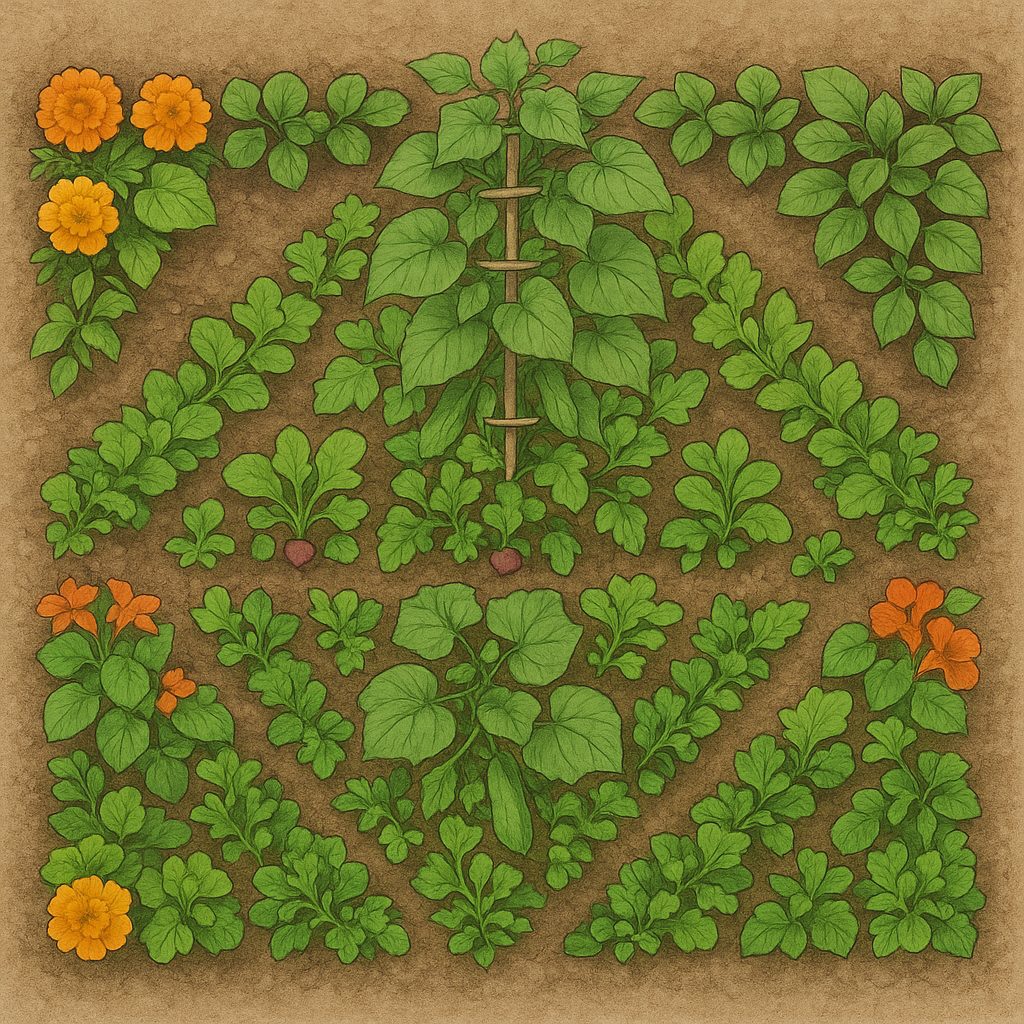
Picture a sample layout:
- Start with a central row of cucumbers spaced 1–2 feet apart on a trellis
- Line the outer edges with bush beans for nitrogen support
- Dot marigolds and nasturtiums at the corners as insect barriers
- Fill remaining gaps with quick growers like radishes or leafy greens, ensuring nothing crowds the cucumber vines
Always check that your bed gets at least 6–8 hours of sun daily, since cucumbers crave warmth and bright light. By planning thoughtfully and using vertical supports, even small gardens can yield delicious, healthy cucumbers all season long.
Crop Rotation and Succession Planting with Cucumbers
Crop rotation is essential for healthy cucumber beds because growing cucumbers—or any member of the squash family—in the same spot year after year can lead to a build-up of soil-borne diseases like wilt and mosaic virus, as well as pests such as cucumber beetles and nematodes. Rotating crops interrupts these cycles, reducing the risk of outbreaks and helping maintain productive, resilient plants.
A practical rotation system for cucumbers involves a three- or four-year schedule. For example, after growing cucumbers, plant legumes (like beans or peas) in that bed the following year, as these fix nitrogen and improve soil health. Leafy greens or brassicas (such as lettuce or cabbage) can follow legumes before returning to cucumbers or another fruiting crop like tomatoes. If space is tight, even alternating cucumber beds with non-cucurbit vegetables each season will provide some benefit.
In addition to rotation, succession planting helps gardeners make the most of their growing season. Sow a first batch of cucumber seeds in spring after the frost danger passes, then follow up with a second round about three to four weeks later. This staggered planting means as the first generation slows down or succumbs to summer weather or pests, the next batch will be coming into peak production.
In smaller gardens, you can also pull out tired cucumber vines midsummer and replace them with quick-growing crops like radishes or salad greens. This makes the most of your space and keeps beds productive.
These simple strategies work together to deliver healthy plants, better yields, and a continuous harvest of crisp, homegrown cucumbers throughout the season.
Common Mistakes and How to Avoid Them
One frequent mistake when companion planting cucumbers is overcrowding—planting too many seedlings too close together in an attempt to maximize yield. This restricts airflow, making plants susceptible to diseases like powdery mildew. To avoid this, space cucumber plants about 18 to 24 inches apart and ensure good air circulation by regularly pruning extra leaves.
Another pitfall is poor plant pairing. For example, placing cucumbers near aromatic herbs like sage or strong competitors like potatoes can actually stunt cucumber growth, while crops like beans and peas can enhance soil nutrients and help cucumbers thrive. Research compatible companion plants and experiment with groupings that have worked for other gardeners, such as pairing cucumbers with corn to offer natural shade and support.
Many gardeners also neglect disease risks by reusing the same planting areas or ignoring signs of pest infestations. Rotate your crops each year, remove plant debris promptly, and use mulch to limit the spread of soil-borne issues.
Observing the garden regularly is key—watch for yellowing leaves, stunted growth, or pest activity, and address problems early with appropriate organic treatments or adjustments in watering.
Remember, every garden is different, so adapt these strategies based on your specific conditions, noting which companions and spacings yield the healthiest plants. Gardeners who take a little time to learn from both mistakes and successes each season will see better results and enjoy more robust cucumber harvests.
Conclusion
Successful cucumber companion planting comes down to a few simple but powerful strategies. First, choose beneficial friends like beans, peas, and radishes to improve soil and naturally reduce pests. Avoid pairing cucumbers with crops such as potatoes or strong-scented herbs that can stunt their growth or attract unwanted insects.
Rotate your plantings each season to keep the soil healthy, and consider interplanting flowers like nasturtiums or marigolds to add beauty while attracting helpful pollinators. Even if you’re working with a small space or container garden, companion planting can boost your harvests and minimize the need for chemicals.
Don’t be afraid to experiment—gardening is as much about learning as it is about growing. Have you tried any companion planting combinations that worked (or didn’t work) for cucumbers? Every garden is different, and your story could inspire or guide someone else.
Share your experiences, questions, or tips in the comments below—we’d love to hear how your garden grows!