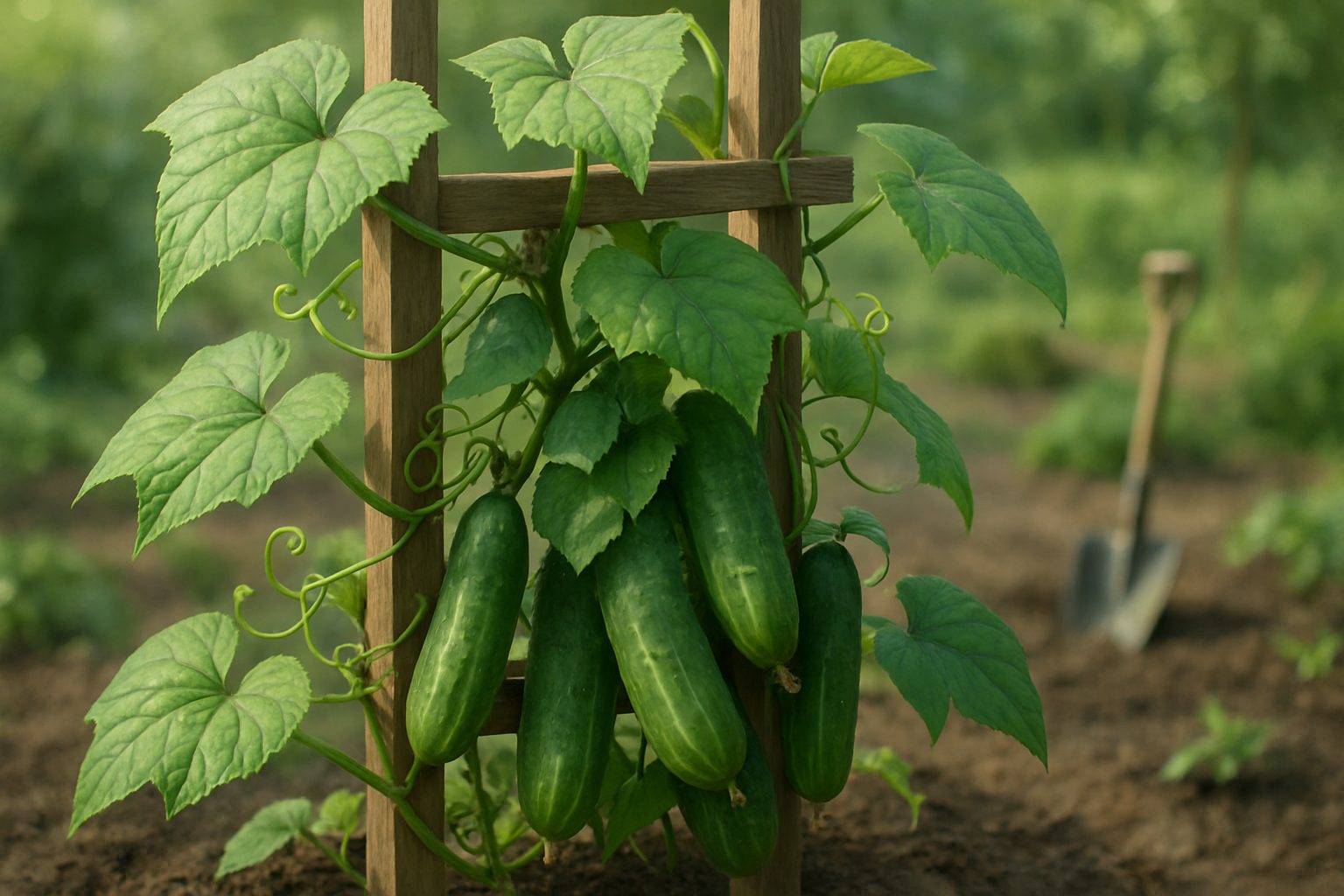
Introduction to the Cucumber Lifecycle
Are cucumbers annual? If you’ve ever grown vegetables at home or grabbed a crunchy cucumber at the market, you might have wondered whether these popular garden staples come back each season or need to be replanted. Cucumbers are loved by gardeners everywhere for their refreshing taste, fast growth, and versatility in salads and pickling jars.
However, unlike some perennial vegetables that return year after year, cucumbers have an annual lifecycle—meaning the same plant won’t regrow the next spring. Instead, each cucumber plant completes its entire journey from seed to fruit in one growing season, then naturally dies off with the first frost or when its cycle ends.
In this article, we’ll walk you through the full lifecycle of the cucumber plant, from sprouting seeds to harvesting those crisp green fruits. You’ll discover practical tips for getting the best yield from your cucumber plants, learn why replanting each season is essential, and find out how to care for them at every stage.
Whether you’re new to gardening or hoping to perfect your cucumber harvest, understanding this annual rhythm will help you grow and enjoy healthier, more productive plants.
Understanding the Annual Lifecycle of Cucumbers
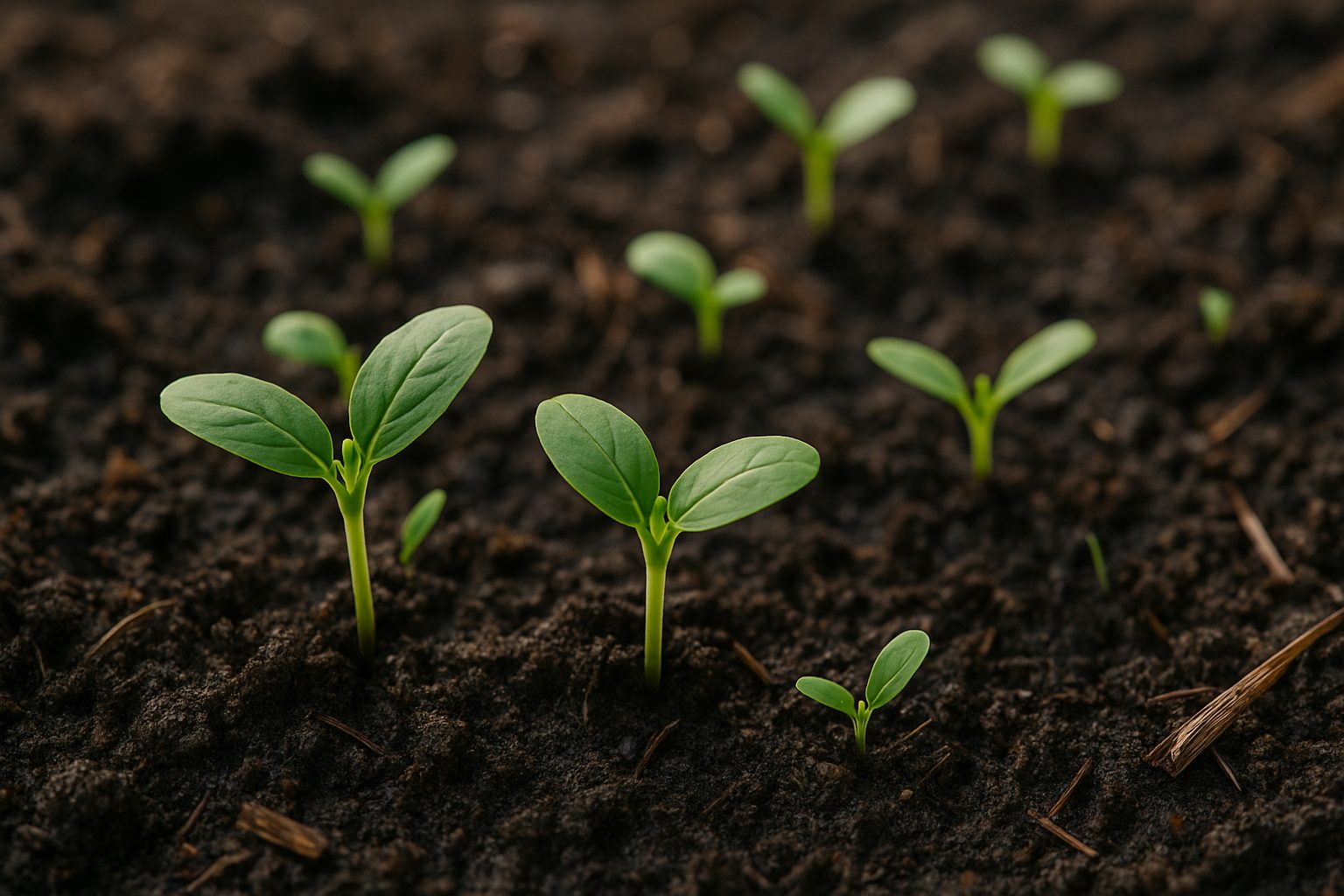
Cucumbers are classic annual plants, meaning they complete their entire lifecycle—from seed to fruit to seed again—within a single growing season and will not regrow from the same plant the following year. The journey starts in early spring, when seeds are sown directly into warm soil or started indoors a few weeks before the last frost date.
Within about a week, you’ll see sprouts breaking through the soil, quickly developing into strong seedlings with their first true leaves. As the days warm up, the vines begin to stretch and climb, producing a mass of leaves and, within a few more weeks, small yellow flowers. These flowers are essential because they’re pollinated by bees and other insects. Shortly after pollination, baby cucumbers start to form beneath the female flowers.
With regular watering and plenty of sun, these fruits grow rapidly—sometimes several inches in just a few days. The main growing and fruiting period typically lasts from late spring through mid to late summer, depending on your climate.
Harvesting begins as soon as the cucumbers are firm, green, and the right size for your chosen variety, which is generally about 50–70 days after planting. It’s important to harvest often, as leaving cucumbers on the vine too long can lead to oversized, bitter fruits and will slow further production.
Once temperatures start to drop or the plant has exhausted its energy, it will naturally wither and die, leaving behind only seeds inside any overripe cucumbers—a signal that its lifecycle is complete. For each new season, you’ll need to plant new seeds, as last year’s plants will not return.
To maximize your harvest, consider succession planting: starting new seeds every few weeks to extend the period of cucumber production through the warm months.
Key Growth Stages of Cucumber Plants
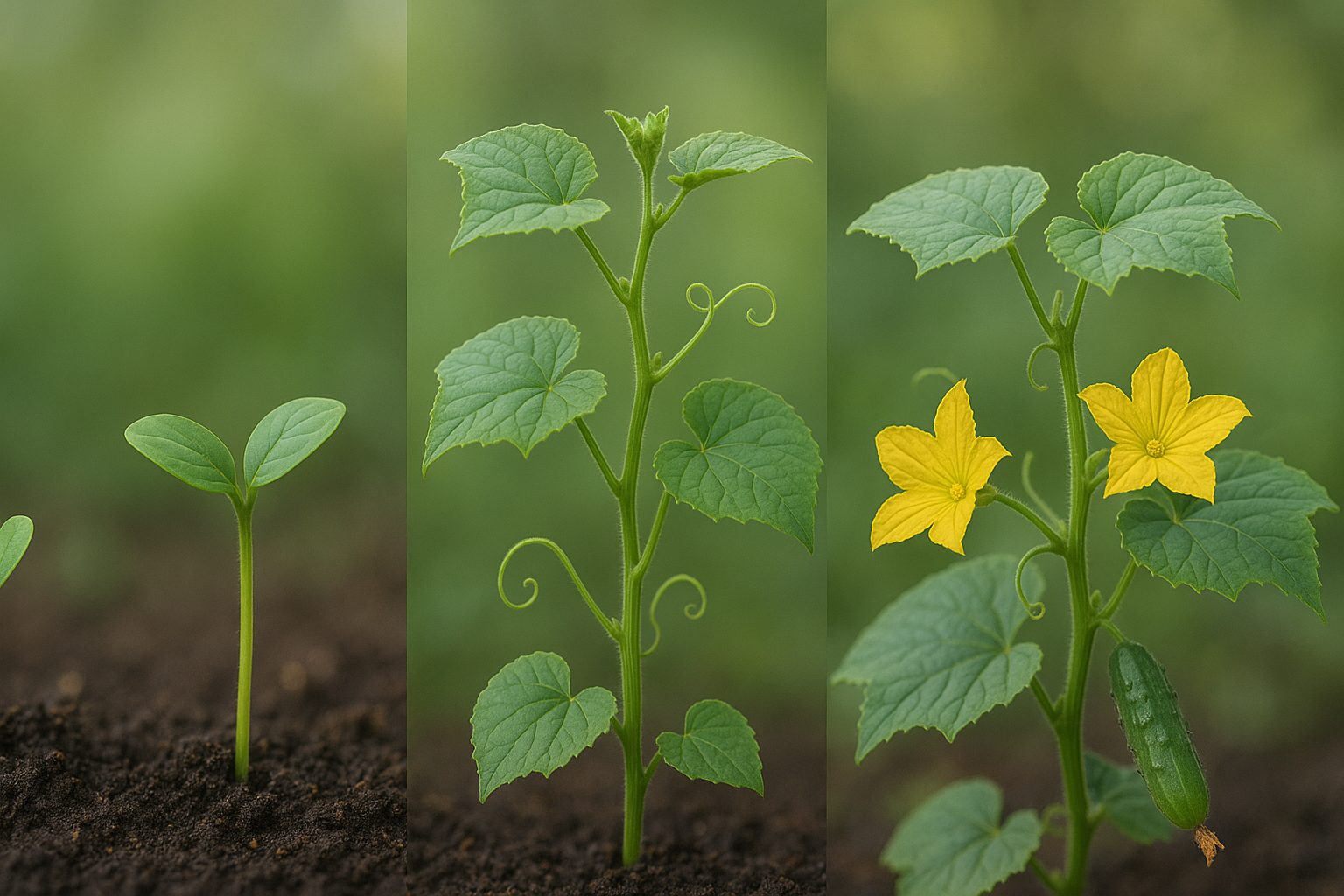
Cucumber plants follow a clear progression of growth stages, and understanding this timeline helps gardeners nurture healthy, productive vines.
Germination marks the beginning, occurring about 3–10 days after sowing in warm, moist soil—look for tiny green sprouts pushing through the surface. During this stage, keep soil consistently damp and above 70°F for the best results.
Next comes seedling growth, when plants develop their first true leaves within another week. At this point, thin out crowded seedlings and protect against pests like slugs and cutworms.
The vining stage begins after two to three weeks, as plants produce vines and tendrils that rapidly sprawl. Ensure ample space, apply mulch to retain moisture, and use trellises for support.
Flowering usually starts about 5–7 weeks from sowing, with small yellow blossoms appearing. Both male and female flowers are important, so encourage pollinators by avoiding pesticides and consider hand-pollination if necessary.
Fruiting follows quickly if pollination is successful—the plant’s tiny, prickly baby cucumbers swell over 10–15 days, requiring steady watering and occasional feeding with potassium-rich fertilizer for robust growth.
The final harvest stage arrives when fruits reach their mature color and size; for slicers, this is generally 6–8 inches long and deep green. Frequent picking encourages more production, so check vines daily.
Key Milestones to Monitor
- Seedling emergence
- Appearance of true leaves
- First flowers
- Swelling fruit
- Proper ripeness at harvest
By staying alert at each growth stage and adjusting care—such as thinning, supporting vines, watering, mulching, and harvesting—you’ll enjoy a steady supply of crisp, homegrown cucumbers all season.
Common Misconceptions About Perennial Growth
Many gardeners are surprised to learn that cucumbers are actually annuals, not perennials. Confusion often arises because of how cucumbers and similar plants behave in some gardens.
One common misconception comes from seeing new cucumber plants pop up in the same spot year after year. These are usually not the original plants surviving winter, but rather new “volunteer” seedlings sprouting from fruit or seeds left in the soil from the previous season. In regions with mild winters—or if seeds are sheltered by compost or mulch—this self-seeding can be very successful, making it look as if the plants are coming back on their own like true perennials.
However, there’s a key difference: perennials, like rhubarb or asparagus, survive winter by going dormant and then regrow from their roots or crowns each spring, while annuals like cucumbers die off completely and rely on their seeds for the next generation.
If you’re noticing cucumbers returning each season, it’s almost always due to reseeding rather than the survival of the original plant. To tell them apart, look for signs of new seedlings versus established root systems:
- Perennials typically emerge from thick root clusters.
- Annuals sprout as tiny, individual plants.
Understanding this difference can help you plan your garden more effectively, knowing which plants require replanting every year and which can be counted on to regrow reliably.
Best Practices for Growing Healthy Cucumbers Each Year
Getting your cucumber crop off to the right start begins with careful soil preparation and smart planting techniques. Cucumbers thrive in well-drained, fertile soil with a slightly acidic to neutral pH (around 6.0–7.0). Before planting, work plenty of compost or aged manure into the top 6–8 inches of soil to provide essential nutrients and improve texture.
Choose a sunny spot, as cucumbers love warmth and light. Direct sow seeds outdoors once the danger of frost has passed and soil temperatures reach at least 60°F, or start seeds indoors 3–4 weeks earlier for a head start. Space seeds about 12 inches apart if planting bush varieties, or give vining types up to 3 feet between plants to allow for healthy air circulation, which helps prevent mildew and other diseases.
Consistent watering is key, as cucumbers have shallow roots and can quickly dry out—aim for 1–2 inches of water per week, applied directly to the soil rather than overhead to reduce leaf diseases.
To further prevent issues like powdery mildew or wilt, avoid planting cucumbers in the same spot year after year. Crop rotation breaks pest and disease cycles and keeps soil health balanced. Rotate cucumbers with unrelated crops (like carrots or beans) in a three-year cycle for best results.
Trellising vining cucumbers not only saves space but also lifts fruit off the ground, reducing rot and making harvesting easier. Mulching with straw or grass clippings helps retain soil moisture and suppress weeds.
For higher yields and a longer harvest, pick cucumbers frequently when they’re young and tender—leaving mature fruit on the vine signals the plant to slow production. Also, consider succession planting a second round of seeds mid-summer if your growing season allows, to extend your fresh cucumber supply into early fall.
Troubleshooting Common Cucumber Plant Problems
Cucumber plants are prone to a handful of common problems, but with a little know-how, you can keep your crop healthy and productive.
Diseases
Diseases like powdery mildew and downy mildew appear as white or yellow spots on leaves. To prevent these, ensure your plants have plenty of space for air circulation, and water the soil—not the leaves—to avoid excess moisture.
Pests
Pests such as cucumber beetles and aphids often attack young plants. Cover seedlings with row covers, inspect leaves regularly, and remove any bugs by hand or spray with insecticidal soap if needed.
Fruit Problems
Sometimes, plants may produce misshapen or bitter fruits due to inconsistent watering or poor pollination. Keep soil evenly moist and attract pollinators by planting flowers nearby.
Environmental Stresses
Extreme heat or cold snaps can also prevent fruit set. Try shading plants during hot afternoons or using frost cloths in early spring.
Getting Help
For persistent or mysterious issues, turn to trusted resources like your local cooperative extension office, the University of Minnesota’s Vegetable Diagnostic Tool, or gardening forums for tailored advice.
With some simple preventive care and quick action when a problem arises, most cucumber issues can be managed before they affect your harvest.
Conclusion: Enjoying Fresh Cucumbers Year After Year
Growing cucumbers is a rewarding experience that can easily become a yearly tradition for gardeners of all skill levels. Remember, cucumbers are annual plants, which means they complete their entire lifecycle—from seedling to harvest—in a single growing season.
To get the most out of your plants, start with healthy seeds or seedlings, plant them in rich, well-drained soil, and provide plenty of sunlight along with consistent watering. Trellising your vines not only saves space but also keeps the fruits cleaner and reduces the risk of disease.
Keep an eye out for common issues like powdery mildew or cucumber beetles, and use organic methods such as crop rotation and mulching to keep these pests under control. Once you’ve mastered the basics, don’t hesitate to experiment—try advanced techniques like succession planting for continuous harvests, or explore exciting cucumber varieties like lemon cucumbers or miniature snack cucumbers for fresh new flavors.
Each season is an opportunity to learn, refine your approach, and enjoy crisp, homegrown cucumbers in your salads, snacks, and pickles. With a little effort and creativity, you’ll be on your way to a successful cucumber harvest year after year.